Singapore-based documentarian and experimental dance filmmaker Chan Sze-Wei invites audiences to witness the dazzling, resilient world of ballroom culture in Southeast Asia through her latest work, "10s Across the Borders." This compelling film, which has garnered attention for its intimate and truthful portrayal of how underground art transcends both geographic and societal boundaries, is set to screen at the esteemed Cinemasia festival, offering European audiences a unique glimpse into a vibrant, often misunderstood, subculture. The documentary meticulously captures the sparkles, colours, and expressive ostrich feathers that define ballroom, revealing the deeply personal journeys of three pioneering figures who are shaping the scene in their respective nations.
The Genesis of a Movement: Ballroom Culture’s Global Resonance
To fully appreciate the narrative woven by "10s Across the Borders," one must first understand the profound origins and evolution of ballroom culture. Born out of the Black and Latinx LGBTQ+ communities in Harlem, New York, during the 1980s, ballroom emerged as a vibrant, defiant response to systemic discrimination, marginalization, and a lack of safe spaces. It provided a sanctuary where individuals could explore and express their identities, create chosen families (known as "houses"), and compete in elaborate "balls" showcasing dance, fashion, and performance categories like voguing, runway, and realness. These gatherings were not merely entertainment; they were vital acts of self-affirmation, community building, and artistic protest.
The ethos of ballroom — self-expression, resilience, and the creation of alternative kinship structures — resonated globally, gradually spreading beyond its American roots. In recent decades, this cultural phenomenon has found fertile ground in Asia, particularly in Southeast Asia, where LGBTQ+ communities often navigate complex social landscapes marked by varying degrees of acceptance and legal protections. The region presents a fascinating paradox: while some countries exhibit outward tolerance, deeply entrenched conservative values and legal frameworks can still render LGBTQ+ individuals vulnerable. Ballroom, in this context, offers a clandestine yet powerful platform for visibility, advocacy, and collective strength, allowing participants to reclaim agency over their bodies and narratives.
A Seven-Year Cinematic Journey: Chan Sze-Wei’s Dedication
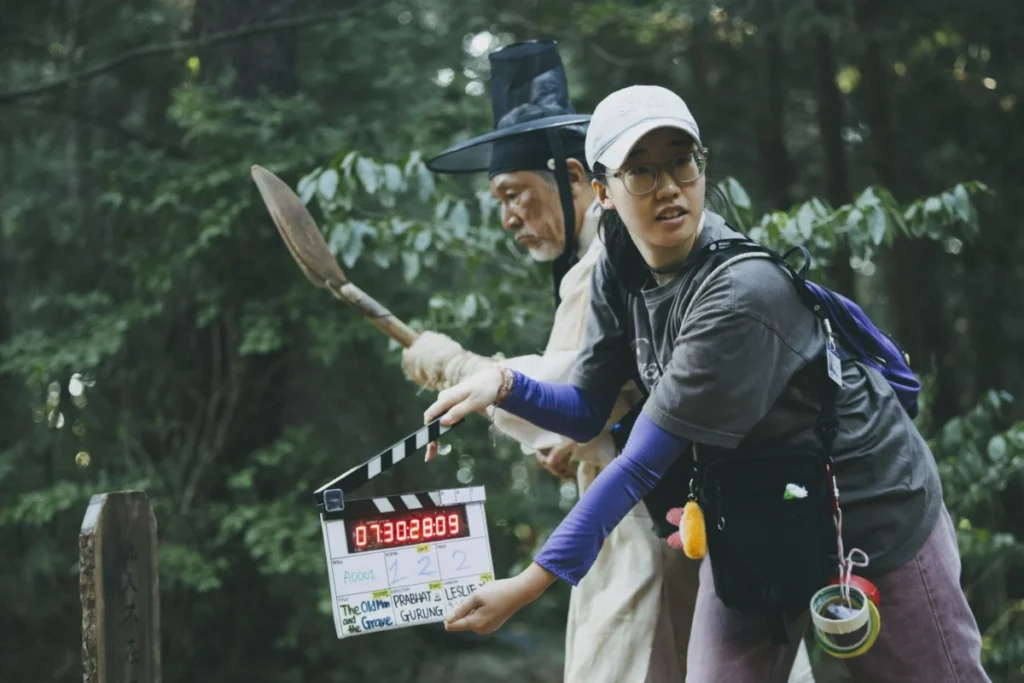
Filmmaker Chan Sze-Wei, known for her innovative approach to dance and documentary, embarked on a remarkable seven-year journey to bring "10s Across the Borders" to fruition. This extensive production period underscores her deep commitment to the subject matter and allowed for an unparalleled level of access and intimacy with her subjects. Her background in experimental dance filmmaking is evident in the documentary’s visual language, which blends raw, unvarnished moments with stylized performance sequences, reflecting the multifaceted nature of ballroom itself. Chan’s intention was clear: to present an "intimate and truthful look" at the lives of these artists, peeling back the layers of glamour to reveal the struggles, triumphs, and unwavering spirit beneath.
The opening moments of the film are deliberately stark, beginning in a dark, moody, and nondescript stairwell – a visual metaphor for the often-hidden, underground nature of ballroom spaces. This initial atmosphere is quickly shattered by the vibrant emergence of Teddy Ong, whose striking bowl cut, tattooed face, and undeniable fierceness instantly inject colour and energy into the screen. This deliberate contrast sets the tone for a film that oscillates between the gritty realities of its protagonists’ lives and the dazzling spectacle of their artistic expression. The lengthy production timeline also enabled Chan to capture significant personal growth and evolution within the lives of her three subjects, lending a profound sense of authenticity and development to their stories.
Meet the Trailblazers: Pillars of the Southeast Asian Ballroom Scene
"10s Across the Borders" introduces audiences to three pivotal figures whose individual stories collectively paint a comprehensive picture of the burgeoning ballroom scene in Southeast Asia:
Teddy Ong (Malaysia): Forging Identity in a Challenging Landscape
From Malaysia, Teddy Ong is presented as an aspiring ballroom voguing dancer and the visionary founder of the "kiki" house of Neverland. Kiki ballroom, often seen as a more accessible entry point, serves as a vital training ground and community for emerging artists, distinct from the more established, competitive mainstream ballroom scene. Teddy’s narrative is deeply intertwined with the socio-political climate for LGBTQ+ individuals in Malaysia, a nation where homosexuality is criminalized under colonial-era sodomy laws and societal attitudes remain largely conservative. This legal and social environment creates immense pressure and often leads to individuals struggling to find their voice and identity.
The film explores Teddy’s personal battles, stemming from difficult childhood experiences and the pervasive societal shunning of homosexuality in his native country. Through ballroom, Teddy discovers a powerful outlet for self-expression, a chosen family that offers acceptance, and a platform to articulate his identity without fear of judgment. His journey symbolizes the broader struggle of many queer Malaysians who, despite legal and social obstacles, are actively creating spaces for community, art, and defiance. The House of Neverland, under his leadership, becomes more than just a dance troupe; it transforms into a sanctuary and a beacon of hope for others seeking similar solace and self-discovery.
Xyza Ragunjan (Philippines): Bridging Divides as a Founding Mother
Hailing from the Philippines, Xyza Ragunjan is introduced as the founding mother of the ballroom house Mizrahi. Her story offers a crucial perspective on the intersectionality within ballroom culture, particularly her role as a cisgender, heterosexual woman navigating an arena historically centered on LGBTQ+ experiences. Xyza’s presence challenges preconceived notions about who belongs in ballroom, demonstrating its capacity for allyship and broader community building. As a "mother" of a house, she embodies leadership, mentorship, and unconditional support for her chosen children, irrespective of their gender identity or sexual orientation.
The Philippines, while often perceived as more accepting of LGBTQ+ individuals compared to some of its neighbours, still presents a complex landscape. While there’s a visible LGBTQ+ presence in media and public life, legal protections are scarce, and discrimination persists. Xyza’s narrative highlights the evolving dynamics within ballroom, showing how allies can play a critical role in fostering inclusive environments and expanding the reach of the culture. Her efforts to bridge gaps and create a welcoming space within the House Mizrahi underscore the idea that ballroom is a movement for anyone who seeks community, expression, and a place to belong.
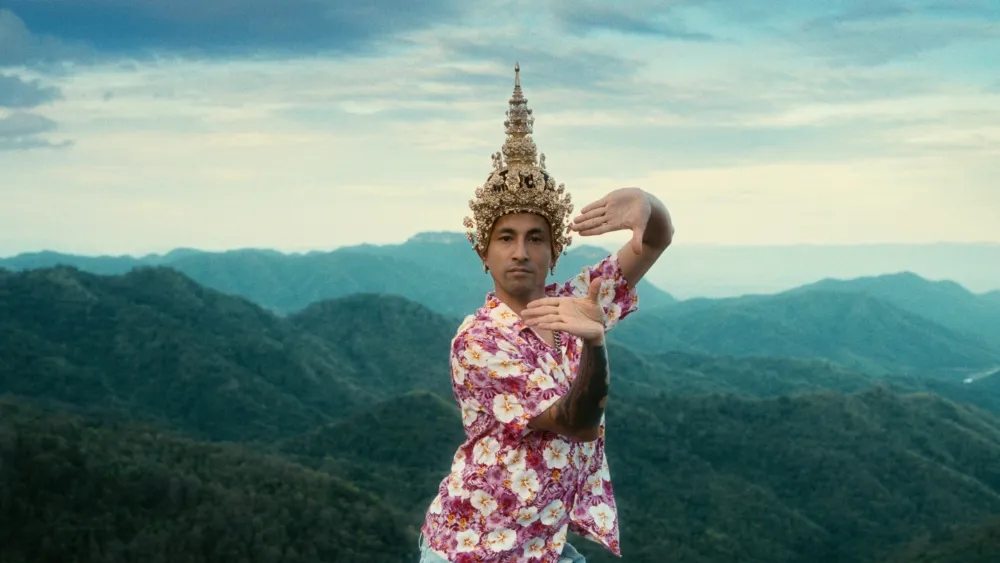
Phittaya Phaefuang (Sun) (Thailand): Infusing Tradition with Performance
Completing the trio is Phittaya Phaefuang, known as Sun, an exuberant and artistically joyful Thai performer. Sun brings a unique spiritual and traditional dimension to the ballroom scene, seamlessly blending elements of Thai culture with the contemporary aesthetics of voguing. Often described as a "fey-like energiser bunny," his performances are characterized by an infectious energy and a deep connection to his cultural heritage. Thailand has long been lauded for its apparent tolerance towards LGBTQ+ individuals, particularly in its vibrant entertainment and tourism sectors. However, this perception often masks underlying societal biases and a lack of comprehensive legal rights for its queer population.
Sun’s story beautifully illustrates how ballroom allows for a fusion of diverse influences. He integrates Thai spirituality, traditional dance movements, and aesthetic sensibilities into his voguing, creating a distinct and captivating style that celebrates both his personal identity and his national heritage. This cultural synthesis not only enriches the ballroom scene but also serves as a powerful statement about the adaptability and inclusivity of the art form. Sun’s joyous expression, seen even in intimate moments like his depicted shower scene, highlights the film’s commitment to portraying the raw, unfiltered truth of its subjects’ lives, showcasing their confidence and unapologetic embrace of self.
The Art of Documentary: Style, Intimacy, and Unflinching Honesty
Chan Sze-Wei’s directorial vision for "10s Across the Borders" is as bold and dynamic as the culture it portrays. The film is a "polarising feast for the senses" that is "unapologetically in-your-face," demanding attention and fostering a visceral connection with the audience. Her experimental dance filmmaking background is evident in the dynamic camera work, the use of "smoky, grainy, casual clubby filters," and the seamless integration of raw documentary footage with meticulously choreographed dance sequences. This stylistic choice is not merely aesthetic; it serves to immerse the viewer directly into the vibrant, often chaotic, yet deeply authentic atmosphere of the underground queer art scene.
The documentary’s "almost invasive" investigation into the lives of its protagonists – including candid moments like Sun showering – is a deliberate choice to foster an unparalleled level of intimacy and truth. This unflinching honesty allows the audience to witness not just the performative glamour but also the vulnerabilities, struggles, and quiet moments of reflection that define these individuals’ lives. The film masterfully flits between moments of triumph, joy, sentimentality, and sheer honesty, creating a fluid and sweetly relatable narrative that transcends cultural specificities. Despite its lean 90-minute runtime, the seven years of filming allow for a narrative depth that makes every scene impactful, ensuring the audience feels a genuine connection to the subjects. It is a testament to the meticulous editing and storytelling that such a comprehensive and emotionally resonant portrayal can be achieved within a concise format.
Cinemasia: A Crucial Platform for Asian Voices in Europe
The selection of "10s Across the Borders" for screening at Cinemasia is particularly significant. Cinemasia, based in Amsterdam, is Europe’s largest Asian film festival, dedicated to showcasing the diverse cinematic landscape of Asia and fostering cultural understanding between East and West. The festival provides a vital platform for Asian filmmakers to reach broader audiences, promoting dialogue on social, cultural, and political issues relevant to the Asian diaspora and beyond.
For a film like "10s Across the Borders," Cinemasia offers an ideal stage. It allows a nuanced story about Southeast Asian queer culture to be presented to a European audience, challenging stereotypes and promoting a deeper appreciation for the region’s artistic and social complexities. Festival Director Weng Cheong has often highlighted Cinemasia’s commitment to presenting films that are not only artistically compelling but also socially relevant, stating, "We aim to bring stories that resonate globally, fostering empathy and bridging cultural divides. ’10s Across the Borders’ perfectly encapsulates this mission, offering a powerful narrative of identity and resilience from a region often underrepresented in mainstream cinema." The festival’s programming reflects a growing recognition of the importance of LGBTQ+ narratives and the universal human desire for acceptance and belonging, making Chan Sze-Wei’s film a timely and essential addition.
Broader Implications: Defying Borders, Fostering Understanding
"10s Across the Borders" is far more than just an entertaining documentary; it is a profound societal thought piece and an exposé of a less understood aspect of nightlife and club culture. Its core message revolves around the universal longing to be seen, heard, and understood – a desire that resonates deeply within the queer community, particularly in regions where visibility is often met with prejudice. The film successfully frames these queer individuals and their art in an accessible and enjoyable portrayal, allowing audiences from diverse backgrounds to connect with their experiences and struggles.
The implications of this film extend beyond the cinematic experience. By showcasing the vibrant resilience of ballroom culture in Southeast Asia, it actively challenges prevailing stereotypes about queer communities in the region. It highlights that despite varying legal and social landscapes, individuals are creating powerful, self-sustaining communities that offer safety, creative expression, and a sense of belonging. The film acts as a cultural bridge, educating viewers about the challenges faced by LGBTQ+ individuals while simultaneously celebrating their strength, artistry, and unwavering spirit. It underscores the idea that art, in its purest form, can defy any border – be it geographic, social, or personal – offering a powerful medium for advocacy, understanding, and change.
Moreover, the documentary contributes to the growing global dialogue on LGBTQ+ rights and visibility. It demonstrates that the pursuit of identity and self-acceptance is a universal human experience, regardless of cultural context. By humanizing the lives of Teddy, Xyza, and Sun, the film fosters empathy and encourages a deeper understanding of alternative lifestyles, promoting tolerance and respect. It stands as a testament to the power of documentary filmmaking to not only entertain but also to inform, provoke thought, and inspire social progress.
In conclusion, "10s Across the Borders" is an entertaining, interesting, and ultimately vital film. It is an essential viewing for anyone seeking an introduction to queer art, alternative lifestyles, and the remarkable resilience of communities striving for recognition and acceptance. Chan Sze-Wei’s meticulous direction, combined with the raw honesty of her subjects, creates a powerful narrative that celebrates individuality, challenges societal norms, and affirms the enduring human spirit in the face of adversity. Its screening at Cinemasia ensures that this crucial story reaches a global audience, reinforcing the universal message that every individual deserves to shine and be celebrated for their unique superpower.