The 2024 edition of Visions du Réel (VdR) in Nyon, Switzerland, unfurled as a vibrant testament to the expansive and challenging landscape of contemporary creative nonfiction cinema, deeply marked by the imminent departure of Artistic Director Emilie Bujès. Her final curated festival left an indelible impression, pushing the boundaries of documentary storytelling and reinforcing VdR’s increasingly international stature in the global film circuit. From crisp powder blue shirting to the shock of red wool, Bujès was a ubiquitous and engaging presence, whether gracing the stage at Place du Réel, warmly greeting industry peers, or sharing a moment of camaraderie with her staff at a karaoke mic.
Just two weeks prior to the festival’s opening, Bujès announced her transition to the Geneva International Film Festival, effective August. Her tenure at VdR has been characterized by a profound commitment to diversifying cinematic voices and forms, a vision that resonated powerfully throughout this year’s program. This edition felt more globally interconnected than ever, delving into the multifaceted "global languages of nonfiction" and offering a crucial platform for narratives that challenge conventional perspectives and explore urgent contemporary issues.
Emilie Bujès’ Enduring Legacy and the Festival’s Evolution
Emilie Bujès assumed the artistic directorship of Visions du Réel in 2017, inheriting a festival already renowned for its commitment to independent, auteur-driven documentary cinema. Over her seven-year tenure, she meticulously cultivated a program that championed formal innovation, diverse geographical representation, and a critical engagement with pressing global concerns. Her vision transformed VdR into a more outward-looking and internationally resonant event, moving beyond traditional documentary definitions to embrace a wider spectrum of creative nonfiction. This strategic shift has not only broadened the festival’s appeal but also solidified its reputation as a crucial launchpad for challenging and artistically ambitious films.
The decision to join the Geneva International Film Festival marks a new chapter for Bujès and will undoubtedly bring a new direction for VdR. However, the influence of her programming philosophy – characterized by a keen eye for emerging talent, a fearless approach to politically charged subjects, and an emphasis on the experiential power of cinema – will continue to shape the festival’s identity for years to come. Her final edition served as a powerful culmination of this legacy, showcasing a curated selection that was both timely and timeless, deeply personal and universally resonant. The festival’s ability to attract both established names and emerging voices, while maintaining a strong artistic core, is a direct reflection of her impact.
A World in Flux: Geopolitics, Borders, and Human Resilience
The pervasive shadow of global conflicts and their human toll was a central, unavoidable theme at VdR 2024. The festival became a poignant microcosm of a world in distress, with many attendees sharing deeply personal experiences related to ongoing international crises. Jurors found themselves stranded amidst geopolitical turmoil, filmmakers grappled with ensuring the safety of their teams in conflict zones like Gaza, and freelancers recounted the isolation of family members in Iran facing internet blockades. Despite these profound challenges, the act of screening and watching films became a powerful assertion of resilience and a shared commitment to storytelling.
Several films directly engaged with the ongoing humanitarian crisis in Gaza. Poh Si Teng’s American Doctor, which premiered at Sundance, and Palestinian artist-filmmaker Shadi Habib Allah’s bracing short Muddy Currents offered unflinching perspectives on the complexities and human costs of the conflict. These films, through their stark honesty, brought the urgency of these distant realities into sharp focus for the Nyon audience.
Another standout in this thematic vein was Faezeh Nikoozad’s In Between, a Place. This prescient and emotionally rich feature explored the evolving contours of a lifelong friendship between three Iranian filmmakers, now dispersed across the globe due to conflict and repression. The film served as a powerful meditation on how geography and formalized borders not only dictate physical movement but also shape individual and collective experiences, memories, and identities. It highlighted the profound impact of displacement and the enduring bonds that transcend geographical divides, offering a human-scale perspective on macro-political events.
Architectures of Society: Space, Home, and Economic Transformation
Beyond geopolitical landscapes, VdR 2024 also delved into the intricate relationship between people and the spaces they inhabit, examining how economic forces and historical narratives shape our homes and communities. Tiziano Locci and Tito Puglielli’s The Building Site, a recipient of the Special Youth Jury Award, offered a compelling journey through a decaying palazzo in Palermo, Italy. This medium-length film, a format that VdR consistently champions and excels in programming, depicted the poignant decline and eventual rebirth of a home to many distinctive Palermo locals.
The film meticulously portrayed the insidious erosion of affordable housing and its rich histories by the relentless march of tourism and its capitalist demands. As tenants reluctantly prepared to vacate and prospective investors circled, the building itself seemed to resist, sofas stubbornly fighting narrow apertures to remain in situ, and darkened, winding stairwells withholding the promise of the interiors within. This visual narrative eloquently conveyed skepticism about the area’s future financial potential, making a powerful statement about gentrification and the commodification of culture. The Building Site served as a microcosm of broader trends observed in historic European cities, where local character is often sacrificed at the altar of global tourism.
Complementing this exploration of physical space and memory was Hassen Ferhani’s Alea Jacarandas. Textural in its form, the film was a verdant and moving exploration of interpersonal relationships through space and time, with memories evoked and clustered around Algiers’ iconic jacaranda trees. Whether or not audiences were familiar with the specific flora, the film invited introspection, prompting viewers to reflect on their own personal language of symbology as they drifted through the world afterward, colored by the tenderness of the father-son dynamic at the film’s core. It underscored how specific natural elements can become powerful anchors for collective and individual memory, transcending geographical boundaries through universal emotional resonance.
Environmental Narratives and Human Impact: A Call to Consciousness
The urgency of the environmental crisis and humanity’s often-futile battle against its consequences also found a prominent place in the festival’s programming. Nikolaus Geyrhalter’s Melt captivated audiences, not least with its numerous scenes of penguins, but more significantly with its haunting portrayal of environmental collapse. Set against the backdrop of doctors’ offices physically slipping towards melting borders, vast images of ice-workers battling the futility of an increasingly volatile nature, and the jarring spectacle of hedonistic party-skiers in the Alps, every image in Melt served as a stark reminder that what we witness is already history—landscapes archived prematurely due to human folly. The film masterfully juxtaposed human indifference and struggle against the inexorable forces of climate change, creating a profound sense of urgency and melancholic beauty.

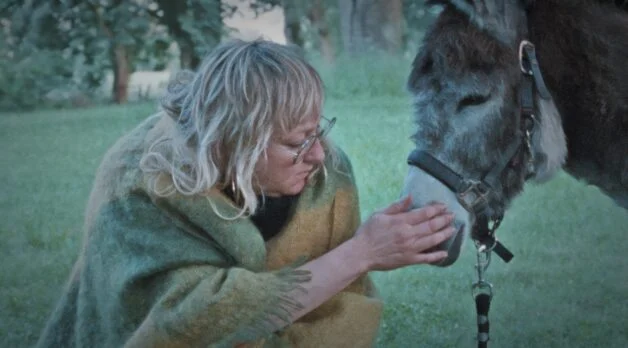
Further exploring the intricate relationship between humanity and its environment was G. Anthony Svatek’s Humboldt, USA. This world premiere and first feature film was an instant favorite among the selection committee, winning them over within its first minute, as noted by Bujès herself. Described as a rare and experientially potent film about legacy and interconnectedness, Svatek, alongside editor Kaija Siirala (hailed as a major talent), skillfully braided contemporary American life and its relationship to its lived environment through the enduring legacy of 19th-century scientist Alexander von Humboldt. Humboldt, a polymath whose name graces countless institutions, animals, places, and plant species, provided a powerful historical lens through which to examine modern environmentalism.
Through a diverse cast of characters—including a youthful museum educator, East Buffalo community activists, weary herds of bighorn sheep, and AI-optimist Silicon Valley tech enthusiasts—Humboldt, USA crafted a playful narrative poetry. The film meditated on contemporary environmentalism with a beautifully rendered lens, showcasing how historical scientific inquiry continues to inform and resonate with current ecological debates. It highlighted the enduring relevance of foundational scientific thought in understanding our present environmental challenges, offering both intellectual depth and visual artistry.
Intimate Perspectives: Justice, Faith, and Personal Journeys
Visions du Réel also offered deeply intimate and reflective works that explored personal struggles, judicial processes, and the quiet resilience of individuals. Sophie Schrago’s What Comes From Sitting in Silence stationed the Swiss-Indian filmmaker in a corner of the first female Islamic court in Mumbai. From this vantage point, Schrago observed couples and families in distress presenting their arguments, with Judge Khatoon mediating based on interpretations of the Quran. The film initially presented an almost Claire Simon-esque insight into a place through its people, maintaining a certain observational restraint.
However, the dynamic shifted profoundly when the bond between Schrago and Judge Khatoon deepened, breaking open the filmmaker’s almost static lens. Midway through the film, Schrago shared an intimate confession about a past relationship, abruptly reframing her camera’s restraint not merely as a formal necessity but as an act of resilience. This personal revelation recontextualized viewers’ perspectives of the couples who revisited the court for their verdicts, highlighting the universal nature of human vulnerability and the complexities of seeking justice within personal and religious frameworks. The film became a powerful exploration of empathy, judgment, and the courage to share one’s own narrative.
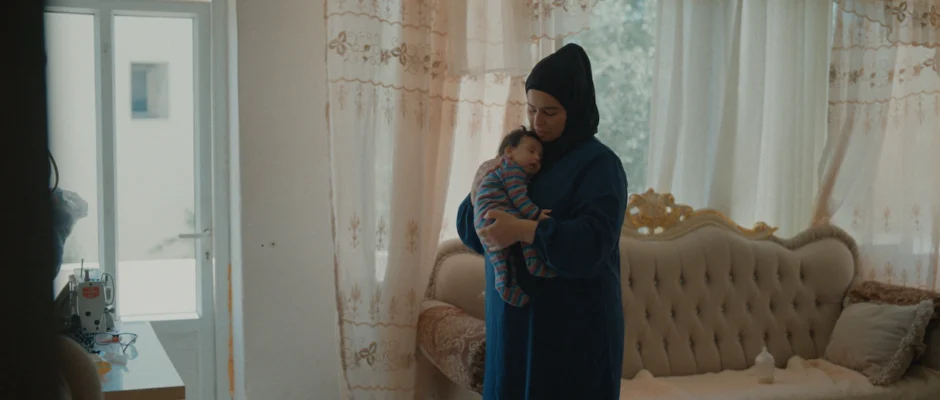
Perhaps one of the most profoundly moving and impactful films was Ömür Boyu’s For Life. This vérité film portrayed Hind, a woman in Palestine attempting to get pregnant under nearly impossible circumstances. At times, the film unfolded like a thriller, with Hind actively fighting against systemic oppression and a "genocidal apparatus" at every turn. Her struggle was a time-based race against insurmountable odds, ranging from closed border crossings and heavy traffic to the unpredictable success of fertility medications. Hind’s desperate race to liberate her husband’s sperm to conceive a child while he was held prisoner in an Israeli jail painted a visceral portrait of humanity and an antidote to films where such raw human experience is often withheld. For Life left audiences at the Theatre de Marens tender and quiet, a testament to its profound emotional resonance and its unflinching depiction of resilience in the face of profound injustice. The film serves as a powerful reminder of the deep personal sacrifices made in the pursuit of life and hope amidst conflict.
The Marketplace and Industry Dynamics: A Shifting European Landscape
Beyond its compelling artistic program, Visions du Réel 2024 reaffirmed its growing significance as an active and attentive marketplace for documentary film. Whispers among attendees suggested that many present would forego the International Documentary Film Festival Amsterdam (IDFA) in the future, hinting at VdR’s shifting status as a leading European documentary market, challenging IDFA’s longstanding reign. This year’s marketplace, meticulously curated by former Chicken & Egg Pictures VP Sabine Fayoux Cantillo, showcased a robust selection of projects.
Highlights from the market included Todd Chandler’s multi-award-winning Trade, an atmospheric insight into the cultural representation of capitalism and human nature, offering a critical look at economic systems through a human lens. Sofie Benoot (director of VdR 2024 selection Apple Cider Vinegar) presented the bewitching, crane-oriented Hello?!, demonstrating innovative approaches to storytelling. Grace Hsia’s To My Dearest, a tender 8mm feature, explored the intersection of fertility, family, and friendship with delicate intimacy. Ljubomir Stefanov’s The Vortex of Extinction garnered particular attention for its audacious interpretation of toxic masculinity through the story of Macedonian turtles—a concept that, while unconventional, proved surprisingly compelling and thought-provoking.
The robust activity and positive sentiment surrounding the VdR marketplace underscore a broader trend in the documentary industry. With state funding in Europe often strengthening the global nonfiction landscape, many European festivals are able to foster an environment of creative ambition and financial support that contrasts sharply with the "contracting budgets" frequently cited in the US. This discrepancy was not lost on several American industry attendees, who, upon arriving in Nyon and observing the breadth of talent and the quality of films produced on significantly smaller budgets, questioned the prevailing industry paradigms back home.
The Nyon Experience: A Utopic Festival Ecosystem
The physical setting of Visions du Réel in Nyon significantly contributes to its unique appeal. The town, nestled overlooking Lake Geneva with its iconic castle, creates an almost utopian atmosphere despite the practicalities, such as meal costs rarely dipping below 22 CHF (approximately $27 USD). The close proximity of venues, often less than a ten-minute walk from one another, fosters a sense of community and ease of navigation that many larger festivals struggle to achieve. This compact setup allows festivalgoers to immerse themselves fully in the cinematic experience without the logistical headaches often associated with sprawling urban festivals.
Nyon also offers vital spaces for reflection, a crucial element for engaging with the formally and emotionally challenging works often showcased at VdR. Whether at the central bar/café where industry badges could be temporarily forgotten, or in myriad enclaves throughout the small town, attendees could retreat to sit with a film after its screening, processing its impact in a way often taken for granted elsewhere. This deliberate cultivation of space for contemplation enhances the overall festival experience, allowing the profound narratives to truly resonate.
Broader Implications for Documentary Cinema: Pushing Against the Algorithm
Visions du Réel, even as it expands its reach and attracts bigger names—this year including guests like Laura Poitras and John Wilson—maintains a profound commitment to audience curiosity for the more obscure, the formally innovative, and the narratively challenging. This creative ethos is deeply nourishing, serving as a powerful counter-narrative to complaints of a "dying documentary industry" and shrinking budgets in the US.
The festival’s programming presents a parallel reality, one where enviable state funding empowers the global nonfiction landscape and champions the value of pushing back against algorithmic audience impulses. In an era increasingly dominated by data-driven content creation and audience segmentation, VdR stands as a beacon for artistic freedom and intellectual adventurousness. The comfort derived from the "curiosity integral to Visions du Réel" is palpable. Rather than the customary shrug and sigh that often accompanies the end of many US festivals, attendees leave Nyon hungry for more, inspired by the depth, diversity, and artistic courage on display. Visions du Réel continues to solidify its position not just as a festival, but as a vital institution shaping the future discourse and aesthetics of documentary cinema worldwide.