The television landscape has seen a significant expansion of the biographical drama genre, a trend further solidified by the release of Love Story, an American biographical romantic-drama anthology series. Created by Connor Hines and executive produced by a high-profile team including Ryan Murphy, Nina Jacobson, Brad Simpson, D.V. DeVincentis, and Kim Rosenstock, the series serves as the fifth installment in the expansive American Story media franchise. Following the success of American Horror Story, American Crime Story, American Reality Story, and American Sports Story, this latest iteration shifts its focus toward the complexities of high-profile romantic relationships that have shaped American cultural history. The inaugural season, subtitled John F. Kennedy Jr. & Carolyn Bessette, premiered on FX and was simultaneously made available for streaming on FX on Hulu during the February-March window of the current year.
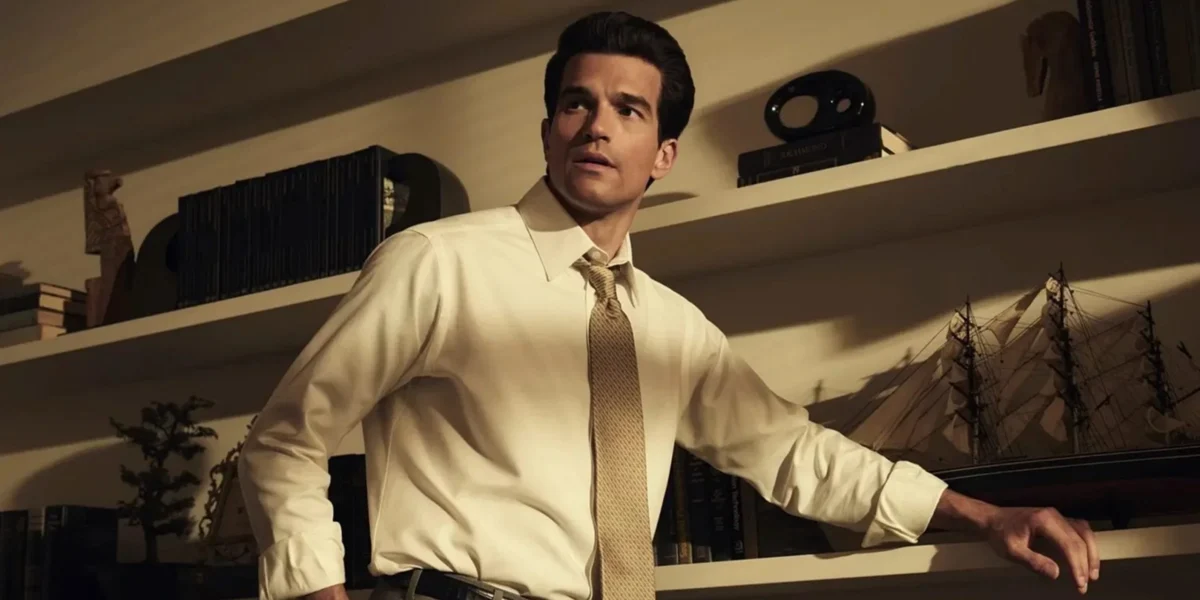
The narrative arc of the first season meticulously charts the whirlwind courtship, private struggles, and public marriage of John F. Kennedy Jr., the son of the 35th U.S. President, and Carolyn Bessette-Kennedy, a fashion publicist for Calvin Klein. The series aims to provide a humanizing lens through which to view a couple often reduced to tabloid headlines and paparazzi photographs during the 1990s. Central to the show’s critical reception have been the performances of Paul Anthony Kelly and Sarah Pidgeon, who portray the titular couple. Their work has been noted for capturing the specific mannerisms and the intense psychological pressure inherent in the lives of individuals living under constant media scrutiny.
The Evolution of the American Story Franchise
The American Story franchise has become a cornerstone of modern cable and streaming television, characterized by its anthology format and its exploration of various facets of the American experience. Since the debut of American Horror Story in 2011, the franchise has consistently utilized a recurring stable of creators and a distinct aesthetic style to explore themes of fear, justice, and celebrity.
Love Story marks a pivot toward the "romantic-drama" sector, moving away from the procedural nature of American Crime Story or the athletic focus of American Sports Story. This shift reflects a broader industry trend toward "prestige" biographical content that blends historical fact with dramatized interpersonal dynamics. By placing Love Story under the executive guidance of Ryan Murphy and his long-time collaborators, FX has signaled a commitment to high production values and a narrative style that emphasizes the intersection of personal tragedy and national identity.
Historical Context: The Kennedy-Bessette Relationship
To understand the stakes of the television series, it is necessary to examine the historical timeline of the real-life figures. John F. Kennedy Jr. was, for much of his life, considered "America’s Prince," a figure of immense public fascination from the moment he was photographed as a toddler saluting his father’s casket in 1963. By the 1990s, his launch of George magazine and his status as a cultural icon made his private life a subject of intense speculation.
Carolyn Bessette entered the public consciousness in the mid-1990s. A former model and fashion executive, she was known for her minimalist style and her desire for privacy—a desire that stood in direct conflict with the Kennedy family’s public-facing legacy. The timeline of their relationship, as depicted in the series, includes:
- 1994: The beginning of their courtship, largely kept away from the public eye.
- 1996: Their secret wedding on Cumberland Island, Georgia, which remains one of the most famous private ceremonies in modern history.
- 1997–1999: A period of intense media harassment, internal marital strain, and the challenges of maintaining a private life in New York City.
- July 16, 1999: The tragic plane crash off the coast of Martha’s Vineyard that claimed the lives of John, Carolyn, and her sister, Lauren Bessette.
The series utilizes this chronology to build a narrative that explores the weight of expectations and the difficulty of forging an independent identity within a political dynasty.
Casting and Performance Analysis
The success of biographical dramas often hinges on the ability of the lead actors to transcend mere impersonation. Paul Anthony Kelly’s portrayal of JFK Jr. has been highlighted by critics for its depth, moving beyond the physical resemblance to explore the internal conflicts of a man born into a legacy he did not choose. In recent discussions regarding his preparation for the role, Kelly noted the importance of understanding the "private John" versus the "public John," a dichotomy that defines much of the season’s tension.
Sarah Pidgeon’s performance as Carolyn Bessette-Kennedy has similarly been praised for its sensitivity. Bessette-Kennedy left behind very little recorded audio or video, making the task of portraying her particularly challenging. Pidgeon’s performance relies on physical language and a nuanced depiction of the psychological toll of being "hunted" by the paparazzi, a recurring theme in the series that resonates with contemporary discussions regarding media ethics and the right to privacy.

Production Data and Industry Impact
The production of Love Story involved significant research and a commitment to period accuracy. The 1990s setting required meticulous costume design—particularly for the character of Carolyn, whose fashion choices continue to influence trends decades later—and set design that captured the specific atmosphere of Manhattan in that era.
While specific viewership numbers for streaming platforms are often guarded, industry analysts point to the "FX on Hulu" partnership as a primary driver for the show’s reach. Data from third-party analytics firms suggests that biographical anthologies within the Murphy-produced universe consistently rank in the top tier of engagement for the platform. The "American Story" brand carries a built-in audience, and the choice of the Kennedy-Bessette story tapped into a multi-generational interest in the Kennedy family.
The series also benefited from a strategic release window. By airing in the February-March period, it avoided the crowded fall television season while positioning itself as a contender for upcoming awards cycles. The critical consensus, as aggregated by major review platforms, indicates that the show successfully balanced the sensational aspects of the couple’s lives with a respectful treatment of their ultimate tragedy.
Official Responses and Creative Vision
Showrunner Connor Hines and executive producer Ryan Murphy have stated in various press releases that the goal of Love Story was not to engage in tabloid sensationalism but to explore the concept of "doomed love" within a specific American framework. In an industry environment where audiences are increasingly skeptical of "true life" dramatizations, the creators emphasized their reliance on historical records and personal accounts to ground the series.
The creative team also addressed the challenges of dramatizing the lives of individuals whose families are still active in public life. While the Kennedy family has historically maintained a distance from such dramatizations, the production focused on the universal themes of love, pressure, and the search for normalcy, which allowed the narrative to transcend the specificities of political gossip.
Broader Implications and Cultural Legacy
The release of Love Story: John F. Kennedy Jr. & Carolyn Bessette reflects a broader cultural obsession with the 1990s and the specific brand of celebrity that existed prior to the social media era. The series serves as a case study in how modern media reconciles the public’s "right to know" with the human cost of that knowledge.
Furthermore, the series reinforces the dominance of the anthology format in contemporary television. By focusing on a single story per season, creators are able to attract high-caliber talent who might be unwilling to commit to a multi-year series. This "limited series" model has proven highly effective for FX, allowing for a high level of narrative focus and production quality.
As Love Story continues to stream on Hulu, its impact is seen in the renewed interest in the lives of its subjects. Bibliographies and documentaries regarding JFK Jr. and Carolyn Bessette have seen a secondary surge in interest, demonstrating the power of scripted television to drive historical curiosity. The series stands as a significant addition to the American Story franchise, offering a contemplative and stylistically rich examination of one of the most storied romances in American history.
Conclusion and Availability
The first installment of Love Story successfully navigates the complex intersection of biography and drama. Through the performances of Paul Anthony Kelly and Sarah Pidgeon, and the creative direction of Connor Hines and Ryan Murphy, the series provides a comprehensive look at the lives of John F. Kennedy Jr. and Carolyn Bessette-Kennedy. It remains a focal point for discussions on celebrity culture, the burdens of legacy, and the evolution of the television anthology.
For viewers interested in the intersection of American history and personal drama, the series is currently available in its entirety for streaming on Hulu. The Next Best Picture Podcast, part of the Evergreen Podcasts Network, continues to offer in-depth interviews and analysis of the series, including the featured conversation with Paul Anthony Kelly regarding his process in bringing an American icon to life on the screen.