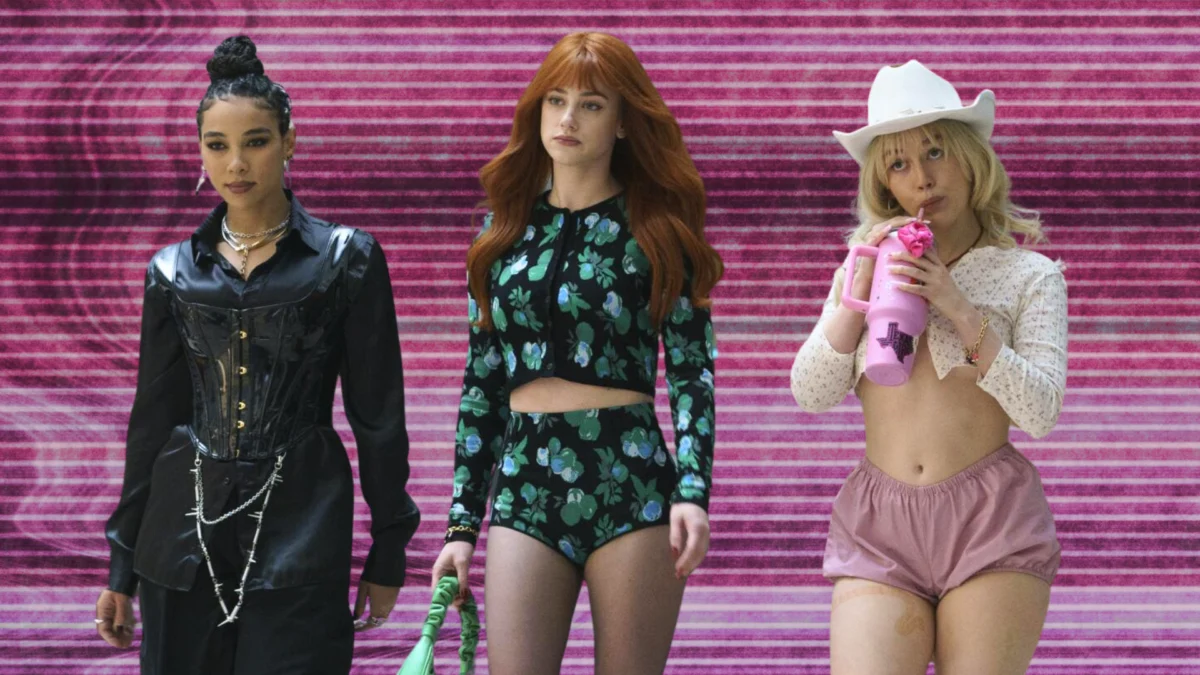
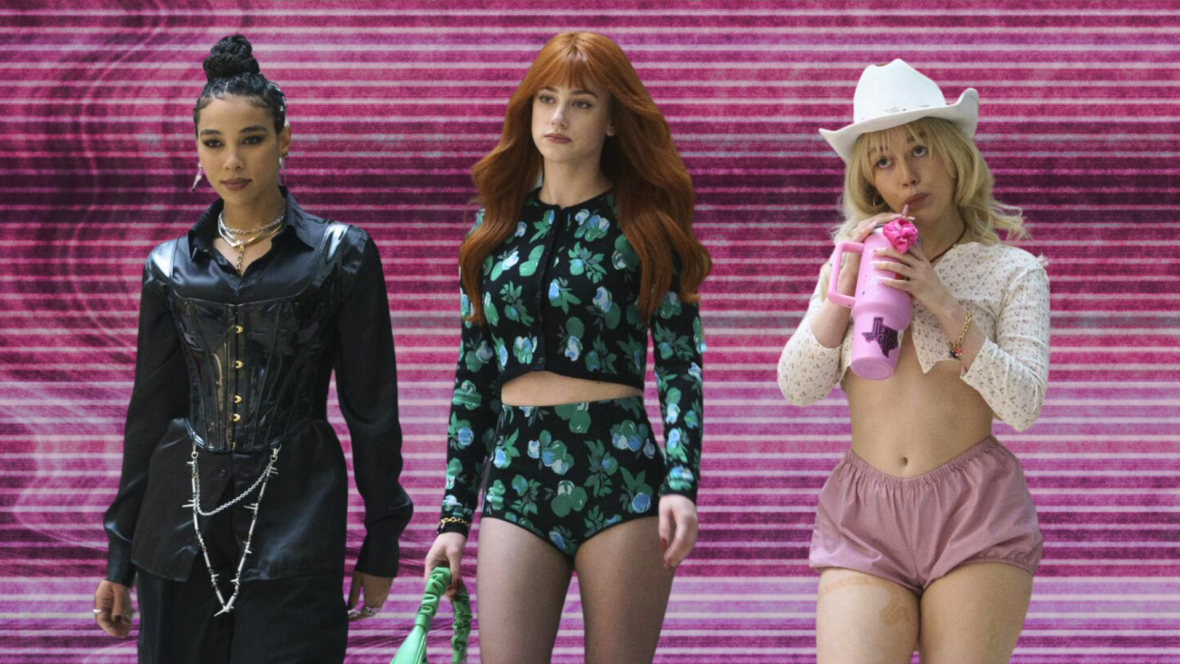
The burgeoning horror landscape has welcomed a new darling with the arrival of "Forbidden Fruits," a film already garnering significant cult following. Directed by Meredith Alloway, this witchy slasher centers on Pumpkin (Lola Tung), an unassuming pretzel-bite slinger who finds herself drawn into the enigmatic and exclusive inner circle of Apple (Lili Reinhart), Fig (Alexandra Shipp), and Cherry (Victoria Pedretti). The allure of their collective power and the supernatural mystique they exude within the confines of a seemingly ordinary mall has captivated audiences, sparking discussions about a distinct subgenre: "pink horror." This article will explore the foundational elements of "Forbidden Fruits," its visual identity, and its thematic resonance with a lineage of films that explore female anxieties and social pressures through the lens of horror.
The Genesis of "Forbidden Fruits" and Its Aesthetic Appeal
From its initial promotional materials, "Forbidden Fruits" established a potent visual identity. The tongue-in-cheek posters and the striking fashion choices of the central characters immediately signaled a film that was not afraid to embrace a campy yet fiercely stylish aesthetic. This deliberate visual strategy, described as evoking a blend of Taylor Swift’s "Eras Tour" and the bohemian chic of brands like Free People and Altar’d State, serves as a crucial narrative device. The boutique "Free Eden," the film’s focal point, becomes a microcosm of societal pressures and aspirational desires, amplified by its fantastical presentation. This meticulous attention to costume and set design, which mirrors the vibrant yet often superficial world of American mall culture, enhances the film’s exploration of its central themes.
The film’s narrative unfolds through a series of darkly comedic and unsettling events. The juxtaposition of occult rituals, such as seance scenes occurring amidst intimate dressing room encounters, with more conventional adolescent drama creates a unique tonal balance. The graphic elements, described as "blood-letting among glitter pens, sequins, and lace," further cement this blend of the macabre and the mundane. This is precisely where the concept of "pink horror" finds its footing. The term, primarily associated with literature, describes works that utilize horror tropes to address the social pressures and expectations placed upon women. "Forbidden Fruits" embodies this by weaving these anxieties into its supernatural narrative, offering a commentary on female friendships, power dynamics, and the often-unseen struggles within seemingly idyllic social circles.
Tracing the Roots of "Pink Horror": Key Cinematic Precedents
The resonance of "Forbidden Fruits" within the "pink horror" framework can be understood by examining its cinematic predecessors, films that have similarly blended feminine aesthetics with psychological and supernatural terror. These films, while diverse in their specific narratives and directorial styles, share a common thread: the exploration of female identity, societal expectations, and the internal and external conflicts that arise from navigating these pressures.
The Love Witch (2016)
A seminal work in contemporary "pink horror," Anna Biller’s "The Love Witch" is a vital touchstone. The film follows Elaine (Samantha Robinson), a modern-day witch who uses magic and manipulation to find love, often with disastrous consequences. "The Love Witch" is a masterclass in aesthetic cohesion, employing vibrant colors, particularly an abundance of pink, to create a surreal and intoxicating atmosphere. The film’s visual language, from Elaine’s meticulously crafted outfits to the lush, retro-inspired set design, directly contributes to its thematic exploration of female desire, societal expectations of romance, and the dangerous allure of magical solutions to patriarchal constraints. Elaine’s journey, characterized by a constant struggle between embracing her witchy power and succumbing to conventional romantic obsessions, mirrors the internal conflicts faced by characters in "Forbidden Fruits." The film’s exploration of female agency and its subversion of traditional romantic narratives make it a clear antecedent.
Jennifer’s Body (2009)
Karyn Kusama’s "Jennifer’s Body," penned by Diablo Cody, is another cornerstone of the "pink horror" canon. The film, which has seen a significant resurgence in critical appreciation, tells the story of Jennifer Check (Megan Fox), a high school cheerleader who becomes a succubus after a satanic ritual gone wrong, preying on her male classmates. The film’s visual palette is rich with pinks and reds, from Jennifer’s iconic track jacket to the salmon-hued walls of her bedroom. "Jennifer’s Body" directly addresses themes of female friendship, revenge, and the objectification of young women. Jennifer’s transformation into a monstrous entity can be interpreted as a visceral manifestation of the pressures and expectations placed upon teenage girls in a hyper-sexualized society. The film’s exploration of female rage and its unapologetic embrace of a stylized, often campy, horror sensibility align it closely with the spirit of "Forbidden Fruits." The fact that Diablo Cody also produced "Forbidden Fruits" creates a direct lineage and highlights a shared thematic and aesthetic sensibility.
Black Swan (2010)
Darren Aronofsky’s psychological thriller "Black Swan" offers a more intense and disturbing exploration of female ambition and the psychological toll it can exact. The film chronicles Nina Sayers (Natalie Portman), a dedicated ballet dancer who descends into madness as she vies for the lead role in Swan Lake. "Black Swan" masterfully uses visual cues to convey Nina’s deteriorating mental state, with the color pink often appearing in unsettling ways, such as the overly saccharine grapefruit Nina consumes as part of her restrictive diet. This scene, where Nina observes the pink fruit with a disturbing sense of beauty, encapsulates the film’s commentary on the unhealthy obsessions and self-destructive tendencies that can arise from intense pressure, particularly within performance-driven industries. The film’s depiction of the female psyche unraveling under duress, a common thread in "pink horror," makes it a significant contribution to the genre’s thematic development. The enduring popularity of "Black Swan"-themed content on social media platforms underscores its lasting impact on discussions around female anxiety and artistic pressure.
The Substance (2024)
Coralie Fargeat’s visceral and darkly satirical film "The Substance" directly confronts the relentless societal obsession with youth and beauty, particularly for women in the entertainment industry. The film follows Sue (Demi Moore), an aging actress who undergoes a radical procedure to create a younger, idealized version of herself, which she must then alternate with. "The Substance" is replete with explicit pink imagery, from Sue’s enhanced lips to the viscous, diluted blood that becomes a recurring visual motif. The film’s most striking visual element is arguably the cut-out, glittery latex bodysuit worn by Sue, a piece of clothing that embodies the artificiality and performative nature of beauty standards. The discomfort many viewers experience when observing Sue’s bodily transformations is a deliberate artistic choice, designed to highlight the horrifying reality of these societal pressures. Like "Forbidden Fruits," "The Substance" interrogates the concept of "girlbossing" and the potentially destructive consequences of trying to conform to an unattainable ideal.
Bodies Bodies Bodies (2022)
Halina Reijn’s "Bodies Bodies Bodies" offers a contemporary take on "pink horror" through the lens of a murder-mystery party game gone awry. The film centers on a group of wealthy, privileged young adults who gather for a hurricane party, only for their playful whodunit to turn deadly. The film’s atmosphere is a potent mix of superficiality and underlying tension, evoked by sensory details such as "rainwater and white liquor," "dirty chlorine," and "sweat and that faint powdery scent all drugstore makeup has." The pervasive presence of pink, from Pete Davidson’s character’s hoodie to the film’s exploration of toxic queer relationships and the inherent cattiness that escalates into violence, solidifies its place within the "pink horror" subgenre. The film’s commentary on generational divides, social media culture, and the performative nature of relationships, all amplified by a slasher scenario, echoes the anxieties explored in "Forbidden Fruits" and other films in this category. The notion of a slumber party escalating into lethal conflict is a classic "pink horror" trope, tapping into anxieties surrounding female social dynamics.
The Broader Impact and Future of "Pink Horror"
The emergence and growing popularity of films like "Forbidden Fruits" suggest a significant cultural moment where audiences are increasingly drawn to narratives that explore female experiences through the often-unsettling lens of horror. "Pink horror" is not merely about aesthetics; it represents a growing demand for stories that acknowledge and dissect the unique pressures, anxieties, and power dynamics that women navigate. These films often subvert traditional horror tropes by centering female protagonists and exploring themes of solidarity, betrayal, and the terrifying consequences of societal expectations.
The success of "Forbidden Fruits" and its thematic kinship with established films like "The Love Witch," "Jennifer’s Body," "Black Swan," "The Substance," and "Bodies Bodies Bodies" indicates a sustained interest in this subgenre. The ability of these films to blend striking visual design with incisive social commentary ensures their longevity and influence. As filmmakers continue to explore these themes, the "pink horror" landscape is likely to expand, offering a diverse range of perspectives on the female experience within the thrilling and often cathartic world of horror cinema. The cultural conversation around these films highlights a growing recognition of the power of horror to not only entertain but also to reflect and critique the societal structures that shape our lives, particularly for women.