Amazon MGM Studios revealed the ambitious theatrical release date on Friday, confirming that several key figures from the original film are set to reprise their roles. Legendary filmmaker Mel Brooks, who not only directed but also starred as Yogurt and President Skroob in the first installment, is confirmed to return. He will be joined by Rick Moranis, whose return as the villainous Dark Helmet is particularly noteworthy given his semi-retirement from acting. Also returning are Bill Pullman as the heroic Lone Starr, Daphne Zuniga as the spirited Princess Vespa, and George Wyner as the long-suffering Colonel Sandurz. The sequel will also introduce a new generation of comedic talent, with Josh Gad, Keke Palmer, Lewis Pullman (son of original star Bill Pullman), and Anthony Carrigan joining the cast in undisclosed roles.
The Resurgence of a Cult Classic: A Three-Decade Journey to the Screen
The announcement of a Spaceballs sequel has been a topic of speculation and desire among fans for decades. The original 1987 film, a brilliant parody of George Lucas’ Star Wars saga, quickly cemented its place in cinematic history as a comedic masterpiece. Directed by Mel Brooks, Spaceballs cleverly lampooned the tropes, characters, and even the merchandising of the sci-fi epic. Released a decade after Star Wars first debuted, Spaceballs benefited from a cultural landscape already deeply immersed in the mythology of Luke Skywalker and Darth Vader, allowing Brooks to deliver a sharp, irreverent, and endlessly quotable satire.
Despite earning a modest $38.1 million at the box office against a $22 million budget in 1987—a respectable but not blockbuster performance for its time—Spaceballs truly found its audience in the home video market and through cable television, evolving into a bona fide cult classic. Its enduring appeal lies in its timeless humor, memorable characters, and the sheer comedic genius of Mel Brooks, who has a storied history of crafting successful parodies, including Blazing Saddles, Young Frankenstein, and History of the World, Part I. The film’s meticulously crafted jokes, from the iconic "May the Schwartz be with you" to the literal "Spaceballs: The Movie" merchandise, became embedded in popular culture, fostering a fervent fan base that has consistently clamored for a continuation of the story.
Mel Brooks himself has, over the years, periodically teased the possibility of a sequel. In various interviews, he had hinted at ideas, including a potential title like "Spaceballs 2: The Search for More Money" or "Spaceballs 2: The Schwartz Awakens," a clear nod to the more recent Star Wars films. However, logistical challenges, including securing the original cast and navigating the complexities of modern studio production, kept the project in development limbo for many years. The passing of key cast members like John Candy (Barf) and Joan Rivers (Dot Matrix’s voice) further complicated the prospect of a direct continuation. The current announcement, therefore, represents the culmination of a long and often uncertain journey, signaling that the stars have finally aligned for the return of Dark Helmet and Lone Starr.
A New Creative Vision: Blending Legacy with Modern Humor
The sequel is being helmed by Josh Greenbaum, a director known for his comedic touch in films like Barb and Star Go to Vista Del Mar. Greenbaum’s selection suggests a commitment to maintaining the original film’s unique brand of humor while infusing it with a contemporary sensibility. The screenplay is a collaborative effort by Josh Gad, Benji Samit, and Dan Hernandez. Gad, who also serves as a producer and cast member, has been a driving force behind the project, openly expressing his passion for Spaceballs and his excitement for bringing a new chapter to life.
Last summer, Gad offered the first tantalizing hint of the sequel’s progress via an Instagram post. "Just handed in a film script that I think may be the funniest and best thing I’ve ever worked on and I am so freaking excited," Gad captioned the post, crediting Samit and Hernandez for their collaborative efforts, describing the experience as "heaven on Earth and many other planets as well." This post, while not explicitly naming Spaceballs, ignited immediate speculation among fans, which has now been definitively confirmed by Amazon MGM Studios. Gad’s subsequent Instagram post on Friday, confirming the release date with the playful caption, "May the April 23rd, 2027 be with you!!!", further underscored his personal investment and enthusiasm for the project.
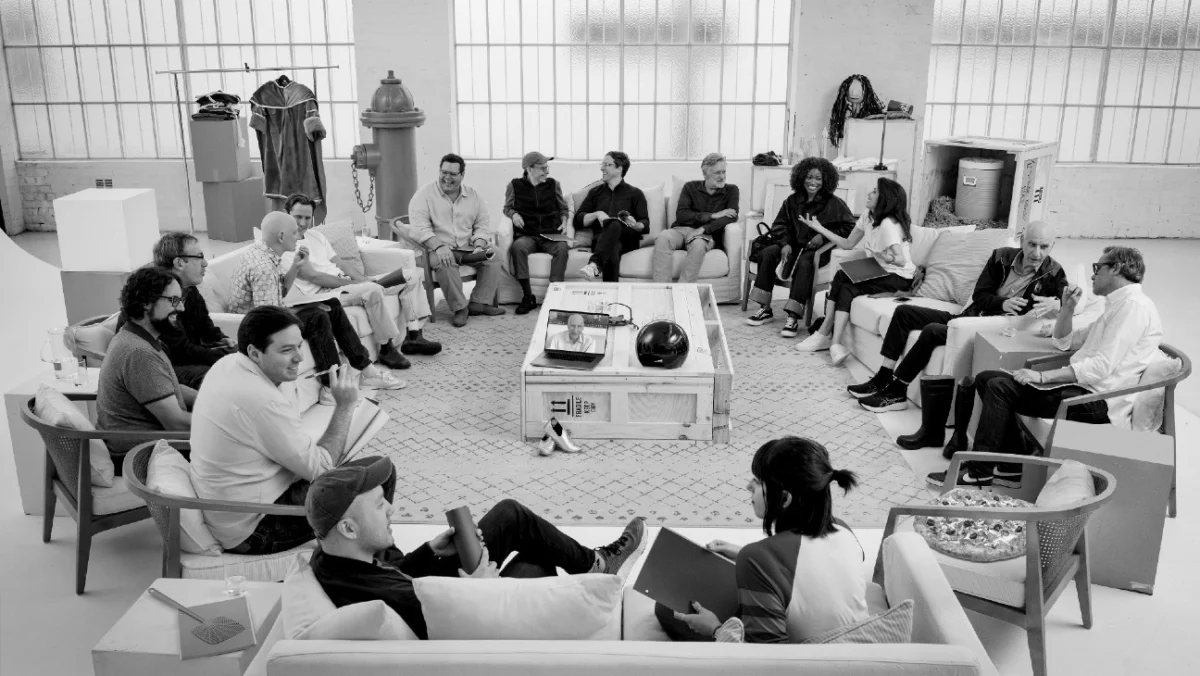
The production team boasts an impressive roster of industry veterans. Brian Grazer and Ron Howard, through their acclaimed Imagine Entertainment banner, are producing alongside Jeb Brody. Their involvement lends significant weight and experience to the project, promising a high-quality production. Josh Gad, Mel Brooks, Josh Greenbaum, and Kevin Salter are also credited as producers, ensuring that the creative vision remains closely aligned with the original’s spirit while embracing innovative storytelling. The recently released image from Amazon MGM, showcasing a table read for "Spaceballs 2," provided a tangible glimpse into the early stages of production, further building anticipation for the film. While plot details and the official title remain under wraps, the combination of established comedic talent and seasoned producers suggests a sequel that is both reverential and fresh.
The Star-Studded Ensemble: Familiar Faces and Fresh Talent

The casting for the Spaceballs sequel is a carefully balanced act of honoring the past and embracing the future. The return of original cast members is undoubtedly a major draw for long-time fans.
- Mel Brooks: His continued involvement, even primarily as a producer and voice actor, is crucial for maintaining the film’s authentic comedic DNA. Brooks’ unique brand of parody, his rapid-fire gags, and his ability to poke fun at sacred cows are what made the original Spaceballs so beloved. His blessing and direct participation assure fans that the sequel will carry his signature humor.
- Rick Moranis: The return of Moranis as Dark Helmet is arguably the biggest casting coup. Moranis largely stepped away from major acting roles in the late 1990s to focus on his family after the death of his wife. His decision to come back for Spaceballs speaks volumes about his connection to the character and the project’s potential. Dark Helmet, with his oversized helmet and petulant demeanor, is one of the most iconic comedic villains in cinema history, and his reprisal is a huge win for the sequel.
- Bill Pullman, Daphne Zuniga, and George Wyner: Their presence provides a vital link to the original film’s narrative and character dynamics. Lone Starr, Princess Vespa, and Colonel Sandurz are integral to the Spaceballs universe, and their return ensures continuity and a comforting sense of familiarity for audiences.
The new additions to the cast promise to inject fresh energy and expand the comedic possibilities:
- Josh Gad: Beyond his writing and producing roles, Gad’s presence in front of the camera is a significant asset. Known for his roles in Frozen, Beauty and the Beast, and various Broadway productions, Gad possesses a versatile comedic range, from physical comedy to witty dialogue. His deep understanding of the source material as a fan will likely inform his performance and the overall tone.
- Keke Palmer: A rising star with a formidable presence in film, television, and music, Palmer brings a vibrant, charismatic energy to any project. Her comedic chops, evident in films like Nope and her talk show appearances, make her an exciting addition to the Spaceballs ensemble.
- Lewis Pullman: The son of Bill Pullman, Lewis has forged his own successful acting career, gaining recognition in films like Top Gun: Maverick and Bad Times at the El Royale. His casting creates an intriguing generational link to the original film, potentially allowing for clever meta-commentary or a passing of the torch narrative element.
- Anthony Carrigan: Known for his distinctive look and scene-stealing performances, particularly as NoHo Hank in Barry, Carrigan has a unique comedic style that blends deadpan delivery with unexpected warmth. His involvement suggests that the sequel will continue to embrace quirky and memorable supporting characters.
The Evolving Landscape of Spoof Films: Challenges and Opportunities
The announcement of a Spaceballs sequel comes at a fascinating time for the spoof genre. While highly successful in the 1980s and 90s with films like Airplane!, Naked Gun, and Scary Movie, the genre has seen a decline in mainstream prominence in recent decades. The challenges are numerous: the rapid pace of internet memes often parodies cultural touchstones more quickly than film productions can; the increased scrutiny over offensive humor; and the sheer cost of securing intellectual property rights for parody.
However, the Spaceballs sequel presents a unique opportunity. Its original target, Star Wars, has continued to expand its universe with new films, television series, and streaming content, providing a rich, ever-evolving tapestry for parody. Furthermore, the modern cinematic landscape is dominated by expansive franchises—superhero universes, fantasy epics, and other sci-fi sagas—all ripe for Brooksian satire. The sequel could extend its parody beyond just Star Wars to encompass the broader trends and tropes of contemporary blockbuster filmmaking and even streaming culture, offering a meta-commentary on Hollywood itself.
The success of recent legacy sequels, such as Top Gun: Maverick and Ghostbusters: Afterlife, demonstrates a powerful audience appetite for revisiting beloved franchises with a blend of nostalgia and fresh storytelling. Spaceballs 2 fits perfectly into this trend, leveraging the emotional connection audiences have with the original while introducing new characters and a new narrative. The film’s success will likely hinge on its ability to strike this delicate balance: honoring the spirit of the original without simply rehashing old jokes, and delivering sharp, relevant humor that resonates with both long-time fans and new viewers.
Implications and Industry Outlook
The decision by Amazon MGM Studios to grant Spaceballs 2 a wide theatrical release rather than a direct-to-streaming debut is a significant indicator of the studio’s confidence in the project’s box office potential. In an era where many comedy films struggle to perform theatrically, a Spaceballs sequel with returning original cast members, particularly Rick Moranis, holds considerable appeal. This move signals Amazon MGM’s strategy to leverage its acquired MGM library, which includes the original Spaceballs, by investing in high-profile theatrical releases for its most valuable intellectual properties.
The 2027 release date positions the film in a competitive landscape, but also allows ample time for production, post-production, and a robust marketing campaign. The long lead time also suggests a meticulous approach to crafting a script and production that lives up to the original’s legacy. Industry analysts will be closely watching how Spaceballs 2 performs, as its success could influence future decisions by studios regarding the revival of other beloved comedic franchises and the balance between theatrical and streaming releases for legacy content.
For fans, the announcement is a cause for immense excitement. The original Spaceballs transcended its parody roots to become a standalone comedic classic. The prospect of Mel Brooks, Rick Moranis, and Bill Pullman returning, joined by a new generation of comedic talent, promises a sequel that could not only recapture the magic of the original but also introduce the unique humor of Spaceballs to an entirely new audience. As the release date approaches, anticipation will undoubtedly build, with audiences eagerly awaiting further details on the plot, official title, and, of course, more glimpses of the Schwartz in action.