Yoshihisa Kishimoto, the celebrated game director and designer renowned for his seminal contributions to the beat-’em-up genre through the creation of the Kunio-kun and Double Dragon series, passed away on April 2, 2026. He was 64 years old. The somber news was confirmed by his son via the Kunio-kun franchise’s official X/Twitter account on Sunday, April 6. A private funeral service for family members is scheduled for Tuesday, April 8.
Kishimoto’s enduring legacy in the video game industry is marked by his innovative approach to gameplay mechanics and his ability to craft memorable characters and worlds that have resonated with players for decades. His work has not only defined a generation of arcade and console gaming but has also influenced countless game developers worldwide.
A Career Forged in the Arcade Era
Kishimoto’s professional journey in game development began in the 1980s at Data East, a company known for its pioneering work in the arcade and home console markets. During his tenure, he was instrumental in directing early, groundbreaking titles such as Cobra Command and Road Blaster. These games showcased his early aptitude for interactive entertainment, often featuring innovative graphical techniques and engaging gameplay for their time. Cobra Command, for instance, was an early example of full-motion video (FMV) in games, offering players a cinematic experience. Road Blaster further pushed boundaries with its rail shooter mechanics, immersing players in high-speed vehicular combat.
It was at Technos Japan Corp, however, that Kishimoto truly cemented his place in gaming history. Joining the company, he spearheaded the development of two franchises that would become cornerstones of the beat-’em-up genre: Kunio-kun and Double Dragon.
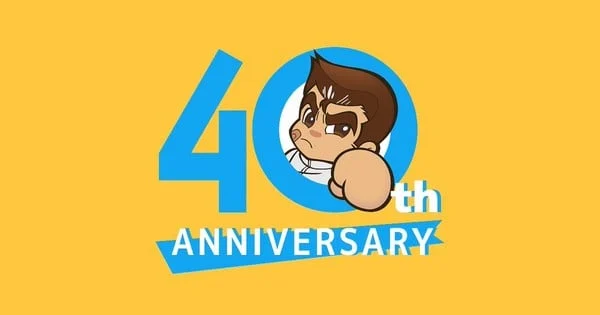
The Kunio-kun series, which debuted in Japan in May 1986, was initially conceived as a sports and fighting game compilation. Its first installment, Nekketsu Kōha Kunio-kun (Hot-Blooded Tough Guy Kunio), released for the Famicom, introduced players to the titular delinquent, Kunio, and his world of schoolyard rivalries and athletic competitions. This game laid the foundation for a vast universe that would expand to include a wide array of sports, including dodgeball, soccer, and ice hockey, all infused with the series’ signature brand of over-the-top action and quirky humor.
Many of these Kunio-kun titles were later localized for Western audiences, often undergoing significant alterations in name, visuals, and narrative to better suit international markets. This led to the creation of beloved Western adaptations such as Renegade, which served as a precursor to Double Dragon, River City Ransom (known as Downtown Nekketsu Monogatari in Japan), a landmark open-world beat-’em-up that allowed for cooperative play and item collection, and Crash ‘n the Boys: Street Challenge. The localized versions introduced a new generation of players to Kishimoto’s unique brand of action-packed entertainment, establishing cult followings in North America and Europe.
The Genesis of Double Dragon
Building upon the success and established mechanics of the Kunio-kun series, Kishimoto and his team at Technos Japan developed Double Dragon. Released in arcades in 1987, Double Dragon is widely credited with popularizing the side-scrolling beat-’em-up genre. Its gritty urban setting, fluid animation, and challenging combat, which included a variety of punches, kicks, and special moves, set a new standard for the genre. The game’s narrative, following brothers Billy and Jimmy Lee as they fight to rescue Billy’s girlfriend Marian from a street gang, was simple yet effective, providing a compelling motivation for players to progress through the game’s increasingly difficult stages.
Double Dragon was a critical and commercial success, spawning numerous sequels and ports to various home consoles, including the Nintendo Entertainment System (NES). The NES version, despite some changes from the arcade original, was also highly influential and introduced the franchise to a massive audience. The series’ impact was so profound that it inspired a generation of developers to create their own beat-’em-up titles, solidifying its status as a foundational pillar of action gaming.
A Freelance Renaissance and Continued Influence
Following his extensive work at Technos Japan, Kishimoto transitioned to a freelance career. Under the pseudonym "Plophet," he not only continued to be involved in game development but also established a business bearing the same name. In this capacity, he served as a consultant for various games, often providing his expertise and creative direction for titles within the franchises he had originally created. This allowed him to remain connected to the Kunio-kun and Double Dragon universes, ensuring their continued development and evolution, albeit often through different development teams and publishers.
The Legacy Continues Under New Ownership
The intellectual property rights for many of Technos Japan’s iconic titles, including the Double Dragon, Super Dodge Ball, River City Ransom, and Kunio-kun games, were acquired by Arc System Works in June 2015. This acquisition signaled a new era for these beloved franchises, with Arc System Works taking on the responsibility of revitalizing and expanding upon the existing legacy. Since then, Arc System Works has released new installments and remakes, such as River City Girls and Double Dragon Gaiden: Rise of the Dragons, demonstrating a commitment to honoring Kishimoto’s original vision while introducing these classic games to contemporary audiences.
The passing of Yoshihisa Kishimoto marks the end of an era for video game design. His creative spirit and groundbreaking work have left an indelible mark on the industry, shaping genres and inspiring countless individuals. The worlds of Kunio-kun and Double Dragon, born from his imagination, will undoubtedly continue to entertain and captivate players for years to come, a testament to his lasting influence and enduring genius. His contributions serve as a vital chapter in the history of interactive entertainment, a legacy that will be remembered and celebrated by gamers and developers alike. The void left by his absence will be deeply felt within the gaming community.