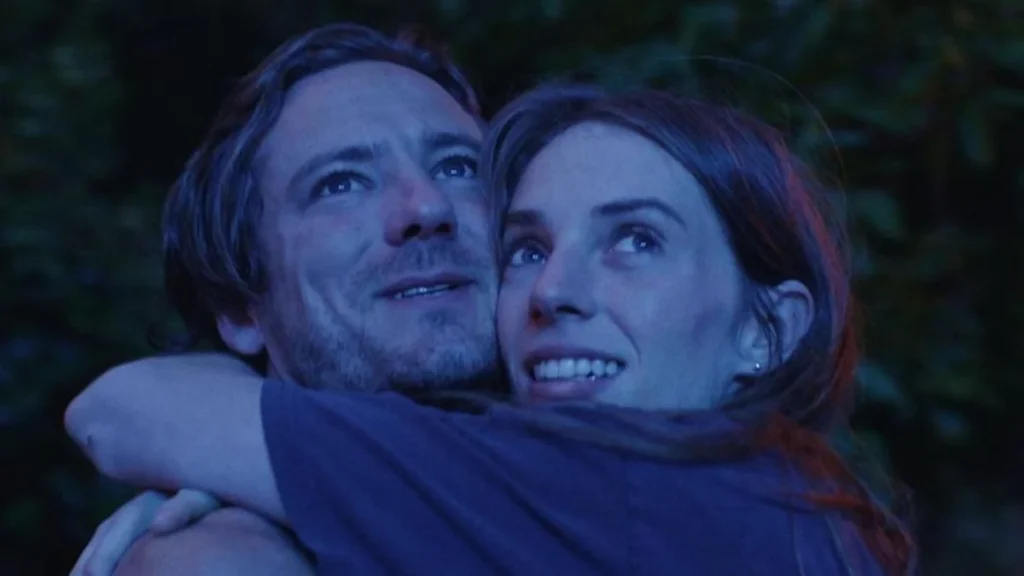
Filmmaker Tyler Cornack, known for his distinctive blend of the absurd and the alarmingly naturalistic, delves into the peculiar mythology of the "Florida Man" with his latest feature, Mermaid, released on April 8 via Utopia. This film, following his surreal 2019 debut Butt Boy, offers a darkly comedic and unexpectedly poignant take on the internet-famous archetype, juxtaposing a lonely drug addict’s rock-bottom existence with the discovery of a truly feral sea creature. Cornack’s work consistently challenges conventional genre boundaries, presenting outlandish premises with a grounded, almost documentary-like sincerity that unearths both profound humor and unsettling truths about human nature and the idiosyncratic landscape of his home state.
Deconstructing the "Florida Man" Phenomenon
The phrase "Florida Man" has become a cultural shorthand for bizarre, often criminal, and frequently hilarious incidents reported from the Sunshine State. A simple online search yields a daily stream of headlines, from the gravely serious—like "Florida man arrested after human remains discovered in suitcase"—to the comically absurd, such as "Florida man charged with DUI after crashing e-bike into tricycle." This internet meme, which gained significant traction in the early 2010s, typically involves news stories where an individual’s unusual actions are preceded by the identifier "Florida Man," creating a caricature of erratic behavior often attributed to the state’s unique demographics, climate, and public record laws. Florida’s open government laws, particularly regarding police reports, mean that more eccentric incidents become publicly accessible and thus more frequently reported than in other states, fueling the meme’s virality and perpetuating a perception of the state as a hotbed of bizarre occurrences.
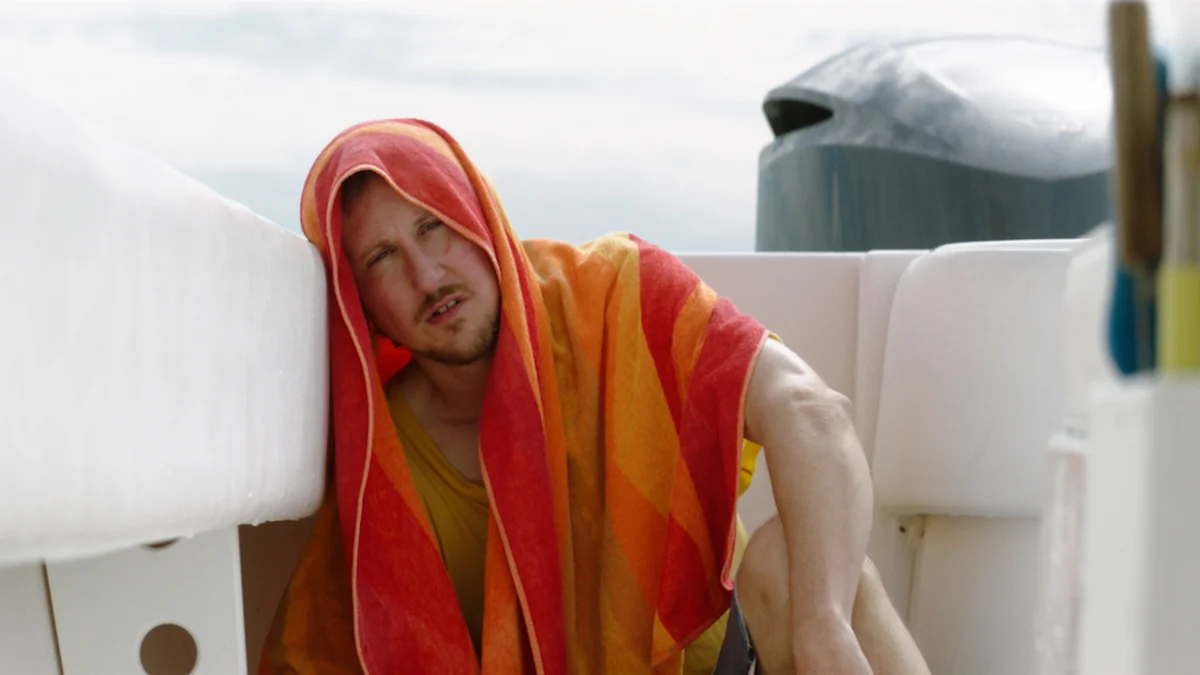
For Tyler Cornack, a Florida native, this phenomenon is more than just a source of internet laughs; it’s a reflection of a deeper, almost cryptid-like civilian identity he seeks to interrogate. "The Florida Man myth is worth interrogating," Cornack explains, suggesting an interest in the underlying humanity and circumstances that give rise to these sensational headlines. Mermaid centers on Doug (portrayed by Johnny Pemberton), a solitary drug addict contemplating suicide. His life is at its nadir, mirroring the desperate circumstances often hinted at in "Florida Man" stories. It is precisely at this point of profound despair that Doug encounters an injured mermaid in the waters near his beachside home, setting in motion a narrative that explores themes of isolation, unexpected connection, and a desperate search for meaning in an unhinged world.
Tyler Cornack’s Distinctive Filmmaking Signature
Cornack’s directorial style is characterized by a "bonkers premise" delivered with a "strikingly naturalistic tone." This approach was first prominently showcased in Butt Boy (2019), a film that garnered cult status for its audacious concept—a detective investigating disappearances linked to a man who literally absorbs people into his anus—presented with the gravitas of a serious crime thriller. The critical reception for Butt Boy often highlighted this jarring juxtaposition, praising Cornack’s ability to maintain a straight face while exploring the utterly preposterous. This deliberate tonal dissonance creates a unique comedic layer, where the humor arises not from overt gags but from the sheer commitment of the performances and the film’s unwavering dedication to its bizarre reality.
As Cornack describes, "I like to take actors and create an environment that’s as realistic as possible, but what’s going on in the world is not happening. It’s like combining the supernatural with the extremely, extremely natural." This "language" of filmmaking allows him to find comedy in unexpected ways, pushing beyond "obvious humor." The performers are tasked with playing their roles with utmost sincerity, creating a "wire walk" where the audience is constantly challenged to reconcile the ridiculous narrative with the grounded emotional reality portrayed on screen. This balancing act, where the director "goes there" without fear of pushing boundaries, is central to Cornack’s artistic vision. He seeks the edge where "Am I taking this too far? Am I taking it not far enough? Is it grounded here?" to excite both himself and his audience. This precision in tone is often refined during the editing process, where different takes—some "silly," some "straight"—are experimented with to achieve the desired equilibrium. This meticulous approach ensures that even the most outrageous elements serve the film’s overarching thematic and comedic goals, rather than devolving into mere spectacle.
A Mermaid Unlike Any Other: Subverting Aquatic Mythology
The mermaid in Cornack’s film is a radical departure from the benevolent, enchanting figures popularized by Disney’s The Little Mermaid or Daryl Hannah’s portrayal in Splash. Instead, Mermaid presents a creature that is "gnarly," feral, and decidedly animalistic, drawing comparisons to the amphibian man from Guillermo del Toro’s Oscar-winning The Shape of Water but "cranked up to 11." This subversion of the traditional mermaid trope is a deliberate choice, reflecting a deeper engagement with older, darker mythologies where sea maidens were often depicted as dangerous, siren-like figures, luring sailors to their doom rather than inspiring romantic fantasies.
Cornack’s inspiration for this terrifying iteration came partly from a TikTok video depicting a man hearing "horrifying shrieks" from the ocean, claiming it was a mermaid. While likely a hoax, the idea sparked a creative curiosity: "Nobody’s treated them like a wild animal. What if they’re not as beautiful as they’re portrayed in Disney movies?" This concept of a mermaid as "an animal first and foremost, and unapologetically one," shaped the creature’s design and behavior within the narrative. The film challenges viewers to confront a creature governed by primal instincts, a stark contrast to the anthropomorphized, often romanticized versions prevalent in popular culture. This reinterpretation allows Mermaid to explore themes of nature versus nurture, and the complex, often dangerous, interactions between humans and the untamed wild.
The realization of this unique creature was a testament to the agility and dedication of the production team, particularly Mark Villalobos of Villalobos Studios and Heather Mages. Facing a significant setback where an initial four months of design work fell through, the team was left with a mere ten days of prep time to construct the mermaid from scratch. "I didn’t even know what the mermaid was going to look like… until the day we started shooting," Cornack recounted. This compressed timeline meant that construction often happened concurrently with filming, a high-stress scenario that ultimately forged a "special sort of collaboration" and resulted in a creature that embodies the film’s unhinged spirit. The practical effects, essential for maintaining the film’s naturalistic feel, enhance the creature’s raw, untamed presence, making it a visceral element of Doug’s bizarre new reality and a crucial component in grounding the fantastical premise.
Doug: The Human Face of Florida Man
At the heart of Mermaid is Doug, an anti-hero who embodies the darker, more desperate facets of the "Florida Man" archetype. Cornack is consistently drawn to characters "on their last leg who have nothing really left to live for." He finds "a lot of humor in that, and so many layers to explore." Doug, a severe drug addict at his lowest ebb, represents the potential for redemption or transformation that can emerge from profound despair. His questionable decision-making and inability to connect with others are hallmarks of his struggle, yet Cornack ensures that Doug remains relatable, even empathetic. This exploration of the "down-and-out guy" allows Cornack to delve into themes of survival, desperation, and the unexpected catalysts for change.

The casting of Johnny Pemberton in the lead role was crucial in achieving this balance. Pemberton, known for his comedic work and inherently "light" and "silly" persona, injects a vital layer of likability into a character who, in the hands of a different actor, might have been "a real monster." Cornack explains, "If you take somebody like him, and then you have this script where this guy is kind of a deadbeat, he’s automatically going to make it more likable." Pemberton’s quirks and mannerisms allow Doug’s humanity to shine through his flaws, making his journey of unlikely companionship with the mermaid resonate on a deeper level. The film portrays Doug as a man who has been "locked away in this house for so many years," lacking an outlet for his thoughts and feelings, and therefore unable to process his experiences. This internal struggle manifests in his outward actions, making his eventual attempts at connection, however clumsy, all the more impactful. He is a guy "who just doesn’t have an outlet for his thoughts and feelings and therefore can’t process things," a common plight for many individuals struggling with addiction and isolation, often leading to the erratic behaviors associated with the "Florida Man" persona.
Florida: A Love Letter to the Unhinged
Beyond its characters and creature, Mermaid functions as "A Love Letter To Florida," a deeply personal and nostalgic project for Cornack. Growing up in the state, he developed a profound fascination with its diverse ecosystems and subcultures. Florida is often perceived as a collection of extremes: the manufactured fantasy of theme parks, the sanitized uniformity of suburban gated communities, and the untamed wildness of its natural landscapes and coastal towns. Cornack’s film focuses on the latter, particularly the "beach town" aesthetic where he spent his childhood.
"There are so many different pockets and subcultures in Florida," Cornack notes, highlighting the rich tapestry of life that inspired him. He speaks of watching "beach bums, these sun-kissed guys at the bar, telling stories" as a kid, perceiving them as characters from "another universe." This unique blend of eccentricity and raw authenticity fueled his creative drive. The film captures the "energy that anything can happen in these beach towns. Nowhere else in the country has that energy. It’s unhinged." This pervasive sense of unpredictability is not just a backdrop; it’s an active ingredient in the narrative, allowing for the absurd premise of a man finding a mermaid to feel strangely plausible within this specific setting. The perpetual sunshine, transient populations, and abundant natural beauty often mask deeper societal issues, creating a fertile ground for the unexpected.
The state’s pervasive drug problem also directly influenced the film’s thematic depth. Cornack candidly acknowledges losing friends to drugs, people he identifies as "Florida Men," intertwining personal tragedy with the broader cultural narrative. This personal connection imbues the film with a layer of authenticity and pathos, making it more than just a comedic spectacle. Furthermore, Mermaid pays homage to classic "beach movies" that shaped Cornack’s youth, citing influences like Jaws, Flipper, and Splash. The inclusion of SpaghettiOs in Mermaid, a direct nod to Flipper, underscores the nostalgic dimension of the project. Cornack envisioned Mermaid as a dark comedic inversion of Splash, aiming to turn its romantic fantasy on its head and infuse it with a grittier, more chaotic sensibility that is uniquely Floridian.
The Vomit-Soaked Birthday Party: A Narrative Turning Point
One of the film’s most memorable and outrageous sequences occurs during Doug’s daughter Layla’s (Devyn McDowell) birthday party, where the mermaid projectile vomits, unleashing chaos upon the unsuspecting children. This scene is a prime example of Cornack’s signature style: taking an outlandish event and executing it with cinematic seriousness, bordering on the epic. "I wanted to take things to 11 real quick, and then we can fall back into what we need to fall back into," Cornack explains. The sequence serves as a pivotal twist, shifting the film into a "pulpier direction" and escalating the stakes of Doug’s predicament. It marks a point of no return, forcing Doug to confront the escalating consequences of harboring such a volatile creature.
The scene is filmed with a dramatic intensity typically reserved for action sequences, employing slow-motion to heighten the impact of the black, viscous bile showering the partygoers. This directorial choice, informed by a pre-written piece of music, demonstrates Cornack’s meticulous planning even amidst chaotic production. Despite the elaborate visual effects required—a large hose rigged to spew the black liquid—the scene was largely a result of on-set improvisation and quick thinking, a common challenge in independent filmmaking where resources are often limited. "You often have this really grand vision of what you’re going to do, and then you get there, and you have no time, and you have no money to pull off what’s in your head," Cornack admits. The children actors, far from being traumatized, reportedly "had a blast with it," enjoying the spectacle of getting covered in "gak" while acting scared. This blend of shocking gross-out humor with genuine childlike enjoyment encapsulates the film’s ability to navigate between the disturbing and the delightfully absurd, making it a standout moment that cements the film’s unique tone.
Broader Implications and Cornack’s Place in Independent Cinema
Mermaid‘s release through Utopia, a distributor known for championing distinctive independent films, positions Cornack as a significant voice in contemporary indie cinema. His work, characterized by its refusal to conform to easy categorization, contributes to a growing trend of genre-bending filmmaking that prioritizes unique storytelling over conventional market appeal. Films like Mermaid and Butt Boy carve out a niche for audiences seeking experiences that are genuinely unpredictable and thought-provoking, even when steeped in absurdity. They challenge the mainstream by demonstrating that compelling narratives can emerge from the most unlikely of premises, provided there’s a clear artistic vision and unwavering commitment to tone.
Cornack’s success in executing such ambitious projects on limited budgets highlights the ingenuity and collaborative spirit prevalent in independent filmmaking. The challenges faced during the mermaid’s creation, for instance, underscore the resourcefulness required to bring unconventional visions to life. His approach offers a blueprint for how filmmakers can leverage distinct cultural phenomena—like the "Florida Man"—to explore universal themes of isolation, redemption, and the search for identity, all while maintaining a singular artistic voice. The ability to transform local eccentricities into globally resonant narratives is a hallmark of truly innovative independent cinema.
The critical discourse surrounding Cornack’s films often grapples with their tonal complexities, reflecting a wider appreciation for narratives that defy simple classification. As audiences become increasingly saturated with formulaic blockbusters, independent films that dare to be "weird" and "unhinged" offer a refreshing alternative. Tyler Cornack, with his unflinching commitment to his unique aesthetic, stands as a testament to the enduring power of original storytelling and the boundless creative potential within the independent film landscape. His "love letter to Florida" is not merely a regional curiosity but a universal exploration of the human condition, viewed through a delightfully distorted, yet remarkably grounded, lens. Mermaid solidifies Cornack’s reputation as an auteur unafraid to plumb the depths of human strangeness, delivering narratives that are both hilariously bizarre and deeply resonant, cementing his place as a distinctive and important voice in modern independent film.