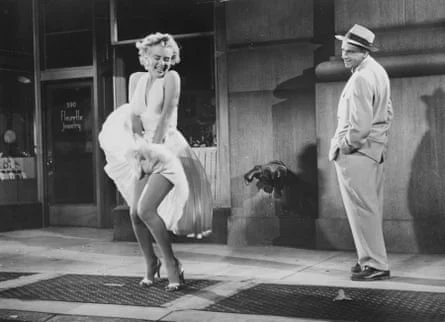
Though often confined to the reductive roles of a sex symbol frozen in time or a tragic figure embroiled in scandal, Marilyn Monroe was, in fact, a far more complex and subversive force, according to two major exhibitions poised to redefine her legacy during what is being dubbed "the summer of Marilyn." In commemoration of the centenary of her birth, leading British cultural institutions are illuminating her as a performer of sharp comic intelligence, a shrewd architect of her own image, and a pioneering woman who fundamentally reshaped the landscape of female stardom on screen.
A Dual Celebration: Film and Image
The British Film Institute (BFI) is hosting a comprehensive two-month season dedicated to revisiting Monroe’s extensive filmography, offering audiences an opportunity to engage with her cinematic achievements in their entirety. Concurrently, the National Portrait Gallery presents a landmark exhibition meticulously charting the construction and evolution of her iconic image. This dual approach aims to provide a holistic understanding of Monroe, moving beyond superficial perceptions to explore the depth of her artistry and the strategic control she exerted over her public persona.
Kimberley Sheehan, the BFI’s lead programmer and curator of the film season, emphasized Monroe’s unparalleled status. "Marilyn Monroe was quite possibly the biggest star cinema ever saw and will ever see," Sheehan stated. "She was the original triple threat and deserves much credit for crafting her own image and stardom." This sentiment underscores the exhibition’s core objective: to re-evaluate Monroe not merely as a product of Hollywood, but as a powerful creative force who actively shaped her career.
"Marilyn Monroe: Self Made Star" at the BFI
Opening on June 1 and running through July, the BFI’s "Marilyn Monroe: Self Made Star" season is structured across three distinct thematic strands, offering a curated journey through her most celebrated performances. "Star Attractions" will showcase her prowess in musicals and comedies, highlighting her undeniable charisma and comedic timing. "Dramatic Turns" will delve into her more serious, nuanced roles, revealing a depth of emotional performance often overshadowed by her public image. Finally, "Scene Stealers" will focus on her smaller yet pivotal appearances, demonstrating her ability to command attention and leave a lasting impact even in supporting roles.

Sheehan elaborated on the season’s scope: "I hope audiences come to discover or rediscover the dynamite presence she brings to films like Gentlemen Prefer Blondes and How to Marry a Millionaire, as well as the heartbreaking depth of The Misfits. Even smaller roles, with scene-stealing turns in Clash by Night and All About Eve, reveal the range and nuance she possessed."
From her early breakthrough in Ladies of the Chorus (1948) to her final, unfinished project Something’s Got to Give (1962), Monroe’s career trajectory was marked by a deliberate progression, working with Hollywood’s most acclaimed directors and performers. Her filmography demonstrates a masterful transition between effervescent comedic performances and increasingly complex dramatic work, challenging the conventional expectations placed upon female stars of her era.
The BFI explicitly states that the season is designed to invite audiences to "look beyond the myth and reassess Monroe as a pioneering creative force." This includes recognizing her as a dynamic performer who actively challenged the studio system, vocally protested poor-quality scripts, and notably became the first woman since the silent era to establish her own production company. This act of self-determination in an industry heavily controlled by male executives was a significant, yet often overlooked, testament to her ambition and business acumen.
A central component of the BFI’s tribute is the re-release of The Misfits (1961), Monroe’s final completed film, in cinemas across the UK and Ireland. Directed by John Huston and penned by her then-husband Arthur Miller, the film is a poignant exploration of drifting cowboys and fractured relationships in the Nevada desert. Monroe’s portrayal of a newly divorced woman entangled with a disillusioned cowboy earned critical praise and is seen as a testament to her dramatic capabilities.
Sheehan observed that Monroe’s pervasive cultural saturation has frequently eclipsed her artistic contributions. "To many audiences, Monroe is an icon first and a performer second," she noted. "They’ll know the image, the gossip, the tragedies, but they might not know the films." She expressed a desire for the season to counter this trend, stating, "I think it’s really important to revisit them, particularly now, when her image is endlessly commodified – even used as one of the most common prompts in AI-generated images. When you come back to the films, you see the real human performer."
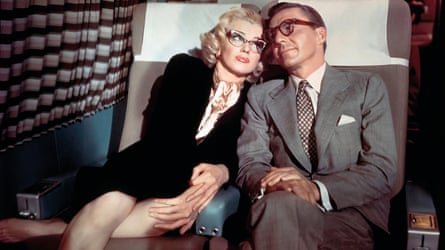
"Marilyn Monroe: A Portrait" at the National Portrait Gallery
Complementing the BFI’s cinematic exploration, the National Portrait Gallery’s "Marilyn Monroe: A Portrait," running from June to September, offers an in-depth examination of her visual identity. The exhibition curates a compelling collection of works by renowned 20th and 21st-century artists and photographers, including Andy Warhol, Pauline Boty, and Richard Avedon, who were captivated by her image.
This exhibition delves into Monroe’s active role in constructing her own persona and her profound, lasting influence on visual culture. A particularly poignant inclusion will be previously unseen photographs from Life magazine, featuring intimate portraits taken by Allan Grant at Monroe’s Brentwood home in Los Angeles, mere days before her untimely death in August 1962. These images offer a rare glimpse into her private world, humanizing the icon and providing a stark reminder of her vulnerability.
Born Norma Jeane Mortenson on June 1, 1926, Monroe remains an indelible figure in popular culture. Her journey from early pin-up photographs as a young model to her final, documented moments in 1962 positioned her as one of the most photographed individuals in history. The National Portrait Gallery exhibition underscores her agency in this process, highlighting her collaborative approach to image-making. It reveals instances where she not only performed for the camera but actively directed shoots and exercised her right to veto images she deemed unflattering or misrepresentative.
A Pioneer of Self-Branding and Reinvention
The exhibition and film season collectively highlight a crucial, yet often underappreciated, aspect of Monroe’s career: her pioneering work in self-branding and image control. Sheehan elaborated on this, stating, "One of the greatest things she ever did was create the persona of ‘Marilyn Monroe,’ but it was also one of her biggest challenges, because she spent much of her later career trying to break away from it. She wanted to reinvent herself – something that just wasn’t done in the 1950s."
Sheehan drew parallels between Monroe’s aspirations and contemporary cultural figures. "Now there are figures like Taylor Swift, who has her eras, or Madonna, who was a trailblazer in reinvention. Marilyn attempted that when she set up her production company, but people didn’t understand it; they ridiculed her." This comparison underscores how far the cultural landscape has evolved in accepting and celebrating female artists’ control over their careers and public narratives.
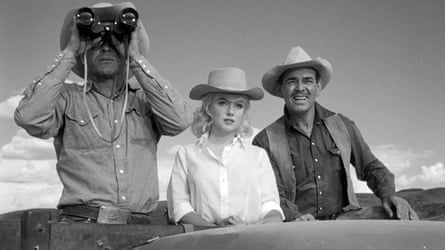
Reflecting on the progress made, Sheehan concluded, "We’ve come a long way, but there’s still further to go. If Marilyn was around today, she could have been a Margot Robbie – someone with huge capital in her image, but also a terrific performer and a smart, active producer. I’d like to think that, if she’d lived longer, she would have had more of a chance." This hypothetical scenario suggests that in the contemporary entertainment industry, where female stars are increasingly taking on producing roles and wielding significant influence, Monroe’s ambition might have been met with greater understanding and support.
The dual exhibitions serve as a powerful reminder of Marilyn Monroe’s enduring legacy, not just as a Hollywood icon, but as a complex artist, a shrewd businesswoman, and a subversive figure who challenged the norms of her time, paving the way for future generations of female performers to assert their creative and professional autonomy. "The summer of Marilyn" promises to be an essential period for reassessing and celebrating a star whose influence continues to resonate, urging us to look beyond the headlines and appreciate the multifaceted brilliance of the woman behind the legend.