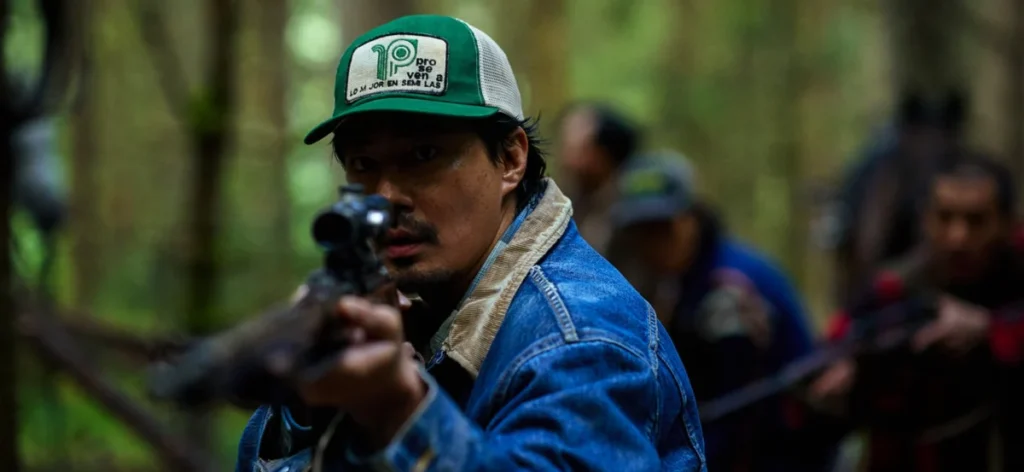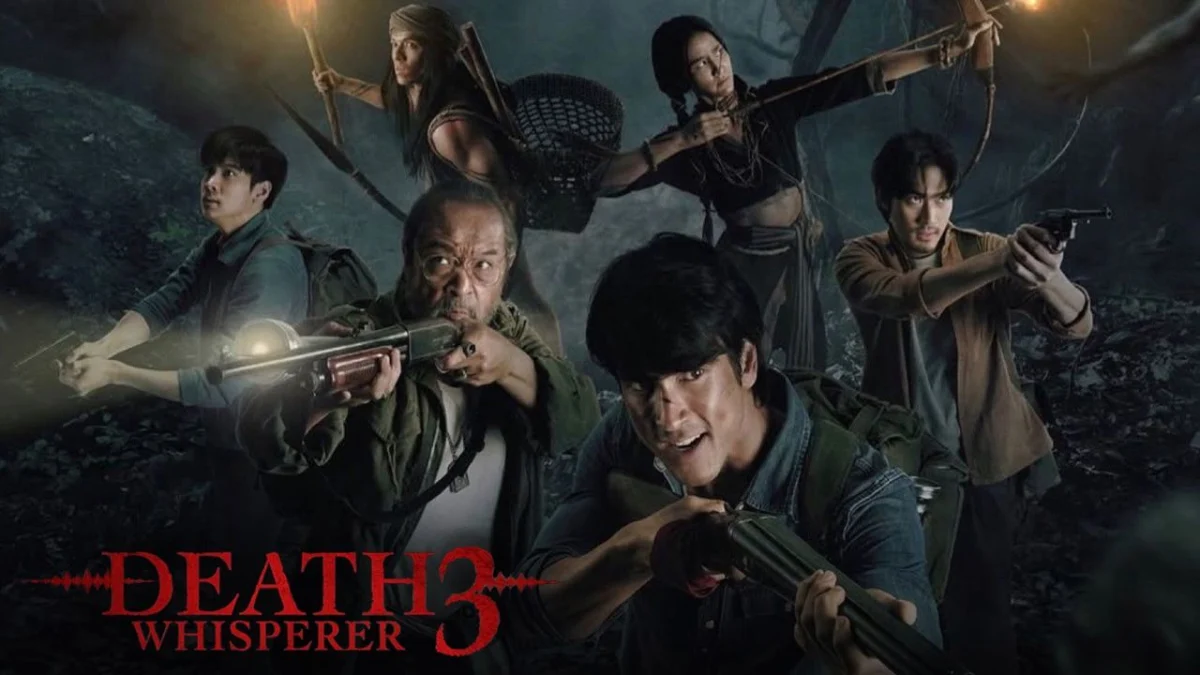
The prolific Thai horror franchise, often dubbed Thailand’s answer to the Sam Raimi Universe, has delivered its third film in as many years, continuing its rapid cinematic output. Building on the global success of its original Netflix blockbuster, the latest installment sees the return of acclaimed actor Nadech Kugimiya, who embodies the role of "Yak," a character frequently compared to the "Ash Williams" of Southeast Asian cinema. In this new chapter, Yak once again guides his family into the eerie, corrupted jungles of Bongsanodbiang – a location now synonymous with the series’ supernatural dread – embarking on an adventure that, while fresh in its immediate plot points, carries a distinct resonance of its predecessors. This rapid succession of releases highlights the production company’s ambition to cultivate a enduring horror saga, yet it also presents challenges in maintaining narrative freshness and critical acclaim.
The "Death Whisperer" series has carved a unique niche in the contemporary horror landscape, particularly in Southeast Asia, by blending traditional Thai supernatural folklore with modern horror tropes. The initial film garnered significant attention not only for its compelling narrative and chilling atmosphere but also for its distribution as a Netflix original, a move that substantially broadened its international viewership. This strategic partnership catapulted the franchise, and indeed Thai horror cinema, onto a global stage, introducing a wider audience to its distinct brand of terror and cultural nuances. Nadech Kugimiya’s portrayal of Yak, a reluctant hero with a penchant for confronting the monstrous, quickly became a defining feature, establishing him as a charismatic lead capable of carrying the series’ intense emotional and physical demands. His ability to switch between intense dramatic moments and action-hero bravado has been a consistent highlight, solidifying his status as a pivotal figure in the franchise’s identity.
For Yak and his family, the concept of death has transcended a mere abstract fear, evolving into a palpable, relentless presence—a constant, nightmarish "wakeup call." The narrative of the third film begins with a deceptive sense of calm as Yak’s sister, Yard (portrayed by Denise Jelilcha Kapaun), returns to the family home, pregnant and seeking solace amidst familiar comforts. The initial joy, however, proves tragically short-lived. The family’s fragile peace is shattered when the youngest sister, Yee (Natcha Nina Jessica Padovan), mysteriously vanishes. This disappearance marks a chilling turning point, swiftly transitioning the film from a sweetly sentimental domestic drama into a grim, harrowing second act. The desperate family, seeking answers beyond the mundane, resorts to a Ouija-inspired spirit-calling ritual. This ancient practice, meant to bridge the gap between worlds, inadvertently points the siblings towards Yee’s perilous location deep within the foreboding Bongsanodbiang jungle, setting the stage for their inevitable return to the heart of darkness.
The Evolution of the Bongsanodbiang Lore
The recurring location of Bongsanodbiang has become more than just a setting; it is an antagonist in itself, a corrupted ecosystem pulsating with malevolent spiritual energy. The third installment endeavors to deepen the lore surrounding this cursed jungle, particularly by exploring the origins and intricacies of the Black Spirit, chillingly portrayed once again by Manita Chobchuen, who masterfully "uglifies herself" to embody the spectral entity. For devoted fans of the series, this expansion of the mythos surrounding the Black Spirit and other spectral entities haunting the forest represents a significant draw. It provides a richer tapestry of the supernatural forces at play, offering glimpses into the history and motivations of the franchise’s primary antagonist. This commitment to imaginative world-building and character development for its spectral inhabitants is arguably one of the film’s stronger points, injecting fresh ideas into a series that, by its third outing, is beginning to show signs of narrative fatigue. While "Death Whisperer 3" navigates familiar territory, its exploration of the Black Spirit’s backstory and the overarching lore undoubtedly showcases some of the more inventive writing within this installment, offering novel tricks to maintain audience engagement.
Filmmaking Choices and Their Impact
In its execution, "Death Whisperer 3" employs a range of horror filmmaking techniques, some with more success than others. The film features a series of random, often exploitative jump scares, designed to elicit immediate, visceral reactions from the audience. While these are a staple of the genre, their deployment often feels disconnected from the narrative, lacking the build-up necessary to maximize their impact. The practical effects and makeup artistry, described as "grad-school-type," contribute to the film’s visual aesthetic, though their effectiveness in genuinely terrifying the audience is subject to debate. A notable moment involves a "creature from the black lagoon-esque" reveal, intended to be a climactic moment of terror. However, despite the visible effort, this particular reveal reportedly falls short of its intended scariness, failing to deliver the profound impact it aims for. While the film certainly "pulls no punches" in its depiction of horror elements, the overall sentiment suggests that "none of the impact felt," indicating a disconnect between intent and execution in several key fright sequences. This observation points to a broader challenge for the franchise: how to escalate terror effectively without resorting to diminishing returns on familiar scare tactics.
Performance and Character Dynamics
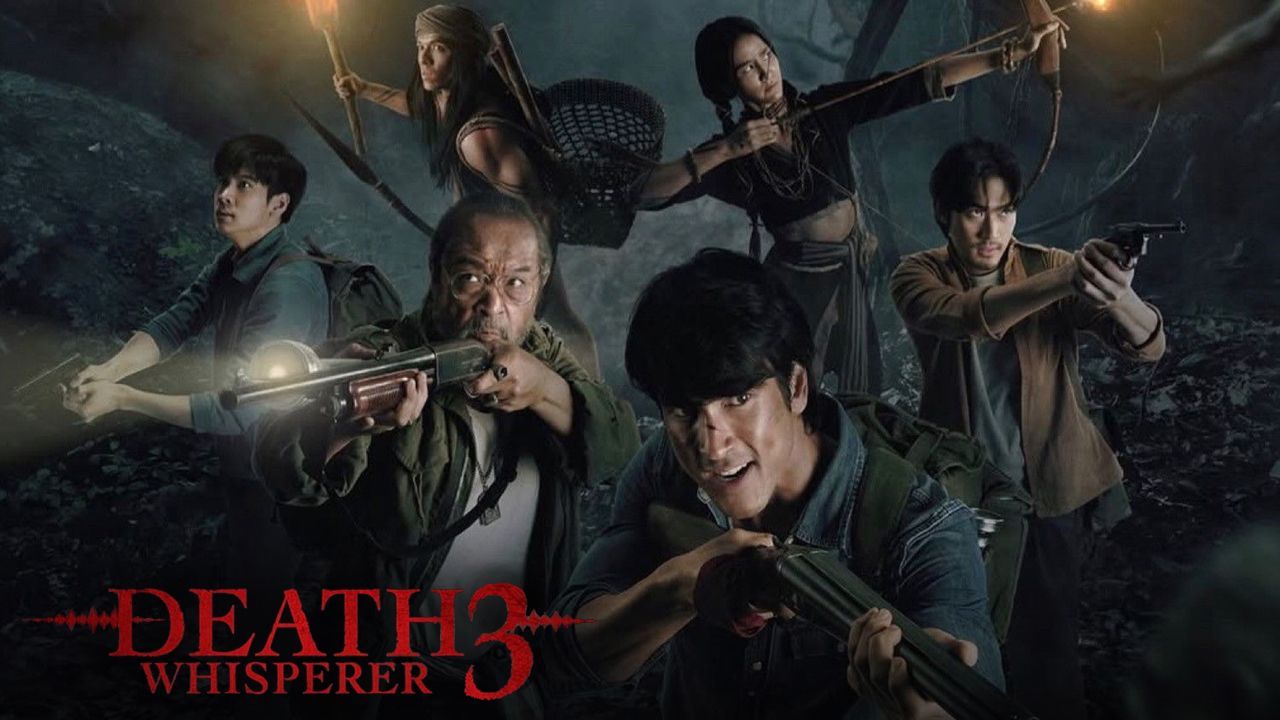
Central to the franchise’s appeal remains Nadech Kugimiya’s performance as Yak. His celebrated versatility and characteristic action-movie star bravado translate exceptionally well into a thoroughly convincing and entertaining portrayal. Kugimiya consistently delivers a performance that anchors the film, imbuing Yak with a compelling blend of determination, vulnerability, and heroism. His presence is a critical asset, capable of elevating even the more formulaic aspects of the script. However, the same cannot be consistently said for his fellow castmates. Many supporting characters are described as "blink-and-you-miss-it," lacking the depth or screentime to truly resonate with the audience. This brevity in character development means that viewers might not feel a significant emotional connection to their fates, leading to a diminished sense of tragedy or concern should any of them meet a grim end. The adventure, as a result, occasionally "ambles on into a hollow pit of senseless dialogue," with lines such as "We should ask somebody, but there is no one here" highlighting moments of awkward scripting. Furthermore, the reliance on transparent plot devices often leaves the characters "run around hopelessly like dogs on leashes," driven by convenience rather than organic narrative progression. This indicates that the compelling "recipe" that made the first film so enjoyable has not been as effectively replicated for the third installment, suggesting that the rapid production schedule may have impacted character depth and narrative cohesion.
The Business of Fear: Franchise Expansion and Industry Context
The "Death Whisperer" franchise, with its rapid succession of releases, exemplifies a growing trend in Southeast Asian cinema to develop commercially viable series that can capture both domestic and international markets. The decision to release three films in three years underscores a proactive strategy to capitalize on initial success and maintain audience momentum. This fast-paced production model, while impressive in its efficiency, inherently carries risks. Creative teams face immense pressure to innovate while adhering to established fan expectations, a delicate balance that can strain resources and artistic vision. For the Thai film industry, the success of a franchise like "Death Whisperer" is multifaceted. It showcases local talent, from actors like Nadech Kugimiya to directors and special effects artists, proving that Thai productions can compete on a global scale. It also helps to diversify the types of films exported, moving beyond traditional arthouse fare to embrace mainstream genre cinema.
Industry analysts often point to the challenges of sustaining quality in a rapidly expanding franchise. While the first film benefited from a concentrated creative effort and the novelty of its premise, subsequent entries must continually find new ways to engage audiences without straying too far from the core appeal. The mixed critical reception for "Death Whisperer 3"—praising certain aspects like Nadech’s performance and lore expansion while critiquing pacing, character development, and scare effectiveness—reflects this inherent difficulty. Production companies, when faced with such feedback, must weigh the commercial imperative of continuous output against the artistic need for refinement and innovation.
Audience Reception and the Future
Despite some of the critical observations regarding narrative execution and scare impact, "Death Whisperer 3" adheres to a formula that has proven successful for its target audience. Like its predecessors, the film is unapologetic in its depiction of gore, with grotesque violence dialed "to a thousand," ensuring an abundant supply of visceral horror. The sheer outrageousness of some sequences, combined with the extreme violence, often veers into territory ripe for dark laughter, making "Death Whisperer 3" an enjoyable "popcorn horror post-dinner affair" for many viewers. This suggests that for a segment of the audience, the film successfully delivers on its promise of an over-the-top, thrilling, if not always terrifying, experience.
Looking ahead, the franchise shows no signs of slowing down, with both a spin-off and a sequel reportedly in the works. This ambitious expansion plan indicates the production company’s confidence in the brand’s enduring appeal and commercial viability. However, the critical assessment that the series is "starting to lose steam" serves as a crucial caution. For the upcoming installments to truly succeed and avoid diminishing returns, particularly if Narit Yuvaboon remains at the helm, there is a clear imperative for creative reinvention. Simply repeating the established formula, no matter how initially effective, risks relegating the Black Spirit and her ghouls "back to the graveyard" of forgettable horror franchises. Future entries will need to deliver genuinely novel narrative twists, deeper character arcs, and more impactful scares to ensure the "Death Whisperer" saga continues to resonate with both its loyal fanbase and a broader, discerning global audience, solidifying its place as a significant player in the international horror genre rather than a fleeting phenomenon. The challenge for the creative team will be to tap into new wellsprings of terror and storytelling, ensuring that each new whisper of death feels as fresh and chilling as the first.