A Gripping Continuation of Hathaway’s Struggle
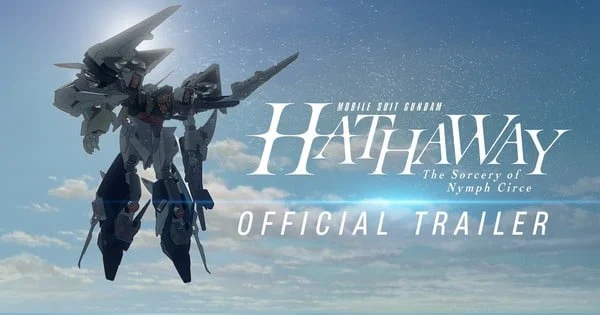
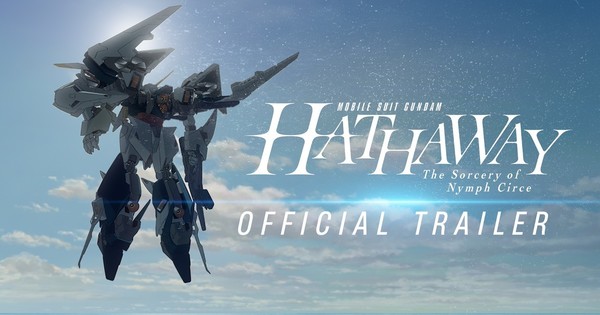
The second installment of the Mobile Suit Gundam Hathaway film trilogy delves deeper into the turbulent journey of Hathaway Noa, a character thrust into the heart of a revolutionary movement against a backdrop of political unrest and personal turmoil. The narrative picks up with Hathaway grappling with his profound feelings for Gigi Andalucia, a civilian whose path unexpectedly intertwins with his own, potentially reshaping the destinies of those around him. Simultaneously, Hathaway remains committed to the clandestine anti-Federation group MAFTY, while the formidable figure of Kenneth Slegger leads the charge for MAFTY’s suppression, setting the stage for an intense space opera filled with dramatic confrontations, intricate combat sequences, and profound emotional complexity.
Bandai Namco Filmworks has provided a narrative synopsis that highlights the central conflicts: "In this latest installment, the film continues to follow Hathaway as he struggles between his unresolved feelings for Gigi and his mission aligned with MAFTY, Kenneth preparing for the suppression of MAFTY, and Gigi herself, whose presence will alter the course of both men’s destinies in an intense space opera of drama, combat, and emotional complexity." This description underscores the film’s ambition to blend high-octane action with character-driven drama, a hallmark of the Gundam franchise.
Box Office Success and Strategic Release
The film’s journey began in Japan on January 30th, where it achieved immediate critical and commercial success. It stormed the box office, claiming the number one spot during its opening weekend. In its first three days, Mobile Suit Gundam Hathaway: The Sorcery of Nymph Circe sold an impressive 511,500 tickets, generating 849,068,760 yen (approximately US$5.43 million). The film’s momentum continued, ultimately accumulating a cumulative total exceeding 2.6 billion yen (about US$16.38 million) in Japanese theaters.
The theatrical release in Japan was previously subjected to delays, initially planned for 2025 before being postponed. This strategic sequencing of releases, with a robust Japanese debut followed by a significant U.S. rollout, indicates a concerted effort by Bandai Namco Filmworks to maximize the global impact of the Hathaway saga. The confirmed May 15th release date in the U.S. provides a clear target for fans eager to experience the next phase of Hathaway’s story on the big screen.
Creative Continuity and New Talents
The production of The Sorcery of Nymph Circe benefits from the established creative team behind the first film, ensuring a consistent vision and quality. While the core cast and much of the staff have returned, the film also introduces new artistic contributions. Yuichi Kuboki has joined Takako Suzuki as a color key artist, bringing fresh perspectives to the visual palette. Yoshinori Sayama, known for his work on acclaimed series such as Macross Plus, Cowboy Bebop, and Mobile Suit Gundam UC, returns to contribute his expertise in display designs, further enhancing the meticulously crafted world of Hathaway. Yoshihisa Oyama steps in as the new film’s compositing director of photography, while Manabu Kamino oversees the visual effects, promising a visually stunning cinematic experience.
Sonic Landscapes: A Blend of J-Pop and International R&B
The film’s auditory experience is equally compelling, featuring a notable collaboration with international music sensation SZA. Her 2022 hit song "Snooze" has been selected as the opening theme song, a choice that signifies the franchise’s willingness to integrate contemporary global music trends. This collaboration is expected to draw a broader audience and add a unique sonic dimension to the film’s opening moments.
Complementing the opening theme, Japanese artist SennaRin performs the insert song "ENDROLL." She is joined by Yohei Kawakami, the vocalist of the popular Japanese rock band Alexandros, adding another layer of musical depth to the film’s emotional arc. The inclusion of both established Japanese talent and a globally recognized artist like SZA highlights a strategic approach to music selection, aiming to resonate with diverse fan bases and elevate the film’s overall production value.
Thematic Depth and Novel Adaptations
The Mobile Suit Gundam Hathaway film project is conceived as a trilogy, with The Sorcery of Nymph Circe representing the pivotal second chapter. The film’s initial working title, Kidō Senshi Gundam Senkō no Hathaway: San of Bright, hinted at its thematic core. Producer Ogata elaborated on the significance of "San," explaining that the Japanese characters could be interpreted as "sun" or "son." This duality directly references Hathaway Noa’s lineage as the son of the legendary Bright Noa, a central figure in the original Gundam narrative.
Producer Ogata also acknowledged that the second film would diverge in certain aspects from Yoshiyuki Tomino’s original novel series. This approach allows the filmmakers to adapt the beloved story for a modern cinematic medium, potentially exploring new narrative avenues and character interpretations while remaining faithful to the spirit of the source material. Such adaptations often aim to refine pacing, enhance visual storytelling, and perhaps introduce elements that resonate more strongly with contemporary audiences.
A Legacy of Delays and Triumphs: The First Film’s Journey
The path to the Mobile Suit Gundam Hathaway trilogy has been marked by challenges, most notably a series of delays that tested the patience of fans. The first film, released in Japan in June 2021, experienced multiple postponements. It was initially slated for a July 2020 release but was pushed back due to the global COVID-19 pandemic. Further delays occurred in April and May 2021, coinciding with an extended state of emergency declared in Japan, underscoring the unpredictable nature of global events on major production schedules.
Despite these setbacks, the first Hathaway film achieved significant box office success upon its release. In its opening weekend, it sold 259,074 tickets and grossed 523,943,800 yen (approximately US$4.77 million), securing the third position in terms of ticket sales. This strong performance marked a notable achievement, making it the first Gundam film since 1988’s Mobile Suit Gundam: Char’s Counterattack to surpass the 1 billion yen mark at the Japanese box office. By October 2021, the film had earned a cumulative total of 2,209,628,200 yen (about US$19.57 million). While the anime film Mobile Suit Gundam GQuuuuuuX -Beginning- has since surpassed its total, the first Hathaway film remains a landmark achievement for the franchise in recent years.
Global Distribution and Expanded Reach
Following its theatrical run, the first Hathaway film was made available for exclusive streaming on Netflix in the U.S. in July 2021, broadening its accessibility to an international audience. More recently, the first film has been re-cut into a four-episode television broadcast version, which premiered on Nippon TV’s AnichU programming block on January 5th. This initiative further expands the reach of the Hathaway story, offering a different viewing format for fans and potentially introducing the narrative to new viewers.
The ongoing success and global distribution strategy for the Mobile Suit Gundam Hathaway series, culminating in the U.S. theatrical release of the second film, The Sorcery of Nymph Circe, highlights Bandai Namco Filmworks’ commitment to nurturing and expanding the enduring legacy of the Gundam franchise. The film’s blend of compelling narrative, high-quality animation, and strategic marketing suggests a continued focus on engaging both long-time fans and newcomers to the intricate world of Mobile Suit Gundam.