The Los Angeles Festival of Movies (LAFM) is set to host its third annual edition from April 9 to 12, reaffirming its commitment to showcasing critical darlings from the global festival circuit, newly-restored cinematic treasures, and select world premieres. Co-founded by acclaimed producer Sarah Winshall, known for her work on independent features such as I Saw the TV Glow and Good One, and Micah Gottlieb, artistic director of the programming non-profit Mezzanine, LAFM emerged in 2022 to address a recognized void in the exhibition of independent and art-house cinema within Los Angeles. The festival positions itself as a crucial gathering point for cinephiles in a city often synonymous with mainstream studio productions, offering a curated space for genuine cinematic discovery, a need amplified since the discontinuation of major local film events like the Los Angeles Film Festival in 2018 and the more recent cessation of Outfest and Locarno in Los Angeles after their 2023 editions.
Addressing a Cinematic Void in the Entertainment Capital
Los Angeles, despite being the epicenter of the global film industry, has historically grappled with providing a consistent and robust platform for independent and international cinema outside of major studio releases. The departure of several prominent film festivals over the past decade left a significant gap for filmmakers seeking to introduce their works to an L.A. audience and for cinephiles eager to engage with diverse, experimental, and challenging narratives. This context formed the bedrock of LAFM’s founding vision. Winshall and Gottlieb recognized the paradox of a city teeming with filmmaking talent and passionate audiences, yet lacking a dedicated, accessible hub for independent film exhibition that prioritizes artistic merit over commercial viability. Their initiative aimed to cultivate an environment where emerging voices and overlooked masterpieces could find an appreciative audience, fostering a community around the art of cinema.
A Focus on Debut Features and Personal Storytelling
In a joint statement provided to Filmmaker magazine, Winshall and Gottlieb articulated the curatorial philosophy for this year’s festival, emphasizing a strong inclination towards nascent talent. "For this year’s festival, we tried to put together a cross-section of major discoveries from international and stateside filmmakers, and found that our lineup is overwhelmingly made up of debut features," they stated. This deliberate programming choice underscores LAFM’s role as a launchpad for new artists, highlighting films that demonstrate "a commitment to personal storytelling, experimentation, and a DIY spirit." This ethos resonates deeply within the independent film community, signaling a festival that champions innovation and authenticity. The diverse genre representation within the lineup, united by these core values, reflects the dynamic landscape of contemporary independent filmmaking and offers audiences a unique window into the future of cinematic expression.
Opening Night: John Early’s Maddie’s Secret
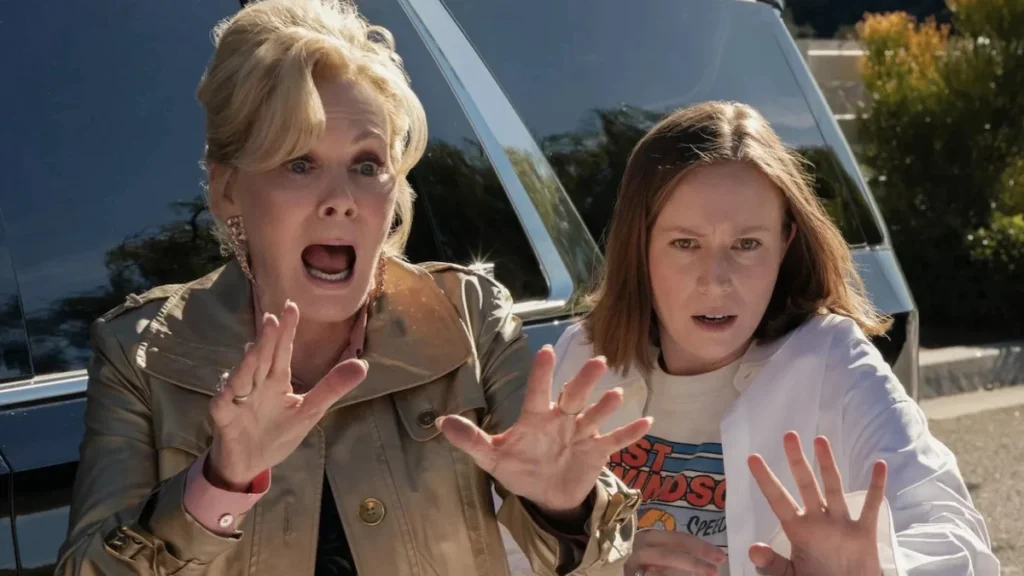
The festival is set to commence with the highly anticipated U.S. premiere of Maddie’s Secret, the feature directorial debut from actor and comedian John Early. The film garnered considerable critical attention following its initial bow at the Toronto International Film Festival (TIFF) in the fall. Early, who also stars in the titular role, portrays a food influencer whose meticulously crafted online persona masks a profound and secret struggle with bulimia. Maddie’s Secret has been lauded for its nuanced and incisive commentary on disordered eating and body image pressures, particularly in the age of social media, skillfully navigating sensitive subject matter without resorting to glib satire or perpetuating male misconceptions surrounding women’s beauty standards. Its concurrent selection for New York City’s prestigious New Directors/New Films (ND/NF) showcase further solidifies its critical acclaim and bodes well for its forthcoming theatrical release by Magnolia Pictures. This dual platform at two highly respected festivals underscores the film’s significance and its potential to spark important conversations upon wider distribution.
Closing Night: Sophy Romvari’s Blue Heron Makes U.S. Debut
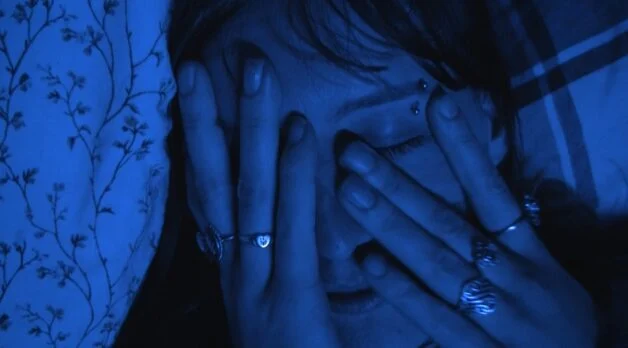
Bringing the festival to a close is the U.S. premiere of Canadian metafictionist Sophy Romvari’s acclaimed feature debut, Blue Heron. The film, which gracefully chronicles her brother’s adolescent mental health struggles, was a significant contender at the Locarno Film Festival last summer, where it received the coveted Swatch First Feature Award. Following its Locarno success, Blue Heron also screened at TIFF alongside Maddie’s Secret, further establishing its critical bona fides. While speculation among New York film circles suggested its inclusion in the ND/NF lineup, LAFM proudly hosts its U.S. debut, offering Los Angeles audiences a first look at Romvari’s poignant and deeply personal narrative. Janus Films is slated to release Blue Heron on April 17, underscoring its anticipated impact on the art-house circuit. Romvari’s insightful discussion with fellow Canadian filmmaker Chandler Levack for Filmmaker‘s Spring 2026 issue, set to go live next week, will provide additional context and depth to the film’s themes and production.
A Diverse Program Across Iconic L.A. Venues
The nine additional features programmed between the opening and closing night selections will be screened across four distinct and culturally significant venues on Los Angeles’s east side: Vidiots, 2220 Arts + Archives, Now Instant Image Hall, and the Philosophical Research Society. Each venue contributes to the unique character of LAFM, ranging from Vidiots, a beloved video store and cinema celebrating independent film, to 2220 Arts + Archives, known for its eclectic programming, and the more niche, experimental spaces like Now Instant Image Hall and the historically rich Philosophical Research Society. This multi-venue approach not only expands the festival’s reach but also integrates it deeply into the city’s diverse cultural fabric.
Among these selections is the festival’s sole world premiere, Drinking and Driving, co-directed by Avalon Fast and Jillian Frank. Publicists for the film aptly describe it as "Daisies by way of Harmony Korine," a descriptor that immediately evokes a sense of anarchic, experimental, and youth-driven cinema. Fast and Frank also star as two aimless young women navigating a languid small-town summer, their journey marked by revelry and meandering exploration. The film continues Fast’s signature style, characterized by a radical realism that borders on pastiche, drawing from her own experiences of youthful abandon. This aesthetic was previously evident in her 2022 debut, Honeycomb, and her upcoming sophomore feature, CAMP, both of which also feature Frank, highlighting a consistent artistic partnership and vision.
Another notable feature demonstrating the "cross-pollination" between LAFM and ND/NF is Chronovisor, the inaugural feature from the directorial duo Jack Auen and Kevin Walker. Debuting at the International Film Festival Rotterdam (IFFR) earlier this year, the film stars Anne Laure Sellier as a French academic whose fascination leads her into a strange conspiracy centered on a mythical machine capable of capturing images from the past, specifically the visage of Christ’s face during his crucifixion. The film’s striking visual texture, achieved through 16mm film, harmonizes impeccably with the archival artifacts unearthed by the protagonist, creating a rich, immersive experience. Innovative subtitle effects, translating foreign text in real-time, further enhance the film’s unique narrative approach. Chronovisor stands out as a strikingly original work, blending the sophisticated aesthetics of European art house cinema with the distinctive, adventurous spirit of American independent filmmaking.
Restored Classics: Preserving Cinematic Heritage
LAFM also dedicates a significant portion of its programming to the exhibition of newly restored global cinema, underscoring the importance of preserving and re-contextualizing film history. This year features two notable restorations that offer audiences a chance to rediscover seminal works. Mary Stephen’s 1978 feature, Shades of Silk, arrives on the West Coast following its screening as part of the New York Film Festival’s 2025 revivals section. Before gaining renown as the longtime editor and collaborator of Éric Rohmer, Stephen directed this evocative debut, a clear homage to the work of Marguerite Duras. The film transposes its narrative from Paris to Shanghai, following two young Chinese women as they navigate their burgeoning feelings for each other, offering a unique cross-cultural exploration of intimacy and identity.
Equally significant is the 4K restoration of Lino Brocka’s 1988 Filipino classic, Macho Dancer. This powerful film, fresh from its presentation at MoMA’s esteemed To Save and Project series, offers a unflinching exploration of a young gigolo working within Manila’s vibrant and often perilous queer scene. Brocka, a towering figure in Filipino cinema, masterfully captures the socio-economic realities and personal struggles of his characters, providing a vital cinematic document of LGBTQ+ life in the late 20th century Philippines. The restoration of Macho Dancer ensures that this important work, with its bold thematic content and raw emotional power, remains accessible to new generations of viewers and continues to contribute to conversations around queer cinema and social realism.
Nurturing New Talent: A Nexus for 25 New Faces of Film
The festival’s commitment to independent and emerging talent is further highlighted by the strong representation of filmmakers previously featured on Filmmaker magazine’s annual "25 New Faces of Film" list—a prestigious recognition within the indie film landscape. This connection solidifies LAFM’s role as a vital platform for artists identified as future leaders in cinema. The lineup includes Frederic Da’s iPhone-shot high school found footage film, Isaiah’s Phone, a testament to resourceful and innovative storytelling. The "Part-Time" program curates shorts by talents such as Suneil Sangziri and Kevin Jerome Everson, the latter frequently collaborating with Claudrena N. Harold. Josephine Decker, another "New Face" alumna, presents a new short in the L.A.-specific "Presidium Overactive" block, showcasing local and regional talent. Fittingly, the "Animation Today" short series features the latest creation from Don Hertzfeldt, an iconic figure whose distinctive animated works have consistently pushed the boundaries of the medium since his early recognition. This strong presence of "25 New Faces" alumni underscores LAFM’s alignment with institutions dedicated to identifying and championing groundbreaking cinematic artistry.
The MUBI Sponsorship Withdrawal and Ethical Financing
This year’s edition of LAFM carries particular significance, marking its first iteration since its widely publicized parting ways with sponsor MUBI. The split, reported by IndieWire, stemmed from MUBI’s receipt of a $100 million investment from Sequoia, a venture capital firm with documented ties to Israeli weapons manufacturing. This decision by LAFM to disengage from a major industry sponsor over ethical concerns sent a powerful message within the independent film community and beyond. It highlights a growing demand for transparency and ethical alignment in cultural funding, prompting a broader discussion about the sources of capital that support the arts. The controversy underscores the difficult choices faced by independent cultural institutions navigating the complex landscape of corporate sponsorship in an increasingly politicized world.
In this context, the programming of Kamal Aljafari’s With Hasan in Gaza feels profoundly resonant. A mainstay of the festival circuit, the film utilizes archival mini-DV footage to depict life in the besieged city, offering a poignant and direct perspective on human experience amidst conflict. Its inclusion at LAFM, especially in the wake of the MUBI withdrawal, amplifies the festival’s commitment to presenting challenging, politically relevant cinema and standing in solidarity with marginalized voices. This deliberate choice reinforces LAFM’s identity not just as a showcase for films, but as a platform for critical engagement with global issues and ethical principles.
A Future Defined by Intimacy and Uncompromised Vision
Co-presented by Mezzanine and Kino Film Collection (Kino Lorber’s streaming arm), LAFM’s third edition may appear scaled down in some respects without the financial and marketing support previously provided by MUBI. However, this shift is viewed by many as an opportunity to cultivate a heightened sense of intimacy and community, qualities often prized in independent film circles. The experience of the festival, freed from the potential pressures or expectations of a large corporate sponsor, can exemplify the core tenet that independent filmmaking—from its creation to its programming and exhibition—does not necessitate compromise. This renewed focus on grassroots support and an unyielding commitment to artistic integrity may, in fact, serve the fledgling festival exceptionally well, solidifying its reputation as a sanctuary for pure cinematic expression in the heart of Hollywood. The festival’s ability to thrive under these circumstances will be a testament to its resilience and the enduring power of independent cinema to connect with audiences on its own terms.