The ambitious adaptation of Brian Jacques’ beloved Redwall book series by Netflix has officially been shelved, marking a significant disappointment for fans and a potential setback for the streaming giant’s foray into beloved literary IPs. While news of Netflix securing the rights to bring the 22-book saga to life as an animated film, followed by a television series, first emerged in 2021, recent developments indicate that these projects are now definitively dead. The cancellation, though perhaps not entirely unexpected given recent industry trends, leaves a void for what many hoped would be a faithful and engaging cinematic realization of Jacques’ richly imagined world.
A Troubled Development Path
According to a report by Rick Ellis for Forbes, the Redwall adaptation project has been navigating choppy waters for some time. The initial momentum generated by Netflix’s acquisition of the rights began to wane as key creative personnel departed. Patrick McHale, a director acclaimed for his work on Guillermo del Toro’s Pinocchio, was initially hired by Netflix in 2021 to pen the script for the feature film. However, McHale’s involvement concluded in 2023, leaving the project in a state of uncertainty.
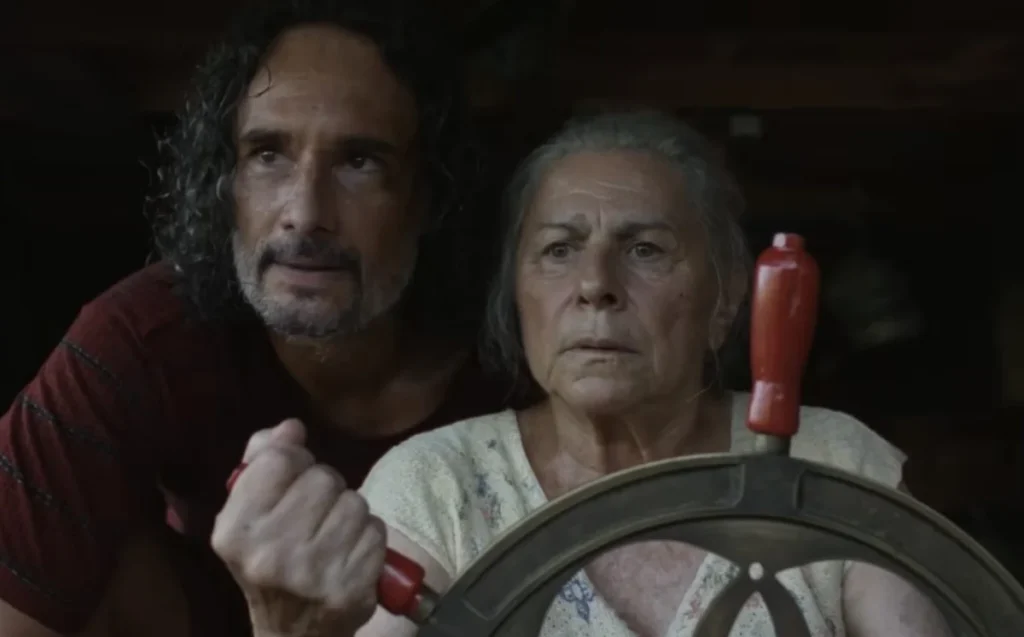
Despite McHale’s departure, Netflix maintained a placeholder page for the film on its platform. This page, which listed Marion Day, Adrian Egan, and David Hemblen as starring cast members, suggests that the production had reached a relatively advanced stage before its ultimate cancellation. The continued presence of this placeholder hints at substantial pre-production efforts, including casting and script development, having been undertaken. The reversion of rights to Penguin Random House, the publisher of the Redwall series, signifies the formal end of Netflix’s involvement.
The Enduring Appeal of Redwall
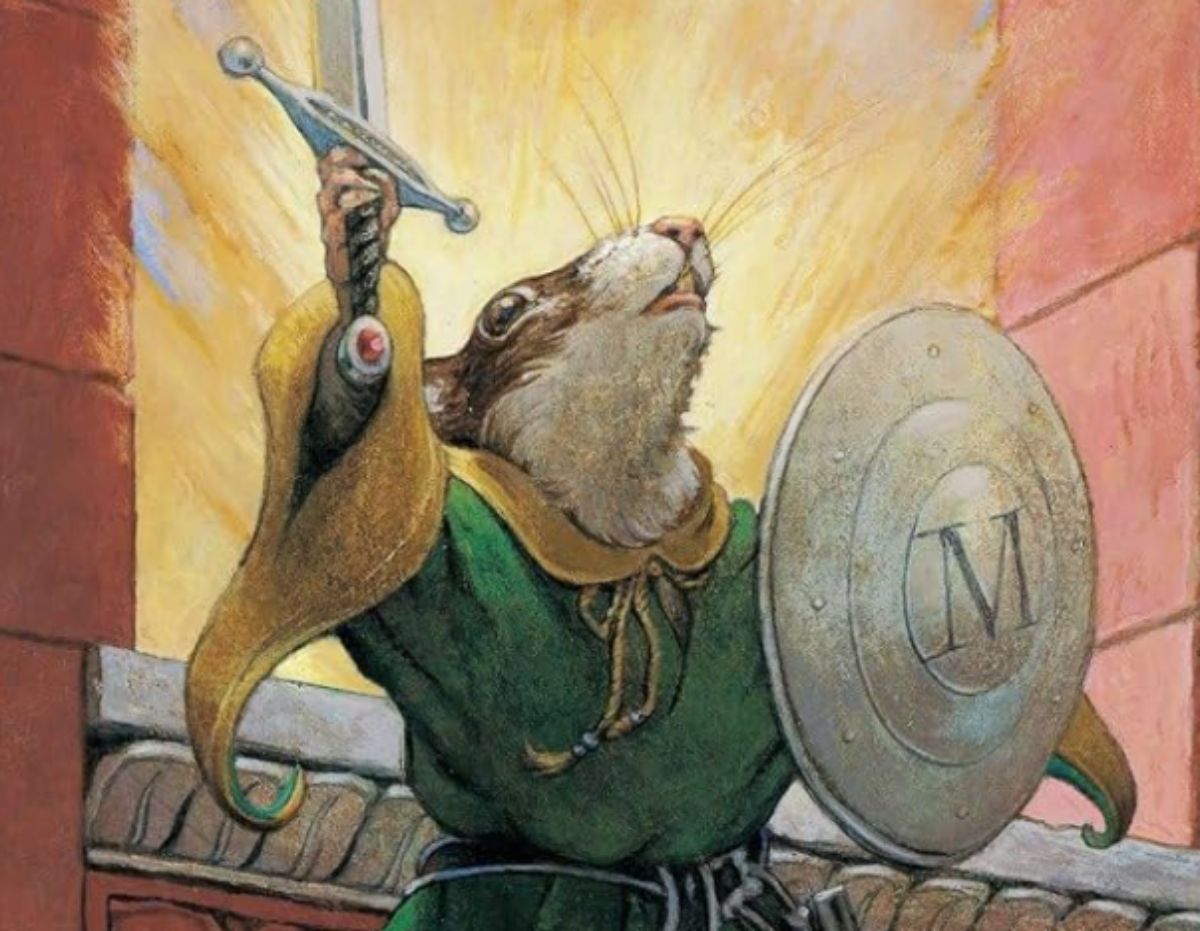
For those unfamiliar with the Redwall universe, the series, primarily aimed at middle-grade readers, centers on a community of anthropomorphic animals living in the medieval-esque Abbey of Redwall. These characters, including brave mice, sturdy badgers, and resourceful otters, inhabit a world filled with adventure, heroism, and the constant struggle against invading forces. A prominent figure in the series is Martin the Warrior, a courageous mouse who serves as a pivotal mentor and a symbol of steadfast friendship and courage. The books are widely celebrated for their intricate world-building, compelling narratives, and the heartwarming portrayal of community and bravery, qualities that have captivated generations of readers.
The enduring popularity of the Redwall series is evident in its consistent sales and the passionate fanbase it has cultivated over decades. Since the first book was published in 1986, the series has sold tens of millions of copies worldwide, translated into numerous languages. This widespread appeal underscores the potential for a successful adaptation, particularly in an entertainment landscape where established intellectual properties are increasingly sought after.
Industry Context and Adaptation Trends
The cancellation of the Redwall projects by Netflix occurs against a backdrop of significant shifts within the streaming industry and the broader media landscape. The era of aggressive content acquisition and expansion, characterized by a willingness to invest heavily in a wide array of projects, appears to be evolving. Companies are now facing increased pressure to demonstrate profitability and to focus on content that yields a demonstrable return on investment.
The decision to abandon the Redwall adaptation can be viewed within this larger context. Options on intellectual property rights often have expiration dates, and the failure to bring a project to fruition before these deadlines can lead to their reversion to the original rights holders. While the specific reasons for Netflix’s ultimate decision remain undisclosed, factors such as escalating production costs, shifting strategic priorities, and potential creative disagreements are common contributors to such cancellations in the industry.
Furthermore, the landscape of animation production has become increasingly competitive, with both traditional studios and streaming services vying for top talent and resources. The development of complex animated features and series requires substantial investment and a long-term commitment, which may have been re-evaluated by Netflix.
Implications and Future Prospects
The demise of Netflix’s Redwall projects raises questions about the future of adaptation for this cherished literary series. The fact that the rights have reverted to Penguin Random House suggests that the door is open for other studios or platforms to pursue their own adaptations. Given the IP’s strong fanbase and inherent appeal, it is plausible that another entity will eventually step forward to bring the stories of Redwall Abbey to the screen.
The industry’s current emphasis on successful adaptations, particularly in the realm of fantasy and adventure, suggests that projects like Redwall remain attractive propositions. The success of other book-to-screen adaptations, such as the Harry Potter franchise, the Lord of the Rings trilogy, and more recently, adaptations of fantasy novels on platforms like HBO and Amazon Prime Video, demonstrates the significant commercial and cultural potential of such endeavors.
For fans of Redwall, the disappointment is palpable. However, the enduring strength of the books themselves provides a continuous source of enjoyment. Many parents who grew up with the series are now eager to share these stories with their children, ensuring that the legacy of Redwall Abbey continues to inspire new generations. The hope remains that the magic of Martin the Warrior and the inhabitants of Redwall will one day find its rightful place in animated form, perhaps under a different banner.
The journey of an adaptation from acquisition to screen is often fraught with challenges. The Netflix Redwall saga serves as a reminder of the complex interplay of creative vision, financial viability, and strategic shifts that shape the entertainment industry. While this particular chapter has closed, the stories of courage, friendship, and community that define the Redwall universe are likely to endure, awaiting their next cinematic iteration.