TOKYO, JAPAN – April 13, 2026 – Renowned animation production house Studio KAI has officially entered a state of insolvency, signaling a significant downturn for the company that has been a key player in the anime industry since its inception. The declaration, formally announced in the Japanese government’s official gazette, the Kanpō, on Monday, follows a challenging fiscal year ending in 2025, during which the studio incurred a substantial net loss of 565 million yen. This financial deficit has rendered the company unable to meet its existing debts and obligations, a critical threshold indicating severe financial distress.
The announcement casts a shadow over the studio’s future and raises questions about the stability of its ongoing and upcoming projects, as well as the livelihoods of its dedicated staff. Studio KAI, established in June 2019 as a subsidiary of ADK Emotions, has been involved in the production of a diverse portfolio of anime titles, contributing to both popular franchises and original works.
Financial Woes: A Pattern of Losses
The recent declaration of insolvency is not an isolated incident but rather a culmination of a period of financial struggle for Studio KAI. The company’s financial reports have indicated a consistent trend of losses in recent years, raising concerns among industry observers.
In its second financial results report for the fiscal year 2021, Studio KAI disclosed a net loss of 165,129,000 yen (approximately US$1.51 million at the time). This figure followed an even more significant loss reported in its first financial report, covering the period ending December 31, 2019. For that initial period, the company registered a deficit of 402,010,000 yen (equivalent to approximately US$3.69 million based on current exchange rates). The cumulative losses over these reporting periods underscore a persistent financial strain that has now led to the current insolvency.
Genesis of Studio KAI: A Strategic Spin-off
Studio KAI’s origins are intrinsically linked to a significant restructuring within the Japanese animation landscape. The studio was formed in June 2019, following an "absorption-type company split" executed by GONZO, a veteran animation studio with a long and storied history in the industry. In July 2019, GONZO strategically transferred a portion of its anime production operations, intellectual property, and rights management business to the newly established Studio KAI. This move was intended to streamline operations and potentially foster new growth avenues for both entities. Studio KAI was thus positioned to inherit a segment of GONZO’s legacy and operational capacity, under the umbrella of ADK Emotions.
A Portfolio of Notable Works
Despite its financial difficulties, Studio KAI has been instrumental in bringing a range of anime series and films to audiences worldwide. The studio’s production credits include a diverse array of titles that have garnered varying degrees of critical and commercial success. Among its notable works are:
- Uma Musume Pretty Derby Season 2: A highly popular series that captivated audiences with its unique blend of sports drama and character development, based on a mobile game franchise.
- 7SEEDS: An anime adaptation of a post-apocalyptic manga, known for its compelling narrative and ensemble cast.
- The New Prince of Tennis: Hyotei vs Rikkai Game of Future: A significant entry in the long-running Prince of Tennis franchise, appealing to its dedicated fanbase.
- Cagaster of an Insect Cage: A science fiction anime that explores themes of survival and societal collapse in a unique, insect-infested world.
- Phantasy Star Online 2: Episode Oracle: An anime series based on the popular MMORPG, bringing the game’s universe to animated life.
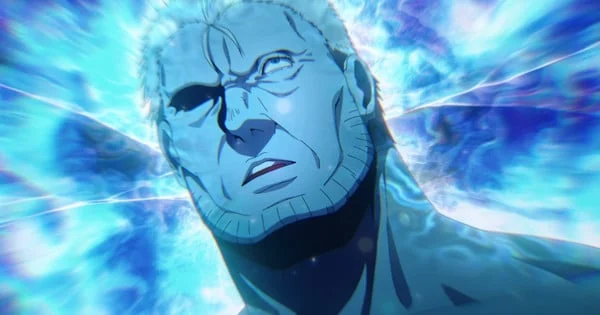
- Skeleton Knight in Another World: A recent isekai fantasy series that has gained traction among fans of the genre.
- Super Cub: A slice-of-life series focusing on the quiet joys of motorcycle ownership and friendship.
The studio has also contributed to other productions such as Sentenced to Be a Hero, Mistress Kanan is Devilishly Easy, The Ramparts of Ice, and 23-ji no Saga Meshi Anime. This diverse output highlights Studio KAI’s capability in handling various genres and production demands.
Industry Context and Broader Implications
The financial struggles of Studio KAI are not occurring in a vacuum. The anime industry, while experiencing significant global growth in terms of viewership and streaming demand, is also characterized by intense competition, tight profit margins, and the constant pressure to produce high-quality content under demanding deadlines. Production studios often operate on thin margins, making them vulnerable to financial shocks.
Several factors can contribute to such financial difficulties within animation studios:
- High Production Costs: Animation is a labor-intensive and time-consuming process. The cost of skilled animators, voice actors, directors, and post-production specialists is substantial.
- Shifting Business Models: The rise of streaming platforms has altered how anime is financed and distributed. While offering wider reach, these platforms often negotiate licensing deals that may not always provide the lucrative returns needed for sustained studio profitability.
- Project Delays and Budget Overruns: Unforeseen production challenges, scope changes, or delays can lead to significant cost overruns, impacting a studio’s bottom line.
- Market Saturation: The sheer volume of anime produced annually means that not all projects achieve the commercial success needed to recoup their investments.
- Economic Downturns: Broader economic conditions, including inflation and changes in consumer spending, can also affect the profitability of entertainment ventures.
The insolvency of Studio KAI could have ripple effects across the industry. It may lead to a reassessment of production pipelines, talent acquisition strategies, and financial management practices by other studios. For employees, it raises concerns about job security and the potential for talent to be absorbed by competing studios. Furthermore, ongoing or planned projects that Studio KAI was involved in may face delays, cancellations, or require reallocation to other production houses, potentially impacting their original vision and quality.
Potential Future Scenarios
While the declaration of insolvency signifies a severe financial crisis, it does not necessarily mean the immediate cessation of all operations or the complete dissolution of the company. In Japan, insolvency proceedings can take various forms, including rehabilitation (similar to bankruptcy protection) or liquidation.
- Rehabilitation: If a viable restructuring plan can be formulated and approved by creditors and the court, Studio KAI might be able to continue operating under new financial management. This would involve renegotiating debts, securing new investment, and potentially streamlining operations to achieve profitability.
- Liquidation: Alternatively, if rehabilitation is not feasible, the company’s assets could be sold off to repay creditors, leading to the eventual closure of the studio.
The specific path forward will depend on the outcome of legal and financial evaluations, as well as the willingness of stakeholders to support a recovery effort. The involvement of ADK Emotions as the parent company will likely play a crucial role in determining the studio’s fate.
The news of Studio KAI’s insolvency serves as a stark reminder of the precarious financial realities that can underpin the vibrant and globally celebrated world of anime production. The coming months will be critical in understanding the full scope of the impact and the ultimate trajectory of this once-promising animation studio.