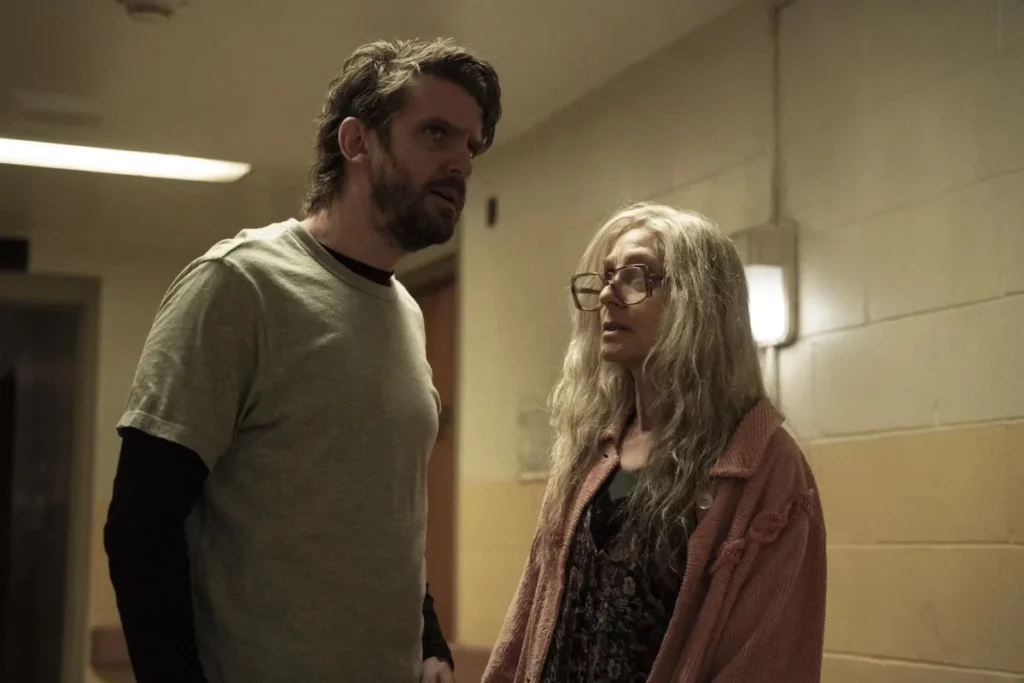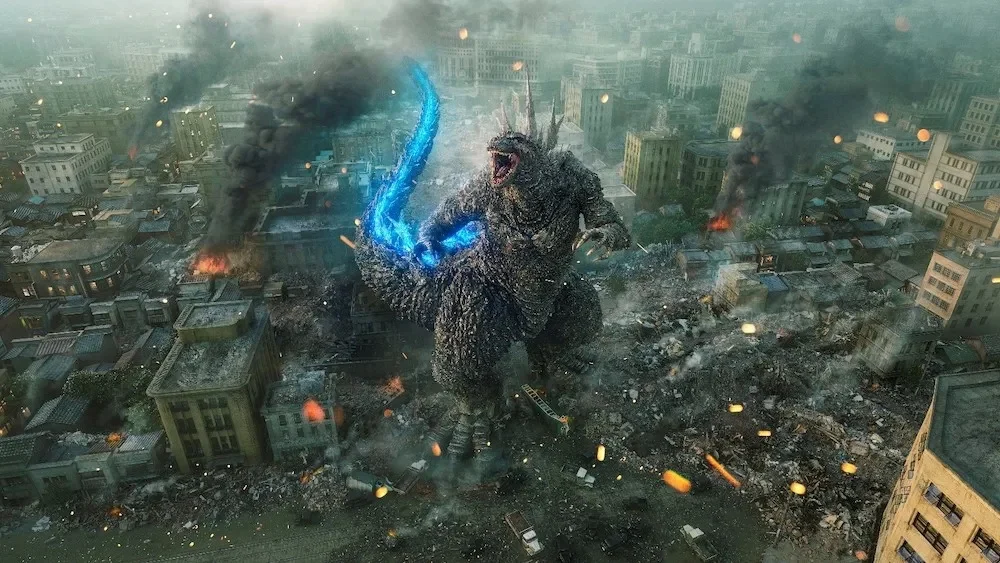
The roar of atomic fury is set to echo once more as TOHO Studios has unveiled the first trailer for Godzilla Minus Zero, the highly anticipated sequel to their critically acclaimed 2023 blockbuster, Godzilla Minus One. This new chapter in the saga of Japan’s iconic kaiju plunges audiences back into a post-war landscape, promising a fresh wave of destruction and a familiar, terrifying presence. Set in 1949, two years after the devastating events of Godzilla Minus One, the film will reintroduce audiences to the resilient Shikishima family, survivors of the initial kaiju onslaught, who are now poised to face "an all-new calamity."
The trailer, released with palpable excitement from fans worldwide, offers a glimpse into the perilous future awaiting the characters. The narrative is expected to delve deeper into the personal struggles and resilience of Koichi Shikishima, portrayed once again by Ryunosuke Kamiki, and Noriko Oishi, reprised by Minami Hamabe. Their journey through the scarred landscape of post-war Japan will undoubtedly be complicated by the return of Godzilla, a force of nature that has consistently challenged humanity’s capacity to endure. A particularly chilling final shot of the trailer depicts the colossal reptile heading towards the Statue of Liberty in New York City, signaling that Godzilla’s reign of terror is no longer confined to Japanese shores.
Takashi Yamazaki, the visionary writer and director behind the Oscar-winning Godzilla Minus One, is returning to helm Godzilla Minus Zero. His dual role as writer and director, coupled with his oversight of the visual effects, suggests a cohesive and artistically driven vision for the sequel. This continuity is a significant factor in building anticipation, as Yamazaki’s masterful blend of human drama and awe-inspiring monster action resonated deeply with audiences and critics alike. Notably, Godzilla Minus Zero is slated to be the first Japanese film specifically shot for IMAX screens, a testament to TOHO’s commitment to delivering a visually spectacular and immersive cinematic experience.
The success of Godzilla Minus One was nothing short of phenomenal. Released in 2023, the film defied expectations, grossing nearly $114 million globally, as reported by Box Office Mojo. Its triumph culminated in a prestigious Academy Award win for Best Visual Effects, a rare feat for a non-English language film and a significant recognition of TOHO’s technical prowess. This critical and commercial success has set a remarkably high bar for Godzilla Minus Zero, with expectations that the sequel will not only match but potentially surpass the achievements of its predecessor. The film is scheduled for a U.S. premiere on November 6, 2026, leaving audiences with a tantalizing wait for Godzilla’s next monumental appearance.
The Lingering Shadow of Post-War Trauma and Godzilla’s Return
Godzilla Minus One masterfully wove its narrative into the fabric of Japan’s immediate post-World War II recovery. The film depicted a nation already grappling with the profound devastation of war, only to be confronted by an even more existential threat in the form of Godzilla. This juxtaposition of human-inflicted destruction and a super-natural force of nature created a potent allegory for the period. The year 1949, as the setting for Godzilla Minus Zero, places the story at a crucial point in Japan’s reconstruction efforts. The scars of the war were still raw, the economy was fragile, and the societal fabric was in the process of being rewoven. Introducing Godzilla into this already precarious environment amplifies the stakes exponentially.
The decision to focus on the Shikishima family suggests a continuation of the deeply personal and character-driven approach that made Godzilla Minus One so impactful. Koichi Shikishima, a former kamikaze pilot haunted by survivor’s guilt, found a path to redemption by confronting Godzilla. His journey was one of grappling with the futility of sacrifice in war and finding a new purpose in protecting life. The return of his family unit, presumably including his adopted daughter, signifies a commitment to exploring the themes of healing, resilience, and the enduring strength of familial bonds in the face of unimaginable adversity. The "all-new calamity" likely refers not only to Godzilla’s destructive capabilities but also to the social and economic ramifications of another catastrophic event on an already struggling nation.
A Global Menace: Godzilla’s International Reach
The trailer’s climactic reveal of Godzilla’s westward trajectory towards New York City marks a significant expansion of the kaiju’s narrative scope. While Godzilla has historically been a symbol of Japan’s nuclear anxieties and post-war trauma, his appearance in the United States suggests a broader, global narrative. This move could be interpreted in several ways. It might signify Godzilla’s evolving nature, becoming a more indiscriminate force of destruction that transcends national boundaries. Alternatively, it could be a narrative device to explore international responses to such a colossal threat, potentially involving global alliances or conflicts.
The visual of Godzilla approaching the Statue of Liberty is a powerful juxtaposition. The iconic symbol of freedom and democracy facing an ancient, destructive force underscores the universal nature of the threat. This visual cue could also be a subtle nod to the global impact of nuclear weapons, a theme deeply embedded in Godzilla’s origins, and the shared responsibility of nations to confront such existential dangers. The logistical and political implications of Godzilla appearing in U.S. waters would be immense, likely involving international military cooperation and scientific endeavors to understand and combat the creature.
The Yamazaki Touch: A Legacy of Visual and Narrative Excellence
Takashi Yamazaki’s directorial vision has been instrumental in revitalizing the Godzilla franchise. His understanding of the character’s core themes—nuclear devastation, the hubris of humanity, and the indomitable will to survive—coupled with his technical expertise, has resulted in a truly singular cinematic experience. Godzilla Minus One was lauded for its grounded approach, focusing on the human cost of Godzilla’s rampages rather than solely on the spectacle of monster battles. This emphasis on character and emotional resonance, set against a backdrop of meticulously rendered visual effects, is what set it apart.
The commitment to shooting Godzilla Minus Zero for IMAX screens suggests a desire to push the boundaries of visual immersion. IMAX presentations are known for their larger-than-life screens, superior aspect ratios, and enhanced audio systems, all of which contribute to a more visceral and engaging viewing experience. For a creature as massive and awe-inspiring as Godzilla, this format is ideal for conveying his sheer scale and destructive power. Yamazaki’s previous success in delivering breathtaking visuals for Godzilla Minus One, which earned him an Oscar, indicates that Godzilla Minus Zero will likely be a feast for the eyes, with every tremor, every atomic breath rendered with astonishing detail.
Data and Projections: Building on a Monumental Success
The financial success of Godzilla Minus One provided a robust foundation for the sequel. Its global box office earnings of nearly $114 million, according to Box Office Mojo, far exceeded initial projections for a Japanese film in many international markets. This success can be attributed to several factors: a compelling narrative that resonated with audiences on an emotional level, exceptional visual effects that rivaled Hollywood blockbusters, and a strategic release that capitalized on positive word-of-mouth and critical acclaim. The Oscar win for Best Visual Effects further cemented its international prestige and generated significant goodwill.
Given this strong performance and the established pedigree of the creative team, the outlook for Godzilla Minus Zero appears very promising. The returning cast, the continued involvement of Takashi Yamazaki, and the promise of an expanded narrative scope, including a U.S. setting, are all strong indicators of potential success. The decision to premiere in the U.S. on November 6, 2026, suggests a deliberate strategy to build anticipation and leverage the film’s international appeal. Industry analysts are likely forecasting a significant box office performance, potentially exceeding that of Godzilla Minus One, particularly if the film can capture the same blend of heart-pounding action and compelling human drama that defined its predecessor.
Official Statements and Fan Reactions (Inferred)
While direct quotes from TOHO Studios or the filmmakers regarding Godzilla Minus Zero beyond the trailer release are not yet public, the general sentiment from the studio’s decision-making process can be inferred. The immense success and critical acclaim of Godzilla Minus One undoubtedly signaled a strong desire to continue the franchise. The investment in a sequel, with a larger scope and IMAX production, demonstrates a firm belief in the project’s commercial viability and artistic merit.
Fan reactions, as observed on social media and online forums, have been overwhelmingly positive and enthusiastic following the trailer’s debut. Keywords such as "epic," "can’t wait," and "masterpiece" are frequently associated with discussions about Godzilla Minus Zero. The return of Kamiki and Hamabe, coupled with the visual promise of Godzilla’s global rampage, has ignited significant excitement within the kaiju fandom. The anticipation for Yamazaki’s next cinematic offering is palpable, with many fans eager to see how he will further develop the lore and character of Godzilla while maintaining the emotional depth that characterized the previous film.
Broader Impact and Implications: A New Era for Japanese Cinema?
The continued success of TOHO’s Godzilla films, particularly Godzilla Minus One, could signal a new era for Japanese cinema on the global stage. In an era where international co-productions and Hollywood blockbusters often dominate the box office, a Japanese-made film achieving such widespread critical and commercial acclaim is a significant accomplishment. It demonstrates that original storytelling, rooted in distinct cultural contexts and executed with world-class technical skill, can resonate with audiences worldwide.
Godzilla Minus Zero‘s potential to further elevate Japanese filmmaking’s global profile cannot be overstated. By continuing to produce high-quality, impactful films that transcend language barriers, TOHO Studios is not only strengthening its own brand but also paving the way for other Japanese directors and producers to gain international recognition. The film’s success could inspire more investment in Japanese film production and foster greater cultural exchange within the global cinematic landscape. The narrative themes of resilience, survival, and the consequences of destruction, when delivered through the iconic lens of Godzilla, have a universal appeal that continues to captivate audiences across the globe. The prospect of Godzilla’s continued global reign promises a thrilling cinematic event that will undoubtedly be a major talking point in the years to come.