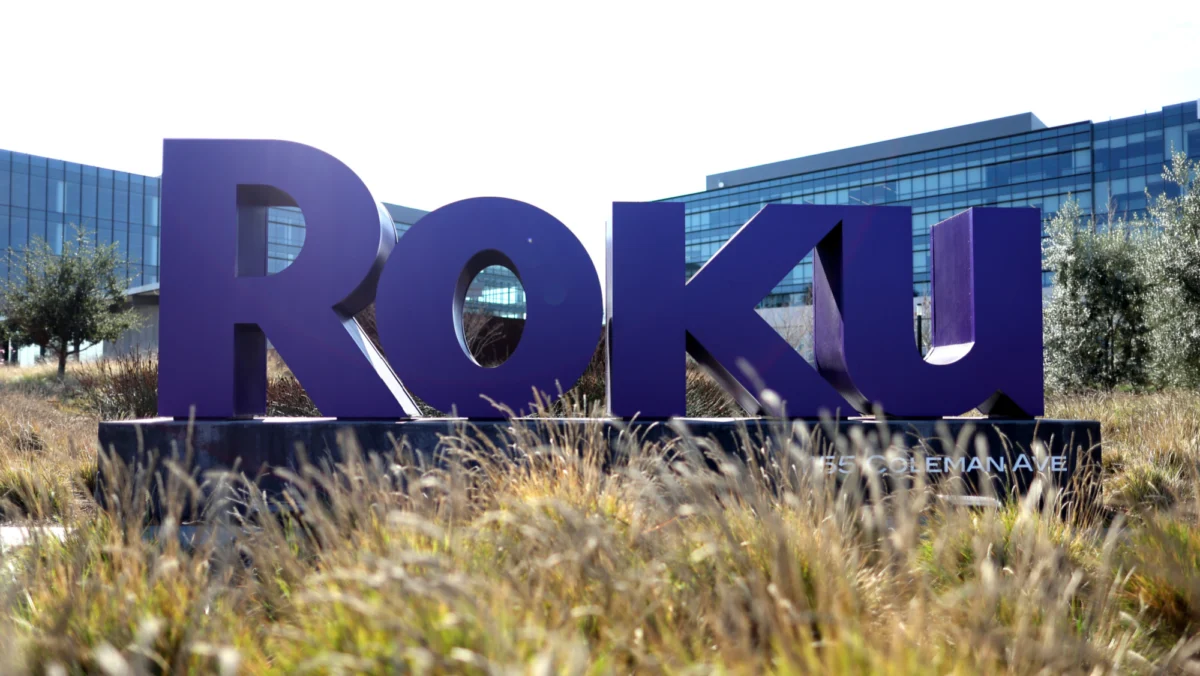
Roku has officially surpassed the milestone of 100 million streaming households worldwide, achieving a long-held strategic objective that cements its position as a dominant force in the global entertainment landscape. This achievement, reached in April, follows a period of rapid acceleration for the company, which had previously reported crossing the 90 million household mark in January 2025. The crossing of the 100 million threshold represents more than just a numerical success; it serves as a validation of Roku’s transition from a hardware-centric device manufacturer to a comprehensive software platform and content powerhouse.
Despite reaching this historic figure, Roku has maintained a disciplined approach to its financial reporting. In recent quarters, the company transitioned away from providing frequent updates on household growth, choosing instead to prioritize metrics related to platform revenue and overall profitability. This shift reflects a maturing business model where the monetization of the existing user base through advertising and services has become as critical as the acquisition of new accounts. However, the significance of the 100 million milestone was deemed substantial enough to warrant a formal announcement, highlighting the company’s continued scale in an increasingly competitive streaming environment.
The Strategic Path to 100 Million Households
The journey to 100 million households has been defined by a multi-pronged growth strategy involving hardware affordability, software licensing, and original content expansion. While Roku began as the hardware partner for Netflix’s first streaming player in 2008, it has since evolved into an operating system (OS) that powers millions of smart TVs through partnerships with manufacturers like TCL, Hisense, and RCA. This licensing model allowed Roku to capture market share without the overhead of manufacturing every screen, effectively embedding its interface into the living rooms of diverse demographics.
A critical component of this recent growth spurt was the August launch of "Howdy," a low-cost streaming platform designed to lower the barrier to entry for budget-conscious consumers and emerging international markets. By offering a streamlined, affordable hardware and software experience, Roku successfully tapped into segments of the population that had previously remained loyal to traditional cable or were priced out of premium streaming setups.
Chronologically, the company’s growth has shown remarkable resilience. After the surge of the early 2020s, many analysts expected a plateau in the streaming sector. However, Roku’s ability to grow from 90 million in early 2025 to 100 million just over a year later suggests that the "cord-cutting" phenomenon still has significant momentum. This growth is increasingly driven by international expansion, particularly in regions like Latin America and parts of Europe, where Roku has been aggressively marketing its OS to local television brands.
Financial Performance and Platform Revenue
The announcement of the 100 million household milestone comes on the heels of an earnings report that exceeded Wall Street expectations. Roku’s financial health is increasingly tied to its "Platform" segment, which includes streaming services, media distribution, and, most importantly, video advertising. In the most recent fiscal period, the company cited a significant uptick in video advertising revenue, buoyed by sophisticated ad-buying tools and a growing library of free, ad-supported content.
The strength of the platform revenue is also attributed to continuous improvements in the user interface (UI). Roku has invested heavily in machine learning and data analytics to refine its content discovery algorithms. By making it easier for users to find movies and shows across a fragmented landscape of apps (including Netflix, Disney+, and Max), Roku has increased user engagement and time spent on the platform—a key metric for advertisers.
Supporting data from the Nielsen Gauge underscores this engagement. In December 2025, The Roku Channel, the company’s proprietary free, ad-supported streaming television (FAST) service, hit an all-time high in viewership. It accounted for 6.3 percent of all TV streaming in the United States, a figure that rivals some of the industry’s most established subscription-based services. This data indicates that Roku is not just a gateway to other apps but is increasingly a destination for content in its own right.
Official Responses and Executive Vision
The leadership at Roku has framed this milestone as a transformative moment for the industry at large. Anthony Wood, the Founder and CEO of Roku, emphasized that the company is no longer just participating in the television market but is actively leading its evolution.
"Surpassing 100 million streaming households is a defining moment, not just for Roku, but for the future of television," Wood stated. "We’re helping shape the entertainment landscape by making it easier to discover great content, more affordable to watch it, and more effective for advertisers and partners around the world to connect with audiences. We are deeply grateful to our viewers, teams, advertisers, and partners for helping us reach this milestone. And as the shift to streaming continues to accelerate, we’re more energized than ever to lead the evolution of television."
The company’s definition of "streaming households" is rigorous, calculated as the number of distinct user accounts that have streamed on the Roku platform within a given 30-day period. This metric excludes inactive accounts and focus strictly on active engagement, providing a transparent look at the platform’s actual reach for its advertising partners.
Comparative Market Analysis and Industry Implications
To understand the weight of 100 million households, one must look at the competitive landscape. Roku’s primary rivals—Amazon’s Fire TV and Google’s Google TV/Android TV—also command massive global footprints. However, Roku’s advantage has historically been its neutrality and its singular focus on the TV experience, whereas its competitors are often part of much larger conglomerates with diverse interests.
The achievement of 100 million households provides Roku with the scale necessary to negotiate more favorable terms with content providers. In the modern "streaming wars," the platform that controls the "home screen" holds the power. By being the primary interface for 100 million homes, Roku can dictate how apps are positioned, how content is searched, and how data is utilized for targeted advertising.
Industry analysts suggest that this milestone will likely trigger further investment in "Roku Originals." As the company gains more data on what 100 million households are watching, it can make more informed bets on original programming, reducing the financial risk associated with content production. Furthermore, the 100 million mark is a psychological threshold for advertisers. Many global brands allocate budgets based on "reach," and hitting the nine-figure mark puts Roku in a rare category of digital platforms that can offer true mass-market penetration.
Future Outlook: The Role of "Howdy" and International Expansion
Looking ahead, the "Howdy" service is expected to play a pivotal role in the next phase of Roku’s growth. By targeting the "next 100 million," Roku is signaling that it understands the limitations of the high-end hardware market. "Howdy" serves as a strategic hedge against economic volatility, ensuring that even as consumers tighten their belts, they can still access a robust streaming ecosystem.
The broader implications of Roku’s growth also touch upon the decline of linear cable television. As Roku expands, the value proposition for traditional cable bundles continues to erode. The 6.3 percent viewership share for The Roku Channel is particularly telling; it suggests that "free" is a powerful motivator for audiences who are tired of escalating subscription costs. The shift toward FAST services (Free Ad-Supported Streaming TV) is a trend that Roku has not only anticipated but pioneered.
However, challenges remain. As Roku grows, it faces increasing scrutiny regarding data privacy and the dominance of its platform. Regulators in both the U.S. and Europe have shown an increased interest in how platform owners manage their marketplaces. Maintaining a fair ecosystem for third-party developers while simultaneously promoting its own "The Roku Channel" and "Howdy" service will be a delicate balancing act for the company in the coming years.
Conclusion: A New Era for Television
The milestone of 100 million streaming households marks the end of the "early adoption" phase of streaming and the beginning of its era as the global standard for media consumption. Roku has successfully navigated the transition from a niche hardware startup to a central pillar of the digital economy.
By focusing on the democratization of content through low-cost initiatives like "Howdy" and the monetization of engagement through its sophisticated advertising platform, Roku has built a resilient model that appears well-positioned for the future. As the company continues to refine its interface and expand its international footprint, the 100 million mark will likely be viewed by historians of the industry as the moment when the "new television" finally arrived at the scale of the old. The focus now shifts to how Roku will leverage this massive audience to drive the next generation of interactive and personalized entertainment experiences.