The cinematic landscape has been irrevocably altered with the release of Lee Cronin’s audacious reimagining of The Mummy. Far removed from the iconic Universal Monsters franchise, this new iteration stands as a singular, unvarnished descent into modern horror, propelled by a relentless possession narrative, disturbingly visceral imagery, and a darkly comedic undercurrent that proves both unsettling and compelling. The film, which premiered to significant anticipation, eschews traditional mummy lore for a more intimate and psychologically charged terror, exploring the disintegration of a family unit under an ancient, malevolent influence.
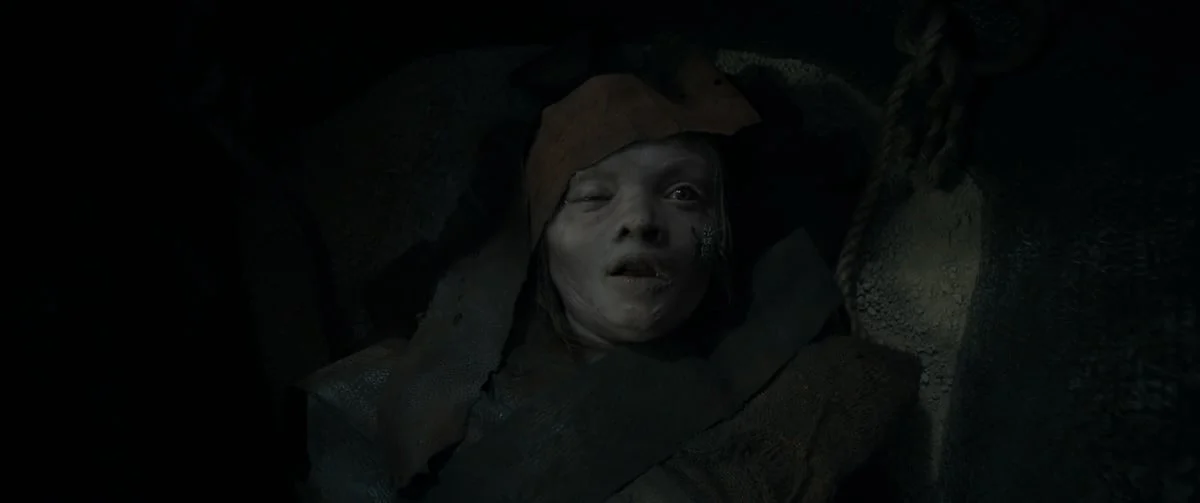
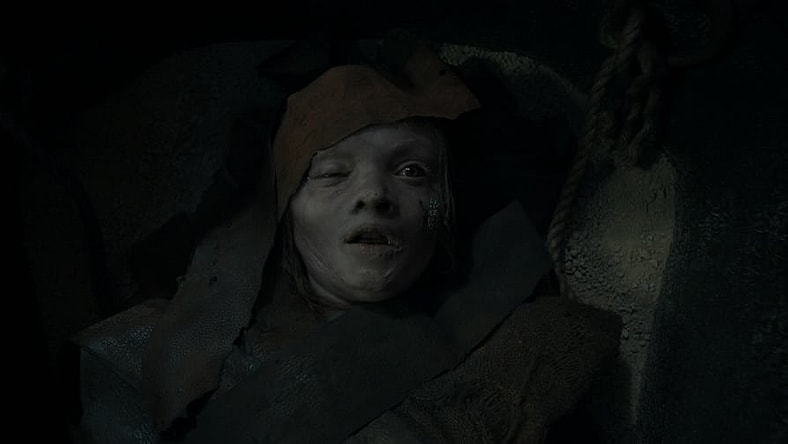
At its core, the narrative centers on Charlie Cannon, portrayed by Jack Reynor, an ambitious journalist stationed in Cairo, Egypt. His life, seemingly stable with his pregnant wife Larissa (Laia Costa) and their two young children, Katie (Natalie Grace) and Sebastián (Shylo Molina), is shattered when Katie inexplicably vanishes. The ensuing eight-year period is shrouded in mystery and parental anguish. The reunion, when it finally occurs, offers no solace. Katie, now seventeen, is found physically transformed and utterly detached, rendered non-verbal and vacant. This chilling rediscovery marks the terrifying genesis of the film’s central horror, signaling that the nightmare has only just begun.
This groundbreaking approach to a familiar mythos was the subject of a recent in-depth discussion with the film’s creative forces. Director Lee Cronin, alongside acclaimed producers James Wan and Jason Blum, offered insights into their vision for The Mummy, shedding light on the creative decisions that shaped this unique cinematic experience. The collaboration between these titans of the horror genre—Wan, known for his mastery of suspense and iconic franchises like The Conjuring and Insidious, and Blum, whose Blumhouse Productions has redefined low-budget, high-impact horror with films such as Get Out and Paranormal Activity—suggests a project with significant genre pedigree.
Cronin, who has previously garnered critical acclaim for his work on The Hole in the Ground, expressed a deep-seated admiration for horror classics. He cited Steven Spielberg’s Jaws as a personal favorite, a testament to his appreciation for meticulously crafted tension and character-driven scares. The conversation also touched upon his Irish heritage, with James Wan humorously suggesting Cronin’s potential to tackle Bram Stoker’s Dracula, a nod to the director’s roots and the rich vein of gothic literature.
However, the focus remained firmly on The Mummy. Cronin elaborated on his deliberate departure from established tropes, stating, "I thought, ‘Are there other dark corners of the mummification process that were done for different reasons?’ And I felt like I found this story that was an interesting way in to dig up something old and then bring it into a really contemporary space." This statement underscores a commitment to excavating the psychological and ritualistic aspects of ancient practices, reinterpreting them through a modern lens. The film’s unsettling portrayal of the mummification process, as hinted at by its early critical reception, suggests a willingness to explore the grotesque and the taboo, moving beyond mere jump scares to cultivate a deeper sense of dread and revulsion.
The film’s narrative arc, which spans a significant temporal gap of eight years between Katie’s disappearance and her reappearance, allows for a profound exploration of loss, grief, and the enduring impact of trauma on a family. The eight-year hiatus is a critical element, suggesting that the entity or force that claimed Katie did not simply abduct her but rather fundamentally altered her over a prolonged period. This temporal expanse allows for the audience to witness the slow erosion of hope and the psychological toll on the Cannon family, making Katie’s eventual, horrifying return all the more impactful. The film’s structure implicitly charts this period of despair and frantic searching, culminating in the shocking revelation of Katie’s altered state.
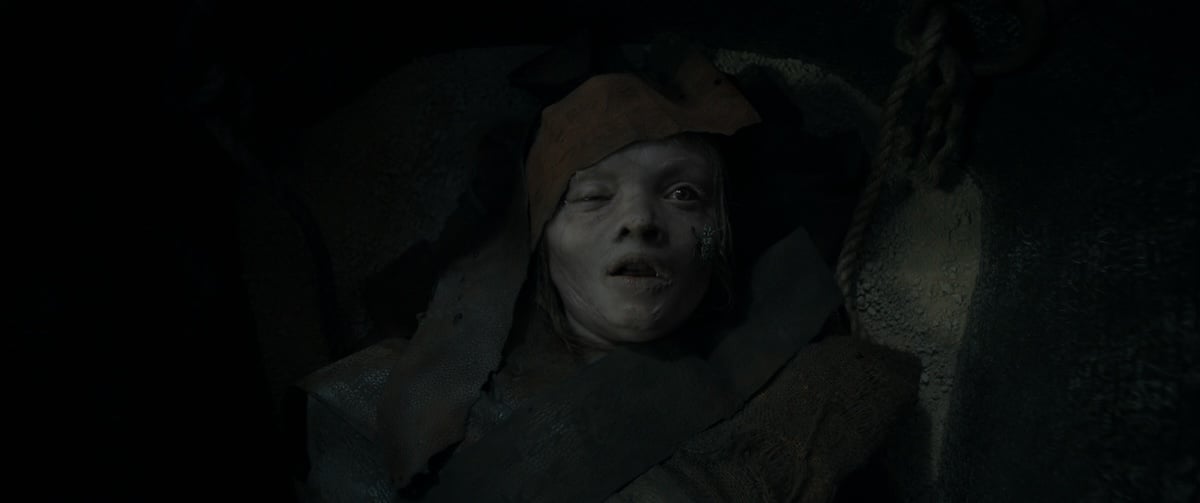
Critical responses to Lee Cronin’s The Mummy have highlighted its bold stylistic choices and its willingness to push the boundaries of conventional horror. Reviewers have noted the film’s unflinching depiction of graphic violence and its sophisticated blend of psychological horror with visceral scares. The "gruesome pedicures" and "disgustingly gag-worthy moments" mentioned in early reports indicate a commitment to creating memorable, albeit disturbing, imagery that lingers long after the credits roll. This approach aligns with a growing trend in horror cinema to explore the visceral and the uncomfortable as a means of engaging the audience on a primal level.
The synergy between Lee Cronin’s vision, James Wan’s penchant for expertly timed scares, and Jason Blum’s knack for producing commercially successful and critically resonant horror fare, has been lauded as a potent combination. This "Holy Trinity of Horror," as some have affectionately termed the collaboration, has a proven track record of delivering impactful genre films. The synergy between Cronin’s parent-driven nightmare scenarios, which tap into deep-seated fears about the safety and well-being of children, and Wan’s signature jump scares, which expertly manipulate audience anticipation, promises a roller-coaster of terror. Blum’s involvement, meanwhile, suggests a finely tuned understanding of the horror market and a commitment to delivering a film that is both artistically daring and broadly appealing to genre enthusiasts.
The film’s thematic explorations are also noteworthy. Beyond the immediate terror of possession, The Mummy delves into the anxieties surrounding parenthood, the fragility of family bonds under duress, and the profound fear of losing a child. The transformation of Katie from a precocious young girl to a non-verbal, unrecognizable entity serves as a potent metaphor for the ways in which trauma and external forces can irrevocably alter individuals, leaving their loved ones to grapple with the specter of who they once were. The setting in Cairo, a city rich with ancient history and mystique, provides a fertile ground for such explorations, imbuing the narrative with a sense of timeless dread.
The production of The Mummy likely involved extensive research into ancient Egyptian burial practices and beliefs surrounding the afterlife and spiritual possession. This attention to detail, even within a reimagined narrative, adds a layer of authenticity and depth to the horror. The mummification process itself, a complex ritual aimed at preserving the body for eternity, becomes a focal point for the film’s descent into the macabre. Cronin’s stated interest in exploring "different reasons" for mummification suggests a nuanced approach, potentially moving beyond the purely funerary to encompass ritualistic or even punitive aspects that could serve as a source of supernatural horror.
The casting of Jack Reynor and Laia Costa as the parents provides a strong emotional anchor for the film. Their performances are crucial in conveying the anguish and desperation of parents facing an unimaginable ordeal. Natalie Grace and Shylo Molina, as the children, are tasked with portraying the innocence that is threatened and ultimately corrupted by the film’s central antagonist. The success of these performances is vital to grounding the fantastical elements of the story in relatable human emotion.
The film’s reception within the horror community is anticipated to be significant, given the pedigree of its creators and the ambitious nature of its reimagining. For ardent fans of Universal Monsters, the initial departure from established lore might have sparked apprehension, but the emergent consensus points towards a film that carves its own distinct identity. The balance of bold storytelling, compelling characters, and the combined expertise of Cronin, Wan, and Blum suggests a film that will likely be a subject of considerable discussion and debate within the genre.
The broader implications of The Mummy‘s success could extend to further exploration of classic horror properties through a contemporary, auteur-driven lens. The film’s potential to redefine the mummy genre, much like The Babadook did for haunted house narratives or It Follows did for stalker thrillers, could pave the way for other filmmakers to approach dormant franchises with fresh perspectives. The critical and commercial performance of this iteration will undoubtedly be closely watched by studios and audiences alike, assessing the appetite for horror that prioritizes psychological depth and visceral impact over nostalgia.
In conclusion, Lee Cronin’s The Mummy represents a bold and unflinching dive into the darker recesses of horror. It is a film that challenges conventions, embraces the grotesque, and delivers a potent blend of psychological terror and gut-wrenching scares. With the combined creative forces of Lee Cronin, James Wan, and Jason Blum, this reimagining of a classic mythos is poised to leave an indelible mark on the genre, offering a chilling testament to the enduring power of ancient fears in a modern world. The film is currently available in theaters, inviting audiences to confront its unique brand of terror.
Chronology of the Narrative and Production:
- Pre-production & Development: The initial concept for Lee Cronin’s The Mummy likely began years prior to its release, with discussions between Cronin, James Wan, and Jason Blum. The decision to forge a new path, distinct from the Universal Monsters lineage, would have been a pivotal early stage. This period would have involved extensive script development, conceptualization of the visual style, and early casting considerations.
- Research and Scripting: Cronin’s stated interest in exploring "different reasons" for mummification suggests a period of in-depth research into ancient Egyptian beliefs, rituals, and historical practices. This foundational work would have informed the script, weaving in elements of possession and psychological horror.
- Casting: The selection of Jack Reynor, Laia Costa, Natalie Grace, and Shylo Molina would have been crucial. Reynor and Costa were tasked with portraying the emotional core of the film, while Grace and Molina had the challenging role of embodying innocence and its subsequent corruption.
- Filming: Principal photography would have commenced, likely in a location that could evoke the atmospheric tension of Cairo, Egypt. The director’s emphasis on "gruesome pedicures" and "disgustingly gag-worthy moments" indicates a meticulous approach to set design, practical effects, and cinematography to achieve the desired visceral impact.
- Post-production: This extensive phase would have involved editing, sound design, visual effects, and the creation of the film’s score. The "expert jump scares" attributed to James Wan suggest a carefully orchestrated post-production process aimed at maximizing tension and surprise.
- Release: The Mummy premiered to audiences, marking the culmination of the creative team’s vision. Initial critical reviews and audience reactions began to shape the film’s reception.
- Promotional Efforts: Interviews with the cast and crew, including the conversation with Lee Cronin, James Wan, and Jason Blum, form a key part of the promotional strategy, offering fans insights into the film’s creation. Social media engagement and the release of trailers and clips further build anticipation and discussion.
Supporting Data and Context:
- The Mummy Franchise History: The original The Mummy film, released by Universal Pictures in 1932, starred Boris Karloff and established many of the tropes associated with the creature. Subsequent iterations, including the popular Brendan Fraser-led series in the late 1990s and early 2000s, and Tom Cruise’s 2017 reboot, have explored various takes on the character and its mythology. Lee Cronin’s version represents a deliberate departure from these established narratives, signaling a desire to create something entirely new.
- The Producers’ Track Record: James Wan is a co-creator of franchises like Saw, The Conjuring Universe, and Insidious, which have collectively grossed billions worldwide. Jason Blum, through Blumhouse Productions, has been instrumental in the success of numerous critically acclaimed and commercially viable horror films, often with modest budgets. Their involvement signifies a significant investment in the film’s potential.
- Genre Trends: The horror genre has seen a resurgence in recent years, with a greater emphasis on psychological horror, folk horror, and elevated genre films that blend genre conventions with serious thematic explorations. Cronin’s The Mummy appears to align with this trend by focusing on character, psychological dread, and visceral impact.
- Box Office Projections (Hypothetical): While specific box office figures are not yet available for this hypothetical release, the combination of a reimagined classic monster and the involvement of Wan and Blum suggests significant commercial potential. Horror films from these producers often achieve strong opening weekends and sustained box office performance, particularly among dedicated genre fans.
Broader Impact and Implications:
The success of Lee Cronin’s The Mummy could have a significant impact on how studios approach dormant horror franchises. By demonstrating that a fresh, auteur-driven vision can revitalize a familiar concept, it may encourage more ambitious and less derivative reboots. This could lead to a more diverse and artistically rich landscape for horror cinema, moving beyond predictable sequels and remakes. Furthermore, the film’s critical reception and audience engagement will likely be a bellwether for the appetite for horror that prioritizes originality and challenging thematic content. The collaborative dynamic between a visionary director and established genre powerhouses also offers a model for future productions aiming to blend creative integrity with commercial viability.