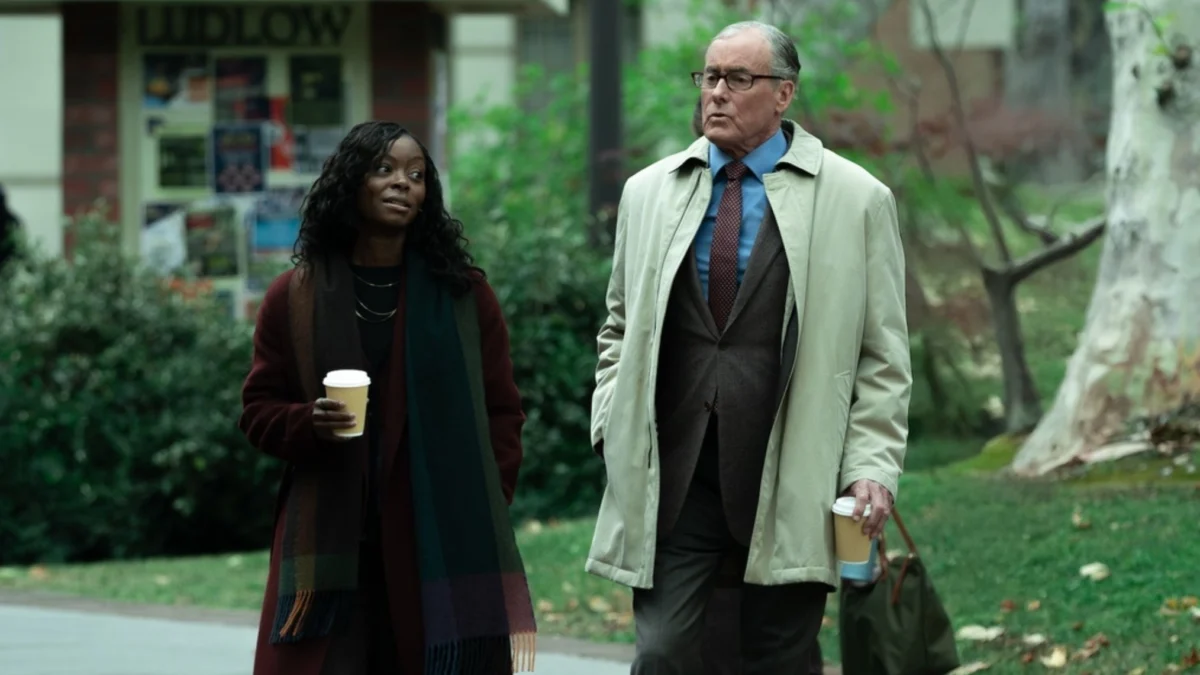
The latest installment of HBO’s freshman comedy series, Rooster, has shifted its narrative focus toward the internal and professional struggles of Walt, the President of Ludlow College, portrayed by veteran actor John C. McGinley. In Season 1, Episode 7, the series moves beyond its ensemble dynamics to scrutinize the weight of administrative responsibility and the personal isolation often found at the top of academic hierarchies. The episode serves as a pivotal moment for the series, forcing its central protagonist to choose between the comfortable loyalty of the past and the progressive requirements of a modern educational institution. As Walt navigates the selection of a permanent Dean, the show delves into themes of gender representation in leadership, the "loneliness epidemic" among American men, and the evolving standards of professional conduct in the 21st century.
The Dean Dilemma: Institutional Progress Versus Personal Loyalty
The central conflict of the episode arises when Walt is tasked with appointing a permanent Dean for Ludlow College. The vacancy was created by the temporary departure of Dean Riggs, played by Alan Ruck, who returns to campus in this episode following a recovery period from a major heart attack. Riggs represents the "old guard" of academia—a long-time mentor and friend who provided Walt with crucial support during his early years at the institution. However, Riggs’ return is complicated by a history of behavior that, by contemporary academic standards, renders him a significant liability. The narrative highlights the tension between Walt’s deep-seated gratitude toward his mentor and the objective reality that Riggs no longer fits the cultural or professional expectations of a modern college campus.
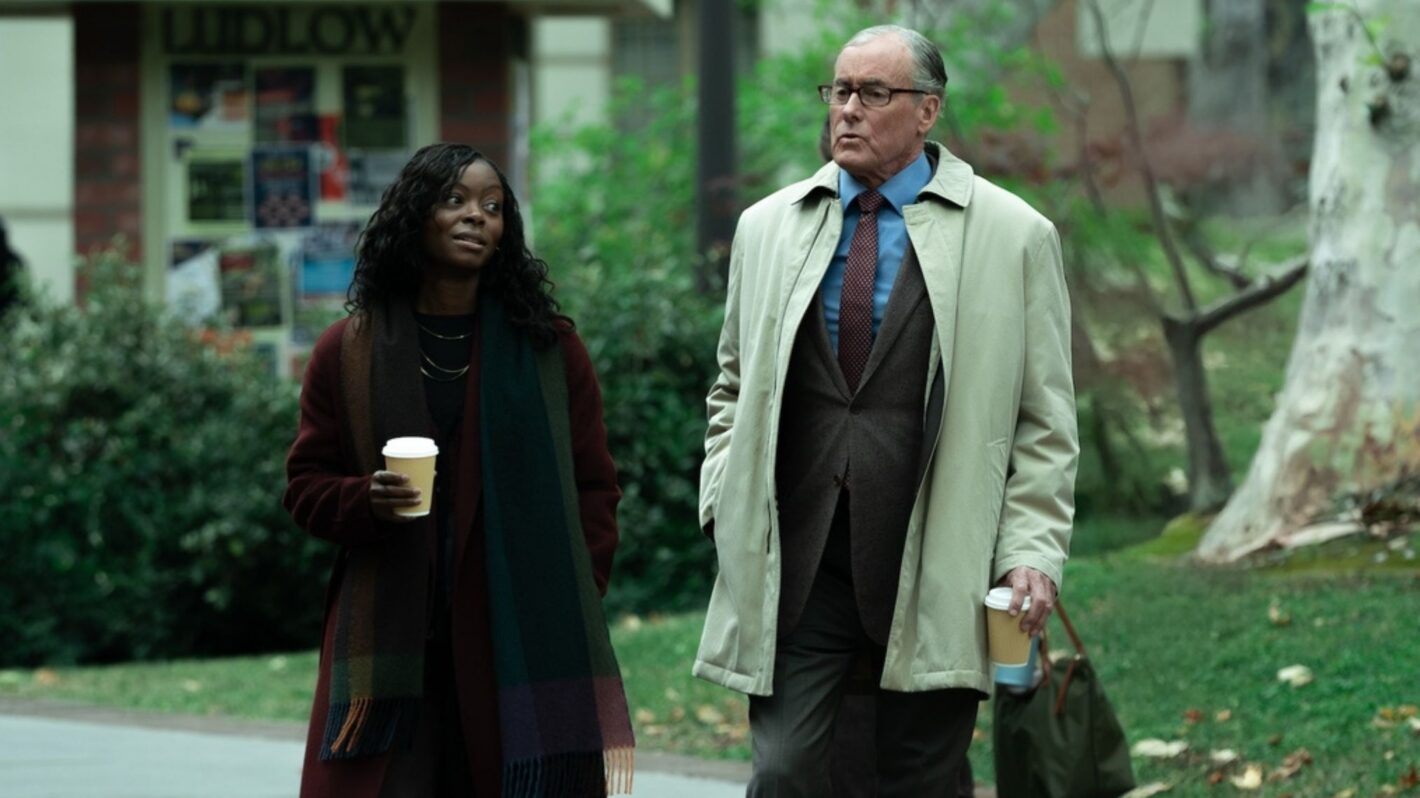
Opposing Riggs is Dylan, portrayed by Danielle Deadwyler, who has been serving in the interim role. Dylan represents the administrative efficiency and cultural competence that Ludlow College requires to move forward. Despite her obvious qualifications, Walt exhibits a characteristic hesitation, rooted not in a doubt of Dylan’s abilities, but in a reluctance to sever ties with the man who helped build his career. The episode illustrates the "good old boys" network of academia being challenged by the necessity of merit-based advancement.
Ultimately, through the intervention and counsel of supporting characters Greg (Steve Carell) and Katie (Charly Clive), Walt arrives at a decision. He chooses to appoint Dylan permanently, signaling a shift in Ludlow College’s trajectory. This decision is framed not merely as a plot point, but as a realization that the institution requires diverse leadership and that the historical exclusion of women from high-level administrative roles is a systemic failure that he, as President, has the power to rectify.
The Male Loneliness Epidemic as a Narrative Foundation
A significant portion of the episode and the character development of Walt is dedicated to the concept of the "loneliness epidemic." During promotional discussions and behind-the-scenes insights, John C. McGinley revealed that this theme was a deliberate focus for series creator Bill Lawrence. McGinley, known for his nuanced portrayals of complex authority figures, contributed significantly to the character’s internal life by writing a multi-page "manifesto" on loneliness, which Lawrence then integrated into the script.
This narrative choice reflects a broader societal trend. According to reports from the U.S. Surgeon General, loneliness and isolation have become a public health crisis in the United States, particularly among men. Data suggests that men are less likely to maintain close friendships as they age, often prioritizing career objectives and professional milestones over social connectivity. In Rooster, Walt is the embodiment of this statistic. Despite achieving his life’s ambition—the presidency of a college—he finds himself in a vacuum. His wife is frequently absent, traveling for six months of the year, and he lacks children, leading him to view the student body as his de facto family.
The episode emphasizes that Walt’s professional success has come at the cost of personal intimacy. His interactions with his staff are often transactional; as he notes in a poignant moment of reflection, most people in his life only interact with him because they need something from his office. This isolation informs his hesitation regarding Dean Riggs; Riggs represents one of the few remaining links to a time when Walt felt a sense of personal connection rather than mere administrative utility.
Statistical Context: Women in Higher Education Leadership
The decision to appoint Dylan as Dean also mirrors real-world discussions regarding gender parity in higher education. While women have outpaced men in earning undergraduate and graduate degrees for several decades, their representation in the highest levels of academic administration—such as college presidencies and senior deanship—has historically lagged.
According to data from the American Council on Education (ACE), as of recent years, women hold approximately 30-33% of college presidency positions in the United States. While this represents an increase from previous decades, the growth has been slow. By choosing Dylan, Walt’s character is shown participating in a broader movement to diversify the "C-suite" of academia. The narrative underscores that the transition from interim to permanent status for women in these roles is often fraught with more scrutiny than that of their male counterparts, a theme that Rooster explores with a blend of comedic timing and dramatic weight.
Chronology of Character Evolution: Walt and Dylan’s Relationship
Throughout the first seven episodes of Season 1, the relationship between Walt and Dylan has evolved from a strictly professional hierarchy to a profound, albeit unacknowledged, friendship. The show suggests that Dylan is, in many ways, Walt’s closest confidant, providing the intellectual and emotional support that his personal life lacks.
McGinley has noted that the chemistry between himself and Deadwyler is a vital component of the show’s success. He describes the camera as an "X-ray machine" that captures the genuine respect he holds for Deadwyler’s craft, which translates on-screen into Walt’s burgeoning realization that Dylan is his most essential ally. The decision in Episode 7 to secure her position as Dean is the culmination of this arc, moving Walt away from the "ghosts" of his past (Riggs) and toward a sustainable future with a partner who challenges and supports his vision for the college.
Creative Vision and Production Background
Rooster marks another collaboration between HBO and Bill Lawrence, a creator known for blending high-stakes professional environments with deep emotional resonance. Lawrence, the mind behind Scrubs, Ted Lasso, and Shrinking, has established a signature style that utilizes comedy to explore heavy psychological themes. In Rooster, this style is applied to the often-stuffy world of academia.
The series was developed with the intent of exploring the "hothouse" environment of a small college campus, where ideological battles and personal neuroses are amplified. The casting of John C. McGinley and Steve Carell brings a level of gravitas to the production, allowing the show to pivot from slapstick humor to serious reflections on aging and isolation without losing its tonal consistency.
Broader Impact and Future Implications for Season 2
The renewal of Rooster for a second season ensures that the consequences of Walt’s decision in Episode 7 will be fully explored. The appointment of Dylan as Dean sets the stage for a new administrative era at Ludlow College, one likely to face pushback from the more traditional elements of the campus community. Furthermore, the departure of Dean Riggs—and the rejection of the "old guard" mentality—suggests that Walt is finally beginning to confront the toxic nature of his own loneliness.
Industry analysts suggest that Rooster’s success lies in its ability to humanize the "lonely leader" trope. By grounding Walt’s administrative decisions in his personal psychological struggles, the show appeals to a demographic of viewers who are increasingly interested in narratives regarding mental health and emotional intelligence in the workplace.
As the first season approaches its conclusion, the focus remains on whether Walt can fill his "empty cup" through these new professional and personal alignments. The show’s exploration of the loneliness epidemic among men, combined with its sharp critique of academic politics, positions it as a significant entry in HBO’s current comedy lineup.
Conclusion
Episode 7 of Rooster serves as a definitive turning point for President Walt and Ludlow College. By choosing Dylan over Riggs, Walt does more than just fill a job vacancy; he chooses progress over nostalgia and merit over comfort. The episode successfully bridges the gap between individual character study and institutional commentary, utilizing John C. McGinley’s nuanced performance to highlight the silent crisis of male isolation. As the series moves toward its second season, the foundation has been laid for a deeper exploration of how leadership, friendship, and the courage to change define the modern academic experience.