April 21st marks a significant date in horror cinema, commemorating the chilling anniversary of John Carpenter’s seminal 1980 film, The Fog. On this day, the spectral inhabitants of Antonio Bay emerged from a dense, malevolent mist to exact their spectral revenge. In honor of this enduring classic, a curated selection of films that masterfully employ fog as a narrative and atmospheric device offers a compelling cinematic journey for enthusiasts of Gothic terror and surreal dread. This compilation delves into films where fog transcends mere weather, becoming an active participant in the unfolding horror, shaping perceptions, concealing threats, and amplifying psychological unease.
The enduring appeal of fog in horror cinema lies in its inherent ability to distort reality and obscure the unknown. Its ethereal nature transforms familiar landscapes into uncanny realms, fostering an environment where anticipation and dread converge. Filmmakers who harness this atmospheric tool effectively create a palpable sense of vulnerability, forcing characters and audiences alike to confront the unseen lurking just beyond the veil of white. The visual impact of dense fog can be so profound that it feels as though a significant portion of the production’s resources were dedicated to its creation, a testament to its power in immersing viewers in a nightmarish tableau. This exploration focuses on films where fog is not merely a backdrop but a character in its own right, an omnipresent force that dictates the narrative and heightens the terror.
Echoes of the Past: Horror Hotel (1960)
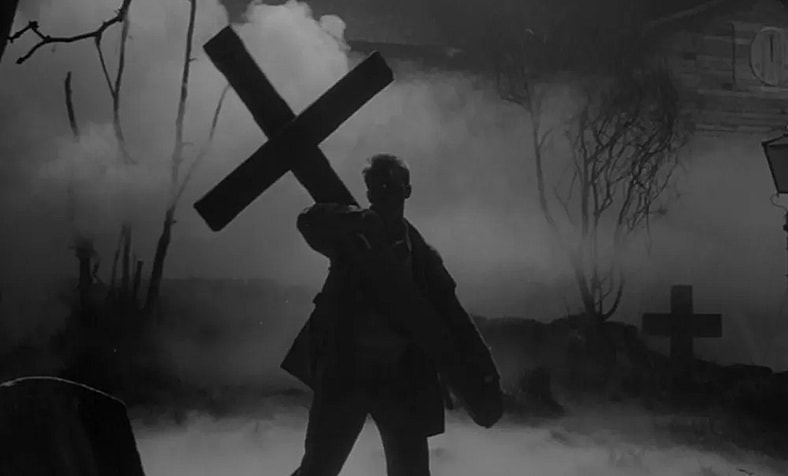
John Llewellyn Moxey’s 1960 Gothic horror film, also known as The City of the Dead, stands as a testament to the potent use of fog in early horror. The film follows Nan Gray, a folklore student who travels to the seemingly quaint Massachusetts town of Arkham to research witchcraft. However, her academic pursuit quickly devolves into a desperate struggle for survival as she uncovers the town’s sinister secrets and the chilling rituals practiced by its inhabitants.
Horror Hotel is often lauded for its "cozy" horror aesthetic, a paradoxical descriptor that highlights its ability to be both unsettling and strangely comforting in its atmospheric density. The pervasive fog throughout the film creates a visual blanket, enhancing the decrepit houses, eerie cemeteries, and ubiquitous cobwebs that define its Gothic ambiance. This deliberate use of mist contributes to a dreamlike quality, making it an ideal choice for a contemplative, yet terrifying, viewing experience. The film’s enduring appeal lies in its masterful blend of supernatural dread and historical occultism, all enveloped in a thick, atmospheric haze. Horror Hotel is available for streaming on Shudder and Tubi, offering a gateway into a world where the past literally haunts the present.
The Labyrinth of Mist: Silent Hill (2006)
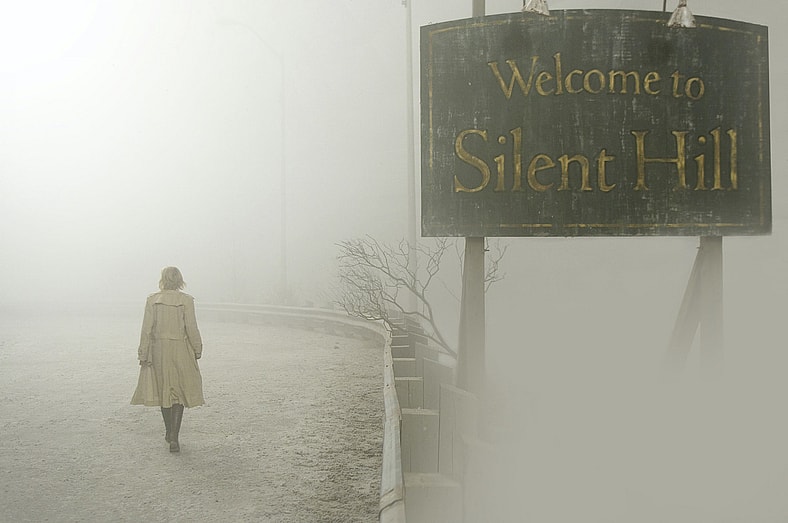
The video game franchise Silent Hill is intrinsically linked with the oppressive presence of fog, a defining element that Christophe Gans’s 2006 film adaptation successfully translated to the screen. The narrative centers on Rose, a mother desperately seeking a cure for her adopted daughter’s recurring nightmares about the titular town. Their journey leads them into the heart of Silent Hill, a place shrouded in perpetual mist and populated by grotesque creatures born from psychological torment.
Director Christophe Gans meticulously coats the film’s setting in a dense, suffocating fog, severely limiting visibility and creating an environment ripe for jump scares and creeping dread. This pervasive mist serves not only as a visual impediment but also as a metaphor for the psychological burdens carried by the characters. The Silent Hill universe is renowned for its exploration of guilt, trauma, and repressed memories, and the fog acts as a tangible manifestation of these internal struggles. While the film may not perfectly capture every nuance of its source material, it excels in building a powerful atmosphere, punctuated by disturbing imagery and a palpable sense of unease. The film’s exploration of psychological horror intertwined with monstrous threats makes it a significant entry in the foggy horror canon.
Lovecraftian Shadows and Fog: The Haunted Palace (1963)
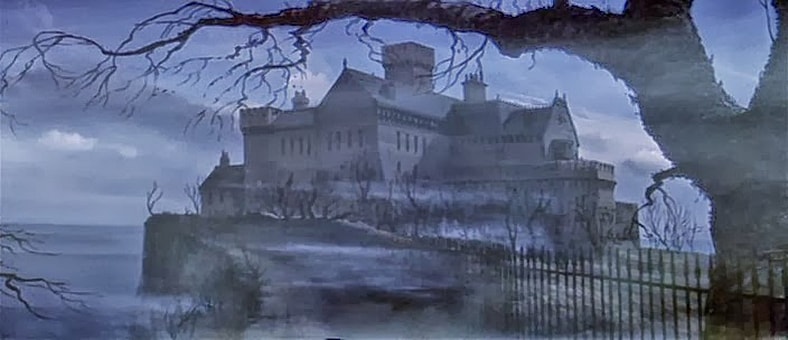
Roger Corman, a prolific producer of B-horror, also demonstrated a remarkable talent for directing, particularly in his collaborations with Vincent Price. The Haunted Palace (1963) exemplifies this synergy, drawing inspiration from both Edgar Allan Poe and H.P. Lovecraft. The film stars Vincent Price as Charles Dexter Ward, who inherits a desolate castle from his ancestor, the infamous warlock Joseph Curwen. Upon arriving at the fog-laden town with his wife, Ward discovers that the townsfolk harbor a deep-seated animosity towards his lineage.
Corman’s direction in The Haunted Palace is characterized by an abundant use of fog machines, creating an almost impenetrable atmosphere. Every outdoor scene is swathed in thick clouds, lending the village a sense of being submerged in an ancient, otherworldly abyss. This visual strategy effectively amplifies the film’s Gothic sensibility, enhanced by Price’s compelling performance and the presence of Lon Chaney Jr. as Curwen’s malevolent accomplice. The film’s blend of witchcraft, ancestral curses, and unsettling townspeople, all set against a backdrop of dense fog, makes it a compelling watch for fans of classic horror. The film is currently available on Tubi and Kanopy, offering a chance to revisit this fog-drenched tale of inherited evil.
The Unseen Threat: The Mist (2007)
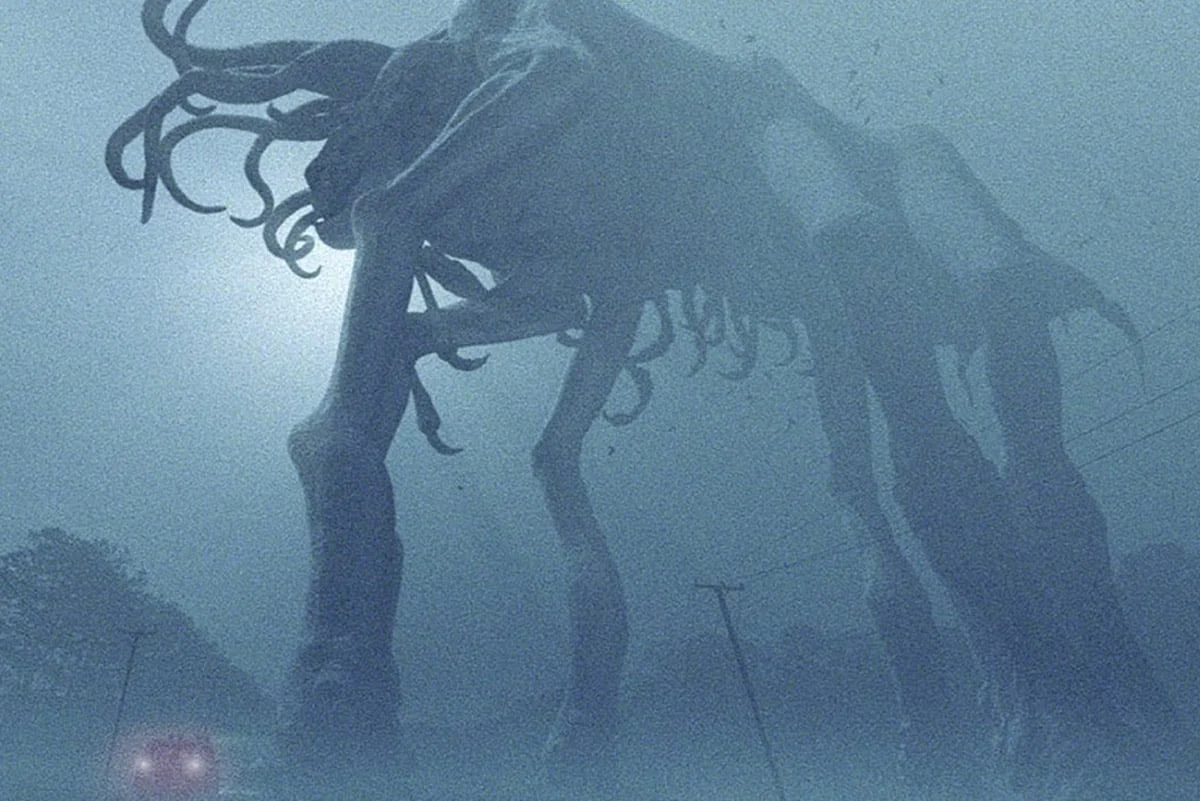
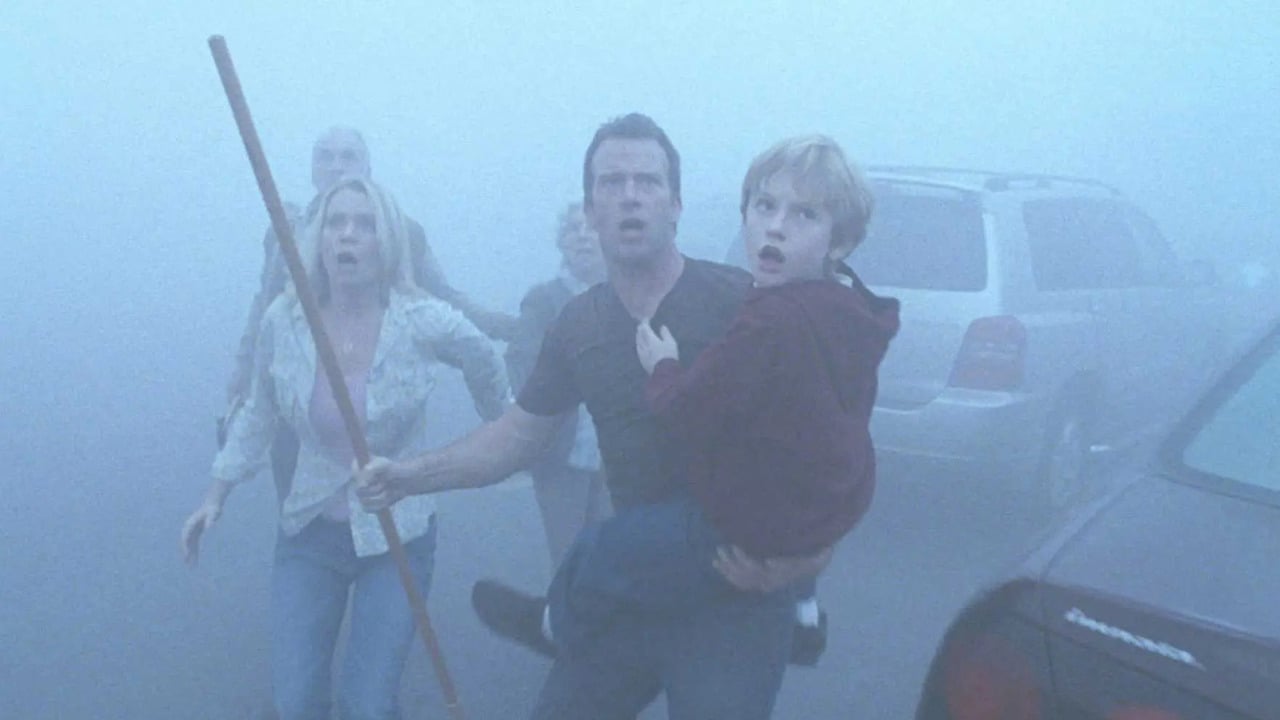
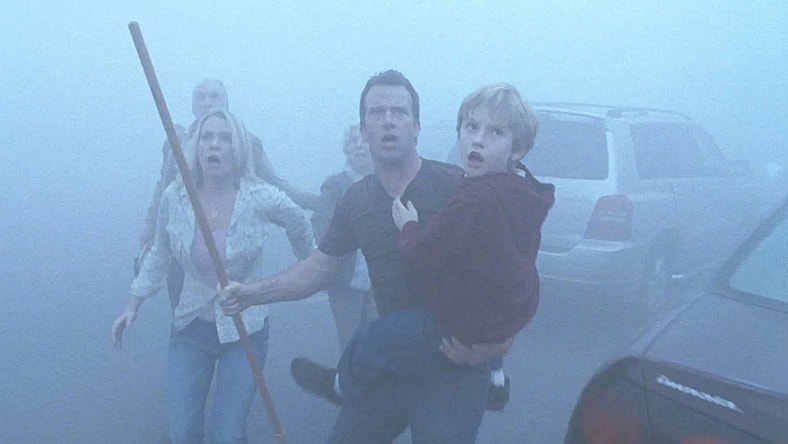
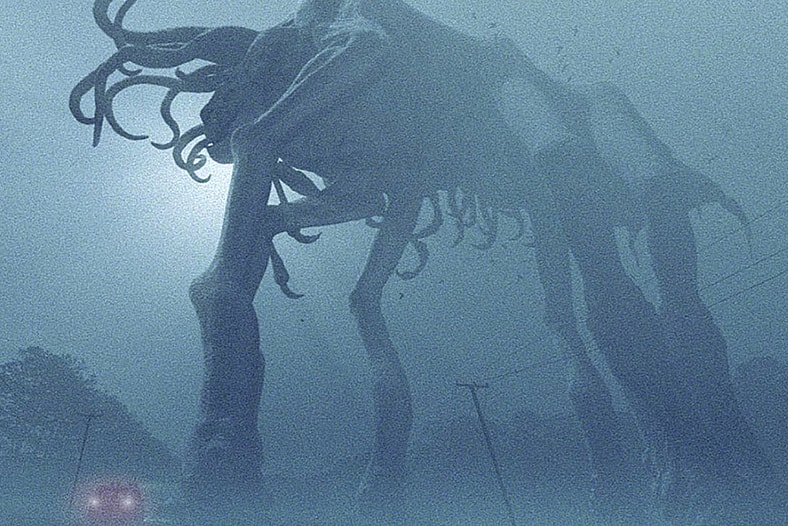
Frank Darabont’s 2007 adaptation of Stephen King’s novella, The Mist, is a modern masterpiece of creature features, offering a narrative that shares thematic parallels with Carpenter’s The Fog. Following a severe storm, a small Maine town finds itself enveloped by an unnatural, dense fog that conceals a terrifying array of extraterrestrial monsters. A group of survivors seeks refuge in a local grocery store, only to confront the darker aspects of human nature as panic and religious fanaticism take hold.
The Mist masterfully blends the creature-feature spectacle of 1950s monster movies with the visceral gore of 1980s horror. The film relentlessly bombards the audience with horrific encounters, each emerging from the impenetrable mist that dominates the screen. The fog serves as a constant source of suspense, concealing the nature and origin of the monstrous threats. Beyond the external horrors, the film chillingly explores the rise of religious extremism, personified by Marcia Gay Harden’s unforgettable performance as the fanatical Mrs. Carmody. The film’s notorious and controversial ending continues to spark debate among viewers, solidifying its place as a significant adaptation of King’s work. For an even more atmospheric experience, watching the black and white version is recommended, which accentuates the visual impact of the fog. The Mist is available for viewing, offering a potent reminder that sometimes, the greatest monsters are found within.
Whispers in the Haze: The Others (2001)
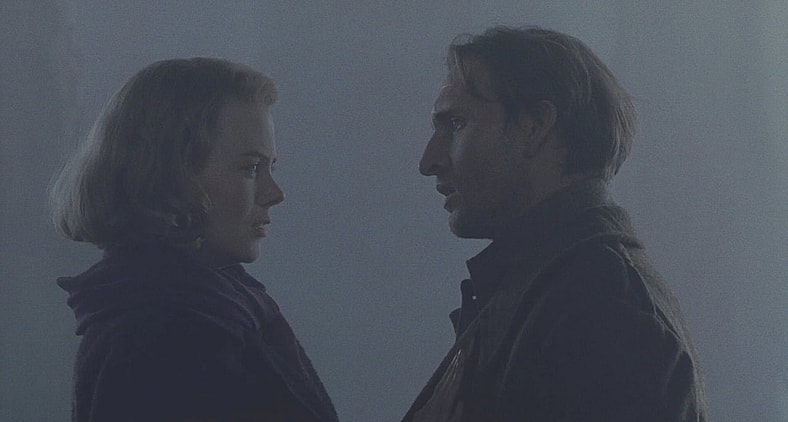
In the early 2000s, a wave of horror films sought to surprise audiences with shocking twists, and Alejandro Amenábar’s The Others (2001) delivered a particularly memorable one. Nicole Kidman stars as Grace Stewart, a devout mother raising her two photosensitive children in a secluded mansion on the island of Jersey in 1945, awaiting her husband’s return from the war. As peculiar occurrences plague the household, Grace becomes convinced that the house is haunted.
While many supernatural thrillers employ fog for atmospheric effect, The Others elevates it to a central element. A perpetual, thick mist envelops the estate, creating an isolating and disorienting environment that mirrors Grace’s own psychological state. This pervasive haze contributes significantly to the film’s unsettling atmosphere, amplifying the sense of unease and the feeling of being trapped. The film’s meticulously crafted suspense and its surprising, thought-provoking conclusion left audiences stunned upon its release. The presence of Nicole Kidman, an actress whose performances consistently enhance the emotional depth of her films, further elevates The Others as a standout in the genre. The film is available for streaming on Shudder, inviting viewers to immerse themselves in its elegantly chilling narrative.
The Lunar Veil: The Wolf Man (1941)
Any discussion of iconic horror figures would be incomplete without acknowledging The Wolf Man (1941), a cornerstone of Universal Pictures’ classic monster canon. This film not only established much of the werewolf lore still prevalent today but also showcased the profound impact of fog on Gothic horror aesthetics. The story follows Larry Talbot, played by Lon Chaney Jr., who returns to his ancestral estate and becomes entangled in a tragic romance. After being bitten by a werewolf, Talbot finds himself cursed to transform into a monstrous beast under the full moon.
Cinematographer Joseph A. Valentine masterfully captures the eerie beauty of the film’s foggy landscapes. The wolf man stalks through a dreamlike, Gothic forest, its silhouette frequently obscured by swirling mist, only to emerge with terrifying ferocity. This visual technique creates a sense of otherworldly dread and enhances the creature’s primal menace. The fog imbues the film with a palpable sense of unease and a cozy, yet frightening, Gothic atmosphere that resonates with the genre’s enduring appeal. The fog in The Wolf Man is not merely a visual element; it is an integral part of the film’s haunting power, contributing to its timeless status in horror cinema.
The enduring power of fog in horror cinema is undeniable. It transforms the ordinary into the extraordinary, shrouding secrets and amplifying fears. From the spectral shores of Antonio Bay to the misty confines of haunted estates, these films demonstrate how a simple atmospheric condition can become a potent force of terror, leaving an indelible mark on the genre and its audiences.