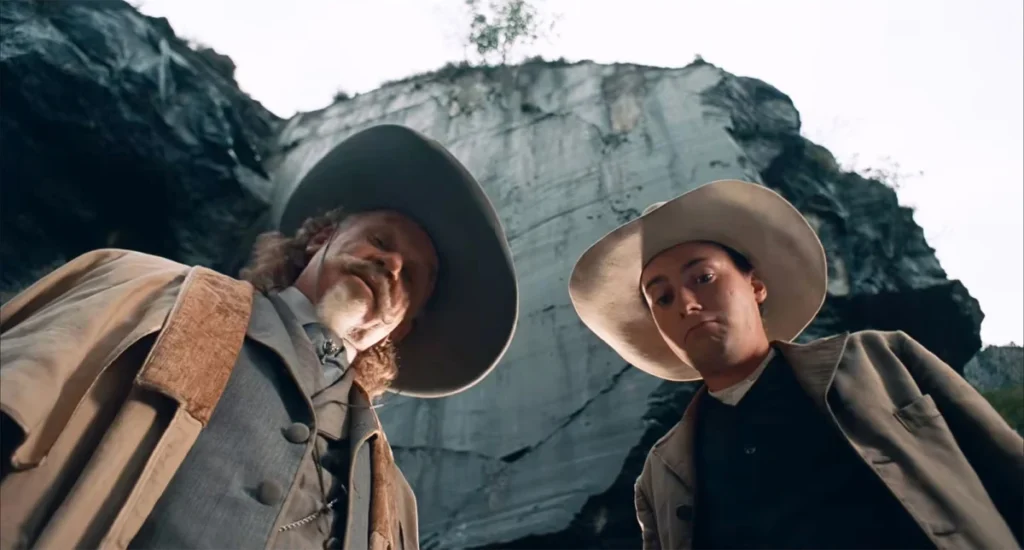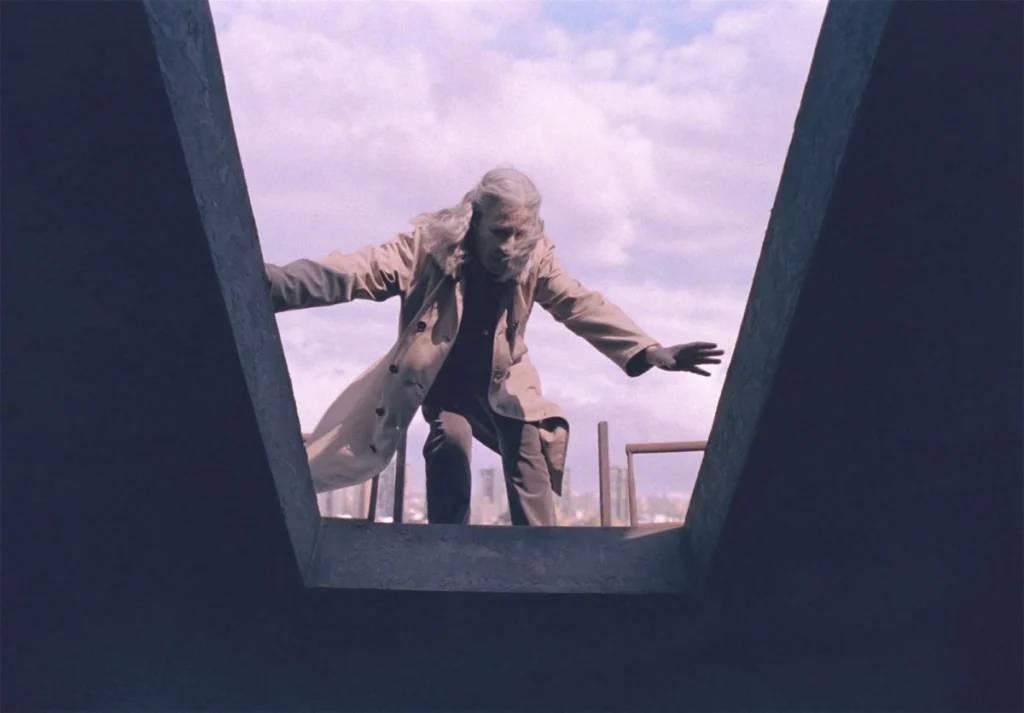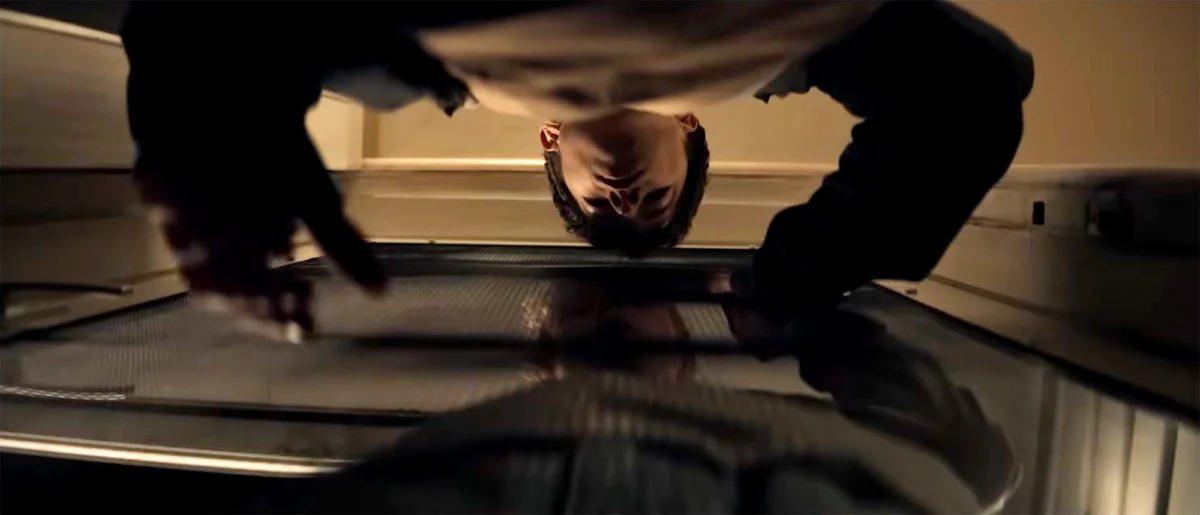
The distribution company Neon has officially released the first trailer and promotional materials for Leviticus, an independent Australian horror feature that has emerged as one of the most discussed titles of the 2026 film festival circuit. Directed by Adrian Chiarella in his feature-length debut, the film arrives in the wake of a successful premiere in the Midnight section of the Sundance Film Festival, where it garnered significant critical attention for its blend of supernatural terror and social commentary. Scheduled for a theatrical release in the United States on June 19, 2026, the film follows the harrowing journey of two teenage boys in a rural Australian community who find themselves hunted by a malevolent entity that mirrors the physical forms of those they desire most.
The narrative focuses on Naim and Ryan, portrayed by Joe Bird and Stacy Clausen respectively, who navigate the complexities of their burgeoning sexuality against a backdrop of religious traditionalism and isolation. The central horror conceit—an entity that weaponizes intimacy by assuming the likeness of the protagonists—serves as a catalyst for exploring themes of queer identity, externalized shame, and the claustrophobia of small-town life. This thematic depth has led several critics to compare the film to modern horror classics such as David Robert Mitchell’s It Follows, though Chiarella’s work is noted for its specific cultural and theological inflections.
Production Background and Creative Leadership
Leviticus marks a significant milestone for Adrian Chiarella, who transitioned to feature filmmaking after establishing a reputation through high-profile short films and television work. Chiarella previously contributed to the series Totally Completely Fine and Five Bedrooms, honing a style that balances character-driven drama with atmospheric tension. The screenplay, also penned by Chiarella, reportedly draws upon the stark landscapes of the Australian interior to enhance the film’s sense of dread and inevitability.

The project is produced by a seasoned team including Kristina Ceyton, Samantha Jennings, and Hannah Ngo. Ceyton and Jennings, under their Causeway Films banner, have become synonymous with high-quality Australian genre cinema, having previously produced international successes such as Jennifer Kent’s The Babadook and the 2023 breakout hit Talk to Me. Their involvement provided Leviticus with a pedigree that likely assisted in its acquisition by Neon, a distributor known for its curated selection of "elevated" horror and award-winning international features.
The cast is led by Joe Bird, who previously appeared in Talk to Me, and Stacy Clausen. They are supported by an ensemble of veteran Australian talent, including Mia Wasikowska, whose participation brings significant international recognition to the production. The cast also features Ewen Leslie (The Stranger), Nicholas Hope (Bad Boy Bubby), Jeremy Blewitt, Davida McKenzie, and Edwina Wren. The combination of rising young actors and established performers has been cited by festival programmers as a key factor in the film’s emotional resonance.
Chronology of Festival Success and Distribution
The trajectory of Leviticus from an independent production to a highly anticipated summer release followed a strategic path through major global film festivals. Its journey began in January 2026 at the Sundance Film Festival, where it was slotted into the Midnight program—a section historically reserved for genre-defying horror and cult cinema. The immediate positive response at Sundance led to a bidding war for distribution rights, which Neon ultimately secured.
Following its Park City debut, the film maintained its momentum with screenings at:

- SXSW (South by Southwest): Where it was highlighted in the Midnighters section, appealing to the festival’s tech-savvy and genre-loving audience.
- The Overlook Film Festival: A specialized horror festival where it further solidified its standing among genre enthusiasts.
- New Directors/New Films: A prestigious showcase co-presented by the Museum of Modern Art (MoMA) and Film at Lincoln Center, signaling the film’s artistic merit beyond traditional genre boundaries.
This festival run served to build a "critical consensus" before the general public release. By the time the trailer was released on April 22, 2026, the film had already accumulated a series of high-scoring reviews on aggregate platforms, with critics praising its "heart-wrenching" approach to the coming-of-age narrative.
Thematic Analysis and Genre Context
The title Leviticus carries heavy biblical connotations, specifically referencing the Old Testament book often cited in theological debates regarding morality and sexuality. By naming the film after this text, Chiarella places the story directly in conversation with religious fanaticism. The setting—an isolated Australian town—functions as a pressure cooker where these religious ideologies clash with the personal realities of the queer protagonists.
The horror element of the "mimic" or "doppelgänger" is a well-established trope in the genre, seen in films ranging from John Carpenter’s The Thing to more recent entries like Smile. However, Leviticus recontextualizes this trope by linking the entity’s appearance to "desire." In the film’s logic, the monster does not just look like a stranger; it looks like the person the victim loves most. This creates a psychological paradox where the characters must flee from the very image of their affection, a literalization of the "dangerous" nature often attributed to queer love by hostile environments.
Sundance programmers described the performances of Bird and Clausen as "magnetically attracted," noting that the film depicts them facing "physical and spiritual violence at every bend." This dual threat—the supernatural entity and the human prejudice of the town—positions Leviticus as a work of "social horror," a subgenre that has seen a massive surge in popularity over the last decade.

Industry Implications and Market Strategy
Neon’s decision to release Leviticus on June 19, 2026, is a calculated move that aligns the film with Pride Month in the United States. This timing allows the distributor to market the film not only as a horror event but also as a significant entry in LGBTQ+ cinema. Independent films often utilize thematic months to maximize visibility in a crowded summer market dominated by big-budget studio blockbusters.
The success of Leviticus also underscores the continued dominance of Australian horror on the global stage. Following the massive commercial success of Talk to Me in 2023, international distributors have been keen to identify the next "Australian breakout." The involvement of Causeway Films reinforces the idea that the Australian film industry has developed a sustainable infrastructure for producing genre films that translate well to North American and European audiences.
Furthermore, the film’s release strategy reflects a shift in how "prestige horror" is handled. Rather than a wide saturation release, Neon appears to be opting for a "select US theaters" approach initially, likely followed by a rapid expansion if box office numbers show strength. This "platform release" model helps build word-of-mouth, which is essential for independent films that lack the multi-million dollar marketing budgets of major studios.
Critical Reception and Expectations
Initial reviews from the festival circuit have been overwhelmingly positive. Critics have lauded Chiarella’s ability to maintain a "chilling and near-claustrophobic" atmosphere while ensuring the emotional core of the story remains intact. The cinematography, which reportedly utilizes the harsh sunlight and deep shadows of the Australian landscape, has been highlighted as a standout technical achievement.

The trailer itself reinforces these observations, showcasing a visual style that is both polished and unsettling. The line featured in the promotional footage—"You see anything that looks like me – don’t go near it"—has already become a focal point for online discussion, encapsulating the film’s central conflict in a single, haunting instruction.
As the June 19 release date approaches, industry analysts will be watching to see if Leviticus can convert its festival acclaim into commercial success. If it performs well, it will further validate the "Midnight to Mainstream" pipeline that has benefited filmmakers like Robert Eggers and Ari Aster. For now, Leviticus stands as a testament to the evolving landscape of horror, where the most terrifying monsters are often those that reflect our own most intimate vulnerabilities.
Conclusion of Current Developments
With the trailer now in wide circulation, the marketing campaign for Leviticus is expected to intensify through May and early June. Neon has released two official posters alongside the trailer, both emphasizing the dual nature of the protagonists’ relationship and the looming threat of the entity. The film’s presence at major upcoming genre outlets and press junkets will likely focus on the chemistry between Joe Bird and Stacy Clausen, as well as Adrian Chiarella’s vision for a new era of Australian storytelling.
As the theatrical window nears, the film remains a primary example of how independent cinema continues to push the boundaries of genre, using the framework of horror to explore the most profound and painful aspects of the human experience. Leviticus is not merely a ghost story; it is a cinematic exploration of the cost of visibility in a world that demands conformity.