The early 2000s continue to cast a long shadow over contemporary culture, with a significant resurgence of interest in the era’s fashion, music, and, increasingly, its cinematic offerings. This phenomenon is particularly evident among Generation Z, who are embracing "Y2K nostalgia" with fervent enthusiasm. Amidst this cultural wave, the 2002 cult horror film May, directed by Lucky McKee, is experiencing a notable revival, drawing parallels to the iconic television series Sex and the City. While seemingly disparate genres, both works explore the complexities of female desire, romantic pursuits, and the often-painful realities of navigating relationships in a hyper-socialized world.
At its core, May centers on May (Angela Bettis), a socially awkward and isolated veterinary assistant whose yearning for connection manifests in increasingly disturbing ways. Her obsession with finding a partner echoes the romantic entanglements of Carrie Bradshaw (Sarah Jessica Parker), the protagonist of Sex and the City, a series that chronicled the dating lives of four single women in New York City. Both characters, despite their vastly different circumstances, are depicted as deeply invested in the romantic and sexual lives of others, often projecting their own desires and insecurities onto those around them. Early in May, May’s envious observation of a couple’s intimate encounter in an elevator serves as a stark visual representation of her own profound loneliness and her desperate wish for reciprocal affection. This fixation, while expressed through a lens of horror in McKee’s film, taps into a relatable human emotion that Sex and the City also masterfully explored through Carrie’s perpetual pursuit of "Mr. Big."
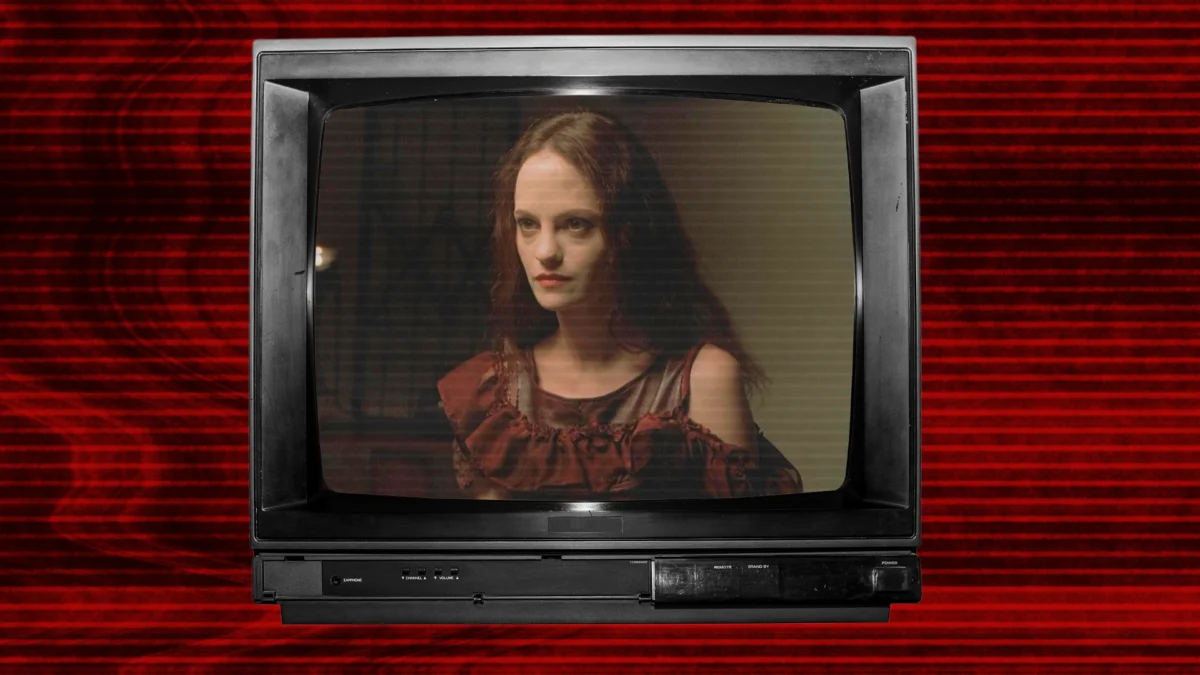
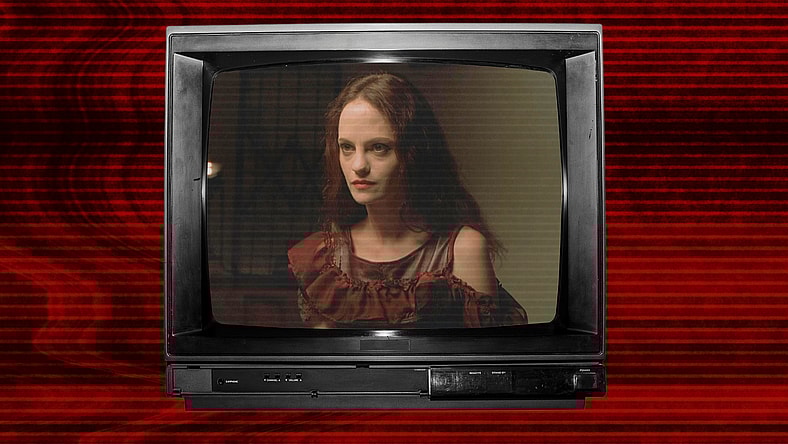
The stylistic and thematic parallels extend to the characters’ presentation and their approaches to romance. May’s meticulous preparations for a date, involving a carefully selected outfit—a gauzy black top paired with a slinky burgundy blouse—evokes the fashion-forward sensibility of Carrie Bradshaw. While Carrie’s wardrobe choices were central to her character’s identity and narrative, May’s sartorial efforts underscore her earnest, albeit misguided, attempts to conform to societal expectations of attractiveness and desirability. This visual mirroring, however, diverges significantly when it comes to the characters’ coping mechanisms. Carrie, known for her sometimes impulsive and self-destructive romantic gambits, might contemplate extreme measures, but May’s self-harm, depicted as a "relaxation" technique involving a knife, highlights a more profound level of psychological distress. The observation by Polly (Anna Faris), May’s seemingly supportive but ultimately judgmental friend, that May is a "crazy bitch," is a sentiment that could easily be applied to both characters in their moments of intense romantic fixation. The shared characteristic of both women being "crazy bitches in a cute little outfit" speaks to a deeper commentary on societal perceptions of women who deviate from conventional norms in their pursuit of love.
May and Carrie: The Unrelenting Pursuit of Love
The protagonists of May and Sex and the City share a fundamental characteristic: an insatiable appetite for romance and a tendency towards obsessive behavior in their pursuit of it. For viewers familiar with the late 1990s and early 2000s romantic drama landscape, Carrie Bradshaw’s constant preoccupation with "Big," a debonair but emotionally unavailable man, is a central narrative arc. Her relentless pursuit, characterized by stalking, romantic sabotage, and boundary violations that would warrant restraining orders in a less fictional context, illustrates the extreme lengths to which she would go to secure his attention.
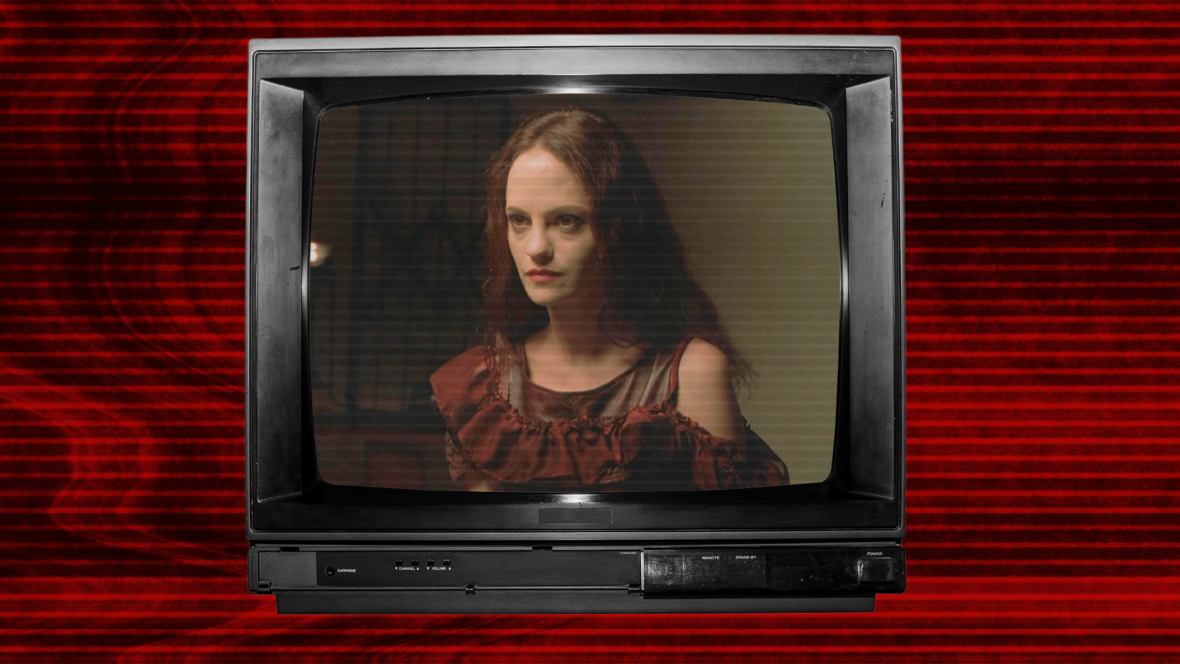
Similarly, May’s romantic life, though far more truncated and ultimately violent, mirrors this obsessive trajectory. She engages in brief flirtations with both men and women, but her singular focus remains fixed on Adam (Jeremy Sisto), the object of her intense infatuation. May openly displays her affections and desires for Adam, leaving nothing to chance. Her unwavering determination to win his heart, even at the cost of her own dignity, resonates with the relentless nature of Carrie’s pursuit. The early stages of their interactions, from May’s shy approach during a shared lunch to her uninhibited gesture of resting her face on Adam’s hand, exemplify her desperate need for connection. Their subsequent meetings and May’s visit to Adam’s apartment mark a critical juncture where the paths of May and Sex and the City diverge dramatically, with McKee’s film veering sharply away from the conventional HBO rom-com.
Sex and the City-Style Escapades, With a Gory Twist
The narrative shift occurs when Adam, a filmmaker specializing in macabre and violent themes, invites May to his apartment. A knife displayed on his mantlepiece catches May’s attention. Adam, with a disarming jest about being a serial killer, picks up the knife and drives it into May’s chest. Crucially, May remains unfazed, a testament to her profound detachment from conventional pain and fear. The knife, revealed to be a prop with a retractable blade, does not inflict actual harm. However, this simulated act of violence serves as a potent aphrodisiac for May, culminating in a passionate kiss. In this bizarrely tender moment, one could easily envision a director employing the quintessential "foot pop" trope, a visual shorthand for romantic culmination prevalent in early 2000s romantic comedies.
However, as their relationship progresses, it becomes apparent that despite the palpable sexual chemistry and a shared affinity for the unconventional, Adam cannot reciprocate the depth of May’s peculiar desires. This realization is where May truly distinguishes itself, offering a profound, albeit horrific, exploration of romantic disillusionment, much like Sex and the City did through its more grounded narratives. Adam’s fascination with his own cannibalistic romance film fails to fully satisfy May’s burgeoning need for something more visceral.
Following this revelation, a particularly intense make-out session ensues, during which May bites Adam’s lip with such force that it breaks the skin. Adam’s reaction is one of affront; he is bewildered that the same woman who expressed enthusiasm for his "gory, sexy cannibal film" would engage in blood play. This apparent disconnect leads to an abrupt end to their encounter, with Adam preparing to leave. The subsequent exchange is surprisingly poignant, highlighting the fundamental chasm between their desires. "May, this is weird," Adam states, articulating a sentiment that, in a different context, many might have leveled at Carrie’s more outlandish romantic pursuits. May’s retort, "You like weird," underscores her belief that he should embrace her unconventionality. Adam’s final, crushing reply, "Not that weird," signifies the irresoluble difference in their perceptions of acceptable boundaries and personal expression.
Why May Resonates So Deeply
This particular scenario in May offers a stark commentary on the evolving discourse surrounding visibility and desirability, particularly for alternative women and non-binary individuals. In the years since the film’s release, online communities have increasingly voiced concerns about the "Goth GF" meme, which has transitioned from a lighthearted trope to a potentially limiting stereotype. The consensus among many is that while men express a desire for "goth girlfriends," they often view these women not as individuals with complex inner lives, but as objects to be collected or fetishized. This perspective often leads to the oversexualization of goth women, with assumptions made about their personalities based on their aesthetic choices. In reality, the goth subculture, rooted in 1980s new wave, modern dark wave, and doom metal, is primarily about authentic self-expression and a connection to specific musical genres, rather than an inherent inclination towards overt sexuality.
While the specific circumstances of May’s descent into violence are extreme, the film’s enduring power lies in its ability to hold a mirror to the universal pitfalls of dating, a theme that also defined Sex and the City. The audience does not need to be a Los Angeles vet assistant who confides in a malevolent doll to understand the pain of feeling like an outsider, as May does. Similarly, the experience of putting oneself out there romantically, only to face rejection and disappointment, is a widely shared human experience.
McKee’s masterful layering of May’s repeated missteps and social rejections creates a narrative arc that makes her eventual violent outburst tragically comprehensible. The film’s exploration of unfulfilled desires and the societal pressures that contribute to them extends beyond romantic relationships, encompassing her complex relationship with her sentient doll and even her interactions with Polly’s cat. By juxtaposing Carrie Bradshaw’s psychosexual dysfunctions and questionable choices with May’s more extreme manifestations of romantic desperation, the film prompts a reflection on the different avenues individuals take to cope with romantic woes. While Carrie might find solace in journaling and the support of her friends, May’s journey culminates in a violent spree, serving as a grim reminder of the devastating consequences of profound isolation and unaddressed emotional turmoil.
May is currently available for streaming on Tubi, offering a contemporary audience a chance to revisit this cult classic and engage with its timeless exploration of desire, rejection, and the complex search for connection in a world that often feels overwhelming. The film’s resurgence, fueled by a generation rediscovering the cultural artifacts of the early 2000s, highlights the enduring power of narratives that delve into the often-uncomfortable truths about human relationships, even when presented through the stark lens of horror.