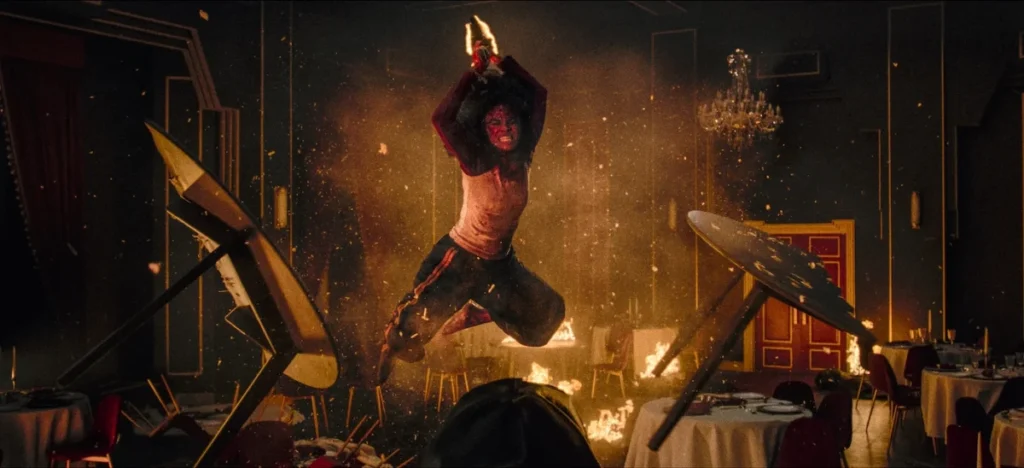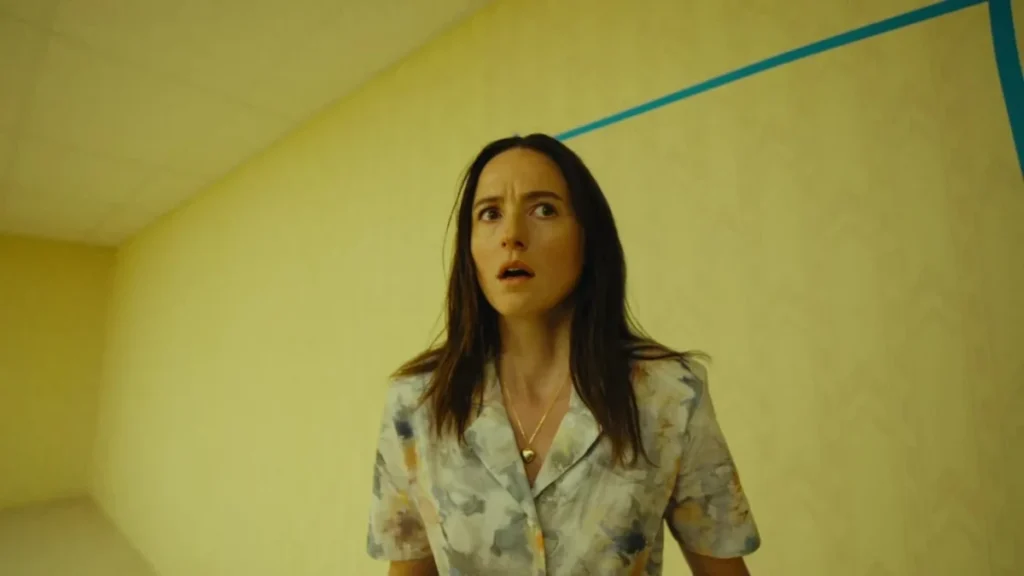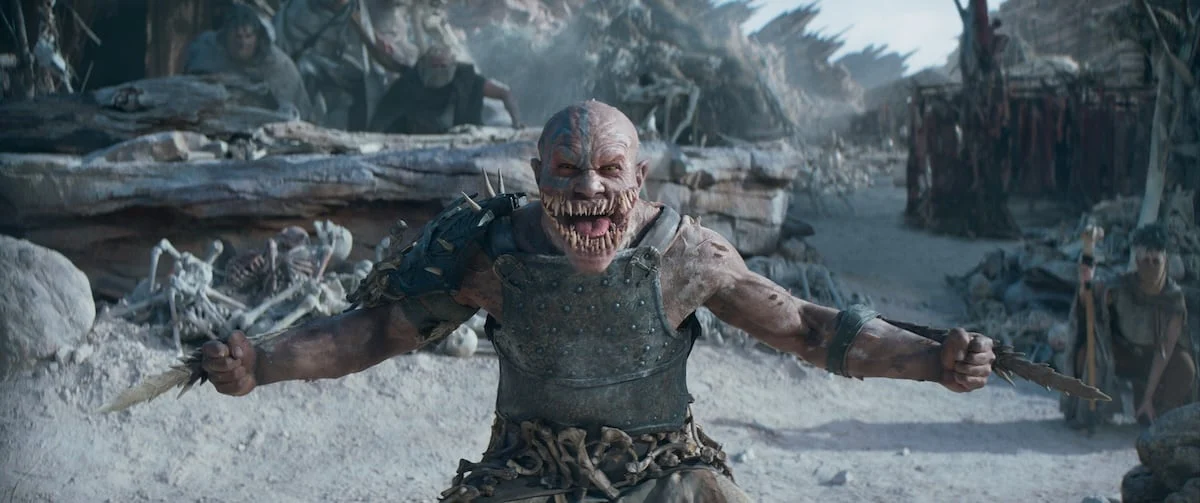
Warner Bros. has ignited the anticipation for its upcoming cinematic event, Mortal Kombat II, with the release of a new, electrifying trailer. This latest glimpse into the highly anticipated sequel promises a visceral journey back to the iconic fighting game franchise, replete with the signature character introductions, high-octane action, and the undeniably potent theme song that has long been synonymous with the Mortal Kombat universe. The trailer serves as a clear declaration that the film is poised to deliver the brutal spectacle fans have come to expect, dialing up the intensity for what is shaping up to be an even grander confrontation than its predecessor.
The narrative of Mortal Kombat II centers on the established cadre of Earthrealm’s champions, now bolstered by the formidable presence of Johnny Cage, portrayed by Karl Urban. These seasoned warriors are thrust into a desperate struggle against the tyrannical Shao Kahn, played by Martyn Ford, whose insatiable ambition to conquer the Earthrealm threatens to extinguish its very existence and subjugate its defenders. This central conflict forms the bedrock of the film’s plot, promising a narrative arc that will test the mettle of its heroes and push them to their absolute limits.
Steering the directorial helm once again is Simon McQuoid, who demonstrated a keen understanding of the source material’s tone and visual flair in the first installment. McQuoid’s return signifies a commitment to maintaining the established aesthetic and thematic continuity of the burgeoning Mortal Kombat cinematic saga. The screenplay has been penned by Jeremy Slater, a writer with a proven track record in crafting compelling narratives for large-scale genre projects, including his recent work on Godzilla x Kong: The New Empire. This collaborative effort between McQuoid and Slater suggests a thoughtful approach to translating the intricate lore and character dynamics of the Mortal Kombat universe to the silver screen.
The ensemble cast of Mortal Kombat II features a compelling mix of returning favorites and new additions. Ludi Lin, Jessica McNamee, Joe Taslim, Hiroyuki Sanada, Adeline Rudolph, Tati Gabrielle, Josh Lawson, Tadanobu Asano, and CJ Bloomfield are all slated to reprise their roles or introduce new characters, contributing to a rich tapestry of fighters and allies. The inclusion of Karl Urban as Johnny Cage is a particularly noteworthy development, adding a seasoned actor with a history of portraying charismatic and tough-as-nails characters to the fray. His presence is expected to inject a new dynamic into the narrative and provide fans with a fresh interpretation of the beloved martial arts movie star.
A Legacy of Combat: The Evolution of Mortal Kombat on Screen
The Mortal Kombat franchise, born from the pixelated arenas of arcades in the early 1990s, has consistently captivated audiences with its unique blend of martial arts action, supernatural elements, and infamous gore. The original 1992 video game, developed by Midway Games, revolutionized the fighting game genre with its digitized sprites and controversial "Fatalities" – brutal finishing moves that set it apart from its contemporaries. The success of the game quickly led to a demand for a cinematic adaptation.
The first live-action Mortal Kombat film, released in 1995, achieved considerable commercial success and garnered a cult following, largely due to its faithful, albeit toned-down, adaptation of the game’s core concepts and its memorable soundtrack. A sequel, Mortal Kombat: Annihilation, followed in 1997, but received a less favorable reception from both critics and audiences. The franchise saw a reboot with the 2021 film, Mortal Kombat, which aimed to recapture the spirit of the games and introduce a new generation of viewers to the Outworld’s deadliest warriors. The success of this reboot paved the way for Mortal Kombat II, which now has the unenviable task of building upon that foundation and delivering an even more expansive and impactful cinematic experience.
Trailer Breakdown: A Glimpse into the Chaos
The newly released trailer offers a potent distillation of what fans can anticipate. It opens with a familiar, yet undeniably thrilling, cascade of fighter introductions, each character presented with an aura of power and menace. The visual design appears to draw heavily from the aesthetic of the classic games, particularly the acclaimed Mortal Kombat II installment of the franchise, which is referenced in the film’s title. This visual homage is likely to resonate deeply with long-time fans, evoking a sense of nostalgia while promising a fresh, modern interpretation.
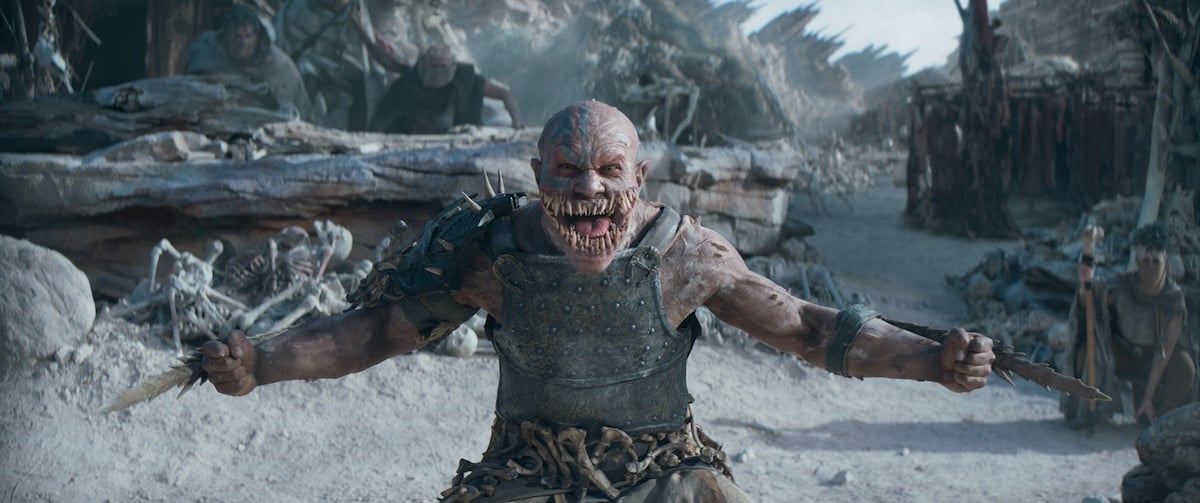
The trailer is punctuated by rapid-fire sequences of combat, showcasing the diverse fighting styles and signature moves of various characters. From Scorpion’s iconic "Get over here!" spear to Sub-Zero’s icy projectiles, the trailer teases the return of beloved abilities, hinting at the potential for spectacular and gruesome Fatalities. The inclusion of Johnny Cage, a character notably absent from the previous film’s initial arc, suggests a more complete roster of Earthrealm’s defenders and opens up new narrative possibilities. His presence, as depicted in the trailer, hints at his characteristic bravado and combat prowess.
The overarching threat posed by Shao Kahn is palpable throughout the trailer. Martyn Ford’s portrayal of the Emperor of Outworld is designed to convey an imposing and relentless antagonist, whose dominion over the realms is a clear and present danger. The trailer effectively establishes the high stakes of the conflict, emphasizing the dire consequences for Earthrealm should Shao Kahn succeed in his conquest.
Cast and Crew: A Blend of Experience and New Blood
The directorial vision of Simon McQuoid, coupled with Jeremy Slater’s scripting, aims to strike a balance between fan service and compelling storytelling. Slater’s previous work, particularly in the MonsterVerse franchise, demonstrates his ability to handle complex world-building and integrate action with character development. This experience is expected to be invaluable in navigating the rich lore of Mortal Kombat.
The expanded cast for Mortal Kombat II suggests a deeper dive into the vast Mortal Kombat universe. The return of actors like Ludi Lin as Liu Kang, Jessica McNamee as Sonya Blade, and Joe Taslim as Sub-Zero provides a sense of continuity and allows for further exploration of their character arcs. Hiroyuki Sanada’s presence as Scorpion, a pivotal character, promises intense and impactful performances. The introduction of new characters, portrayed by actors such as Adeline Rudolph, Tati Gabrielle, Josh Lawson, Tadanobu Asano, and CJ Bloomfield, indicates the potential for expanding the narrative beyond the core group of fighters, possibly introducing new realms, factions, or allies.
Release and Impact: A Fight for Box Office Dominance
Mortal Kombat II is slated to bring its brutal brand of combat to theaters on May 8th. This release date places it in direct competition with other major tentpole films, setting the stage for a significant box office battle. The success of the 2021 film, which grossed over $122 million worldwide despite a simultaneous release on HBO Max, indicates a strong appetite for Mortal Kombat on the big screen.
The film’s success will likely depend on its ability to satisfy both long-time fans of the franchise and attract new audiences. The trailer’s emphasis on classic elements, combined with the introduction of new characters and a more developed narrative, suggests a strategy aimed at broadening its appeal. Furthermore, the potential for graphic violence and the iconic Fatalities, which are a hallmark of the Mortal Kombat brand, will be a key draw for a segment of the audience. The filmmakers face the challenge of balancing the franchise’s inherent brutality with mainstream cinematic appeal, a tightrope walk that has defined Mortal Kombat‘s cinematic journey.
The performance of Mortal Kombat II could also have implications for the future of Warner Bros.’s DC Extended Universe (DCEU) and other video game adaptations. A strong showing at the box office would further solidify the viability of these IPs for cinematic universes and encourage further investment in similar projects. Conversely, a disappointing reception could lead to a more cautious approach from studios regarding the adaptation of hyper-violent or niche gaming franchises. The anticipation surrounding Mortal Kombat II is a testament to the enduring power of its brand, and its box office performance will be closely watched as a bellwether for the genre.