As the calendar page turns toward May, a palpable sense of unease permeates the cultural landscape, with a curated selection of film and literature leaning into the delightfully disquieting. This week’s releases and rediscovered gems offer a potent cocktail of the uncanny, the macabre, and the subtly sinister, proving that sometimes, the most compelling narratives lie just beyond the veil of the ordinary. From the charmingly sinister to the unsettlingly familiar, these offerings invite audiences to explore the darker corners of imagination and the hidden anxieties of contemporary life.
Mads Mikkelsen: From Monster Hunter to Monster Slayer in "Dust Bunny"
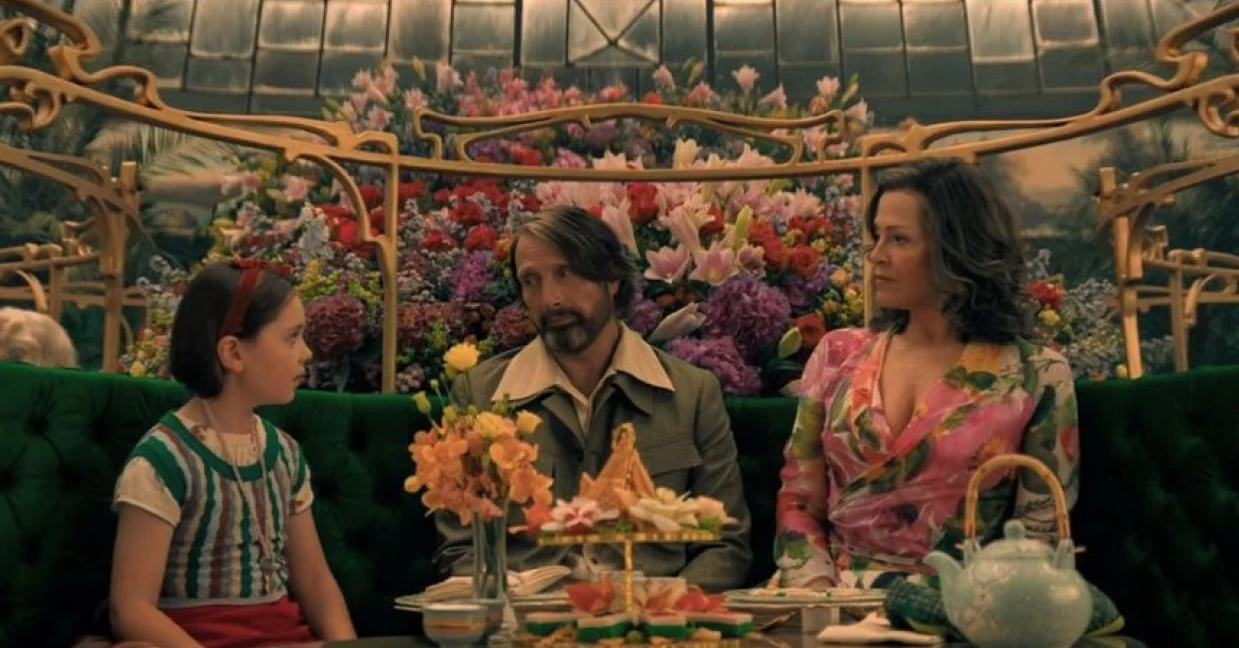
A particular highlight this week is the streaming release of Bryan Fuller’s directorial debut, Dust Bunny, now available on HBO Max. The film, which had a fleeting theatrical run late last year, presents a darkly whimsical premise: a young girl enlists the help of a mysterious figure, portrayed by the ever-brilliant Mads Mikkelsen, to vanquish the monstrous entity lurking beneath her bed. While the surface-level narrative suggests a children’s tale, the involvement of Fuller, the creative force behind such genre-bending series as Pushing Daisies and Hannibal, signals a far more complex and potentially chilling exploration.
Emmet Asher-Perrin, in a two-part analysis for ReactorMag, described Dust Bunny as residing firmly within the realm of "fairy tale—the old kind with blood and death and dread." This framing immediately sets expectations for a narrative that eschews modern sanitization in favor of primal fears and gothic undertones. The trailer, with its distinctive visual flair, hints at Fuller’s signature blend of the surreal and the unsettling, executed with a polished, almost dreamlike aesthetic. The image of Mikkelsen, a master of embodying both terrifying villains and compelling anti-heroes, clad in a vibrant yellow tracksuit, is a striking visual juxtaposition that underscores the film’s unique tone. This unexpected casting and visual choice promise a performance that will undoubtedly be a central draw, potentially redefining the archetypal monster-hunter narrative. For viewers seeking a cinematic experience that is both visually arresting and thematically rich, Dust Bunny represents an opportunity to engage with a story that pushes the boundaries of conventional genre storytelling, offering a fresh perspective on childhood fears and the nature of monstrosity itself.
The Enduring Allure of Small-Town Mysteries: "Widow’s Bay" on HBO Max
Adding to HBO Max’s roster of compelling new content is the premiere of the series Widow’s Bay on April 29th. The initial marketing for the show, characterized by a single, enigmatic trailer, has deliberately cultivated an air of mystery. This scarcity of information, coupled with the series’ imminent debut, suggests a deliberate strategy to pique audience curiosity, hinting at a narrative that unravels slowly and deliberately.
The series boasts significant talent, both in front of and behind the camera. Matthew Rhys, whose consistent excellence across a decade-long career in projects like The Americans and Perry Mason, lends his gravitas to the role of the town’s mayor. His presence alone is a strong indicator of quality and complexity. Complementing Rhys is creator Katie Dippold, whose background is primarily in comedy, with credits on Parks and Recreation and the film The Heat. This juxtaposition of comedic pedigree with a potentially dark and suspenseful premise raises intriguing questions about the series’ ultimate tone and thematic direction.
The synopsis reveals Rhys as a mayor perceived as "soft" by the locals, a detail that immediately triggers suspicion. The visual presence of Rhys, often conveying a subtle intensity, can be interpreted in myriad ways, and the writer’s own intuition about his character’s untrustworthiness hints at the underlying currents of deception and hidden motives that are likely to define Widow’s Bay. The premise suggests a narrative that plays on the classic trope of the seemingly idyllic small town harboring dark secrets. This setting often serves as a fertile ground for exploring themes of community, isolation, and the hidden anxieties that fester beneath a veneer of normalcy. The anticipation for next week, when the series becomes fully available, is palpable, with audiences eager to uncover what lies beneath the surface of this seemingly ordinary, yet undeniably suspicious, community. The very nature of small-town narratives often involves a slow burn, allowing for the gradual revelation of character motivations and plot twists, which seems to be the intended approach for Widow’s Bay.
Domestic Dread: Malls, Monstering, and the Perils of Green Thumbs in "Eat the Ones You Love"
Sarah Maria Griffin’s novel Eat the Ones You Love, now available in paperback, offers a compelling exploration of familiar spaces and the unsettling relationships that can form within them. The narrative centers on a quarter-life crisis, a universally relatable experience, but grounds it within the specific, often melancholic, atmosphere of a dying mall. This setting, once a vibrant hub of commerce and social activity, has become a symbol of urban decay and fading consumer culture, making it an inherently evocative backdrop for stories of personal stagnation and existential dread.
The novel introduces a truly unique antagonist: a monstrously hungry plant residing at the mall’s core. This "Baby," as it is referred to, has tendrils that reach into every aspect of the mall’s ecosystem, particularly impacting the woman who runs the flower shop. Her new employee, Shell Pine, is portrayed as vulnerable and adrift, having returned home after a breakup and seeking reinvention. Shell, however, is utterly unprepared for the true nature of Baby, a towering, carnivorous entity. While the premise draws parallels to Little Shop of Horrors, Griffin’s novel is noted for its deeper exploration of the relationships among the mall’s remaining employees, imbued with a sense of authentic affection and familiarity. This juxtaposition of the mundane, everyday struggles of retail workers with the extraordinary horror of a man-eating plant creates a powerful tension, highlighting how the surreal can emerge from the ordinary. The novel’s critical acclaim suggests a skillful balancing act between genuine character development and its more fantastical elements, making it a standout read for those who appreciate genre-bending narratives that explore psychological depth alongside outright terror.
Gothic Enigmas and the Unknowable: David Lowery’s "Mother Mary"
Continuing the theme of captivating ambiguity, David Lowery’s latest film, Mother Mary, is generating significant buzz. Following the critically acclaimed The Green Knight, known for its lush, verdant cinematography, Mother Mary appears to diverge visually, embracing a palette of gothic grays and blues before potentially erupting into stark reds, as suggested by the trailer. This visual shift signals a departure in thematic focus, hinting at a more somber and perhaps more psychologically intense narrative.
The film centers on a fraught friendship between Anne Hathaway’s pop star and Micaela Coel’s designer. The primary draw for many viewers lies in Lowery’s signature lush imagery and the palpable tension he is expected to craft between the two lead actresses. The film’s enigmatic nature is further amplified by the fact that even after viewing multiple trailers, a clear understanding of the plot remains elusive. This deliberate opaqueness is, for some, a refreshing departure from formulaic storytelling, inviting active engagement and interpretation from the audience.
Reviews for Mother Mary are, predictably, varied, reflecting the film’s challenging and open-ended nature. Descriptions range from "lush" and "empty" to "familiar" and "weird," underscoring its divisive appeal. Brian Tallerico, in his review for RogerEbert.com, offered a particularly intriguing assessment, stating, "It is another story about the intersection of fame and art, but it’s not like one you’ve seen before, a two-hander that owes as much to The Exorcist as it does to Lady Gaga." This comparison is striking, suggesting a narrative that blends the psychological and spiritual anxieties often found in horror films with the hyper-realities and performance demands of the music industry. The anticipation surrounding Mother Mary lies in its potential to defy expectations and deliver a cinematic experience that is both artistically ambitious and emotionally resonant, even if its ultimate meaning remains tantalizingly out of reach.
Revisiting the Cult Classic: "Fight Club" and Chuck Palahniuk’s Enduring Legacy
In a special screening event in Portland, Oregon, David Fincher’s seminal 1999 film Fight Club was showcased as a fundraiser for a local theater, with a post-screening Q&A featuring author Chuck Palahniuk. The author’s presence added a layer of insight into the film’s enduring cultural impact and his own creative philosophy. Palahniuk’s work, particularly Fight Club, has often been a subject of intense debate, with interpretations ranging from straightforward nihilism to a complex critique of consumerism and masculinity.
The film, revisited on the big screen, reportedly holds up remarkably well. Described as "gross, it’s funny, it’s not even that violent by modern standards; it’s mean, it’s sly, and it’s pretty incredible to watch once you understand what’s really going on with the characters," Fight Club continues to resonate due to its sharp social commentary and subversive narrative. The writer’s reflection on the film’s connection to Mr. Robot, a show deeply influenced by Fight Club‘s themes of rebellion against corporate control and fractured identity, highlights the lasting impact of Fincher’s cinematic vision.
Palahniuk’s discussion during the Q&A revealed his consistent approach to character development, emphasizing an avoidance of victimizing his creations. This philosophical stance, coupled with his famously elusive yet insightful responses to questions, offered a unique glimpse into his creative process. A particularly poignant revelation concerned his commitment to animal welfare. Following the recent death of his dog and the significant costs associated with veterinary care, Palahniuk has established a living trust. All future earnings from his work will be directed to the Velvet Assistance Fund, an organization dedicated to providing financial aid for sick pets. This philanthropic endeavor transforms the act of engaging with his work—whether through Fight Club or his novels—into a contribution to a meaningful cause. The author’s dedication to supporting animal welfare through his artistic output adds a profound and beautiful dimension to his already significant cultural legacy, demonstrating how creative endeavors can extend beyond entertainment to foster tangible positive change.