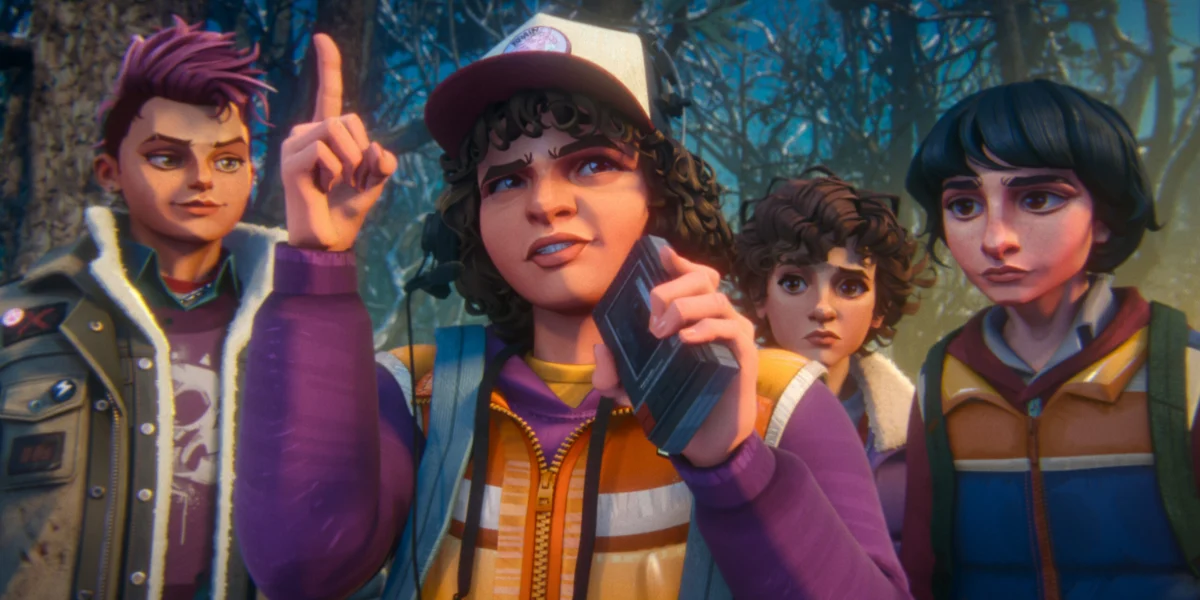
Netflix has officially released Stranger Things: Tales From ’85, an animated series designed to enrich the beloved Stranger Things universe by bridging the narrative gap between the second and third seasons of the flagship live-action show. This ambitious project aims to provide fans with a "lost chapter" of Hawkins, Indiana, meticulously crafted to align with the original canon established by the Duffer Brothers, echoing the expanded universe approach seen in franchises like Star Wars. The series is now streaming globally, offering a fresh perspective on the familiar yet ever-unsettling world of Stranger Things.
A New Perspective on Hawkins: Bridging the Narrative Gap
The decision to set Tales From ’85 between seasons two and three is a strategic one, offering creative freedom to explore the lives of Hawkins’ residents and delve into new mysteries without directly impacting the overarching plot of the main series. Season two concluded with the Mind Flayer’s lingering threat and Eleven closing the Gate, while season three escalated the Upside Down’s influence through a new Russian-operated portal beneath Starcourt Mall. This interstitial period allows the animated series to delve into untold stories, character developments, and minor threats that subtly build towards the events of season three, deepening the lore without necessitating a major, universe-altering event. This approach respects the Duffer Brothers’ carefully constructed narrative, ensuring that any new elements enhance rather than contradict the established storyline. The creators have likened it to the narrative function of well-received Star Wars paperback novels, providing supplementary adventures that enrich the main saga.
The Creative Minds Behind the Animation
At the helm of Stranger Things: Tales From ’85 is creator Eric Robles, a seasoned animation veteran known for his distinctive style and storytelling prowess. Robles’s portfolio includes popular titles such as The Grim Adventures of Billy & Mandy, where he served as a character designer and storyboard artist, and more recently, the Netflix original series Glitch Techs, which he created. His experience in crafting vibrant, character-driven narratives with a blend of humor and action makes him a natural fit for expanding the Stranger Things universe into animation.
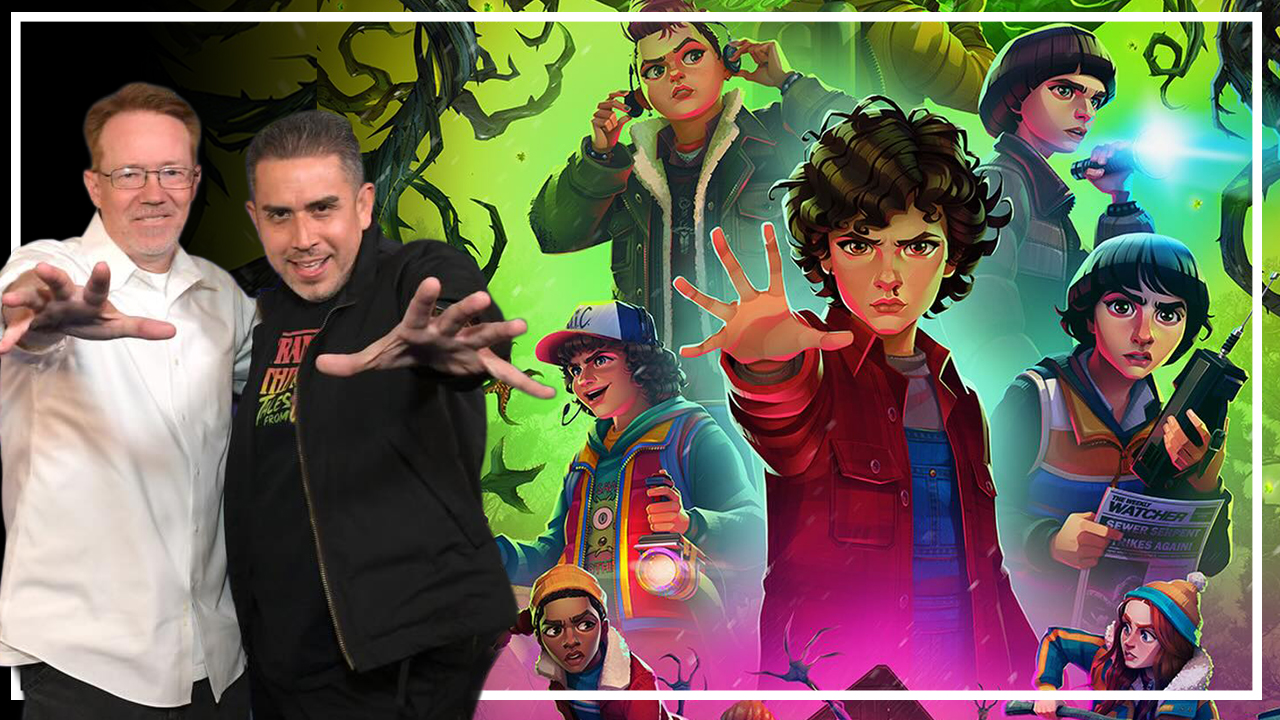
Joining Robles as co-executive producer and Senior Vice President of Creative at Flying Bark Productions LA is Ian Graham. Flying Bark Productions, one of Australia’s largest and most respected animation studios, brings a wealth of experience and a reputation for high-quality animation to the project. Graham’s extensive background in animation includes directorial roles on critically acclaimed series such as Avatar: The Last Airbender and The Legend of Korra. His deep understanding of cinematic storytelling in an animated format is pivotal to the series’ ambition. Robles himself lauded Graham’s contribution, stating, "Ian is my number one guy, man. I needed a right hand, and Ian is my right hand in every aspect of this show. Ian was a director on Avatar and Korra, so he’s bringing all his talents to the table in this series." This partnership, forged during their collaboration on Glitch Techs, highlights a synergy crucial for tackling a project of this scale and importance.
The Foundational Challenge: Keeping the World Alive
One of the primary conceptual challenges for Tales From ’85, as articulated by Ian Graham, was "keeping the world alive without opening a gate." This seemingly simple constraint presented a complex narrative puzzle. The Duffer Brothers had definitively closed the main gate to the Upside Down at the end of season two, a critical plot point. Introducing new, large-scale breaches or Upside Down incursions would undermine the established continuity. Graham revealed that many attempts by various creators to solve this puzzle had failed, underscoring its difficulty. Eric Robles, however, devised a "brilliant idea" that allowed the narrative to unfold within Hawkins, featuring elements of the supernatural and horror characteristic of Stranger Things, without creating a new, primary interdimensional rift. While the specifics of Robles’s solution remain undisclosed to avoid spoilers, its success was the catalyst for the entire concept, allowing Robles and Graham to immerse themselves fully in the creative process, from writing to storyboards and animatics. This commitment to maintaining the integrity of the Stranger Things lore, even in an animated spin-off, was paramount from the outset.
Assembling a Dream Team of Animation Talent
The success of Tales From ’85 hinges not only on its creative vision but also on the talent assembled to bring it to life. Robles and Graham capitalized on their previous collaboration on Glitch Techs, effectively reuniting a "band" of skilled artists and storytellers. This pre-existing rapport and shared creative language streamlined the production process. Key additions to the team include Sarah Partington, who took on the role of supervising director for season one. Robles praised Partington as an "amazing storyteller, story artist in every aspect." Ben Choi, another veteran from Glitch Techs, also returned to help lay the foundational visual and narrative elements of the series.
Ian Graham, leveraging his three decades of experience and extensive network within the animation industry, played a crucial role in curating the artistic team. His career, spanning projects like Avatar: The Last Airbender and The Legend of Korra, provided him with unparalleled access to high-caliber talent. Graham emphasized a "casting for storytelling" approach, ensuring that each artist brought a unique voice and perspective to the table rather than a uniform style. This deliberate selection process was aimed at achieving a "cinematic piece" that would be "epic" and live up to the demanding standards set by the live-action Stranger Things series. This strategic recruitment ensured a diverse yet cohesive creative force, capable of translating the complex narrative and visual demands of the Stranger Things universe into an animated format.
Cinematic Ambition: Elevating Animation to Epic Proportions
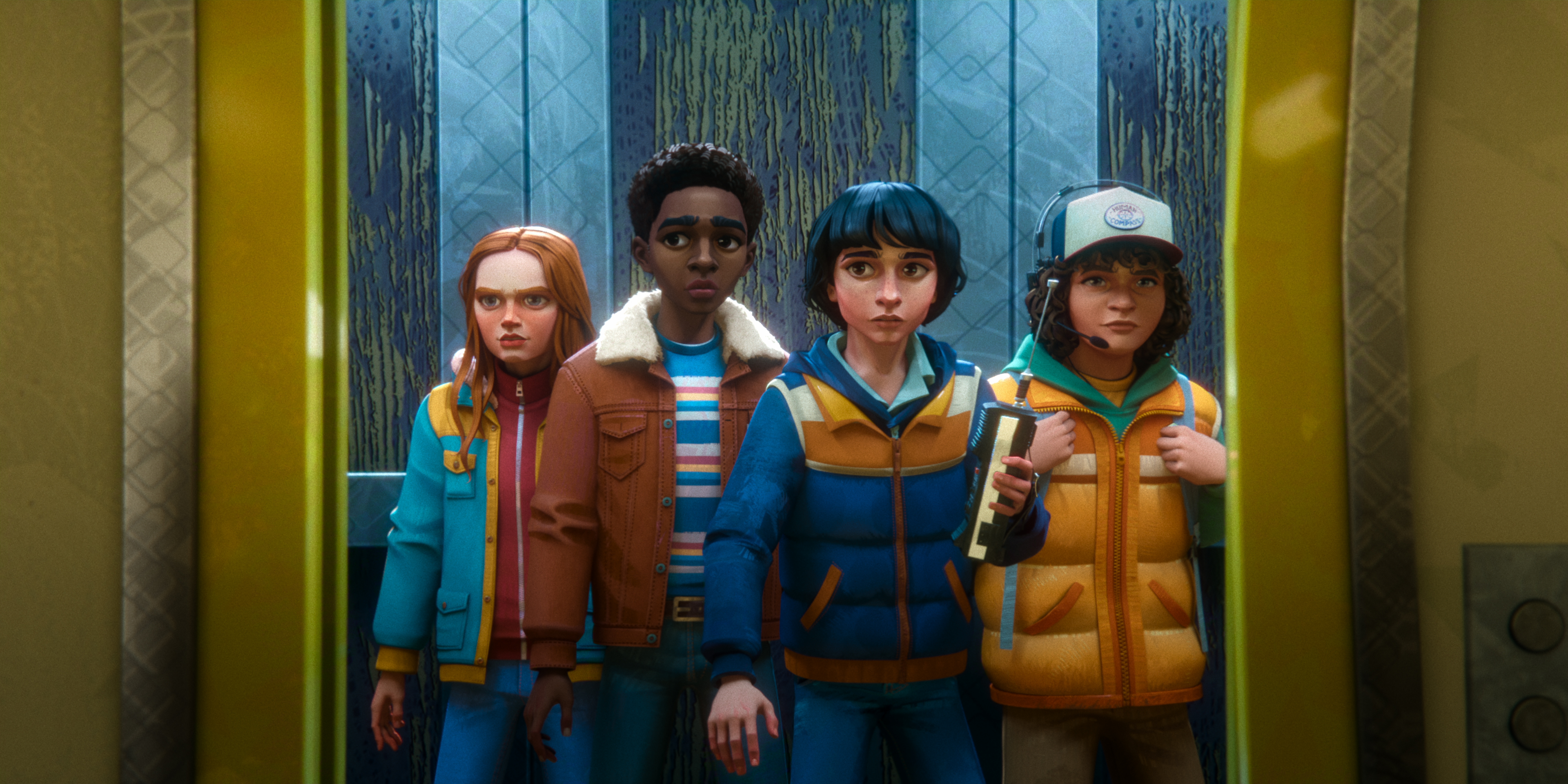
A central goal for Robles and Graham was to achieve the same "epic" and sophisticated filmmaking quality found in the live-action Stranger Things. They recognized that the Duffer Brothers’ series is renowned for its cinematic scope, often drawing inspiration from classic 80s blockbusters by legendary directors like Steven Spielberg, George Lucas, Francis Ford Coppola, and Martin Scorsese. This meant that Tales From ’85 needed to reference and embody the spirit of films such as Jaws, Raiders of the Lost Ark, Star Wars, and The Empire Strikes Back.
Robles highlighted the camera’s role as an independent voice in storytelling, emphasizing that proper storyboarding is crucial for conveying emotion and narrative depth. Animation, he noted, offers unique advantages in this regard. "Because we’re animation, we’re able to push the camera in ways that might cost a lot to do or would be very expensive in live action," Robles explained. This flexibility allows for dynamic camera movements and compositions that enhance both grand, epic moments and subtle, intimate character interactions. Instead of relying solely on standard "headshot to headshot" conversations, the animated series can utilize wide shots to convey isolation or elaborate tracking shots to build tension, enriching the emotional landscape of the narrative in ways that would be cost-prohibitive or technically challenging in live-action. Graham reinforced this, stating they had "huge shoes to fill" and had to bring "high-level, sophisticated filmmaking" to their animated adaptation.
The Sound of Hawkins: Music as the Soul of Storytelling
Music plays an indelible role in the Stranger Things franchise, with its iconic synth-wave score and carefully curated 80s soundtrack serving as a character in itself. Tales From ’85 continues this tradition, with the creative team meticulously selecting music to amplify the narrative. Ian Graham, having grown up in the 80s, took a particularly hands-on approach to music selection, often spending weekends exploring different songs to fit specific sequences.
A notable example cited is the "pumpkin patch action scene," which features Black Sabbath’s "Children of the Grave." Graham explained his reasoning, stating, "nothing could possibly sell horror more than early-days Black Sabbath. They had this hardcore energy, but there’s also an almost creepy vibe to that music." This choice perfectly encapsulates the blend of horror and 80s rock culture inherent to Stranger Things. Graham underscored the profound impact of music on filmmaking, asserting that "music is the soul of filmmaking." The right song can elevate a sequence, imbuing it with emotion and depth, while the wrong choice can render it hollow. Robles added that the song’s title itself, "Children of the Grave," was "very fitting" for the horror-infused scene. This dedication to sonic storytelling ensures that Tales From ’85 resonates with the same auditory identity that fans have come to love from the flagship series.
Maintaining the Lore: The Duffer Brothers’ Guiding Hand
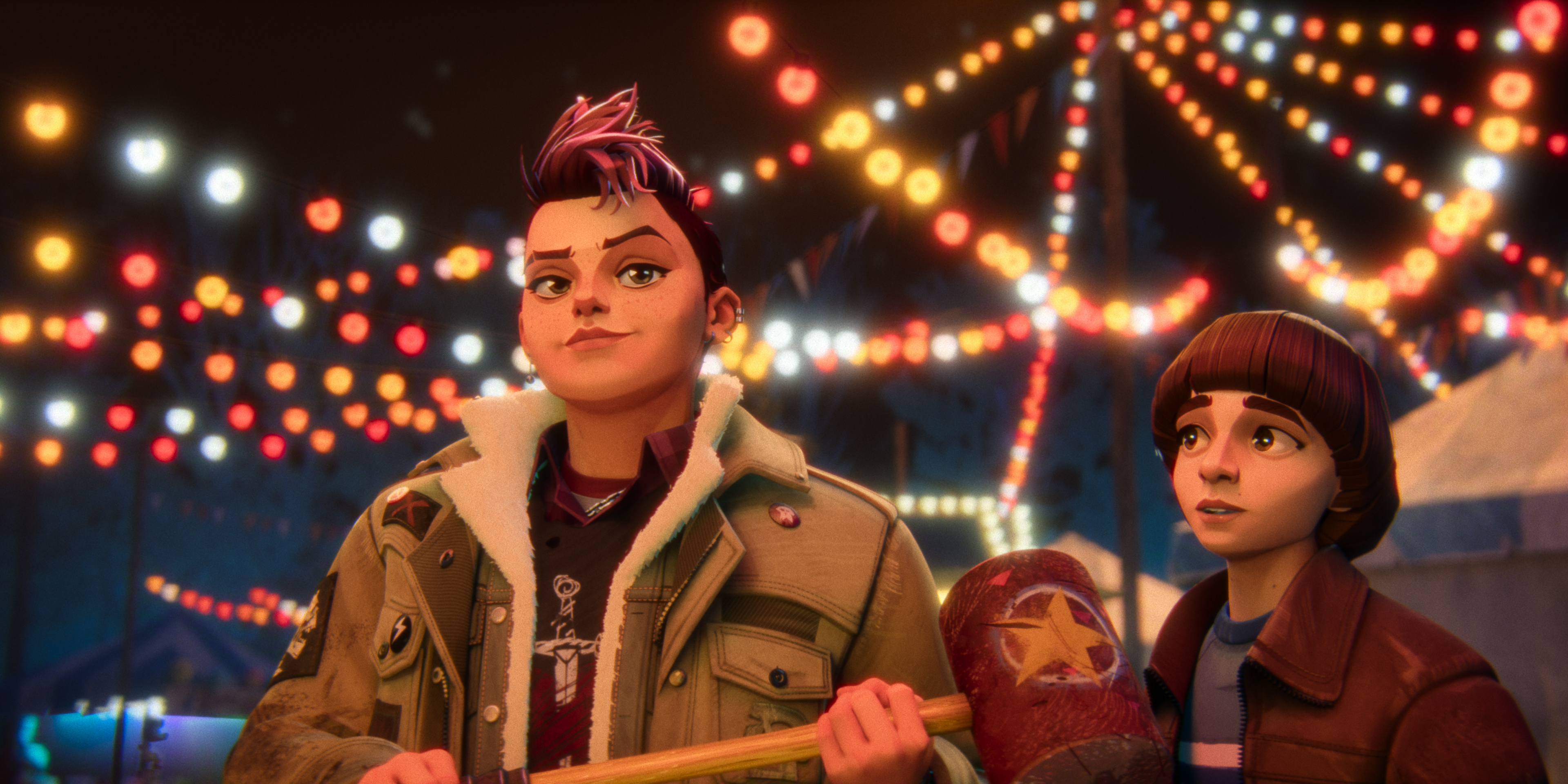
Ensuring Tales From ’85 remained true to the intricate lore of Stranger Things was a top priority. The Duffer Brothers, creators of the original series, provided their full support and oversight. Paul Dichter, a writer on the flagship Stranger Things series, served as a consultant during the early development stages, providing invaluable guidance to keep the animated narrative on track. As production commenced, Caitlin Schneiderhan was brought in as the head writer for Tales From ’85, tasked with meticulously weaving new stories into the existing fabric of the Stranger Things universe.
Eric Robles emphasized the importance of this rigorous adherence to canon, referring to it as the "math" of the show. This "math" involves ensuring consistency in the evolution of characters, the mechanics of the Upside Down, and the broader narrative progression. For instance, given that the main gate to the Upside Down was technically closed, the team had to logically explain how any supernatural events could still occur in Hawkins. "We didn’t want to just do something and be like, ‘Ah, nobody’s going to know. Who cares? It’s just going to be cool monsters.’ No, we had to make sure that the math was matching," Robles stated. This respect for the Duffer Brothers’ intellectual property and their carefully constructed world was paramount, ensuring that Tales From ’85 would be seen as an authentic extension rather than a tangential diversion. Ian Graham echoed this sentiment, describing the writer’s room as one of the most enjoyable aspects of the process, a space where creative boundaries could be explored while simultaneously ensuring character arcs and world-building remained consistent.
Why Animation? A Stylistic and Creative Choice
The decision to tell this "lost chapter" through animation rather than live-action was a deliberate and multifaceted choice. Ian Graham succinctly summarized the core question: "Why animation? Why do this in animation?" The answer lies in the unique creative freedoms and stylistic opportunities that animation provides. Eric Robles developed a distinct visual style for the series, which serves as a foundational reason for its animated existence.
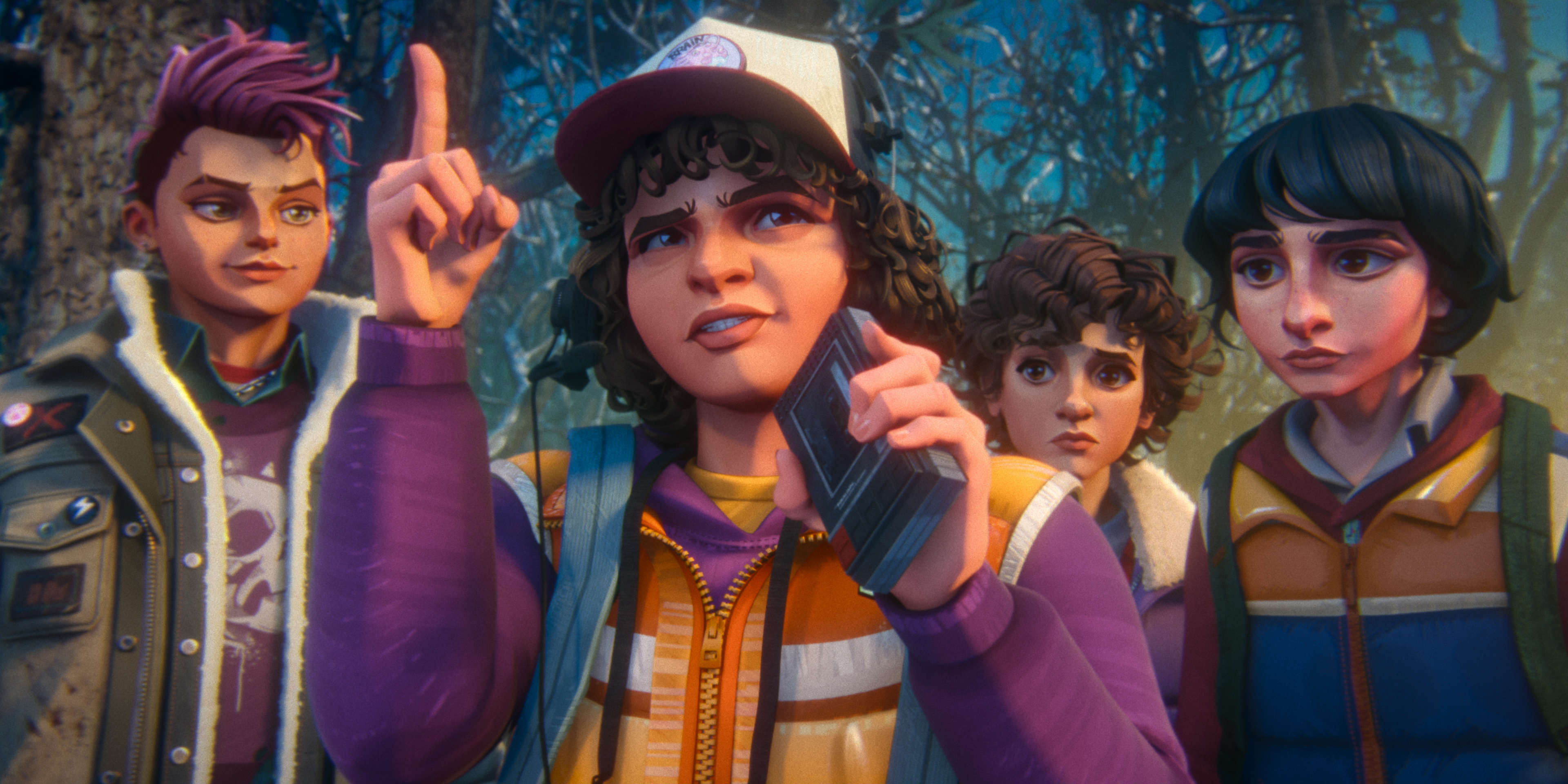
A key inspiration for this aesthetic was the iconic promotional artwork for the original Stranger Things series created by artist Kyle Lambert. These retro, hand-painted posters, evocative of classic 80s movie art, became the "north star" for the animated series’ visual identity. Robles envisioned bringing "those posters to life in animation form," believing that achieving this would result in a "pretty cool series." Animation allows for a level of stylistic control and visual exaggeration that can enhance the supernatural and horror elements of Stranger Things. It offers the ability to craft fantastical creatures, dynamic environments, and expressive character performances that might be technically challenging or exorbitantly expensive to replicate in live-action. This medium also allows for greater artistic license in portraying the unique atmosphere of Hawkins and the Upside Down, pushing visual boundaries in ways that would be prohibitive for the flagship live-action series.
Implications for the Stranger Things Universe
The release of Stranger Things: Tales From ’85 signals Netflix’s ongoing commitment to expanding its most successful franchises through diverse media. As the main Stranger Things series approaches its conclusion with its fifth and final season, spin-offs like Tales From ’85 are crucial for maintaining fan engagement and extending the longevity of the beloved universe. This animated series not only provides new content but also serves as a testing ground for different narrative approaches and stylistic interpretations of the Stranger Things brand.
For fans, Tales From ’85 offers a valuable opportunity to revisit Hawkins during a critical period, potentially shedding light on subtle character developments or minor incidents that influenced the trajectory of the main story. It appeals to both dedicated followers of the live-action show and animation enthusiasts, broadening the franchise’s reach. The success of this venture could pave the way for further animated spin-offs, perhaps exploring other time periods, characters, or even entirely different corners of the Stranger Things multiverse. It underscores Netflix’s strategy of building comprehensive, multi-platform universes around its most popular intellectual properties, ensuring that the stories and characters continue to resonate with audiences long after the flagship series concludes.
Stranger Things: Tales From ’85 Season 1 is now streaming on Netflix, inviting viewers back to the nostalgic, terrifying, and endlessly captivating world of Hawkins, Indiana, through a vibrant new animated lens.