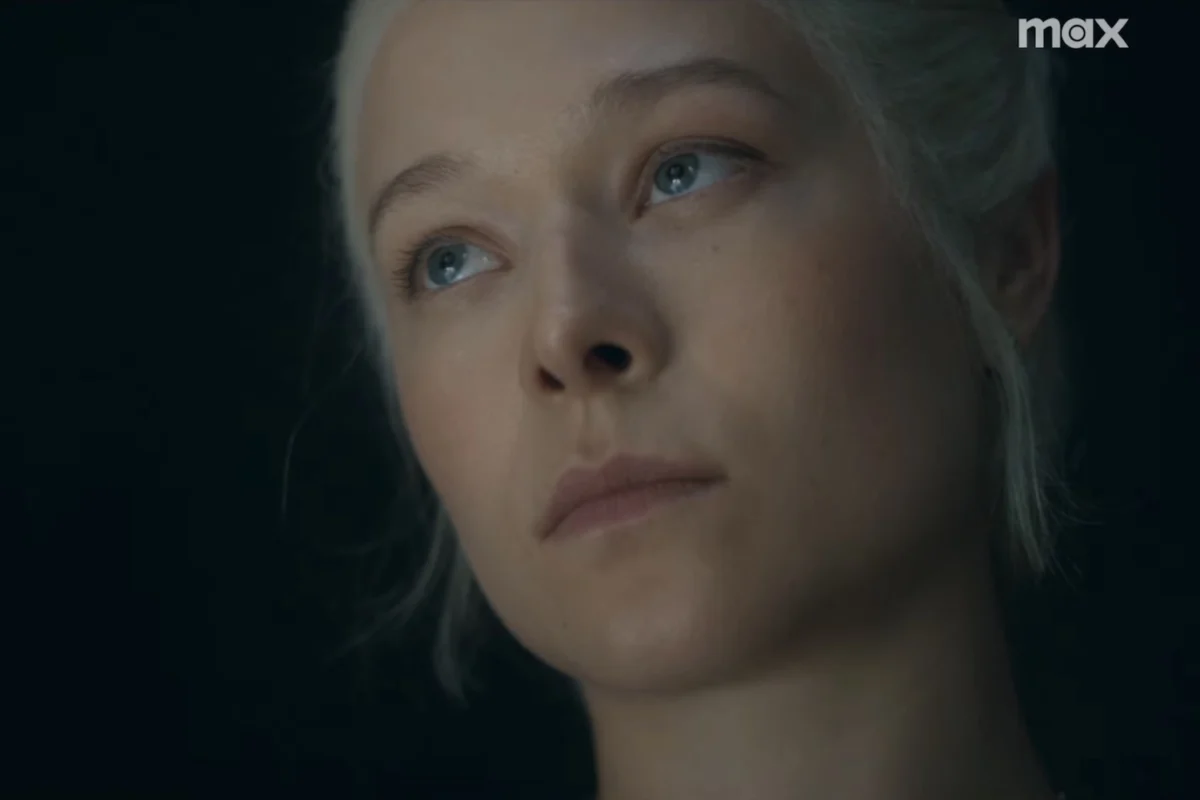
The brewing storm of succession and civil war in Westeros is no longer a distant rumble. HBO has officially ignited the propaganda war for House of the Dragon Season 2, releasing two distinct trailers that pit the principal factions against each other in a stark, unavoidable choice: are you Team Green, rallying behind Queen Alicent Hightower and her nascent reign, or Team Black, loyal to Princess Rhaenyra Targaryen and her claim to the Iron Throne? This strategic move by the network underscores the central theme of the upcoming season, explicitly stating through on-screen text in both trailers: "ALL MUST CHOOSE."
The first season of House of the Dragon, a prequel to the immensely popular Game of Thrones, laid a brutal foundation for this conflict. The once-close bond between Queen Alicent Hightower, portrayed by Olivia Cooke, and Princess Rhaenyra Targaryen, played by Emma D’Arcy, shattered under the weight of ambition, betrayal, and devastating personal loss, including the tragic death of Rhaenyra’s young son, Jacaerys Velaryon, in a dragon-related incident. The fractured relationship between these two central figures has irrevocably plunged the Seven Kingdoms into a civil war known as the Dance of the Dragons, a period of intense internal strife that will define the Targaryen dynasty.
The dual trailer release is a calculated masterstroke by HBO, designed to immerse viewers directly into the heart of the conflict. By presenting separate narratives, one for each claimant, the network compels audiences to consider the perspectives, motivations, and justifications of both sides. While the article acknowledges that most viewers will likely engage with both trailers, the underlying message is clear: the war demands allegiance, and neutrality is not an option. This resonates with the escalating tensions depicted within the trailers, hinting at the widespread devastation and fractured loyalties that will characterize the unfolding events.
The Factions: A Stark Division
The trailers offer a glimpse into the core of each faction’s ideology and leadership.
Team Green, representing the supporters of Alicent Hightower and her son, Aegon II Targaryen, is presented as the party of established order, albeit one built on questionable foundations. The narrative suggests a focus on maintaining power through strategic maneuvering and the assertion of royal authority. However, the accompanying critique within the original article points out that even the Green trailer struggles to portray them as anything other than schemers. The character of Aegon II, played by Tom Glynn-Carney, is described as "violence-loving," raising questions about his suitability as a ruler and the potential for his reign to be characterized by brutality rather than stability. This raises concerns about the long-term viability of a regime founded on such a volatile leader, potentially foreshadowing a reign marked by internal dissent and external challenges.
Team Black, aligned with Princess Rhaenyra Targaryen, ostensibly champions the established line of succession as decreed by King Viserys I Targaryen. Their narrative is likely to emphasize Rhaenyra’s rightful claim and the perceived injustice of her usurpation. The inclusion of key figures such as Daemon Targaryen, portrayed with his characteristic enjoyable terribleness by Matt Smith, and the steadfast Corlys Velaryon, the Sea Snake, played by Steve Toussaint, suggests a formidable force united by loyalty to Rhaenyra and a shared opposition to the Greens. The presence of Eve Best as "the only good Targaryen" and Ewan Mitchell as "the worst princeling" further highlights the complex and often morally ambiguous nature of the characters involved.
A Legacy of Conflict: The Dance of the Dragons
The Dance of the Dragons is not merely a localized skirmish; it is a full-blown civil war that nearly tears the Targaryen dynasty apart. The conflict stems from the contested succession of King Viserys I Targaryen. Viserys, despite having male heirs, named his daughter Rhaenyra as his successor. However, upon his death, his ambitious mother, Queen Dowager Alicent Hightower, and her allies moved swiftly to crown her son, Aegon II, thus sidelining Rhaenyra. This act of usurpation ignited a brutal war that pitted Targaryen against Targaryen, dragon against dragon, and fractured the very foundations of Westerosi society.
The historical precedent for such a conflict in Westerosi lore is significant. The Targaryen dynasty, known for its dragons and its iron-fisted rule, had previously faced internal strife, but the Dance of the Dragons stands out for its sheer ferocity and the near-extinction of the dragon population. This period is characterized by strategic alliances, devastating battles, and profound personal tragedies for the families involved. The consequences of this war were far-reaching, impacting the political landscape, the economy, and the very perception of the Targaryen rule for generations to come. Understanding this historical context is crucial to appreciating the stakes involved in House of the Dragon Season 2.
Returning Cast and New Arrivals
The returning cast for House of the Dragon Season 2 brings back familiar faces who are central to the unfolding drama. Alongside D’Arcy and Cooke, Matt Smith reprises his role as the cunning and volatile Daemon Targaryen. Eve Best returns as the pragmatic and loyal Princess Rhaenys Targaryen, often referred to as "the Queen Who Never Was." Ewan Mitchell continues to embody the volatile Prince Aemond Targaryen, whose actions have been a significant catalyst for the war. Steve Toussaint as the formidable Lord Corlys Velaryon and Fabien Frankel as Ser Criston Cole, a knight whose loyalty has shifted dramatically, are also back. Tom Glynn-Carney as the young, tempestuous King Aegon II and Sonoya Mizuno as the enigmatic Mysaria, a key informant and figure of intrigue, round out the core returning ensemble. Rhys Ifans returns as Otto Hightower, the shrewd Hand of the King and a master strategist for the Greens.
The impending war also necessitates the introduction of new characters who will play pivotal roles in the conflict. The list of new additions is extensive, signaling a significant expansion of the House of the Dragon universe:
- Tom Taylor as Lord Cregan Stark: The Lord of Winterfell, whose allegiance will be crucial in the North. The Starks have historically been a powerful force in Westerosi politics, and their involvement could tip the scales of the war.
- Kieran Bew as Hugh Hammer: A claimant to a dragon, likely representing a more common, perhaps roguish, element within the conflict.
- Clinton Liberty as Addam of Hull: Another potential dragonrider, whose loyalties and lineage will be explored.
- Vincent Regan as Ser Rickard Thorne: A knight likely to be involved in the martial aspects of the war.
- Gayle Rankin as Alys Rivers: A character often associated with prophecy and a significant figure in later stages of the Dance.
- Freddie Fox as Ser Gwayne Hightower: A cousin to Alicent, likely to bolster the Green forces.
- Simon Russell Beale as Ser Simon Strong: A member of the Strong family, whose connections to Harrenhal will be significant.
- Abubakar Salim as Alyn of Hull: A brother to Addam, also a potential dragonrider.
- Jamie Kenna as Ser Alfred Broome: Another knight expected to participate in the battles.
- Tom Bennett as Ulf: Another claimant to dragon ownership, adding to the growing number of potential dragonriders.
The influx of these new characters suggests a broadening of the narrative scope, moving beyond the immediate royal families to encompass the wider political and military landscape of Westeros. Their introductions are likely to be instrumental in shaping the alliances and battles that will define the Dance of the Dragons.
A Timeline of Treachery and Dragons
The events leading up to the Dance of the Dragons were a slow burn of escalating tensions and unresolved grievances.
- Reign of Viserys I Targaryen: King Viserys I reigned for a significant period, during which he named his daughter, Rhaenyra, as his heir, breaking with tradition. This decision, influenced by his own experiences and the counsel of his first wife, Queen Aemma Arryn, and later, his Hand, Otto Hightower, sowed the seeds of future conflict.
- Alicent’s Ambition and Rhaenyra’s Assertions: Queen Alicent, a formidable political player, became increasingly concerned about Rhaenyra’s succession, especially after she had sons with Alicent. Her ambition, coupled with the machims of her father, Otto Hightower, led to the formation of the "Green" faction. Rhaenyra, meanwhile, consolidated her own support, particularly among those who valued the King’s decree and the traditional line of succession.
- The Death of Viserys I: The King’s death in 129 AC marked the immediate trigger for the war. Queen Alicent and her allies, led by Otto Hightower, moved swiftly to crown Aegon II, denying Rhaenyra her rightful inheritance. This act of defiance is what officially initiated the Dance of the Dragons.
- Rhaenyra’s Coronation: In response, Rhaenyra was crowned Queen of the Seven Kingdoms by her supporters in Dragonstone, establishing the "Black" faction. This dual coronation solidified the division and plunged Westeros into open warfare.
- Early Battles and Dragon Warfare: The initial stages of the war were marked by brutal dragon battles and strategic maneuvers. The scale of destruction and loss of life, particularly among the dragons, was immense. Key early events often included skirmishes for control of strategic locations and the elimination of key figures from both sides.
- The Season 1 Cliffhanger: The first season concluded with the tragic death of Rhaenyra’s son, Lucerys Velaryon, at the hands of Aemond Targaryen and his dragon Vhagar. This act of violence, a direct consequence of Aemond’s personal vendetta and Vhagar’s aggression, was a personal blow to Rhaenyra and solidified her resolve to wage war against the Greens.
The Impending Inferno: Implications of the Dance
The Dance of the Dragons, as depicted in House of the Dragon, is not merely a dynastic squabble; it has profound implications for the future of Westeros.
- Near Extinction of Dragons: The most significant consequence of the Dance of the Dragons was the drastic reduction in the dragon population. These magnificent creatures, the primary source of Targaryen power and a symbol of their dominance, were nearly wiped out during the conflict. This event fundamentally altered the nature of warfare and power in Westeros for centuries to come, paving the way for the eventual decline of dragon riders and the rise of other political forces.
- Political Instability and Shifting Alliances: The civil war fractured alliances and destabilized the existing political order. Noble houses were forced to choose sides, leading to internal divisions within families and kingdoms. The aftermath of the war saw a period of prolonged instability and a rebalancing of power among the great houses.
- Human Cost and Societal Impact: Beyond the political machinations and dragon battles, the war inflicted immense suffering on the common people. Villages were razed, crops destroyed, and lives lost. The impact on the economy and the social fabric of Westeros was devastating, leading to widespread hardship and resentment.
- The Legacy of the Targaryens: The Dance of the Dragons cast a long shadow over the Targaryen dynasty. While they ultimately retained the throne, the war exposed their internal divisions and their capacity for self-destruction. This event contributed to a gradual erosion of their authority and paved the way for the eventual downfall of their reign centuries later.
Official Statements and Network Strategy
While no direct quotes from the cast or creators regarding the dual trailer strategy were provided in the original text, the decision to release two distinct trailers is a clear indication of HBO’s marketing strategy. This approach aims to:
- Maximize Engagement: By catering to different fan preferences and highlighting specific character arcs, HBO encourages broader viewership and deeper engagement with the narrative.
- Emphasize the Central Conflict: The explicit "ALL MUST CHOOSE" message reinforces the thematic core of the season, ensuring that viewers understand the gravity and personal nature of the impending war.
- Generate Discussion and Anticipation: The contrasting trailers are likely to spark online discussions, fan theories, and debates about which side is more justified, further building anticipation for the season premiere.
The release of these trailers on June 16th marks the official countdown to the premiere of House of the Dragon Season 2. As the Dance of the Dragons begins, audiences will be forced to confront the brutal realities of war, the complexities of loyalty, and the ultimate cost of ambition in a realm where dragons and death go hand in hand. The choice presented is not just about which character to support, but about understanding the devastating consequences of a kingdom torn apart from within.