The 28th Taipei Film Festival today (April 24) unveiled the lineup for its "Tehran: Classics Collection" under the "City in Focus" program, spotlighting Tehran. This meticulously curated section is set to bring together 21 landmark works that not only trace the rise and profound transformation of Iranian cinema but also offer an unparalleled journey through its rich artistic landscape spanning from the 1960s to the cusp of the 1979 Islamic Revolution. This initiative marks a significant effort by the festival to deepen global understanding of one of cinema’s most influential and often politically complex national movements.
A Panoramic View of Iranian Cinematic History
The "Tehran: Classics Collection" is more than just a retrospective; it is a scholarly excavation of a pivotal era, revealing how Iranian filmmakers, often operating under stringent social and political constraints, ignited cinematic expression and forged distinctive paths that astonished the world. The program meticulously covers the avant-garde aesthetics of the 1960s, the experimental "Cinema-ye Azad" (Free Cinema) movement of the 1970s, and the formative early works by internationally acclaimed auteurs who would later define the global perception of Iranian cinema. This half-century retrospective provides a crucial context for understanding the foundational principles and innovative spirit that characterized the first wave of the Iranian New Wave cinema.
Highlights of this extraordinary collection include The House Is Black (1962), the sole cinematic work by the influential 20th-century Iranian poet Forough Farrokhzad, a film celebrated for its poetic realism and unflinching gaze at societal marginalization. Also featured is First Case, Second Case (1979) by the globally revered master filmmaker Abbas Kiarostami, a profound interrogation of collective decision-making and ethical responsibility that foreshadows his later masterpieces. Another seminal inclusion is Brick and Mirror (1964) by Ebrahim Golestan, often regarded as the herald of the Iranian New Wave, pushing boundaries with its modernist narrative and critical social commentary.
Masterworks Deconstructing Society Through Image
The collection is a testament to the Iranian cinematic aesthetic, demonstrating how filmmakers ingeniously deconstructed societal norms and human conditions through powerful imagery. In The House Is Black, Farrokhzad’s bold decision to enter a leper colony transforms suffering into a deeply moving visual poem, a testament to her unique blend of journalistic observation and profound humanism. The film, a short documentary, remains a groundbreaking piece for its fusion of stark reality with poetic narration, establishing a template for future Iranian art-house cinema.
Equally renowned for its critical insight, Ebrahim Golestan’s Brick and Mirror uses the story of an abandoned infant in a taxi’s back seat to probe the burgeoning urban alienation and pervasive fear under the pressures of modernity in Tehran. Golestan, a prominent intellectual and writer, infused his film with a sophisticated critique of Iranian society, blending neorealist tendencies with existential questions. The film’s challenging narrative and stylistic innovations immediately set it apart, signaling a new direction for Iranian filmmaking.
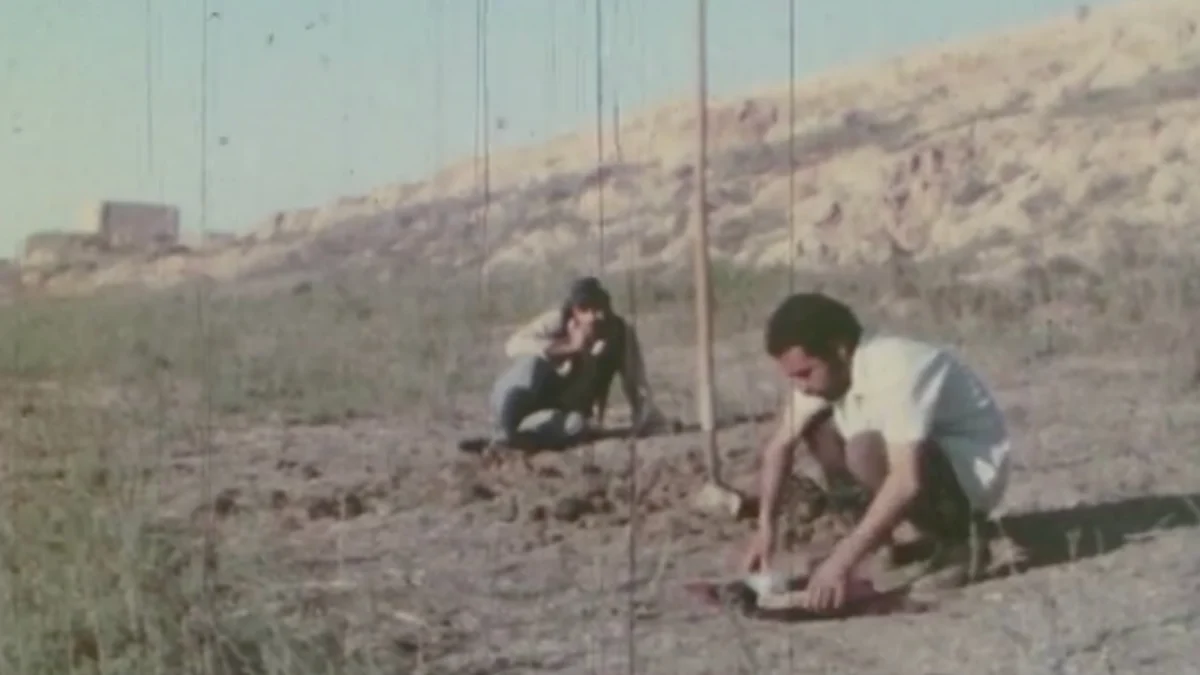
The festival also proudly presents the legendary banned film The Sealed Soil (1977) by pioneering female director Marva Nabili. Shot secretly without official authorization, this courageous work navigates the story of a young woman yearning for independence in a remote village. Nabili employs long takes and sparse dialogue to capture the arduous struggle against gender constraints and traditional societal expectations. The film is often regarded as an Iranian counterpart to Chantal Akerman’s Jeanne Dielman, 23 quai du Commerce, 1080 Bruxelles, due to its meticulous observation of a woman’s daily life and silent rebellion, adding a vital and often overlooked female perspective to the Iranian New Wave. Its inclusion underscores the festival’s commitment to showcasing diverse voices and challenging narratives.
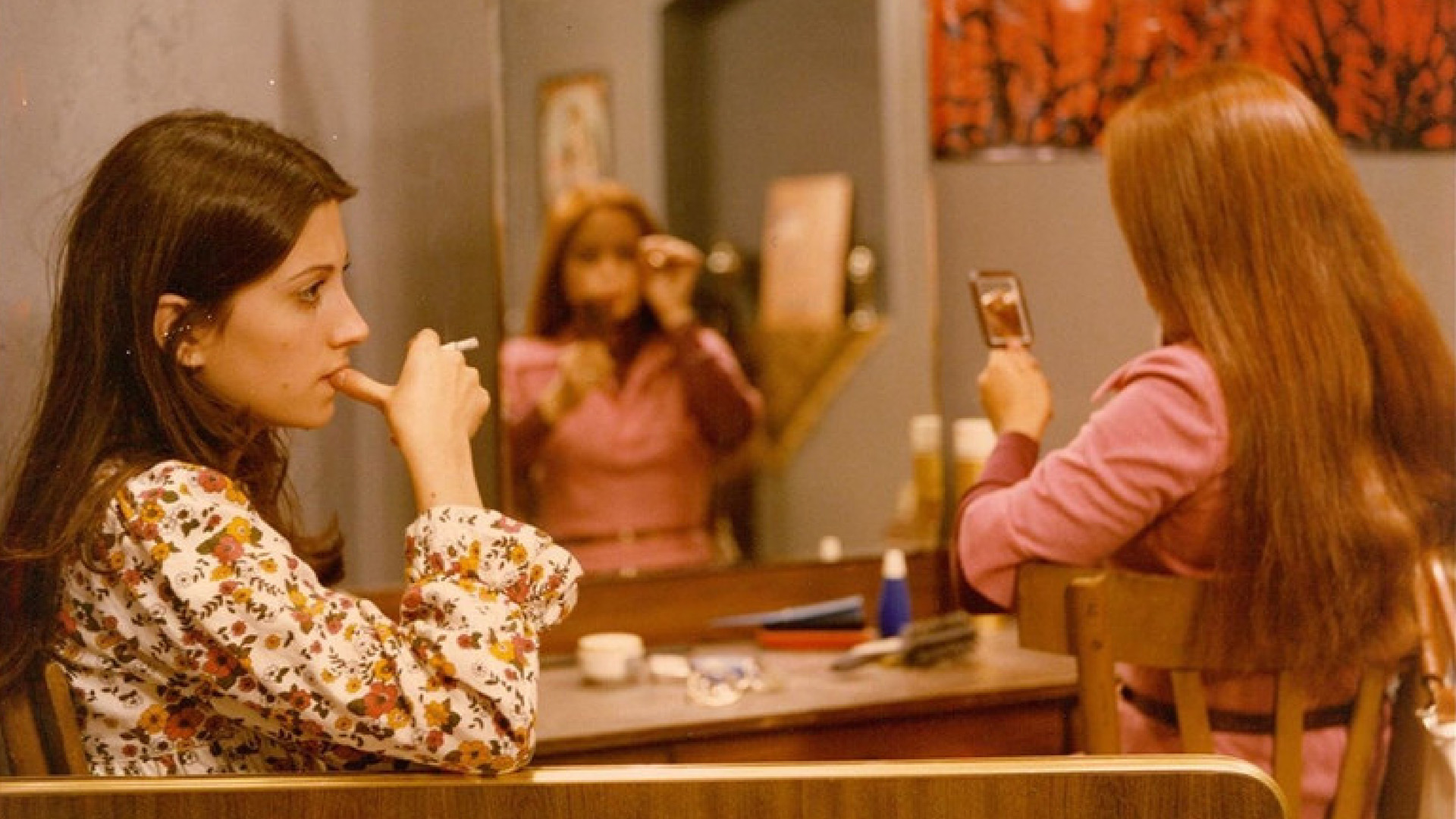
Further enriching this section are films that delve into the intricacies of everyday life and power dynamics. Nosratollah Karimi’s The Carriage Driver (1971) employs sharp humor to critique traditional marriage values, offering a satirical glimpse into domestic life in Iran. Meanwhile, Dariush Mehrjui’s The Postman (1972) constructs a powerful allegory of politics and power through the story of a postman oppressed by the landlord class, reflecting broader societal inequalities and the struggle for individual dignity. Mehrjui, a central figure of the New Wave, was known for his adaptations of Western literature into Iranian contexts, and The Postman exemplifies his nuanced approach to social commentary.
The collection continues with Parviz Sayyad’s Dead End (1977), which adopts a critical tone to depict psychological entrapment under surveillance, a poignant reflection on the political climate of the time. Sohrab Shahid Saless’s minimalist Still Life (1974) shook the international film world with its de-narrativized realism, portraying the repetitive daily life of an aging railway worker with profound empathy and stark visual poetry. Saless, an exile who found acclaim in Germany, was a master of slow cinema, and Still Life remains a powerful example of his observational style. Amir Naderi, another luminary, contributes Harmonica (1974), examining power dynamics among peers sparked by a simple instrument, and Waiting (1974), which captures a boy’s pure yet restless longing through the interplay of light and shadow. Together, these works construct a multifaceted dialogue on social systems, human resilience, and the universal condition within the unique framework of the Iranian film movement.
Abbas Kiarostami Shorts: Tracing the Origins of a Master
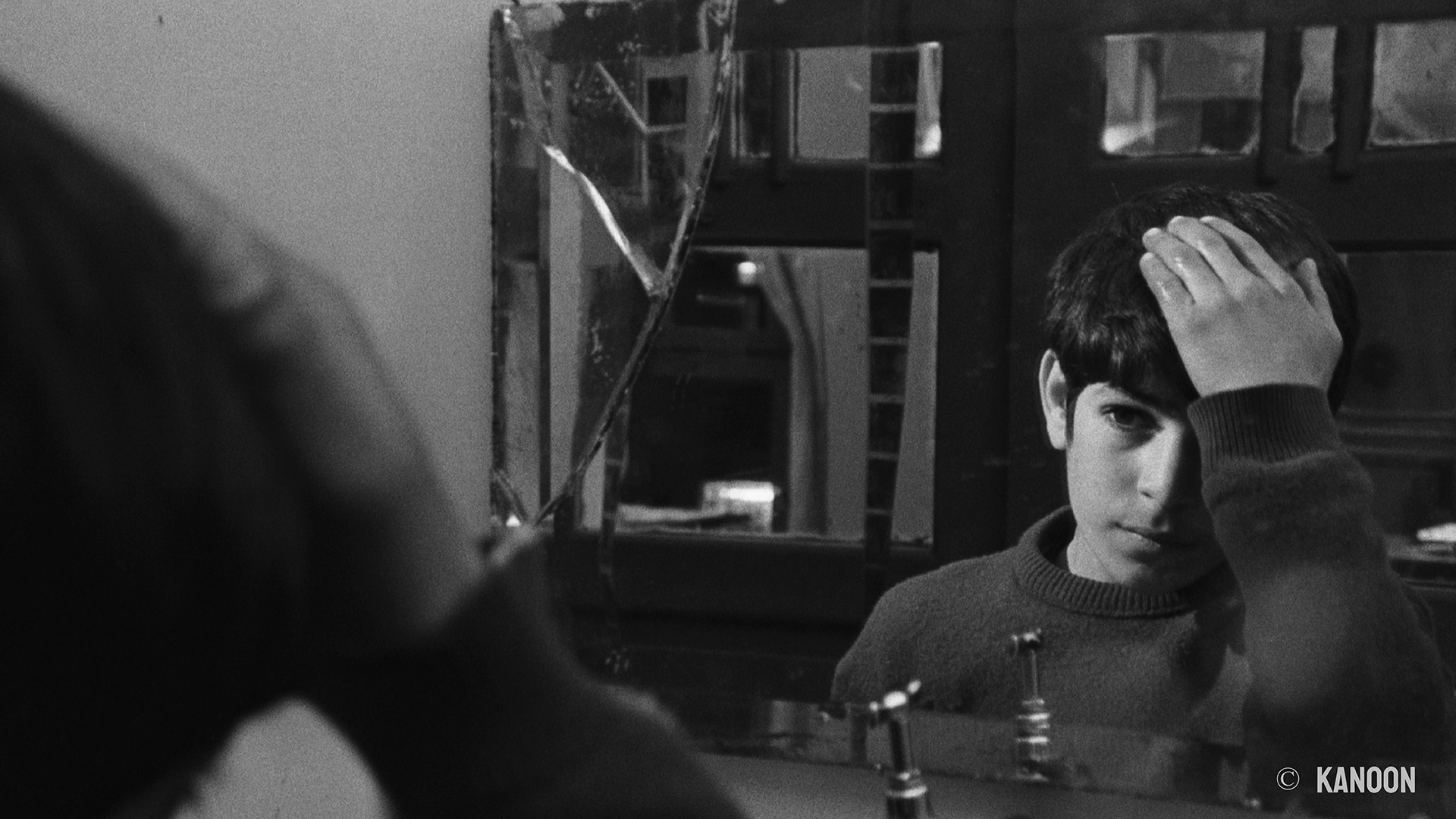
In addition to these feature-length classics, the festival presents a special "Abbas Kiarostami Shorts" program, offering a rare opportunity to witness the emergence of the master’s cinematic voice. Kiarostami’s journey into filmmaking began in 1969 when he was invited to join the Center for the Intellectual Development of Children and Young Adults (Kanoon). At Kanoon, he founded its filmmaking department, an institution that would become a crucial incubator for a generation of Iranian filmmakers. Over the next two decades, Kiarostami transformed everyday settings such as schools and families into laboratories of aesthetic experimentation, meticulously shaping the signature style that would later gain international acclaim and earn him a Palme d’Or at Cannes.
His early shorts are profound explorations of human behavior and social structures. In Experience (1973), a young photography assistant dons a suit to impress a wealthy girl, subtly exposing class hierarchies and social symbols through a child’s perspective. A Wedding Suit (1976) explores peer psychology through a coveted suit in a tailor shop, triggering moral dilemmas between ethics and friendship while reflecting the Westernized atmosphere of late Pahlavi-era Iran and the allure of consumerism.
Among works rich in educational philosophy and imagination, So Can I (1975) blends live action and animation to capture children imitating animals, celebrating unrestrained creativity and the innocent joy of childhood. Toothache (1980) combines realism with hand-drawn animation to depict a boy’s fear of dental pain, using a simple, relatable premise to explore universal childhood anxieties. Tribute to the Teachers (1977) offers heartfelt reflections on overwork and low pay through interviews with educators, showcasing Kiarostami’s early commitment to social realism and amplifying marginalized voices.
A standout, First Case, Second Case (1979), poses a profound question through a classroom dilemma—whether to expose wrongdoing or protect one another—highlighting Kiarostami’s unparalleled ability to distill complex philosophical inquiry from everyday life situations. This program is not merely a collection of early works but a foundational text for understanding the thematic and stylistic preoccupations of one of cinema’s most important figures.
Cinema-ye Azad Collection: Reviving Iran’s Radical Film Movement
Perhaps the most radical and historically significant segment of the festival’s focus on Tehran is the "Cinema-ye Azad Collection." This program revisits the most radical moving-image practices in Iran from 1969 to 1979. In defiance of commercial constraints and state-controlled narratives, young creators launched a grassroots movement using portable 8mm cameras, reclaiming creative autonomy through experimental and surreal forms. This movement, characterized by its independent spirit and often provocative content, provides crucial insight into the artistic ferment preceding the Islamic Revolution. These long-obscured works capture the unrestrained artistic spirit of Tehran on the eve of transformation, reflecting how filmmakers achieved pure expressive freedom amid scarcity and nascent political unrest.
The program particularly highlights independent film pioneer Behnam Jafari, a key figure in the Cinema-ye Azad movement. Three of his representative works are featured: The Day that Mr. J Appeared (1971), which uses the absurd premise of a foul-smelling box blocking a staircase to create subtle social satire, challenging the mundane with surrealist flair. Abandoned Heights (1974), shot, directed, and edited by Jafari himself, captures haunting scenes of Tehran on 8mm film, using a rooftop trumpet as a potent metaphor for political surveillance and the suppression of artistic expression. His only feature-length film, Mir Nasir and the Ill-Fated Genie (1976), subverts traditional Arabic folklore to question modernization and existential conditions, showcasing Jafari’s daring narrative approach and intellectual depth.
The program also includes experimental works by other filmmakers, demonstrating the movement’s diverse narrative approaches. DokhtarBass Didn’t Want to Be Alone (1976) presents delicate emotional and spatial poetics through a girl’s attempt to escape loneliness, a sensitive exploration of internal states. Poison River (1975) confronts environmental and cultural disappearance with stark imagery, serving as an early, prescient critique of ecological damage. Meanwhile, How Frightening Is the Darkness of the Soul! (1976) delivers a sensory assault into the subconscious, visualizing fear, desire, and the dissolution of the soul through intense light and distorted imagery, pushing the boundaries of cinematic expression into the realm of the psychological thriller. Together, these works reveal the breadth of Cinema-ye Azad’s artistic vision and its enduring spirit of creative freedom, positioning it as a vital precursor to global independent cinema movements.
The Taipei Film Festival: A Platform for Global Cinematic Dialogue
The decision to dedicate the "City in Focus" program to Tehran underscores the Taipei Film Festival’s commitment to fostering cross-cultural understanding and celebrating cinematic heritage from around the globe. As one of Asia’s premier film festivals, the Taipei Film Festival has consistently served as a vital platform for showcasing diverse cinematic voices and promoting dialogue between different film traditions. This year’s focus on Iranian cinema not only offers a historical deep dive but also highlights the enduring relevance of these films in contemporary discussions about art, society, and human rights.
Festival Director Li Ya-mei emphasized the significance of this collection, stating, "Iranian cinema has long captivated audiences and critics worldwide with its unique blend of poetic realism, philosophical depth, and unflinching social commentary. This collection offers a rare and comprehensive look at the foundational works that shaped this powerful cinematic tradition, particularly the vibrant period prior to the 1979 Revolution. We believe that by presenting these masterpieces, we can foster a deeper appreciation for Iran’s rich cultural legacy and provide invaluable insights into the historical and artistic contexts that defined a generation of groundbreaking filmmakers." The curatorial team expressed their meticulous approach to selecting films that not only represent significant artistic achievements but also collectively narrate the complex social and political tapestry of pre-revolutionary Iran.
The implications of such a comprehensive retrospective are far-reaching. For cinephiles and scholars, it provides an invaluable archive of works that are often difficult to access. For the general public, it offers an educational journey into a rich cultural tradition that continues to influence global cinema. The themes explored in these films—urban alienation, gender inequality, political oppression, ethical dilemmas, and the quest for freedom—remain remarkably pertinent in today’s world, demonstrating the timeless power of art to transcend geographical and temporal boundaries. By spotlighting Tehran, the Taipei Film Festival reinforces its role as a bridge for cultural exchange, ensuring that these historically important and artistically profound films continue to inspire and inform new generations.
The 28th Taipei Film Festival is scheduled to take place from June 26 to July 11, 2026, at iconic venues across Taipei, including Zhongshan Hall, SPOT-Huashan Cinema, and Eslite Cinema. The full program lineup and additional event details will be announced soon. Nominations for the festival’s two major competitions—the Taipei Film Awards, celebrating Taiwanese cinema, and the International New Talent Competition, recognizing emerging global filmmakers—are expected to be revealed in mid-May. For more information and updates, please visit the official website: https://www.taipeiff.taipei/tw/.