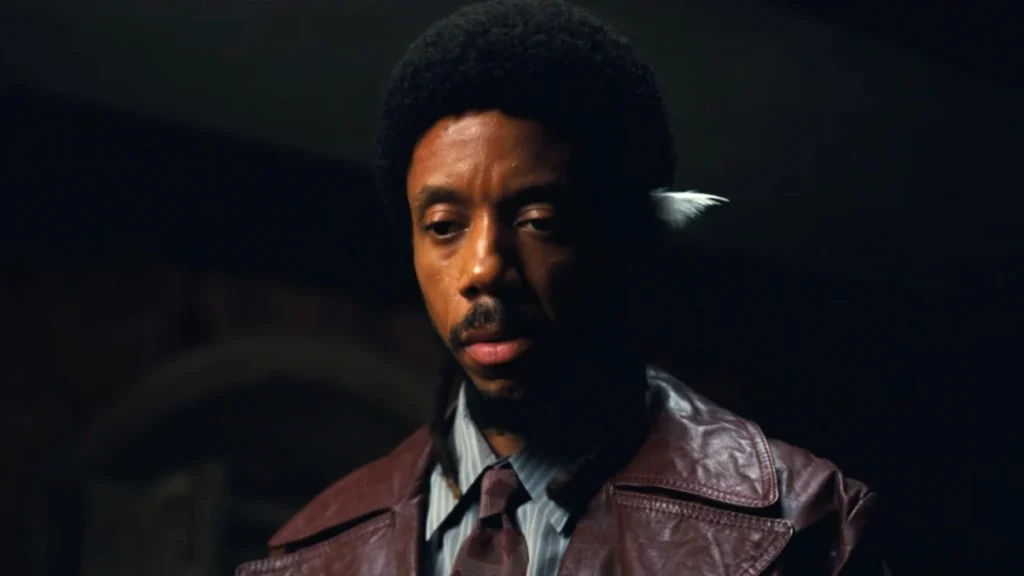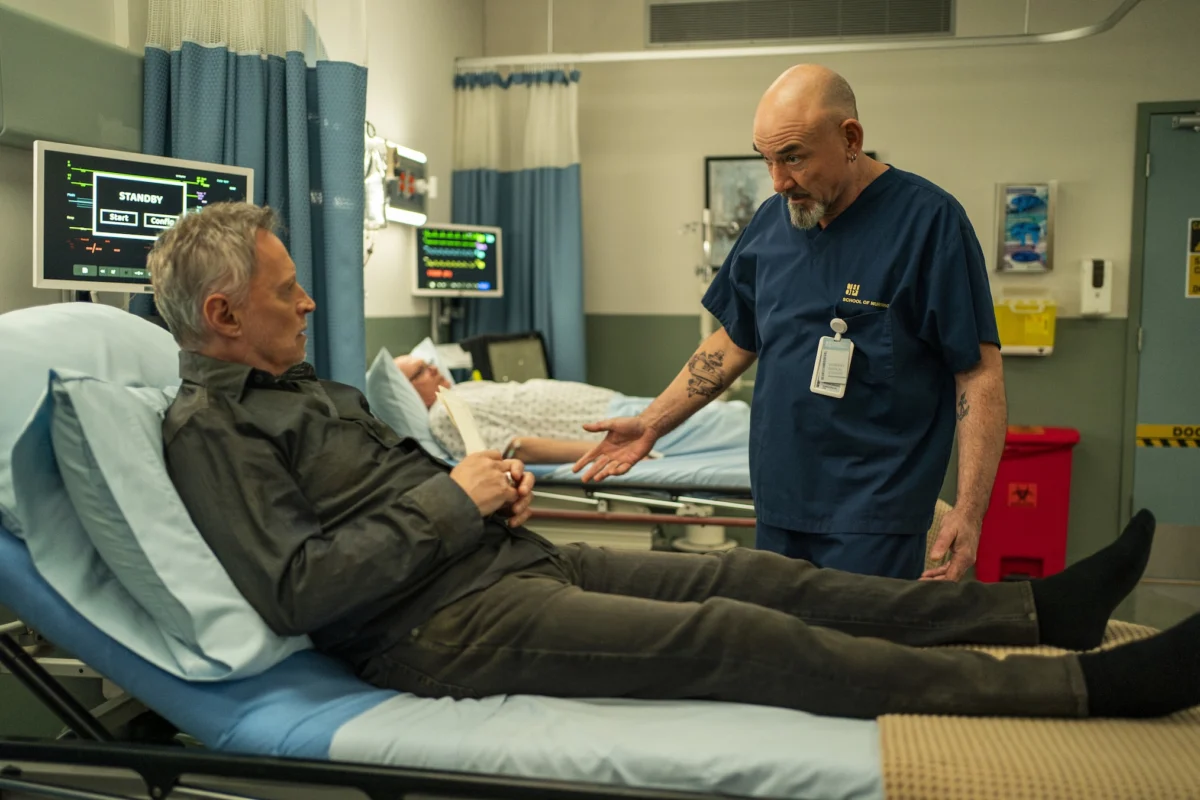
In a dramatic turn of events that has fundamentally altered the narrative landscape of the CBS medical drama Watson, the series’ nineteenth episode of Season 2, titled "The Rule of Three," has confirmed that the legendary detective Sherlock Holmes is alive. This revelation serves as a massive pivot for the show, which had spent much of the current season leading both the audience and the protagonist, Dr. John Watson, to believe that Holmes’ appearances were merely symptomatic of Watson’s deteriorating health. The reappearance of Robert Carlyle’s Sherlock Holmes in a physical, tangible form creates a complex medical and psychological paradox that the series must now resolve in its upcoming series finale.
The Emergency Room Encounter and the End of the Hallucination Theory
The climax of "The Rule of Three" centered on an unexpected arrival at the emergency department of the hospital where Dr. John Watson, portrayed by Morris Chestnut, serves as a leading medical authority. The sequence began with a deeply personal moment between Nurse Carlin DaCosta (Margot Bingham) and Shinwell Johnson (Ritchie Coster). Following a tense narrative arc involving a potential HIV exposure during the treatment of a high-risk patient—a storyline used to highlight the daily occupational hazards of frontline healthcare workers—DaCosta proposed to Johnson. However, the emotional milestone was abruptly interrupted by an emergency page.
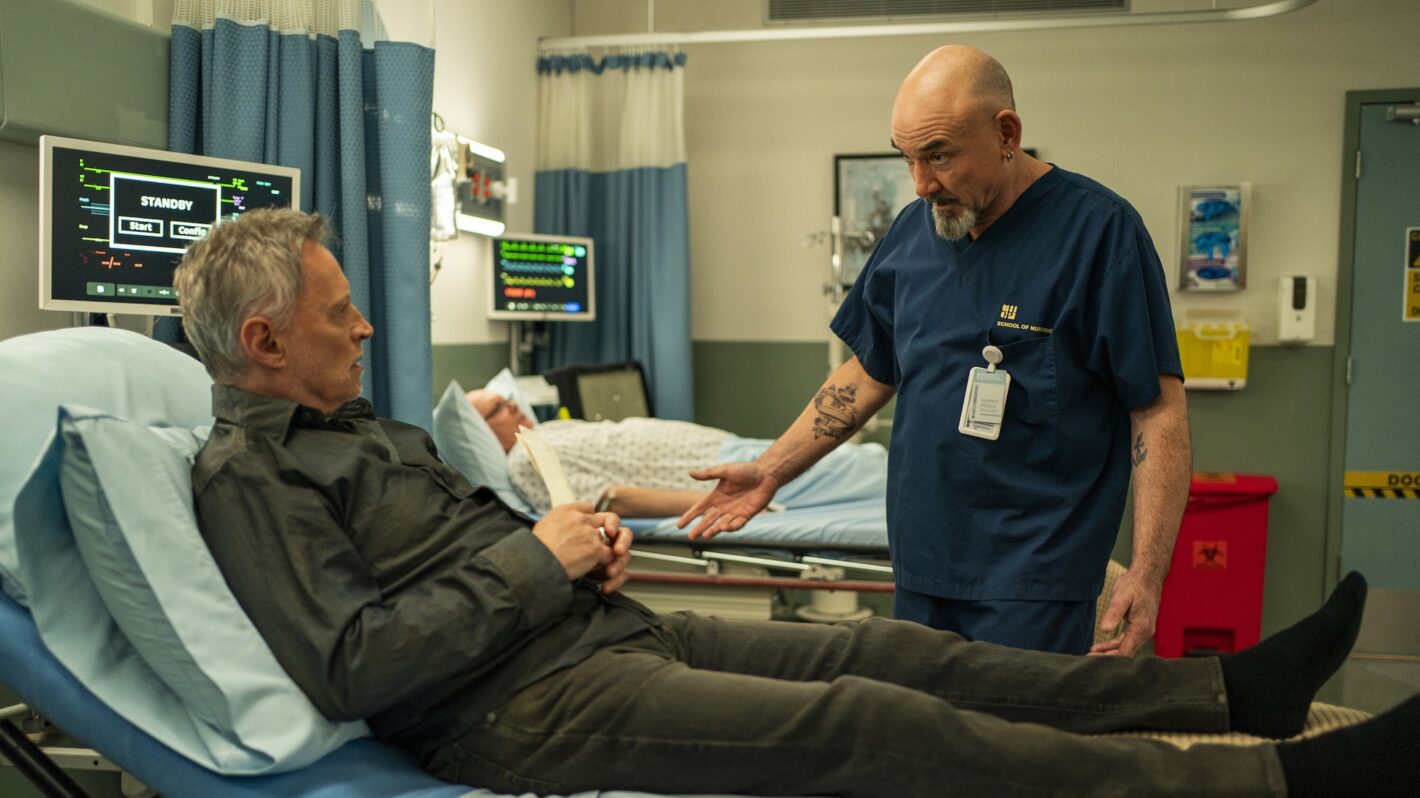
Hospital staff informed Johnson that an unidentified male had been admitted in critical condition. The individual was described as being in "bad shape," carrying no identification other than a slip of paper containing Shinwell Johnson’s name and contact information. Upon entering the treatment bay, Johnson discovered a disheveled, confused, and visibly traumatized Sherlock Holmes. The interaction was marked by a chilling lack of recognition; when Johnson addressed him as "Sherlock" and "Guv," Holmes responded with a query that suggests profound retrograde amnesia: "Do I know you?"
This physical manifestation of Holmes effectively dismantles the prevailing theory of the season: that Watson’s interactions with Holmes were the result of a glioblastoma. Dr. Watson had been diagnosed with this aggressive form of brain cancer earlier in the season, and his reluctance to seek aggressive treatment was fueled by the "comfort" of his hallucinations. By seeing Sherlock, Watson felt he had regained his partner, even if only in his mind. The confirmation that Holmes is alive and suffering from a neurological or psychological deficit recontextualizes Watson’s entire struggle with his diagnosis.
Chronology of the Sherlock Holmes Disappearance
To understand the weight of this reveal, one must look at the timeline established since the series premiere. In the continuity of Watson, Sherlock Holmes was presumed dead following an encounter that mirrored the "Final Problem" of Sir Arthur Conan Doyle’s literature. For over a year in show-time, Watson operated under the crushing weight of grief, transitioning from a private detective’s companion to a focused medical professional.
- The Presumed Death: Sherlock Holmes disappears during a confrontation with an unseen adversary, leading authorities and Watson to conclude he perished.
- The Diagnosis: Dr. Watson begins experiencing headaches and visual disturbances, eventually leading to the discovery of a glioblastoma.
- The "Visits": Robert Carlyle’s Holmes begins appearing to Watson. These scenes were filmed with a surreal quality, suggesting they were internal projections of Watson’s subconscious.
- The Denial: Watson refuses to undergo surgery or intensive chemotherapy, fearing that "curing" his brain would result in the final loss of his friend.
- The Return: Episode 19 confirms Holmes is physically present in the hospital, suffering from memory loss and physical trauma.
Medical Implications and Supporting Data
The introduction of amnesia into the Sherlock Holmes character provides a fertile ground for medical drama, a staple of the Watson series. From a clinical perspective, the symptoms displayed by Holmes—confusion, lack of recognition of close associates, and physical exhaustion—point toward several possible diagnoses.
Neurological experts often cite "Dissociative Fugue" or "Post-Traumatic Amnesia" (PTA) as common television tropes, but in a grounded medical procedural like Watson, the writers are likely to explore more complex causes. These could include a Traumatic Brain Injury (TBI) sustained during the event that was supposed to have killed him, or a paraneoplastic syndrome, which would mirror the show’s focus on complex oncology.
The data surrounding glioblastoma, Watson’s own condition, remains a grim backdrop to this reunion. According to the American Brain Tumor Association, the five-year survival rate for glioblastoma patients over the age of 55 is approximately 6%. By choosing to prioritize his "hallucinations" over his health, Watson has reached a critical stage in his illness. The irony of Holmes returning just as Watson’s own cognitive functions may be reaching a breaking point adds a layer of tragic urgency to the finale.
Industry Context and the Series Cancellation
The timing of this narrative bombshell is bittersweet for the show’s dedicated viewership. CBS officially announced the cancellation of Watson earlier this year, concluding the series after only two seasons. While the show maintained a steady audience, industry analysts suggest that the high production costs associated with its cinematic style and the competitive nature of Sunday night programming led to the network’s decision.
Watson was part of a broader trend of "Sherlock-adjacent" media, attempting to modernize the mythos through a specialized lens—in this case, the medical field. Unlike Elementary (which ran for seven seasons on the same network) or the BBC’s Sherlock, Watson focused on the trauma of the "survivor" and the clinical realities of aging and illness. The decision to bring Holmes back in the penultimate episode is seen by many critics as a way to provide a definitive, albeit rushed, closure to the central mystery of the series.
Official Responses and Inferred Reactions
While CBS executives have remained quiet regarding the specific plot twists, sources close to the production indicate that the return of Robert Carlyle was always intended to be the "endgame" for Season 2. The casting of Carlyle, known for his transformative roles in Trainspotting and Once Upon a Time, was designed to provide a gritty, high-stakes contrast to Morris Chestnut’s composed and clinical Watson.
Inferred reactions from the fan community suggest a mixture of relief and anxiety. Social media tracking reveals that the "Sherlock is Alive" reveal trended shortly after the East Coast broadcast, with viewers questioning whether the amnesia is a ruse or a legitimate medical hurdle. The central question remains: how can a dying Watson save a broken Holmes?
The Final Gambit: Sebastian Moran and "The Cobalt Fissure"
The stage is now set for the series finale, titled "The Cobalt Fissure," scheduled to air on Sunday, May 3, at 10/9c. The logline for the episode suggests that a murder outside of a University Hospital outpost will serve as the catalyst for the final confrontation. Crucially, the episode will feature guest star Eddie Izzard as Sebastian Moran.
In the original Holmes canon, Moran was the "second most dangerous man in London" and a loyal lieutenant to Professor Moriarty. His inclusion in the finale suggests that Holmes’ disappearance and subsequent amnesia were not accidental but part of a coordinated effort by Moran. This introduces a thriller element to the medical drama, as Watson must likely use his medical knowledge to "unlock" Holmes’ memories before Moran can finish what was started at the series’ beginning.
Broader Impact and Narrative Implications
The return of Sherlock Holmes in Watson serves as a commentary on the enduring nature of the character. Even in a show named after his companion, Holmes remains an inescapable gravity. For Dr. Watson, the discovery that his friend is alive represents both a miracle and a devastating complication. If Watson undergoes treatment for his tumor now, he may survive to help Holmes recover. If he continues to decline, he may die just as his friend has returned to him.
As the series concludes, it leaves behind a legacy of exploring the intersection of forensic science and modern medicine. By subverting the "hallucination" trope, the writers have challenged the audience to reconsider the reliability of Watson as a narrator. The finale will not only have to address the threat posed by Sebastian Moran but also provide a resolution to the medical crisis that has defined Watson’s journey. Whether the series ends in a "Rule of Three" victory or a tragic "Reichenbach" echoes remains to be seen, but the return of Sherlock Holmes ensures that Watson will depart the airwaves with a significant narrative impact.