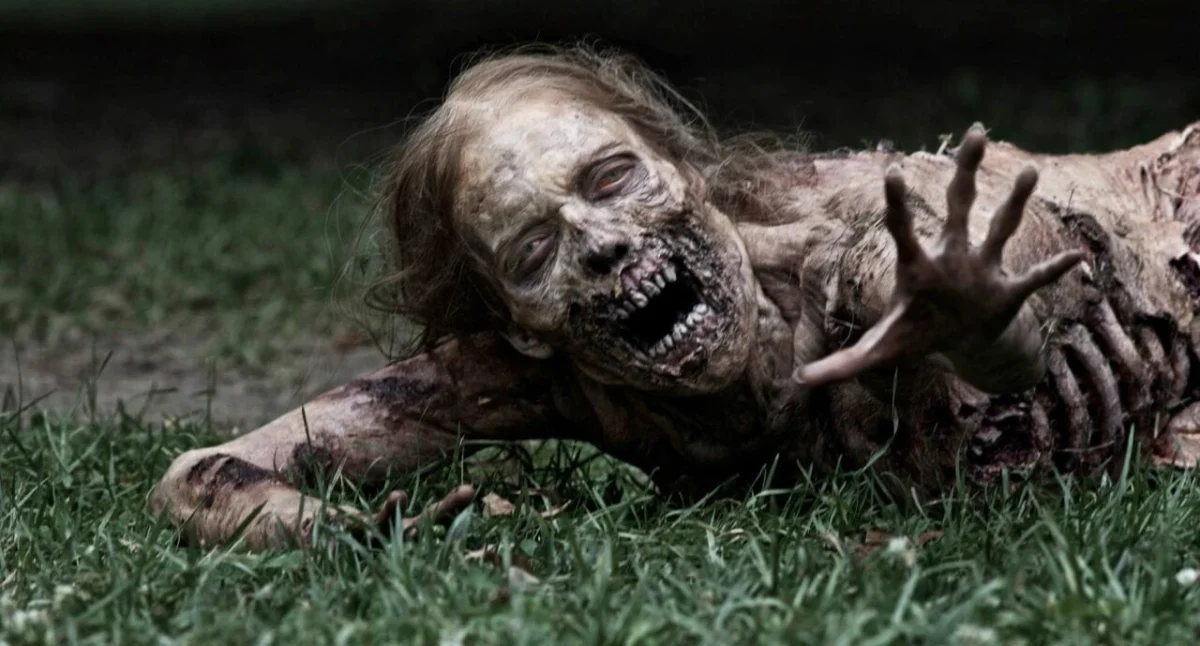
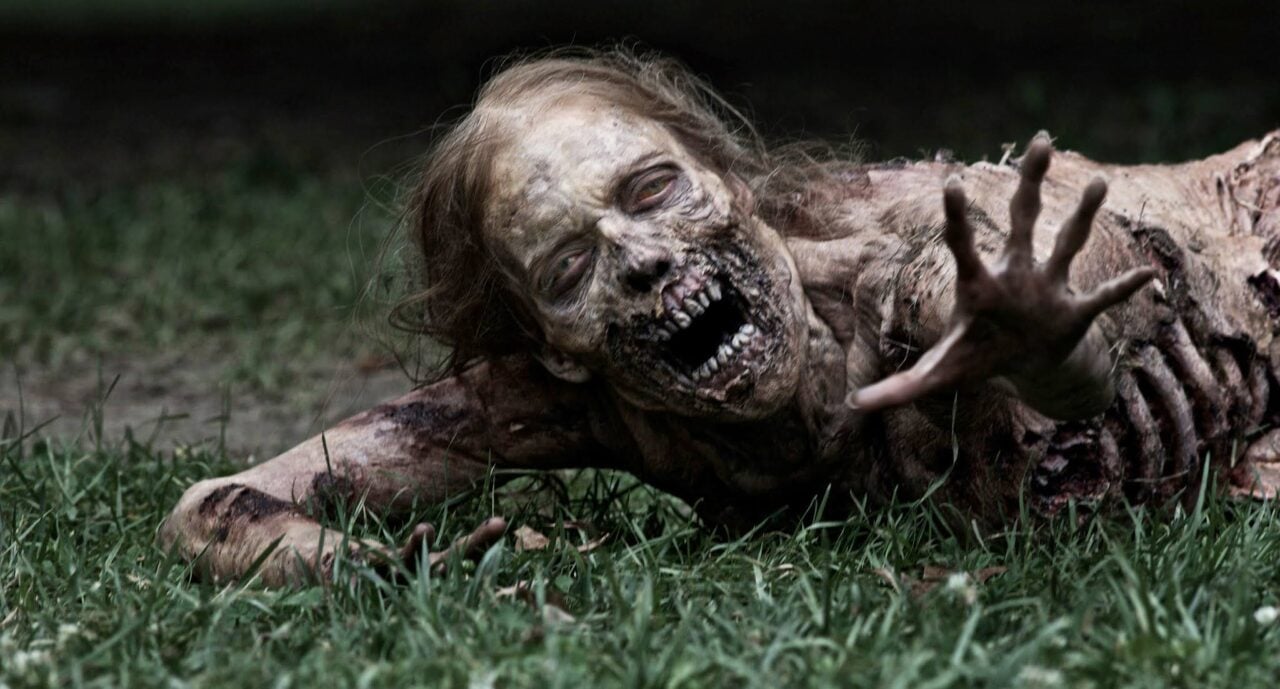
October 31, 2010, marked a pivotal moment in television history as AMC unveiled The Walking Dead. The premiere episode drew an astounding 5.3 million viewers, setting a new record for the largest audience for an original series on the network at the time. This unprecedented debut immediately signaled the dawn of a new era in zombie media, a phenomenon that would come to define much of the decade’s pop culture landscape. Critics, while acknowledging the genre’s visceral appeal, also recognized its broader thematic resonance. Vanity Fair astutely described it as "a horror show… for people who hate horror," hinting at its ability to transcend traditional genre boundaries. Similarly, The Hollywood Reporter urged audiences to "give Dead a chance to unfold its boldly different story," highlighting its "visual references to classic Westerns" and the "complicated love story" at its core.
The immediate aftermath of The Walking Dead‘s premiere saw an explosion of zombie-themed content across various media. From romantic comedies like Warm Bodies to literary parodies such as Pride and Prejudice and Zombies, and even branching into interactive entertainment with games like The Last of Us and fitness apps like Zombies, Run!, the undead became an omnipresent force. Even children’s programming wasn’t immune; the first episode of Cartoon Network’s Adventure Time featured a horde of candy zombies, illustrating the pervasive nature of the trend.
Despite this undeniable saturation, a curious paradox emerged. As the 2010s drew to a close, and retrospectives on the decade’s defining trends began to surface – encompassing everything from the popularity of artisanal bacon and mustache grooming to the resurgence of Chicago Bulls snapbacks and the ephemeral "planking" craze – zombies were conspicuously absent from many discussions. This omission prompts a deeper examination: why, after dominating the cultural conversation for so long, have zombies seemingly faded from our collective memory, and more importantly, why did they capture our imagination with such ferocity in the first place? The answer lies not just in the spectacle of the undead, but in the historical, social, and psychological underpinnings that made them such potent symbols of their time.
The Ancient Roots of the Undead: From Folklore to Modern Horror
To understand the zombie’s ascendancy in the 2010s, one must trace its origins back to its historical and folkloric roots. The profound anxieties embodied by the zombie are deeply embedded in the history of slavery, particularly in Haiti. In 2012, amid a noticeable surge in zombie-themed Halloween costumes, University of California, Irvine professor Amy Wilentz, in an op-ed for The New York Times, articulated this connection. She posited that the zombie is not merely a Hollywood invention but a "New World phenomenon that arose from the mixture of old African religious beliefs and the pain of slavery, especially the notoriously merciless and cold-blooded slavery of French-run, pre-independence Haiti." Wilentz elaborated on the concept of the zombie as a symbol of ultimate powerlessness, explaining that for enslaved individuals, "suicide was the slave’s only way to take control over his or her own body. And yet, the fear of becoming a zombie might stop them from doing so." This terrifying prospect of eternal servitude, a state of being "dead and still a slave, an eternal field hand," stripped of all agency and choice, formed the bedrock of the zombie’s existential dread.
The modern iteration of the zombie, however, is largely credited to George A. Romero. His seminal 1968 film, Night of the Living Dead, while not intentionally conceived as a "zombie film" by Romero himself – he referred to his shambling undead as "ghouls" – established many of the tropes that would define the genre for decades. These creatures, though terrifying in a primal sense, also served as potent allegories for contemporary societal ills. As Wilentz observed, Romero’s zombies could represent "everything and anything," acting as a powerful vehicle for confronting anxieties about social issues, rampant consumerism, the insidious nature of fascism, and even economic exploitation. They could embody the plight of a factory worker in China, a garment worker in Guatemala, or a citizen under an oppressive regime, illustrating the pervasive fear of losing one’s identity and autonomy in the face of overwhelming societal forces.
The Precursors to the Boom: 28 Days Later and the Post-9/11 Landscape
The zombie’s resurgence in popularity in the early 2000s can be partly attributed to the geopolitical and societal shifts following the September 11th attacks. Danny Boyle’s visceral 2002 film, 28 Days Later (released in the US in 2003), injected a much-needed jolt of adrenaline into the moribund zombie subgenre. By introducing fast-moving, infected "rage" victims, Boyle presented a terrifying new breed of antagonist. While not technically undead, these individuals had lost everything that defined humanity, mirroring the existential dread of Romero’s ghouls. Significantly, the film underscored the chilling reality that the greatest threat often came not from the infected, but from the surviving humans, a grim reflection of the breakdown of social order and the emergence of brutal survivalism in a post-catastrophe world. The infamous line, "I promised them women," still elicits a visceral reaction, highlighting the dark undercurrents of human behavior when civilization crumbles.
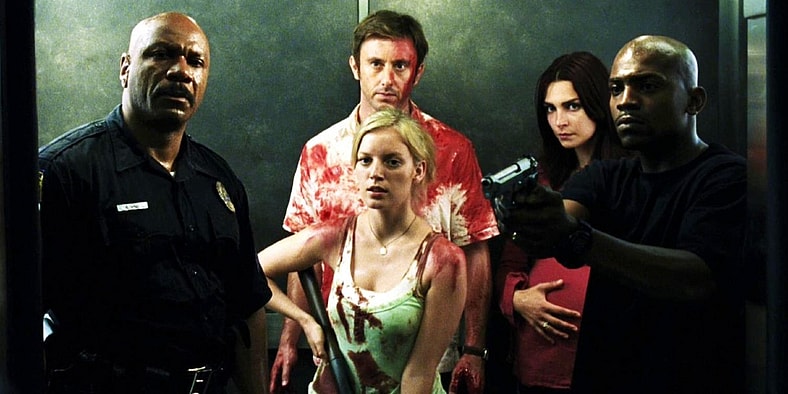
This heightened sense of societal vulnerability and nihilism was further amplified by Zack Snyder’s glossy 2004 remake of Dawn of the Dead. While the original film offered a sharp satire on consumerism, Snyder’s vision leaned into a more bleak and pessimistic outlook, mirroring the anxieties of a post-9/11 world. The film’s somber conclusion suggested a future devoid of hope, a sentiment that resonated with a populace grappling with years of conflict, the threat of disease, and a growing sense of global paranoia, particularly as the world headed into a recession in the winter of 2007.
The Zombie Explosion of the Late 2000s and Early 2010s
For many, the late 2000s marked their first significant encounter with the zombie phenomenon. Edgar Wright’s critically acclaimed horror-comedy Shaun of the Dead (2004) became a cult classic, introducing a generation to the genre with humor and heart. This period witnessed a steady build-up of zombie-related content. 2007 saw the release of 28 Weeks Later, I Am Legend, and the Spanish horror film [REC], all of which tapped into the growing public fascination with apocalyptic scenarios. Even Trick ‘r Treat (2007) featured a memorable scene with child zombies.
The year 2008 proved to be a watershed moment, with a staggering 31 zombie films released, including Day of the Dead: Bloodline, Pontypool, the American remake of [REC] titled Quarantine, and the controversial Deadgirl. This surge in cinematic output was accompanied by a proliferation of zombie-themed cultural events. Zombie walks, such as the New York City Zombie Crawl, began to appear in cities across the United States, transforming public spaces into scenes from a post-apocalyptic nightmare, albeit in a festive and performative manner.
Interactive entertainment also played a crucial role. The strategic tower-defense game Plants Vs. Zombies, released in 2009, garnered widespread acclaim and multiple award nominations, demonstrating the broad appeal of zombie-themed gaming. The comedic zombie road movie Zombieland, also released in 2009, achieved significant box office success, earning over $102 million worldwide and holding the record for the highest-grossing zombie film in the U.S. at the time, a record later surpassed by World War Z in 2013.
The phenomenon even permeated mainstream media and documentaries. In 2010, National Geographic released Zombies: The Truth, a documentary exploring the scientific and cultural underpinnings of the zombie mythos, airing just days before the premiere of The Walking Dead. Animated sitcoms also embraced the trend; Bob’s Burgers featured an episode where the eldest daughter, Tina, found herself infatuated with zombies, showcasing the genre’s integration into diverse forms of entertainment. The bizarre real-world events of 2012, particularly the infamous "Miami Zombie" incident where a man under the influence of bath salts reportedly attacked and partially consumed another man’s face, further blurred the lines between fiction and reality, adding a disturbing layer of real-world horror to the zombie narrative.
The Great Recession and the Symbolism of Collapse
The timing of the zombie’s widespread popularity, particularly in the late 2000s and early 2010s, cannot be divorced from the economic and social anxieties of the era. The Great Recession, which began in late 2007, coupled with the burgeoning Occupy Wall Street movement, fostered a climate of widespread uncertainty and a growing distrust of established institutions. In this context, the zombie apocalypse became a potent metaphor for societal collapse. The rise of survivalist culture, exemplified by the National Geographic series Doomsday Preppers, reflected a collective preoccupation with what might happen if society’s infrastructure failed. Zombies, in their relentless, unthinking pursuit, represented all the ways such a collapse could manifest. They symbolized the breakdown of order, the loss of control, and the terrifying prospect of a world where basic societal structures no longer provided safety or security. Fantasizing about surviving a zombie apocalypse, while macabre, offered a form of cathartic engagement with these deep-seated fears.
The Shifting Landscape of Fear: From Abstract to Personified
The peak of the zombie craze began to wane around 2015. A significant turning point was the announcement of Donald Trump’s presidential candidacy. The author of the original article posits that the zombie’s power as a metaphor lay in its vagueness – it represented an abstract, unknown threat: a new contagion, an unnamed collapse, a hidden government conspiracy. However, as political discourse became increasingly polarized and the anxieties of the mid-2010s began to have identifiable faces, names, and online presences (through platforms like Reddit and Twitter), the horror became less abstract and more concrete. The undefined threat of the zombie gave way to more personalized and identifiable sources of fear.
This shift paved the way for new forms of horror that resonated with the evolving cultural landscape. Jordan Peele’s critically acclaimed 2017 film Get Out marked a significant departure, ushering in an era of horror that directly addressed issues of race, systemic inequality, and social injustice, offering a more nuanced and specific critique of contemporary society. This evolution in horror reflected a broader cultural move away from abstract anxieties towards more tangible and personified fears.
Legacy and Lingering Echoes
While the overt saturation of zombie media may have subsided, the impact of the 2010s zombie phenomenon is undeniable. From the dedicated fans who meticulously followed The Walking Dead every Sunday to the children who played with Monster High Ghoulia Yelps dolls, zombies became an integral part of the decade’s cultural fabric. They served as a mirror to our collective anxieties, reflecting our social, economic, and political landscapes. As nostalgia for the 2010s continues to grow, it is perhaps more important than ever to remember the power of the zombie – what it represented, what we feared, and how this seemingly simple monster helped us to process a complex and often unsettling world. The enduring legacy of the zombie lies not just in its entertainment value, but in its profound ability to encapsulate and externalize the deep-seated fears and uncertainties of an era.