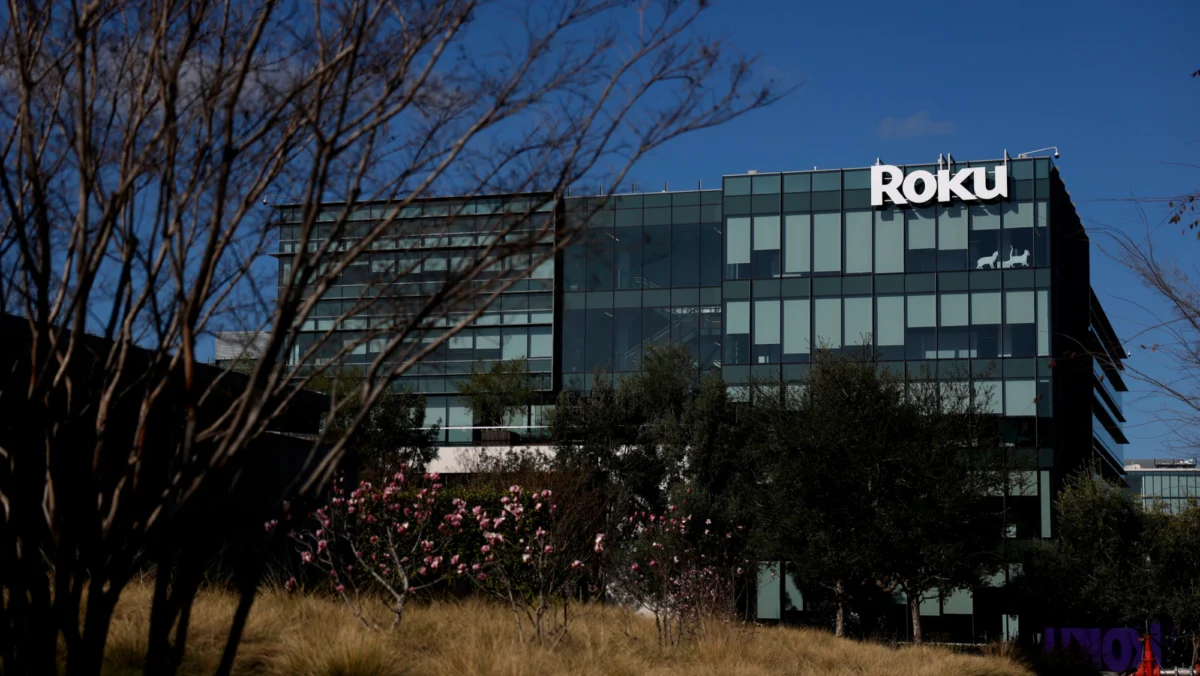
Roku Inc. has reported a robust financial performance for the first quarter of 2024, significantly exceeding both its internal guidance and Wall Street expectations. The streaming pioneer recorded total net revenue of $1.25 billion, representing a 22 percent increase year-over-year. This figure comfortably surpassed the company’s previous guidance of $1.2 billion. Perhaps more notably, the company reported a net income of $85.7 million, a stark contrast to the $50 million figure initially projected in its guidance. These results provide a strong signal to investors that Roku’s strategic pivot toward high-margin platform services and advertising technology is yielding substantial financial returns.
The company’s performance also outpaced the consensus among market analysts. Financial experts had generally anticipated revenue to hover around the $1.2 billion mark, with expected earnings of approximately $0.34 per share. By delivering $1.25 billion in revenue and a significant net income, Roku has demonstrated operational resilience in a competitive streaming landscape characterized by shifting advertiser budgets and a crowded marketplace of hardware and software providers.
The Shift to a Platform-First Business Model
The primary engine of Roku’s growth during the first quarter was its Platform segment. Platform revenue, which includes advertising, subscription revenue shares, and licensing fees, grew by 28 percent year-over-year to reach $1.13 billion. This segment now accounts for the vast majority of Roku’s total revenue, underscoring the company’s transition from a hardware-centric device manufacturer to a dominant software and media ecosystem.
Advertising remained the cornerstone of this growth. Revenue from advertising reached $613 million, a 27 percent increase compared to the same period in the previous year. This growth is particularly significant given the broader macroeconomic uncertainty that has caused some brands to tighten their marketing spend. Roku’s ability to attract advertising dollars is increasingly attributed to its sophisticated use of first-party data. By owning the operating system (OS) through which millions of people access content, Roku can offer advertisers highly targeted opportunities that traditional linear television cannot match.
In a letter to shareholders, the company emphasized that this outperformance reflects a "growing recognition among advertisers that Roku’s unique combination of scale, first-party data, and innovative ad technology delivers measurable outcomes." This focus on "measurable outcomes" is critical in the current "performance-driven" advertising climate, where brands demand clear proof of return on investment (ROI).
Record-Breaking Subscription and Engagement Metrics
Beyond advertising, Roku’s subscription business reached new heights. Subscription revenue climbed to $519 million, marking a 30 percent year-over-year increase. The first quarter was officially the company’s most successful period to date for premium subscription sign-ups. This growth is driven by Roku’s role as a centralized hub for third-party streaming services. When a user signs up for a service like Paramount+, Discovery+, or Starz through the Roku interface, Roku takes a percentage of that recurring revenue.
The company also highlighted the success of its internal offerings. Research firm Antenna recently estimated that Roku’s "Howdy" service, which launched in August and is priced at $2.99 per month, has already surpassed 1 million subscribers. This rapid adoption suggests that Roku’s user base is highly receptive to low-cost, high-value niche content or utility services integrated directly into the home screen.
User engagement metrics further solidified Roku’s market position. Total streaming hours reached 38.7 billion for the quarter, an 8 percent increase year-over-year. This indicates that while the "streaming wars" may be intensifying, users are spending more time than ever within the Roku ecosystem. The increased time spent on the platform directly correlates with more opportunities for ad impressions and subscription upsells.
A Chronology of Strategic Milestones
The Q1 earnings report follows a series of significant strategic milestones for the company. The first half of 2024 has been a period of rapid expansion and brand consolidation for Roku.
- August 2023: Roku launches the "Howdy" service at a $2.99 monthly price point. The service was designed to test the elasticity of the Roku user base and their willingness to pay for specialized content directly through the platform.
- Late 2023: Roku continues to expand its branded TV program, partnering with various manufacturers to integrate the Roku OS into a wider range of hardware, ensuring the platform remains the "gatekeeper" for millions of new households.
- April 16, 2024: Roku announces a historic milestone, reaching more than 100 million streaming households worldwide. This achievement places Roku in an elite tier of digital platforms, providing the scale necessary to compete with global giants like Amazon, Google, and Apple.
- May 2024: The Q1 earnings release confirms that the company’s financial health is catching up to its massive scale, with record free cash flow and a return to significant net income.
Financial Stability and the "North Star" Metric
One of the most impressive figures in the Q1 report was the company’s free cash flow, which reached an all-time high of $538.8 million. For many analysts, free cash flow is the most reliable indicator of a company’s long-term sustainability and its ability to reinvest in innovation without relying on debt.
In its shareholder letter, the company stated, “These results affirm our path to sustaining double-digit Platform revenue growth, expanding margins, and growing our north star metric of Free Cash Flow per share.” By labeling free cash flow as its "north star," Roku is signaling to the market that it has moved past the "growth at all costs" phase and is now focused on disciplined financial management and profitability.
This shift is partly the result of internal cost-cutting measures and a more focused approach to hardware. While Roku’s devices (streaming sticks and players) are essential for bringing users into the ecosystem, they are often sold at low margins or even a loss. By prioritizing the high-margin Platform revenue, Roku is building a more resilient financial foundation.
Future Outlook: Q2 and Full-Year 2024
Looking ahead to the second quarter, Roku provided a cautiously optimistic outlook. The company expects platform revenue to continue its upward trajectory with a projected 20 percent year-over-year growth. However, it anticipates that device revenue will see a decline in the high-single digits. This anticipated dip in hardware sales is consistent with seasonal trends and a market that is increasingly shifting toward Roku-integrated Smart TVs rather than standalone plug-in players.
Based on these projections, Roku expects total net revenue for Q2 to reach $1.3 billion, a 17 percent increase year-over-year. Total gross profit for the second quarter is estimated at $580 million.
For the full fiscal year of 2024, Roku has raised its outlook significantly. The company now expects total net revenue to reach $5.5 billion. This total is comprised of an estimated $5 billion from platform revenue (a 21 percent increase) and approximately $535 million from devices. By setting a $5 billion target for platform revenue, Roku is asserting its confidence in the continued shift of advertising dollars from linear TV to connected TV (CTV).
Broader Impact and Industry Implications
Roku’s performance serves as a bellwether for the broader digital advertising and streaming industry. As traditional cable television continues its secular decline, Roku is positioning itself as the primary beneficiary of the redirected ad spend. The "Upfronts"—the period where major brands negotiate long-term advertising contracts—are increasingly dominated by digital platforms like Roku, which offer the targeting capabilities of the internet with the "big screen" impact of traditional TV.
Furthermore, the success of the "Howdy" service and the growth in premium subscription sign-ups suggest that Roku is successfully evolving into a "super-aggregator." In a world where consumers are overwhelmed by the number of individual streaming apps, a platform that can simplify billing, discovery, and access becomes incredibly valuable.
However, challenges remain. Competition from Amazon Fire TV, Google TV, and Vizio (recently acquired by Walmart) remains fierce. These competitors also possess significant first-party data and deep pockets. To maintain its lead, Roku will need to continue innovating its ad-tech stack and expanding its international footprint, particularly in markets like Latin America and Europe where it is still building its presence.
The Q1 results suggest that Roku has found its footing. By balancing aggressive platform growth with a new commitment to cash flow and profitability, the company is proving that there is a viable, highly profitable business model in being the operating system for the living room. As the company moves toward its $5.5 billion year-end goal, the focus will remain on whether it can sustain this double-digit growth while navigating an ever-changing media landscape.