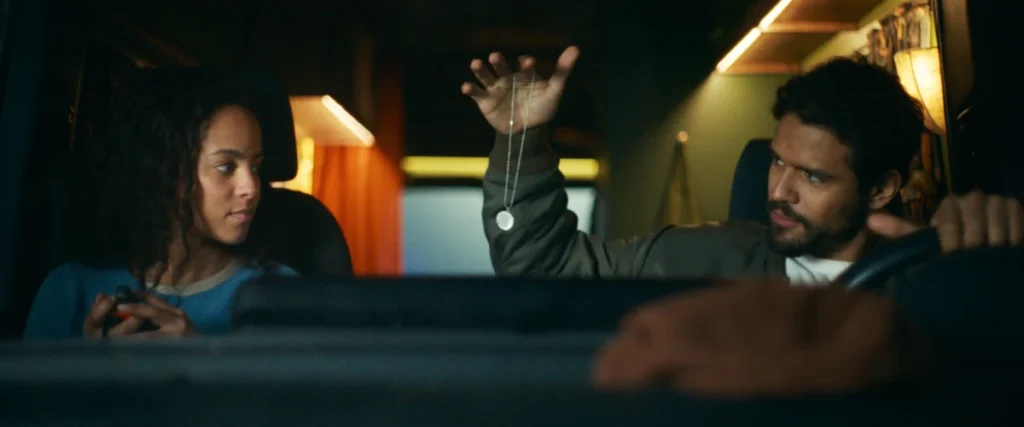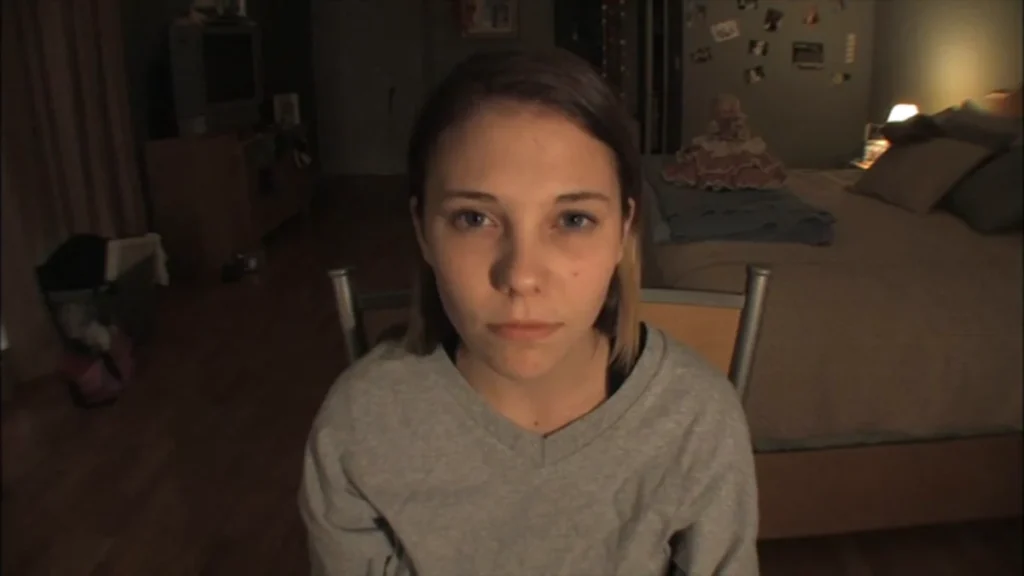
The highly anticipated reimagining of the controversial "Faces of Death" franchise is set to debut on streaming platforms, bringing its unsettling blend of simulated and potentially real violence to a new generation of viewers. Shudder and IFC Films have announced that the modern interpretation of the cult classic will be available on VOD and digital platforms on May 12, 2026, following a limited theatrical engagement. This new iteration delves into the disquieting landscape of the internet, where the lines between staged content and genuine brutality are increasingly blurred.
A Modern Nightmare for the Digital Age
The premise of the new Faces of Death centers on a content moderator, portrayed by Barbie Ferreira, who works for a major online video platform. Her job involves sifting through an endless stream of user-generated content, a task that becomes terrifyingly complex when she encounters footage that appears to mirror the graphic scenarios depicted in the original VHS-era Faces of Death films. In an era where viral videos can be meticulously crafted to deceive, she is thrust into a harrowing investigation to determine whether the disturbing events she witnesses are authentic or elaborately staged for online consumption. This central conflict taps into contemporary anxieties about the pervasive influence of digital media and the challenges of discerning truth in a hyper-connected world.
The film’s narrative is directed by Daniel Goldhaber, known for his work on the critically acclaimed horror film CAM. Goldhaber’s directorial approach is expected to leverage the inherent psychological dread associated with the original franchise while updating its themes for the 21st century. The screenplay is co-written by Isa Mazze, and the ensemble cast includes a notable lineup of talent. Beyond Barbie Ferreira in the lead role, the film features Dacre Montgomery, Josie Totah, pop sensation Charli XCX, and Jermaine Fowler. Charli XCX’s involvement, in particular, has garnered significant attention, with the red-band trailer offering a glimpse of her character’s apparent fascination with the dark content, hinting at a nuanced exploration of societal voyeurism.
The Legacy of "Faces of Death"
The original Faces of Death film, released in 1978, was a groundbreaking and highly controversial documentary-style horror film that purported to show real footage of people dying. While many of the death scenes were later revealed to be staged or simulated, the film’s graphic and unflinching depiction of mortality left a profound and disturbing impact on audiences. It spawned several sequels and a cult following, becoming synonymous with extreme and shocking cinema. The film’s success was largely attributed to its ability to tap into primal fears and curiosities about death, presented in a format that mimicked authentic documentary filmmaking.
The original film’s production history is itself a subject of intrigue. Directed by John Carol and produced by Alan Bernard, it was initially met with widespread censorship and bans due to its explicit content. Despite, or perhaps because of, the controversy, it achieved significant commercial success, grossing millions worldwide and cementing its place in horror film history. The sequels, while often less impactful, continued to explore similar themes, further solidifying the franchise’s reputation for pushing boundaries.
A Cinematic Evolution: From VHS to Viral Streams
The decision to revive Faces of Death for a contemporary audience reflects a broader trend in the entertainment industry to re-examine and re-imagine established horror properties for new technological and cultural contexts. The original film’s power lay in its perceived authenticity in an analog age. The new film strategically updates this by placing the narrative within the digital realm, where authenticity is constantly under scrutiny.
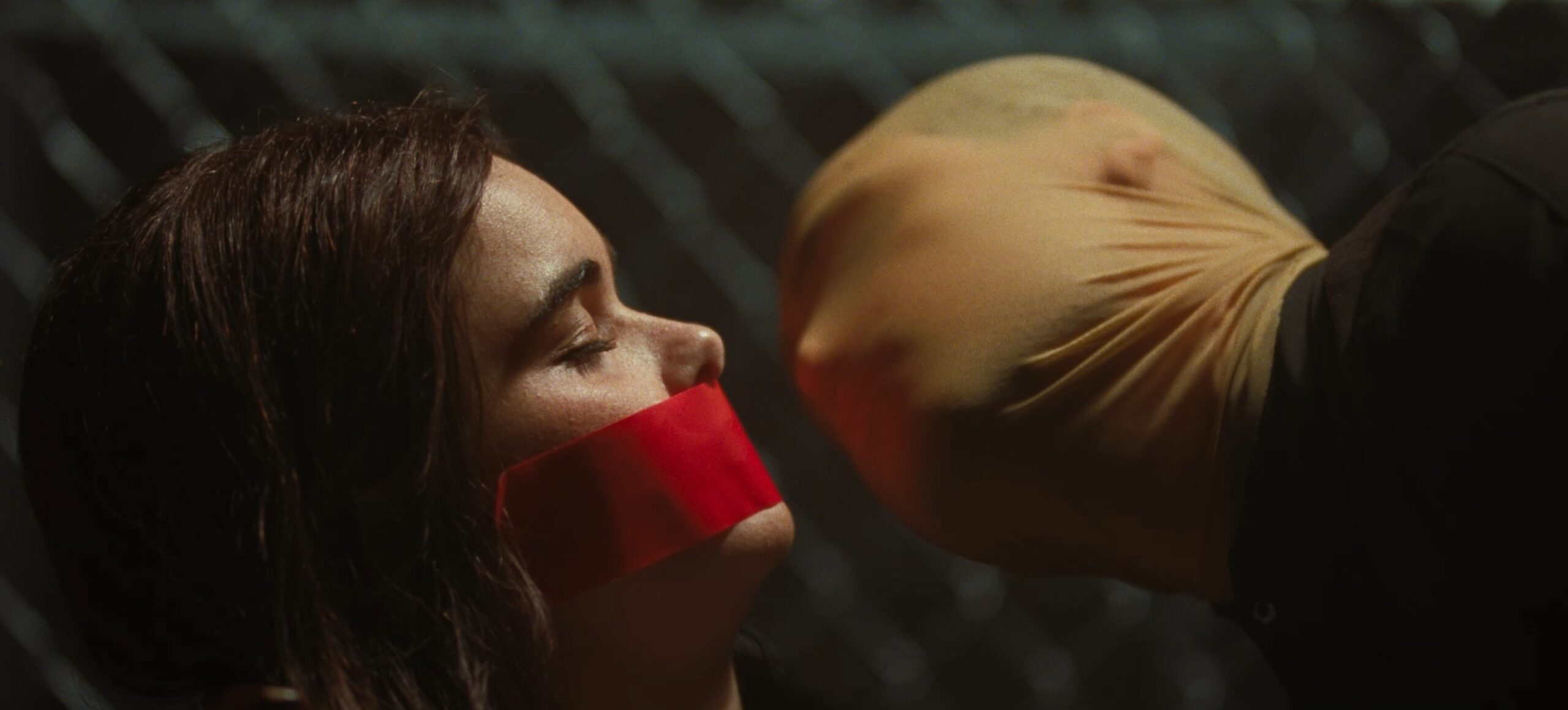
The film’s release strategy, beginning with a limited theatrical run and transitioning to widespread digital availability, mirrors the evolving consumption patterns of modern audiences. This approach allows for both a communal viewing experience in cinemas and broad accessibility through streaming and VOD, maximizing reach and engagement. The date of May 12, 2026, marks the official entry of this new vision into the home entertainment market, making it readily available for audiences to experience.
Exploring the Psychology of Online Consumption
The new Faces of Death is poised to explore the psychological impact of constant exposure to graphic content in the digital age. The role of a content moderator is particularly relevant, as these individuals are at the forefront of policing the internet’s darkest corners. Their experiences, often unseen and unacknowledged, highlight the emotional and psychological toll of engaging with violent and disturbing material on a daily basis.
The film’s premise raises critical questions about the nature of entertainment and its relationship to reality. In an age of deepfakes and sophisticated visual effects, the ability to distinguish between what is real and what is fabricated has become increasingly challenging. This ambiguity serves as the central engine of suspense in the new Faces of Death, forcing viewers to confront their own perceptions and biases. The film’s exploration of these themes could have significant implications for how audiences engage with online media, encouraging a more critical and discerning approach to visual information.
Key Personnel and Creative Vision
Daniel Goldhaber’s direction is expected to bring a contemporary sensibility to the material. His previous work on CAM, a film that also dealt with the complexities of online identity and exploitation, suggests a keen understanding of the anxieties associated with the digital world. The co-writing credit by Isa Mazze further indicates a collaborative effort to craft a narrative that is both thematically relevant and compelling.
The casting of Barbie Ferreira as the content moderator is a significant choice. Ferreira has gained recognition for her roles in projects that often explore themes of identity and vulnerability, making her well-suited to portray a character grappling with the psychological weight of her job. The inclusion of Dacre Montgomery, known for his versatile performances, and Josie Totah, a rising talent, adds further depth to the ensemble. The presence of Charli XCX, a global music icon, in a significant acting role is a notable departure, suggesting an effort to attract a wider audience and explore unconventional casting choices. Jermaine Fowler, a comedian and actor, rounds out a cast that promises a dynamic and engaging on-screen presence.
Anticipation and Potential Impact
The announcement of the new Faces of Death has generated considerable buzz within horror film communities and among general audiences intrigued by its contemporary take on a notorious franchise. The trailer, described as a "red-band trailer," suggests a commitment to the film’s shocking and mature themes, likely to appeal to fans of the original and those drawn to challenging cinematic experiences.
The film’s success could signify a new wave of horror that directly addresses the anxieties and complexities of the digital age. By transplanting the visceral shock of the original Faces of Death into the context of online virality and misinformation, the filmmakers are tapping into a potent vein of contemporary fear. The film’s ability to provoke discussion about media consumption, truth, and the ethical implications of online content will be a key indicator of its broader cultural impact. As it prepares for its streaming debut, Faces of Death is positioned to be one of the most talked-about horror releases of 2026, offering a chilling reflection of our increasingly mediated reality.