The 2026 edition of the Indian Film Festival of Los Angeles (IFFLA) solidified its standing as a pivotal platform for South Asian storytelling, presenting a meticulously curated program that underscored the region’s vibrant and evolving cinematic identity. From groundbreaking Pakistani feature debuts and incisive, socially grounded shorts to poignant Nepali coming-of-age narratives and visually arresting meditations on disappearing cultures, the festival offered a comprehensive snapshot of the creative dynamism emanating from the subcontinent. This year’s selection was particularly lauded for its ability to bridge deeply personal narratives with broader societal critiques, demonstrating a sophisticated approach to themes of identity, patriarchy, tradition, modernity, memory, and complex social structures, each explored through distinct aesthetic and narrative languages.
The Enduring Legacy and Mission of IFFLA
Established in 2003, IFFLA has grown to become North America’s premier showcase for independent South Asian cinema. Its mission extends beyond mere exhibition, aiming to foster cultural dialogue, promote emerging talent, and bridge the gap between South Asian filmmakers and a global audience. Over two decades, IFFLA has played a crucial role in bringing diverse voices and narratives to the forefront, offering a vital counter-narrative to mainstream portrayals of the region. The festival routinely features a mix of features, documentaries, and shorts from India, Pakistan, Bangladesh, Sri Lanka, Nepal, and other South Asian diaspora communities, making it an essential event for industry professionals, critics, and cinephiles alike. The 2026 program continued this tradition, presenting a strong slate that challenged conventional perceptions and celebrated artistic innovation. Attendance figures for recent festivals have consistently shown growth, with thousands of film enthusiasts, industry delegates, and cultural commentators gathering annually to engage with these powerful stories. Critics often cite IFFLA as a key indicator of emerging trends and talent within South Asian cinema, making its selections closely watched by international distributors and programmers.
Overarching Themes and Artistic Trends of IFFLA 2026
The films highlighted at IFFLA 2026 collectively painted a picture of South Asian cinema that is both deeply rooted in its diverse cultural contexts and boldly global in its thematic resonance. A recurring motif was the exploration of identity in flux—whether personal, cultural, or national—and the challenges posed by rapidly changing societies. The pervasive influence of patriarchal systems, particularly on women and marginalized communities, emerged as a critical point of focus, examined through various lenses from subtle domestic tensions to overt societal barriers. The interplay between tradition and modernity, often manifesting as generational clashes or struggles for cultural preservation, also featured prominently. Memory, both individual and collective, served as a narrative device to connect past and present, while incisive critiques of social structures underscored the urgency of many of the stories presented. The festival’s curatorial team reportedly emphasized films that not only told compelling stories but also pushed the boundaries of cinematic form, demonstrating a sophisticated understanding of visual storytelling and sound design. An IFFLA spokesperson noted, "This year’s selection truly represents the burgeoning strength and artistic courage of South Asian filmmakers, who are unafraid to confront complex realities while innovating aesthetically."
Film Spotlight: Ghost School by Seemab Gul
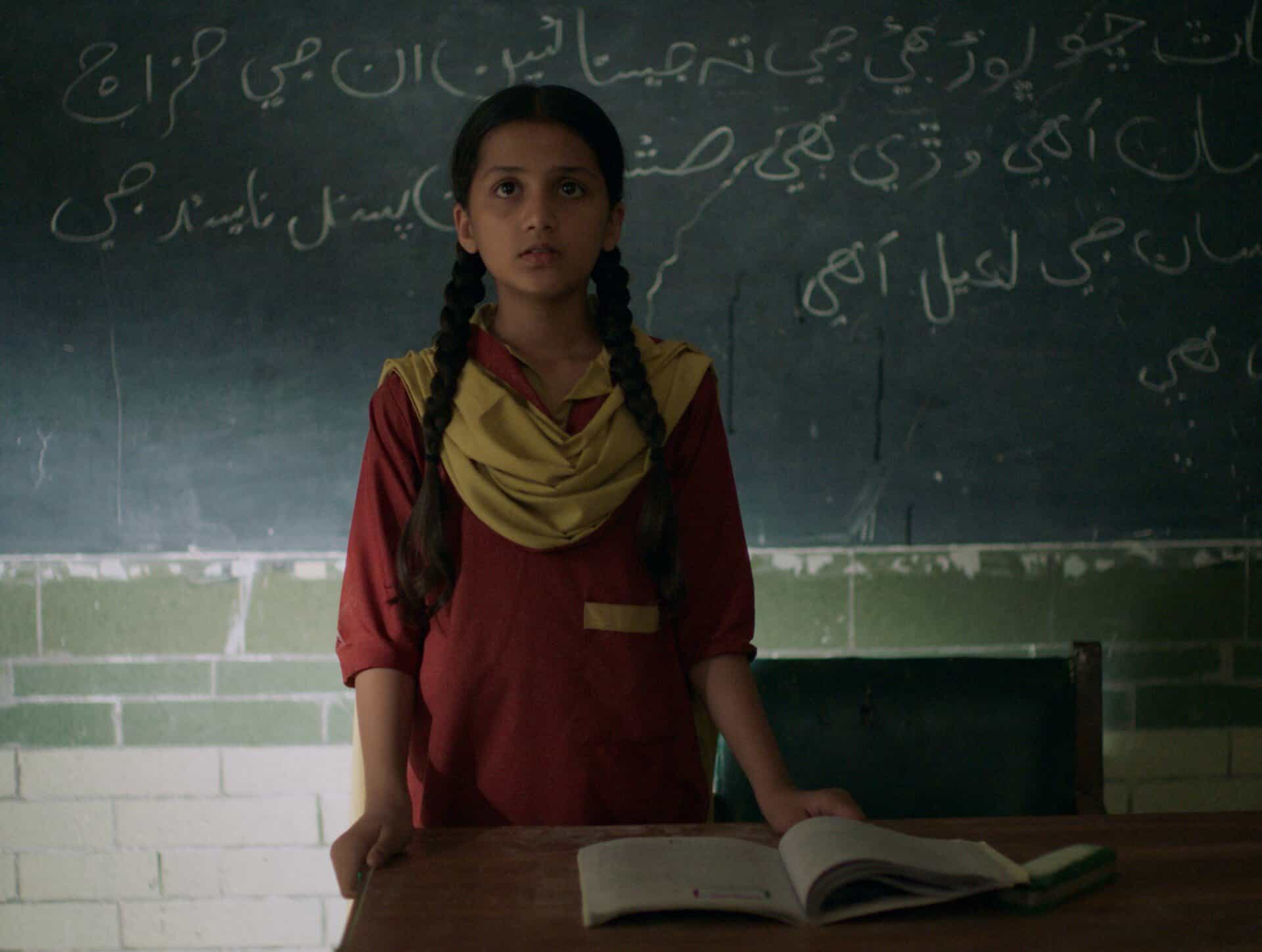
One of the standout features was "Ghost School," the 2025 Pakistani drama that marked the remarkable feature debut of writer, director, and producer Seemab Gul. Drawing deeply from her background in documentary filmmaking and personal encounters with abandoned schools in rural Pakistan, Gul crafted a narrative that is both intimate and expansive in its social commentary. The film’s world premiere at the Toronto International Film Festival in 2025, screening in the prestigious Discovery section, signaled its international potential, which was further affirmed by its reception at IFFLA.
Set in a remote Pakistani village, the story centers on ten-year-old Rabia, whose world is upended when the community’s only school abruptly shuts down. The official reason is vague, but rumors quickly take hold, fueled by whispers of a malevolent jinn possessing the teacher and cursing the very fabric of the building. Gul masterfully employs an episodic, almost road movie-like structure, using Rabia’s journey as a lens through which to expose a multitude of issues plaguing rural education, particularly for girls trapped within a highly patriarchal system. Beyond the immediate restrictions on female education, the film extends its critique to the systemic failures of governance, portraying lazy and corrupt officials, the pervasive grip of superstition, and an overall lack of a properly functioning public infrastructure with notable realism. The cinematic artistry of "Ghost School" is evident in Zamarin Wahdat’s evocative cinematography and Anna Bauer’s haunting music, which collectively reach their zenith during the ritualistic sequence of the boys’ torch procession—a moment that powerfully encapsulates the blend of tradition and apprehension. Nazualiya Arsalan delivers an impressive and nuanced performance as Rabia, embodying the resilience and vulnerability of a child navigating an indifferent adult world. While some minor narrative or pacing issues were noted by critics, "Ghost School" unequivocally emerged as a competent and thought-provoking piece of cinema, effectively communicating its profound themes in an engaging manner. Its presence at IFFLA highlighted the urgent need for addressing educational disparities and the societal costs of neglecting rural communities in Pakistan.
Film Spotlight: Tenfa by Nihaarika Negi
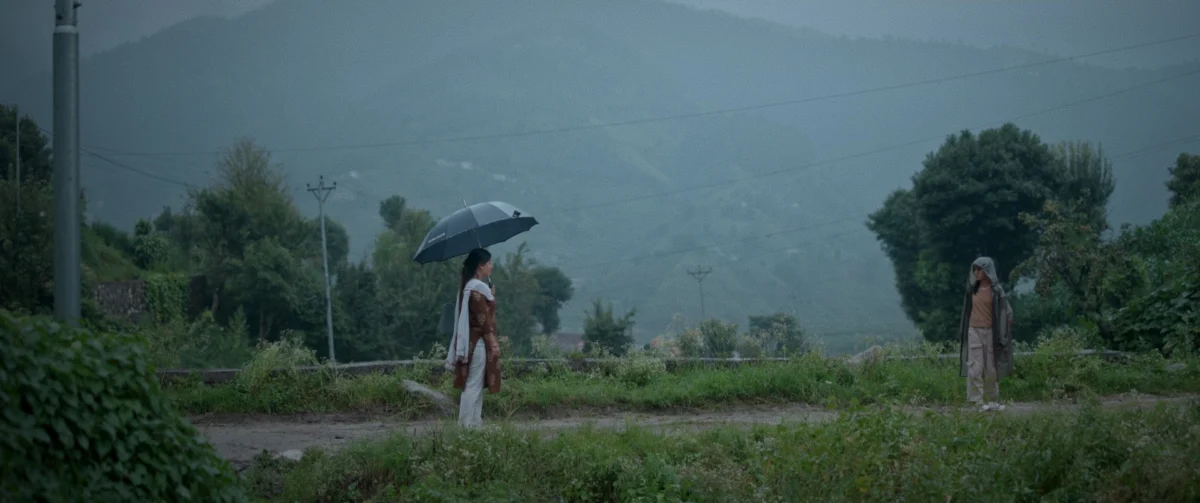
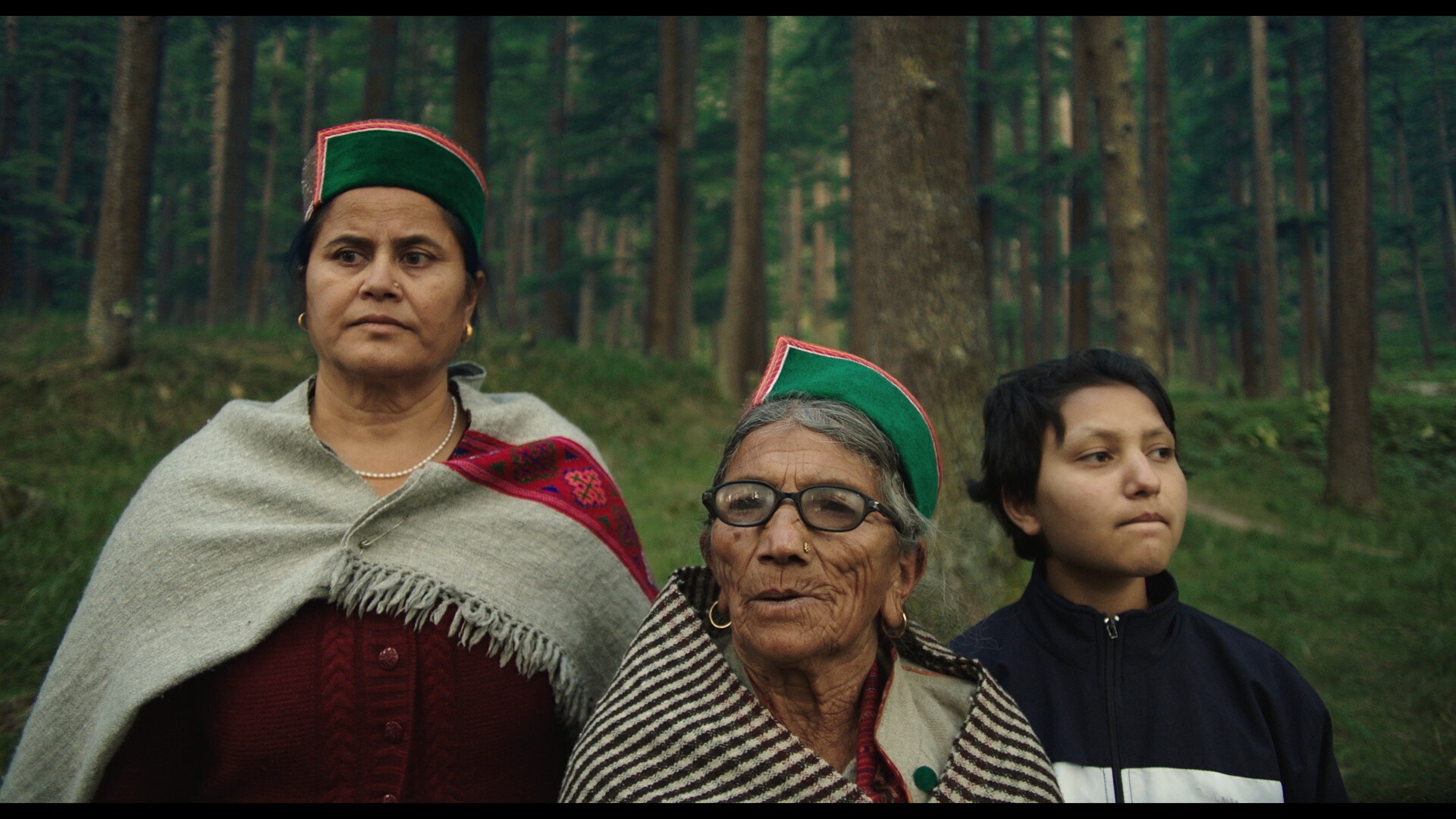
Nihaarika Negi’s "Tenfa" captivated audiences with its hauntingly beautiful and melancholic portrayal of a disappearing culture, achieving a remarkable depth within its barely 30-minute runtime. This short film, set in the Kinnaur district of Himachal Pradesh, at the far reaches of the Indo-Tibetan border, tells the slow-paced, evocative story of an isolated valley facing profound transformation. The narrative unfolds through the experiences of Delma, a wet nurse nearing retirement after a lifetime dedicated to bringing new life into the world. Her story becomes a poignant metaphor for the valley’s rapid decline, its dwindling population, and the fading memories of its ancient ways. The film reveals that deadly landslides, exacerbated by large-scale hydroelectric projects, have severely cut off the valley from the outside world, creating a sense of deepening isolation.
"Tenfa" intricately weaves together the experiences of three generations of women who find common ground in their desperate need to reconnect with the natural environment and remember the old traditions. Negi’s direction is complemented by Anshul Uniyal’s masterful cinematography, which features breathtaking extreme wide shots of the majestic valley, juxtaposed with striking low-angle shots of the sun or moon filtering through the dense forest canopy. These visuals, coupled with Peter Lam’s dreamy and ethereal soundtrack, powerfully convey the characters’ yearning for connection—not just to each other and nature, but also to the spectral memories that haunt the forest. Gently yet tragically, Negi’s thoughtful and soulful short exposes the immense human and cultural cost of relentless "progress" and how unchecked modernity can bind people in a gathering of absence, leaving behind a profound sense of loss. The film’s inclusion at IFFLA underscored a growing global concern for indigenous cultures and environments threatened by industrialization.
Film Spotlight: Permanent Guest by Sana Zahra Jafri
Sana Zahra Jafri’s "Permanent Guest" stood out as a compelling Pakistani short film, not only for its masterful storytelling but also as a significant "proof of concept" for her eagerly anticipated feature, "Scattered Rain." This crowdfunded project is deeply rooted in Jafri’s ongoing exploration of the intricate social, political, and gender dynamics prevalent within South Asian societies, consistently focusing on the female experience and the often unspoken tensions that simmer beneath the surface of domestic life. Set in Lahore, the film introduces 26-year-old Fatin, who lives with her mother Yasmeen. Their established routine, marked by preparations for a neighborhood wedding, is abruptly disrupted by the unexpected arrival of Shabeer, an elderly male relative who comes to stay for medical tests.
Jafri skillfully crafts a story that thrives on palpable tension, meticulously building it through subtle cues and interactions. One of the film’s strongest traits is the way the entire atmosphere of the house subtly shifts and transforms the moment the guest arrives, symbolizing the disruption of female space and autonomy. The depiction of patriarchy within the household reaches one of its most potent peaks through the nuanced portrayals of Fatin and Yasmeen and their constrained reactions to Shabeer’s presence. Jaffar Raza Jafri’s cinematography is exceptional, delivering a series of memorable frames that heighten the sense of claustrophobia and unspoken discomfort. Saim Sadiq’s expert editing allows the narrative to unfold at a measured, deliberate pace, avoiding either lagging or rushing, thereby enhancing the psychological tension. Rasti Farooq delivers a compelling and deeply empathetic performance as Fatin, effectively portraying a character who struggles to bottle up her burgeoning rage and discomfort. "Permanent Guest" was widely praised by critics as an excellent short on all fronts—well-shot, expertly directed, and powerfully acted—offering a sharp and relevant commentary on gender roles and familial obligations in contemporary South Asia.
Film Spotlight: Lali by Sarmad Sultan Khoosat
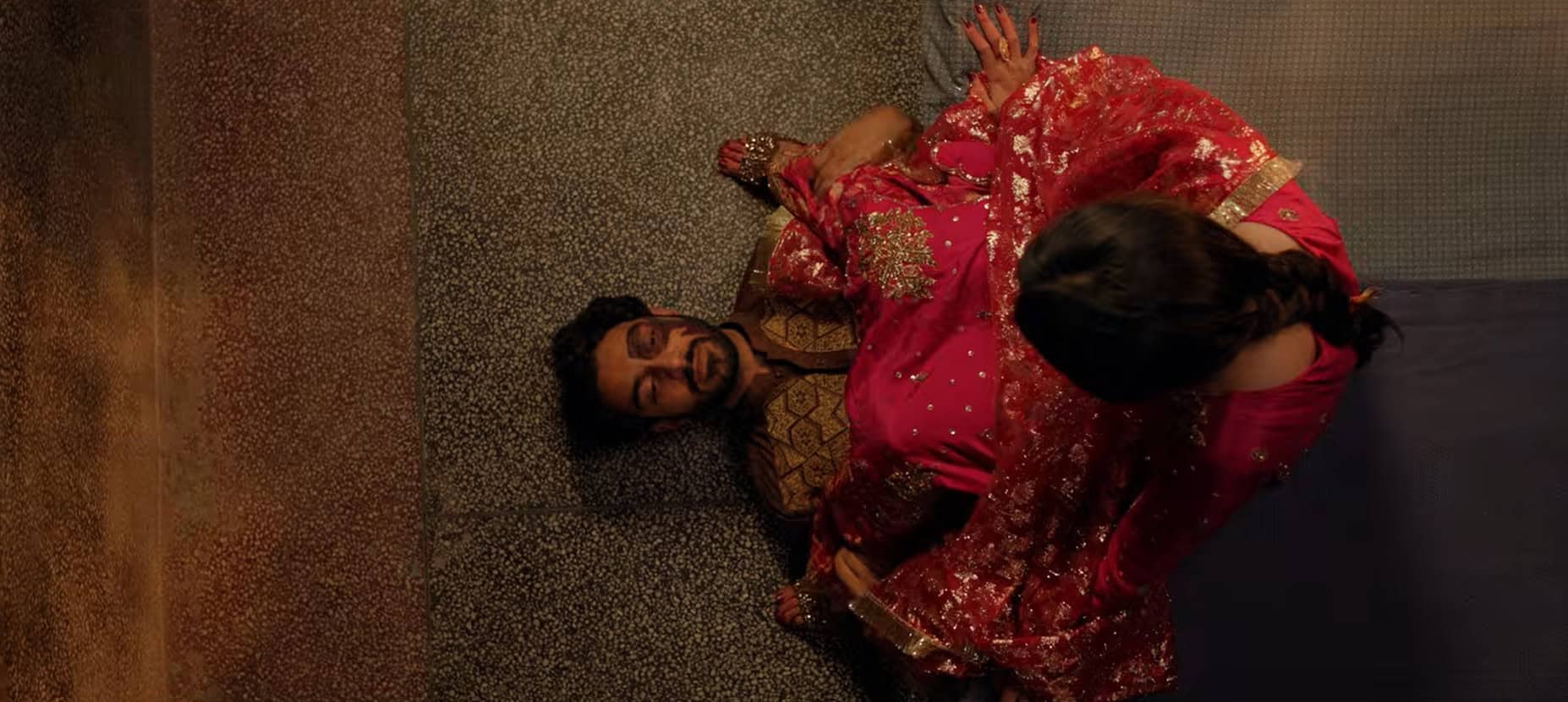
"Lali," directed by Sarmad Sultan Khoosat, presented a remarkable tragicomedy that was surprisingly uninhibited and profoundly insightful, standing out as a must-see discovery in Pakistani cinema, a landscape that rarely gets such extensive international exposure. The film posits a darkly humorous scenario: an introverted young Punjabi metal fabricator named Sajawal, already suffocated by his loud, possessive, and former singer mother, Sohni Ammi (portrayed with impressive verve by Farazeh Syed), and self-conscious about a birthmark covering half his face. When he is proposed to Zeba, a woman known as "cursed" after three prospective husbands died violently before their weddings, refusal is not an option.
The film opens with an ecstatic Sohni Ammi leading her son’s wedding ceremony with commanding authority, a scene that establishes the film’s unique tone. Nothing, not even a bullet accidentally fired into her belly by a clumsy guest, manages to derail the proceedings, showcasing the indomitable spirit and absurd humor that permeates the narrative. "Lali" brings a distinctly singular touch to the theme of marriage, a subject so central to Bollywood narratives, yet reinterpreting it through a uniquely Pakistani lens that is far from conventional. Technically, the movie is flawless. The collaborative work of Sarmad Sultan Khoosat and his producer Saim Sadiq (who famously reversed roles from their critically acclaimed film "Joyland," which brought significant international attention to Pakistani cinema) teamed with cinematographer Khizer Idrees, is nothing short of remarkable. The visuals are both inventive and refined, characterized by saturated colors and surprising angles that enhance the film’s genre-bending aesthetic. While the film could practically be split into five distinct segments, each with its own tone and genre influences—a testament to the author’s mastery—this structural choice also subtly undermines its unity and clarity of purpose for some viewers. Nonetheless, "Lali" remains a profoundly impactful work in many respects, lauded for its bold storytelling and artistic execution. Its presence at IFFLA underscored the growing sophistication and boundary-pushing nature of contemporary Pakistani filmmaking.

Film Spotlight: Rihanna by Suraj Paudel
From Nepal, Suraj Paudel’s latest short film, "Rihanna," offered a sharp and eloquent exploration of identity, westernization, and generational divides. Paudel is an acclaimed filmmaker, writer, and editor, an alum of the 2022 Busan International Film Festival’s Asian Film Academy. His editing work on "Lori" received a Short Film Special Mention from the Jury at Cannes, and he is currently developing the script for his feature "Where the River Runs South," which has already been selected for the Asian Project Market and the Asian Cinema Fund—credentials that speak to his significant talent and growing international recognition.
"Rihanna" begins in a classroom, where a teacher is taking attendance. The narrative quickly pivots with the mention of Rihanna, a 13-year-old girl who has controversially changed her given name, Saraswati, to that of her favorite pop idol. This seemingly simple decision, however, sets off a chain of repercussions that ripple throughout her life, becoming increasingly evident as the narrative progresses. The first striking element of the 16-minute short is the exceptional sharpness of its dialogue, delivered with remarkable effectiveness by Prithu Bhatta in the role of Saraswati. Her comebacks are consistently on point, regardless of who she confronts, though she occasionally pushes boundaries, particularly in her candid accusations against her mother for wasting her life. Shrijana Adhikari delivers a strong, empathetic performance as the caring mother, and the authentic chemistry between the two lead actresses stands out as one of the production’s best traits. Shishir Bishankhe’s cinematography is equally competent, with his thoughtful framing, particularly in the exterior scenes, being quite impressive. The film’s commentary on the allure of westernization and the often-stark generational gap between parents and children is portrayed with eloquence and nuance, resulting in a very competent and culturally resonant short film. Its selection at IFFLA highlighted the rich diversity of narratives emerging from Nepal and their universal appeal.
Technical Excellence and Artistic Trends Across Films
Beyond their individual narratives, the films showcased at IFFLA 2026 collectively demonstrated a high caliber of technical excellence and a willingness to experiment with cinematic form. Cinematography, in particular, stood out across the selection, with directors of photography like Zamarin Wahdat ("Ghost School"), Anshul Uniyal ("Tenfa"), Jaffar Raza Jafri ("Permanent Guest"), and Khizer Idrees ("Lali") employing diverse visual strategies to enhance storytelling. From the raw realism of rural Pakistan to the breathtaking vistas of the Himalayas and the intimate confines of a Lahore home, the visuals were consistently compelling and integral to the films’ emotional and thematic impact.
Sound design and musical scores also played a crucial role, whether through Anna Bauer’s ritualistic compositions in "Ghost School," Peter Lam’s dreamy soundtrack in "Tenfa," or the nuanced soundscapes of "Permanent Guest." These elements underscored the narratives, deepening the audience’s immersion and understanding. The editing, often a silent hero in filmmaking, was meticulously handled, ensuring each story unfolded with precision and impact. The collaboration between directors and their technical teams highlighted a maturing craft within South Asian independent cinema, capable of producing works that are both culturally specific and globally competitive.
IFFLA’s Role in Industry and Cultural Exchange
The Indian Film Festival of Los Angeles 2026 proved to be more than just a screening event; it served as a critical nexus for industry professionals, fostering networking opportunities, panel discussions, and potential distribution deals for these independent productions. For many of the featured filmmakers, IFFLA represented a vital stepping stone, offering invaluable exposure to Hollywood executives, international distributors, and a discerning critical audience. The festival’s reputation for championing bold and unconventional narratives attracts talent scouts looking for fresh voices and unique stories.
Moreover, IFFLA’s role in cultural exchange cannot be overstated. By presenting films that delve into the complex realities of South Asia, the festival actively works to challenge stereotypes, promote cross-cultural understanding, and celebrate the rich tapestry of human experience. The discussions following screenings, often featuring the filmmakers themselves, provided audiences with deeper insights into the socio-political contexts of the films, enriching the overall festival experience. Industry analysts suggest that platforms like IFFLA are increasingly crucial in an evolving global film landscape, where independent and regional cinema struggles to find mainstream visibility. "IFFLA provides a necessary bridge," remarked one film critic, "allowing these vital stories to resonate far beyond their geographical origins and reach audiences who are hungry for authentic, diverse narratives."
Conclusion: A Vibrant Future for South Asian Cinema
Taken together, these highlights from the Indian Film Festival of Los Angeles 2026 reveal a program deeply invested in works that are both socially alert and cinematically ambitious. Whether through the social realism of "Ghost School," the ecological elegy of "Tenfa," the chamber drama of "Permanent Guest," the tragicomic exuberance of "Lali," or the coming-of-age comedy of "Rihanna," these titles confirm that IFFLA remains an essential platform for some of the most vital and boundary-pushing voices in South Asian cinema. The festival not only showcases the artistic merits of individual films but also illuminates broader trends in a region experiencing rapid social, political, and cultural shifts. As South Asian cinema continues to evolve, pushing artistic boundaries and confronting complex issues, IFFLA stands as a beacon, ensuring these compelling narratives find their deserved place on the international stage, fostering a vibrant and globally recognized cinematic future.