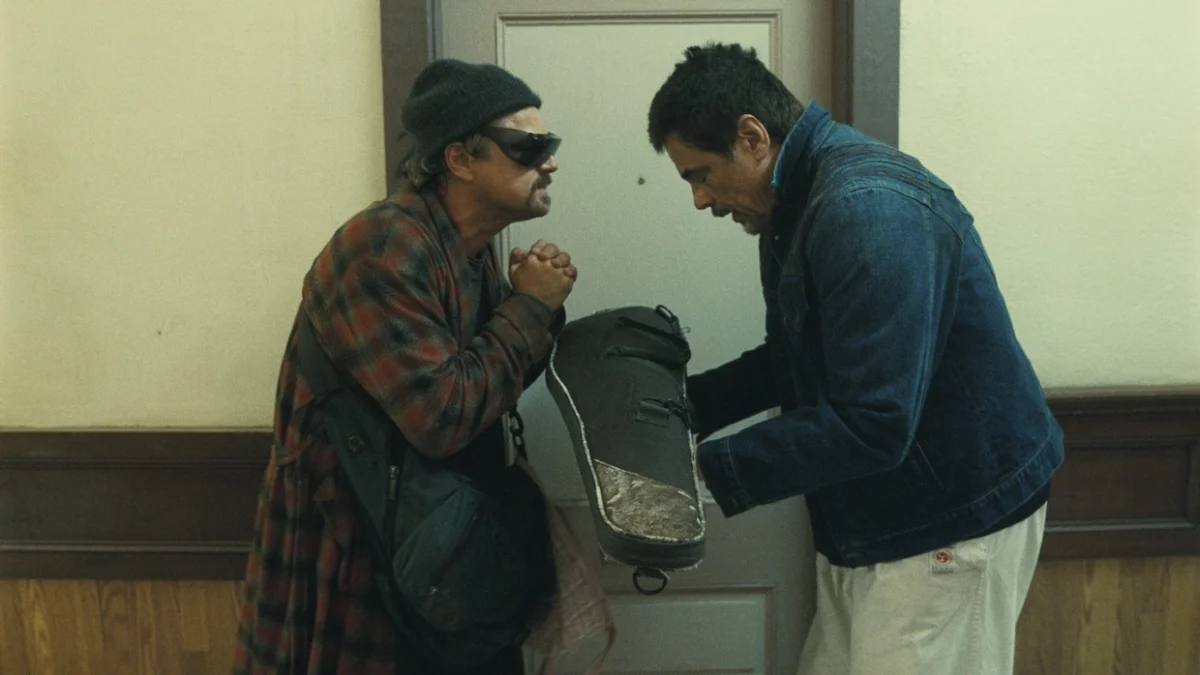
The 98th Academy Awards ceremony, held in early 2026, culminated in a triumphant evening for filmmaker Paul Thomas Anderson, who, after a distinguished career spanning ten critically acclaimed features, finally secured his first, second, and third Oscar wins. His epic drama, One Battle After Another, emerged as the night’s biggest victor, clinching an impressive six Academy Awards, including the coveted Best Picture, Best Director for Anderson himself, Best Supporting Actor, Best Adapted Screenplay, Best Editing, and Best Casting. This monumental achievement firmly cemented Anderson’s place among the cinematic elite, a recognition long anticipated by critics and audiences alike.
The Ascent of "One Battle After Another" and Paul Thomas Anderson’s Long-Awaited Triumph
The culmination of the evening saw Paul Thomas Anderson, alongside producer Sara Murphy, accept the ultimate prize for Best Picture. In a poignant acceptance speech that resonated deeply with the industry, Anderson reflected on the enduring legacy of cinema, specifically invoking the five legendary films nominated for Best Picture exactly 50 years prior: Stanley Kubrick’s visually stunning Barry Lyndon, Sidney Lumet’s intense crime drama Dog Day Afternoon, Steven Spielberg’s groundbreaking thriller Jaws, Robert Altman’s ensemble masterpiece Nashville, and Miloš Forman’s powerful adaptation One Flew Over the Cuckoo’s Nest. "There is no best among them," Anderson stated, encapsulating the subjective nature of artistic appreciation. "There is just what that mood might be that day." Indeed, the diverse cinematic landscape celebrated at this year’s awards, including Anderson’s own work, carried echoes of the ambition, social commentary, and storytelling prowess embodied by those 1976 nominees.
Anderson’s journey to this triple Oscar victory has been marked by a consistent stream of critical praise and numerous nominations across his filmography, which includes masterpieces such as There Will Be Blood, Magnolia, and Boogie Nights. His ability to craft intricate narratives, develop complex characters, and push the boundaries of visual storytelling has made him a revered figure in contemporary cinema. The wins for One Battle After Another — a film lauded for its ambitious scope, compelling performances, and meticulous craftsmanship — represent a significant turning point, recognizing his profound contributions to the art form. The victories in Adapted Screenplay and Editing further underscored the film’s structural integrity and narrative precision, while the Casting award highlighted the exceptional ensemble Anderson assembled to bring his vision to life.
A Night of Trailblazers and Deserved Recognition
While One Battle After Another dominated the top categories, the 98th Academy Awards also celebrated groundbreaking achievements and long-overdue recognition for several other artists and films.
Autumn Durald Arkapaw’s Historic Cinematography Win:
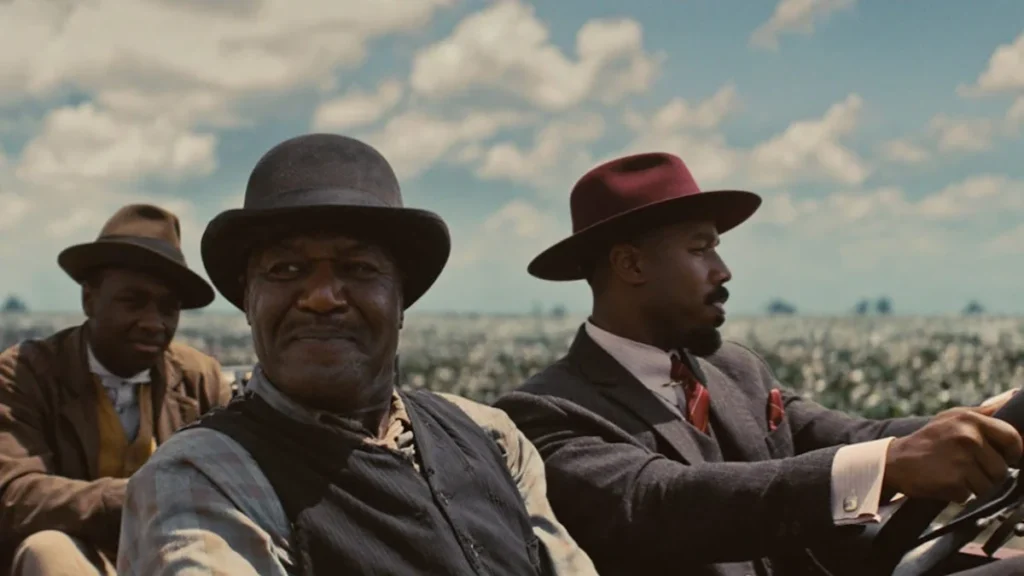
One of the most significant moments of the night was Autumn Durald Arkapaw’s historic win for Best Cinematography for her breathtaking work on Sinners. Entering the ceremony with a record 16 nominations, Sinners secured four awards, and Arkapaw’s triumph marked her as the first woman ever to win in this highly competitive technical category. Her victory was met with widespread applause and is seen as a pivotal moment for diversity and representation within the historically male-dominated field of cinematography. Arkapaw’s exquisite visual storytelling in Sinners captivated audiences and critics, demonstrating an unparalleled mastery of light, shadow, and composition that elevated the film’s narrative. The film also garnered awards for Best Original Score, marking Ludwig Goransson’s third Oscar win, and Best Original Screenplay for director Ryan Coogler, further solidifying its critical acclaim.
Michael B. Jordan’s Triumph as Best Actor:
The fiercely contested Best Actor race saw first-time nominee Michael B. Jordan emerge victorious for his powerful performance in Sinners. Jordan’s win came just weeks after he secured the same honor at the Actor Awards, a significant precursor to the Oscars. The category was widely considered one of the season’s tightest, with formidable contenders including Timothée Chalamet, Leonardo DiCaprio, and Wagner Moura. Jordan’s consistent performance throughout the awards circuit, coupled with the immense goodwill he has cultivated over decades in the industry, likely propelled him to the top. A former child actor, Jordan, at 39, has steadily built a career marked by versatility and dedication, transitioning from beloved early roles to commanding leading man status. His emotional standing ovation from the audience underscored the collective recognition of his sustained talent and long-deserved acclaim.
Jessie Buckley’s Acclaimed Performance in "Hamnet":
In a more anticipated victory, Irish actress Jessie Buckley secured the Best Actress Oscar for her compelling portrayal in Hamnet. Buckley’s win was the culmination of a highly successful awards season during which she collected numerous accolades for her performance. While it was the sole Oscar for Hamnet, the film’s director, Chloé Zhao, further solidified her reputation as a formidable talent, having now directed two actresses to Best Actress Oscars, following her previous successes with Nomadland. Buckley’s nuanced and deeply moving performance resonated with voters, affirming her status as one of the most exciting talents in contemporary cinema.
Amy Madigan’s Surprising and Witty Win:
The evening’s first major acting award went to Amy Madigan for Best Supporting Actress in Weapons, providing one of the night’s most exhilarating and genuinely surprising moments. Madigan, an industry veteran, delivered a remarkable turn in the horror film, reminiscent of Ruth Gordon’s iconic performance in Rosemary’s Baby. Her acceptance speech was a delightful blend of humor and genuine emotion, setting an unexpectedly lighthearted tone for the evening. "I was in the shower last night trying to think of something to say as I was shaving my legs," Madigan quipped, "And I went, ‘[I’ll] have pants on, I don’t have to worry about that.’" Her unexpected victory and charming delivery were a testament to her enduring talent and the Academy’s appreciation for truly transformative performances.
Sean Penn’s Unconventional Victory:
Sean Penn also received an Oscar for Best Supporting Actor for his role in One Battle After Another, marking his third Academy Award, adding to his two previous Best Actor wins for Milk and Mystic River. However, Penn was notably absent from the ceremony, a decision that underscored his often-publicized disinterest in the pomp and circumstance of awards events. This absence, coupled with his previous gesture of gifting one of his Oscars to Ukrainian President Volodymyr Zelensky, sent a clear message about his priorities. His win, achieved with minimal campaigning, has sparked discussions within the industry about the future of awards strategizing, potentially encouraging other established stars to eschew traditional campaign efforts.
Studio Showdowns and Streaming Successes

The 98th Academy Awards also highlighted the evolving landscape of film distribution and production, with traditional studios and streaming giants vying for recognition.
Warner Bros.’s Dominance:
Warner Bros. enjoyed a particularly strong showing, accumulating a remarkable 11 Oscars across its three nominated contenders. This substantial haul underscored the studio’s commitment to prestige filmmaking and its ability to deliver critically acclaimed and commercially successful features. The victories contributed to a narrative of traditional studios maintaining their competitive edge in the awards race.
Netflix’s Strategic Wins:
Despite Warner Bros.’s robust performance, Netflix continued to demonstrate its significant presence in the awards landscape, securing five Oscars. The streaming giant earned a trio of craft wins for Frankenstein, recognizing excellence in Costume Design, Makeup and Hairstyling, and Production Design, highlighting its investment in high-quality technical artistry. Netflix also celebrated two wins for KPop Demon Hunters, taking home the awards for Best Animated Feature and Best Original Song. Furthermore, the streamer secured prizes for Live-Action Short with The Singers, which notably tied with Two People Exchanging Saliva in an outcome that upended many Oscar prediction pools, and for Documentary Short. While a strong night, the outcome in the Best Documentary Feature category, where Mr. Nobody Against Putin triumphed over the widely favored The Perfect Neighbor, likely prompted some strategic reassessments within the streaming giant’s documentary division.
Documentary Feature Upset and Geopolitical Influence:
The win for Mr. Nobody Against Putin in the Best Documentary Feature category proved to be one of the evening’s most significant upsets. The victory was largely attributed to the powerful geopolitical resonance of its title and subject matter. Industry analysts suggested that the film’s anti-Russia stance resonated strongly with European voters and potentially even with some voters who cast ballots based on the title alone due to time constraints in viewing all nominees. The win also led to one of the evening’s most overtly political acceptance speeches, preceding Javier Bardem’s unscripted declaration of "No to war, and free Palestine," which garnered cheers from a segment of the audience, underscoring the increasing willingness of artists to use the platform for social and political commentary.
Beyond the Major Categories: Other Notable Victories
Several other films were recognized for their excellence in various categories. F1 was honored with the Oscar for Best Sound, a testament to its immersive audio design. James Cameron’s highly anticipated sequel, Avatar: Fire and Ash, received the award for Best Visual Effects, a fitting tribute to its groundbreaking technological achievements, presented coincidentally by franchise star Sigourney Weaver in a heartwarming moment. The award for Best Animated Short went to The Girl Who Cried Pearls, while Sentimental Value nabbed the International Feature Oscar, prevailing in an extremely tight race that featured four highly nominated contenders from NEON, highlighting the increasing global diversity and strength of international cinema.
The Ceremony Itself: Hits, Misses, and Political Statements
The 98th Academy Awards ceremony, hosted by the inimitable Conan O’Brien, aimed for a blend of humor and spectacle, but encountered a series of production challenges. The show began with an energetic opening, featuring O’Brien in a memorable "Aunt Gladys" drag, comically chased through parodies of Best Picture nominees by a legion of children. However, his subsequent monologue received mixed reviews, with some bits failing to land with the live audience.
Throughout the evening, the telecast was marred by technical mishaps, including sound problems that notably affected the emotional In Memoriam segment. This poignant tribute, featuring Billy Crystal, Rachel McAdams, and Barbra Streisand honoring industry legends like Rob and Michelle Reiner, Diane Keaton, and Robert Redford, and culminating in Streisand’s performance of the Oscar-winning "The Way We Were," was unfortunately undercut by these audio issues. Additionally, many acceptance speeches were reportedly cut short, leading to frustration among winners and viewers, and some bizarre camera angles from the audience drew criticism for their unconventional framing.
Another point of contention was the limited number of musical performances. Despite the presence of five nominated songs, the show only featured two: KPop Demon Hunters‘ "Golden" and Sinners‘ "I Lied to You." While both performances were lauded for their excellence, the decision not to showcase the other three, with instructions for viewers to scan a QR code during commercial breaks, suggested a curatorial choice by producers that left some feeling that not all nominees were given equal prominence.
Reflections on the Awards Season and Future Outlook
The 98th Academy Awards concluded a long and intensely competitive season, leaving behind a mix of expected triumphs, exhilarating surprises, and candid political declarations. Despite the criticisms regarding the show’s production, the overall sentiment regarding the outcomes was largely positive, celebrating a diverse array of cinematic achievements. The victories for One Battle After Another and Paul Thomas Anderson mark a significant moment in contemporary film history, while groundbreaking wins like Autumn Durald Arkapaw’s set new precedents for inclusivity.
As the industry’s biggest players celebrate their victories and the discourse surrounding the ceremony begins to fade, the relentless cycle of filmmaking and awards campaigning is already in motion. The anticipation for the next Oscar season looms, promising new stories, new talents, and new debates, ensuring that the conversation around cinematic excellence continues year-round.