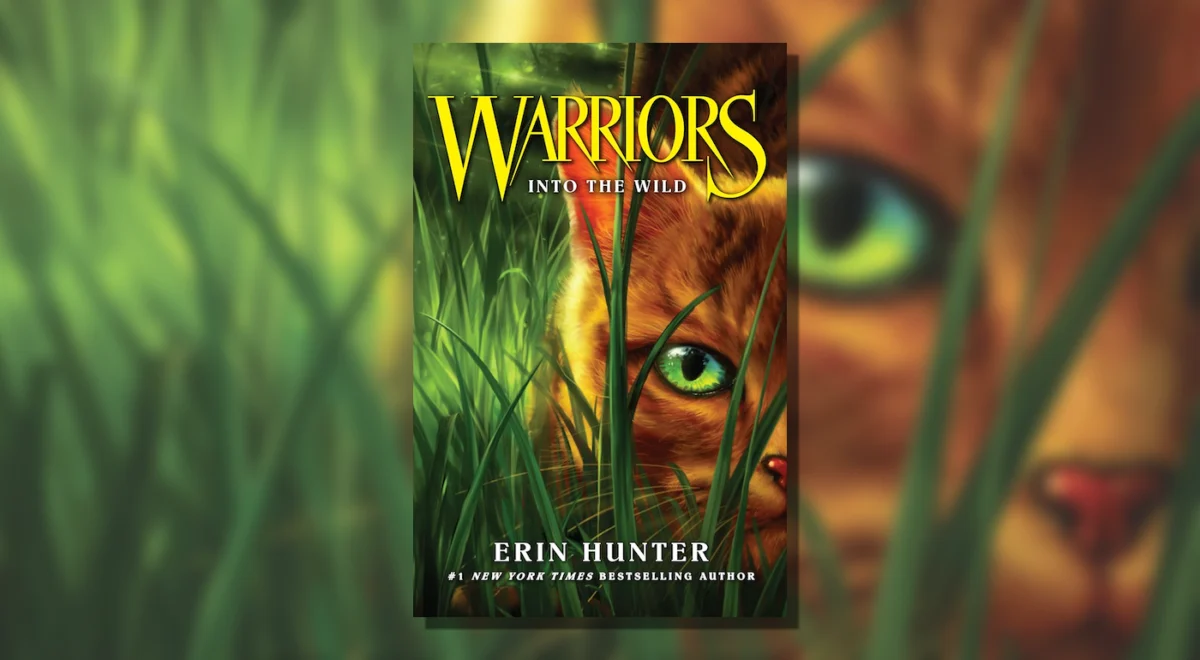
The enduring allure of Western culture is its fascination with tales of escape from the confines of civilization, a yearning for the untamed freedom of the wild. This narrative thread is particularly potent when woven with animal protagonists, often depicting the feral descendants of domesticated species, such as the iconic Spirit or the legendary Silver Brumby. Equally compelling is the trope of a pampered domestic animal venturing into the wild, a narrative that has been masterfully transformed into a sprawling literary industry by the creative collective known as Erin Hunter. Their phenomenon begins with Into the Wild, the inaugural volume of the Warrior Cats series, which introduces readers to Rusty, an orange kitten living a comfortable life as a pet, whose dormant instincts awaken with a dream of hunting real mice.
The Genesis of a Phenomenon: From Pet to Clan Warrior
Into the Wild sets the stage for an expansive universe centered on the lives, struggles, and triumphs of feral cat clans. The story’s premise, while rooted in the classic "going wild" trope, is meticulously developed into a rich fantasy world. The initial protagonist, Rusty, embodies the quintessential "fish out of water" narrative. His comfortable domestic existence is juxtaposed with an innate desire for the primal thrill of the hunt, a desire that ultimately propels him from his human-centric world into the complex social structures and perilous environment of wild cat colonies. This transition is not merely physical but also psychological, as Rusty must shed his pet identity and embrace the warrior’s code to survive and thrive.
The creative team behind Erin Hunter, comprised of authors Victoria Holmes, Kate Cary, Cherith Baldry, and Tui T. Sutherland, has consistently demonstrated a remarkable ability to build intricate worlds and compelling characters. Their approach to the Warrior Cats series involves a deep dive into feline behavior, translating observed traits into sophisticated social dynamics and motivations for their characters. This meticulous world-building, coupled with fast-paced action and relatable character arcs, has resonated with a global audience, particularly the middle-grade demographic, but also extending to adult readers who appreciate intricate fantasy and adventure narratives.
A Detailed World: The Structure of the Warrior Clans
The narrative framework of Warrior Cats is built upon the concept of distinct, territorial cat clans. In Into the Wild, Rusty is recruited into ThunderClan, one of four primary clans inhabiting a designated territory. The other clans are WindClan, known for their speed and agility; RiverClan, adapted to aquatic environments; and the ominously named ShadowClan, often depicted as secretive and formidable. Each clan operates under a hierarchical structure, with a leader who is divinely appointed and guided by StarClan, their pantheon of feline deities. A deputy assists the leader, and the clan territory is meticulously defined and fiercely defended.
Within these clans, a complex social order ensures survival and continuity:
- Warriors and Apprentices: These are the primary hunters, defenders, and scouts of the clan. Apprentices undergo rigorous training under seasoned warriors, learning the skills necessary for survival in the wild.
- Queens and Kits: Female cats nursing kittens are designated as queens and are afforded special protection. Their kits are the future of the clan, and their well-being is a collective responsibility.
- Elders: Retired warriors who have contributed significantly to the clan are respected for their wisdom and experience, offering counsel and historical knowledge.
- Medicine Cats: These cats serve as healers and spiritual advisors. They possess extensive knowledge of herbs and their medicinal properties, treating ailments and injuries. Their role is crucial, often bridging the gap between the physical and spiritual realms, and they are frequently depicted as having a unique connection to StarClan.
This detailed societal structure, with its defined roles and responsibilities, creates a believable and immersive world. The clans’ interactions, governed by territorial boundaries and monthly gatherings for negotiation and information exchange, mirror complex geopolitical dynamics. The constant threat of dwindling resources, exacerbated by human encroachment, adds a layer of urgency and realism to their internal conflicts and external struggles.
The Prophecy of Firepaw: A Fated Hero’s Journey
Rusty’s transformation into Firepaw within ThunderClan is central to the series’ overarching narrative. His status as a "kittypet," a term of contempt for cats raised by humans, initially makes him an outsider. The clans hold a deep-seated prejudice against such cats, viewing them as soft, weak, and ill-equipped for the harsh realities of wild cat life. However, Firepaw’s unique background, combined with his innate courage and a series of prophetic dreams, positions him as a potentially pivotal figure.
The series consistently hints at a fated destiny for Firepaw. He demonstrates an unusual perceptiveness, noticing details that others miss, and often finds himself at the epicenter of significant events. His connection with the medicine cats and his mentorship under the clan leader further underscore his exceptional nature. This "chosen one" archetype is a common thread in fantasy literature, providing a compelling narrative arc that resonates with readers, particularly young ones, as they witness Firepaw’s struggle to earn trust and prove his worth within his adopted clan.
Beyond the Middle Grade: Subtlety and Thematic Depth
While marketed as a middle-grade series, Warrior Cats transcends simplistic storytelling. The narrative is imbued with a surprising degree of subtlety, exploring themes that resonate far beyond the concerns of its target audience. The clans’ struggles with limited resources, the inevitability of war and invasion, and the intricate political maneuvering within and between clans offer a commentary on human societal structures and challenges.
The series avoids overt moralizing, instead weaving these complex themes into the fabric of the world and the characters’ actions. This "show, don’t tell" approach allows readers to engage with these concepts on a deeper level, fostering critical thinking and empathy. The story’s ability to operate on multiple levels, offering thrilling adventure for younger readers while providing sophisticated thematic explorations for older ones, is a testament to the authors’ skill.
Real-World Parallels and Cultural Impact
The success of the Warrior Cats series can be attributed to several factors, including its compelling blend of animal behavior and anthropomorphic storytelling, its intricate world-building, and its exploration of universal themes. The series has spawned numerous sequels, spin-off series, graphic novels, and a substantial online fan community. This extensive body of work demonstrates the enduring appeal of the Warrior Cats universe and its capacity to captivate readers of all ages.
The series’ exploration of themes like loyalty, betrayal, prejudice, and the struggle for survival in a changing environment offers a mirror to human experiences. The "kittypet" trope, for instance, can be seen as a metaphor for overcoming societal biases and proving one’s worth regardless of origin. The constant threat of external forces and the internal conflicts within clans highlight the fragility of peace and the necessity of vigilance and adaptation.
The meticulous research into feline behavior that underpins the series adds an educational layer, allowing readers to gain a greater appreciation for the natural world and the complexities of animal societies. This grounding in observable reality, even within a fantastical framework, lends the stories a sense of authenticity that enhances their impact.
The Warrior Cats phenomenon is not merely a literary success; it is a cultural touchstone that has inspired a generation of readers to engage with themes of courage, community, and the wild spirit that resides within us all, whether human or feline. The series continues to expand, promising further adventures and explorations of the intricate world Erin Hunter has so skillfully created, solidifying its place as a significant and beloved fixture in modern children’s literature and beyond.