In a transformative move set to redefine the future presentation of Hollywood’s most prestigious awards ceremony, the Academy of Motion Picture Arts and Sciences (AMPAS) has announced that the Oscars will relocate from their long-standing home at the Dolby Theatre in Hollywood to the state-of-the-art Peacock Theater at L.A. LIVE in downtown Los Angeles, beginning in 2029. This significant shift, slated to coincide with the 101st Academy Awards, is part of a comprehensive 10-year agreement forged between the Academy and Anschutz Entertainment Group (AEG), the developer and owner of the L.A. LIVE complex. Adding another layer of historic change, the 2029 ceremony will also mark the first time the Oscars are broadcast exclusively via YouTube, following a separate groundbreaking deal struck late last year, signaling a profound embrace of digital distribution and a strategic pivot away from traditional network television.
The announcement, made jointly by AMPAS and AEG on Thursday, underscores a concerted effort by the Academy to modernize the Oscars experience, enhance audience engagement, and leverage advanced technological capabilities. The relocation to the Peacock Theater, a venue renowned for hosting the Primetime Emmy Awards since 2008 and numerous other high-profile entertainment events, promises a substantially larger and technologically upgraded environment for the annual global celebration of cinema.
A New Chapter for the Academy Awards at the Peacock Theater
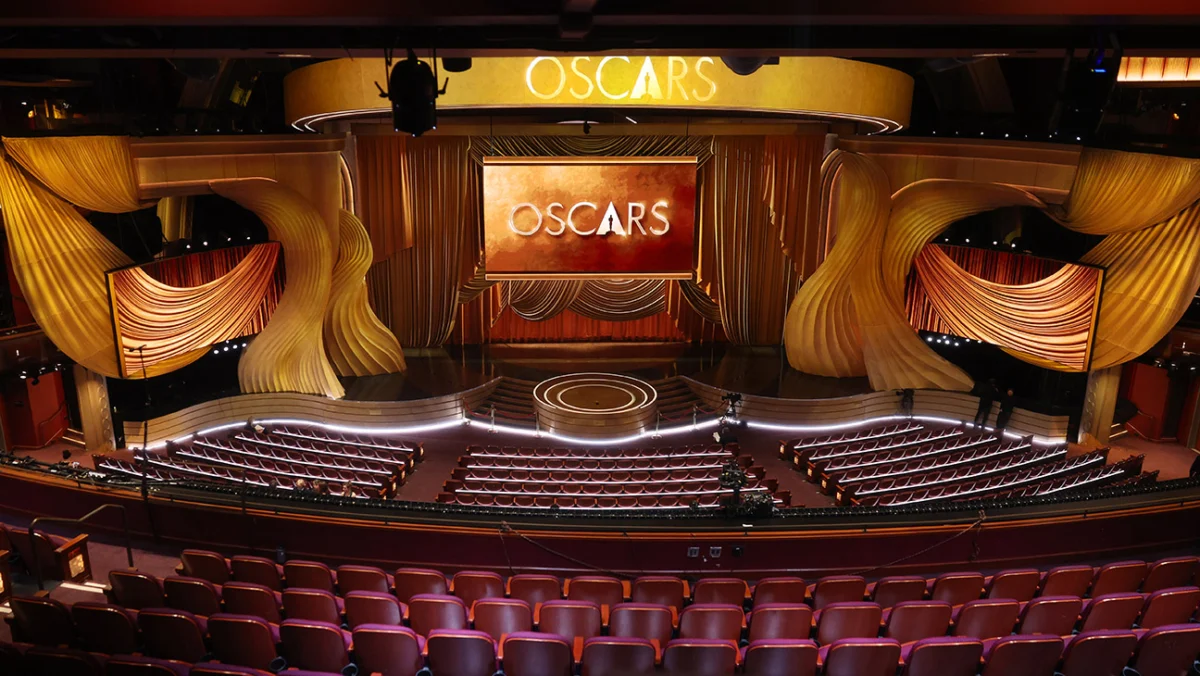
The Peacock Theater, currently boasting a seating capacity of 7,100, offers more than double the audience accommodation compared to the Dolby Theatre’s 3,400 seats. This dramatic increase in capacity is expected to significantly broaden access for industry professionals, Academy members, and fans to attend the live ceremony, addressing a long-standing challenge of limited seating at the Dolby. Located within the sprawling 23-acre L.A. LIVE sports and entertainment district, the Peacock Theater is poised for extensive enhancements under AEG’s stewardship prior to the 2029 transition. These upgrades will encompass critical areas such as the stage, sound and lighting systems, lobbies, backstage facilities, and other production-critical zones, ensuring the venue meets the exacting technical and aesthetic standards required for a global broadcast of the Oscars’ magnitude.
AEG, a global leader in sports and live entertainment, has committed to a close collaboration with the Academy to integrate bespoke design elements necessary to fully accommodate the unique demands of the Oscars ceremony. This tailored approach will ensure that the venue not only handles the technical complexities but also provides the iconic grandeur associated with the event. L.A. LIVE itself has recently expanded its central plaza, a strategic development that will now serve as the expansive setting for the Oscars’ iconic red carpet arrivals and pre-show activities, offering more space for media, fans, and the elaborate production typically associated with this globally televised spectacle.
The Strategic Shift to YouTube: Embracing the Digital Future
The move to YouTube for the 101st Academy Awards in 2029 represents an even more audacious step into the future of media consumption. For decades, the Oscars have been synonymous with network television, most recently airing on ABC as part of a long-term agreement that began in 1976 and was extended multiple times, with the most recent deal set to expire in 2028. The decision to transition to YouTube signifies the Academy’s recognition of evolving viewership habits, particularly among younger demographics who increasingly consume content through digital platforms. This pivot aims to expand the Oscars’ global reach beyond traditional cable subscribers, making the ceremony accessible to a potentially massive, digitally-native audience worldwide, often without the geographical restrictions or paywalls of conventional broadcasters.
While specific financial terms of the YouTube deal were not disclosed, industry analysts speculate it involves a substantial investment from the Google-owned platform, keen to cement its position as a destination for premium live events. For YouTube, securing the global streaming rights to an event of the Oscars’ stature is a monumental win, elevating its content portfolio and challenging the dominance of established streaming services and linear television networks in the live entertainment space. This move could also unlock new interactive viewing experiences, allowing the Academy to experiment with multi-angle feeds, real-time fan engagement, and personalized content delivery, further enhancing the viewing experience for a diverse global audience.
A Legacy of Venues: From Hollywood Glamour to Downtown Modernity
The relocation from the Dolby Theatre marks the end of a significant era for the Academy Awards. Since 2002, the Dolby Theatre, originally named the Kodak Theatre until 2012, has been the consistent home for the Oscars. Situated within the Hollywood & Highland Center (now Ovation Hollywood) on Hollywood Boulevard, it became synonymous with the event’s modern era, designed specifically to host the telecast and accommodate its complex production requirements. Its prime location in the heart of Hollywood imbued the ceremony with an undeniable sense of history and cinematic tradition, connecting the present-day spectacle with the golden age of cinema. The Dolby Theatre’s tenure saw 27 Oscar ceremonies, including many memorable moments, solidifying its place in film history.
Prior to the Dolby, the Oscars had a rich history of moving between various iconic Los Angeles venues. From its earliest days, the ceremony graced locations like the Biltmore Hotel (1929-1943), the Grauman’s Chinese Theatre (now TCL Chinese Theatre, 1944-1946), the Shrine Auditorium (sporadically from 1947-2001), the Pantages Theatre (1950-1960), the Santa Monica Civic Auditorium (1961-1968), and the Dorothy Chandler Pavilion (1969-1987, and again in 1990 and 1992-1999). Each venue contributed to the evolving narrative and grandeur of the Academy Awards, reflecting the changing landscape of Los Angeles and the entertainment industry itself. The move to the Peacock Theater continues this tradition of adaptation, signaling a new chapter not just for the Oscars, but for the city’s identity as a global entertainment capital.
The Strategic Alliance Between AMPAS and AEG
The 10-year partnership between the Academy and AEG is a formidable alliance combining the prestige of Hollywood’s premier film organization with the operational prowess of a global entertainment giant. Bill Kramer, CEO of the Academy, and Lynette Howell Taylor, President, articulated their enthusiasm in a joint statement: "We are thrilled to partner with a global powerhouse like AEG. Their track record for building and operating technologically sophisticated live performance venues is unrivaled. For the 101st Oscars and beyond, the Academy looks forward to closely collaborating with AEG to make L.A. LIVE the perfect backdrop for our global celebration of cinema, both for our live in-theater audience and for film fans around the world."
This statement highlights the Academy’s dual focus: enhancing the in-person experience for attendees and optimizing the global broadcast for viewers. AEG’s expertise in managing large-scale events and venues, including their extensive experience with the Emmys at the Peacock Theater (formerly Nokia Theatre, then Microsoft Theater), provides the Academy with a reliable and innovative partner. Todd Goldsten, AEG Chief Revenue Officer, echoed this sentiment, stating, "L.A. LIVE was built to host the moments that define culture, and there is no greater global stage than the Oscars. We’re proud to partner with the Academy to reimagine what the Oscars can look and feel like in the years ahead. Together, we will create an environment that celebrates creativity, honors excellence, and delivers an unforgettable experience for movie fans everywhere." Goldsten’s remarks underscore AEG’s ambition for L.A. LIVE to be at the epicenter of cultural events, leveraging the district’s comprehensive offerings, which include the Crypto.com Arena, the Grammy Museum, and numerous restaurants and hotels, to create a fully immersive experience for Oscar attendees and visitors.
Broader Implications for Los Angeles and the Entertainment Industry
The relocation of the Oscars carries significant implications for both Hollywood and downtown Los Angeles. For Hollywood, the departure of its most iconic annual event might be viewed by some as a symbolic loss, detaching the ceremony from its historical roots. However, it also opens up the Dolby Theatre for other major events, potentially diversifying the cultural landscape of the Hollywood & Highland complex. For downtown Los Angeles, this move is a monumental win, further solidifying its status as a vibrant cultural and entertainment hub. The L.A. LIVE district, a massive 4-million-square-foot development, has been a cornerstone of downtown’s revitalization over the past two decades. Hosting the Oscars will undoubtedly bring increased tourism, media attention, and economic activity to the area, boosting local businesses, hotels, and restaurants for weeks leading up to and during the ceremony.
Economically, the Oscars are a significant generator of revenue for the host city. Estimates suggest the event contributes tens of millions of dollars annually to the local economy through direct spending on production, hospitality, security, and tourism. The enhanced capacity of the Peacock Theater, coupled with the expanded red carpet plaza, could potentially increase this economic footprint, drawing more visitors and media to the city.
From an industry perspective, this dual move — a new venue and a new broadcast platform — reflects a broader trend of awards shows grappling with declining linear television viewership and the need to stay relevant in a fragmented media landscape. The Academy has been proactive in recent years in experimenting with show formats, categories, and hosts to appeal to a wider and younger audience. The partnership with AEG and the embrace of YouTube are arguably the most significant steps yet in this ongoing evolution, signaling a commitment to innovation and accessibility. It positions the Oscars not just as an industry celebration but as a global digital event designed for the 21st century.
The Future of the Oscars: Modernization and Global Reach
The 2029 shift marks a bold strategic gamble by the Academy, aiming to infuse new energy into an institution that has faced challenges regarding its public perception and viewership numbers. By partnering with AEG and moving to the technologically advanced Peacock Theater, the Academy is signaling a commitment to providing an unparalleled live experience. Concurrently, the transition to YouTube positions the Oscars at the forefront of digital distribution, potentially unlocking vast new audiences and revenue streams in an increasingly globalized and digitally-connected world.
This comprehensive strategy addresses multiple facets: enhancing the physical event, modernizing its broadcast, and expanding its global footprint. As the 101st Academy Awards draw closer, the industry and audiences worldwide will keenly observe how these transformative changes shape the future of Hollywood’s most celebrated night, ushering in an era defined by technological sophistication, expanded accessibility, and a renewed vision for the global celebration of cinematic achievement. The curtain closes on one chapter in Hollywood, and a new, digitally-forward era dawns in downtown Los Angeles.