Alice Maio Mackay, the prodigious Australian filmmaker, has achieved significant international recognition with her latest feature, The Serpent’s Skin. The film has embarked on a successful festival circuit, captivating audiences from London to Montreal, and recently celebrated its American premiere at the esteemed Alamo Drafthouse in downtown Brooklyn. This marks a pivotal moment in Mackay’s burgeoning career, which, remarkably, already includes seven feature films completed before her twenty-second birthday. Her distinctive blend of genre storytelling with an authentic queer sensibility is increasingly resonating with a global audience, establishing her as a key figure in the independent film landscape.
A Supernatural Romance with a Queer Heart
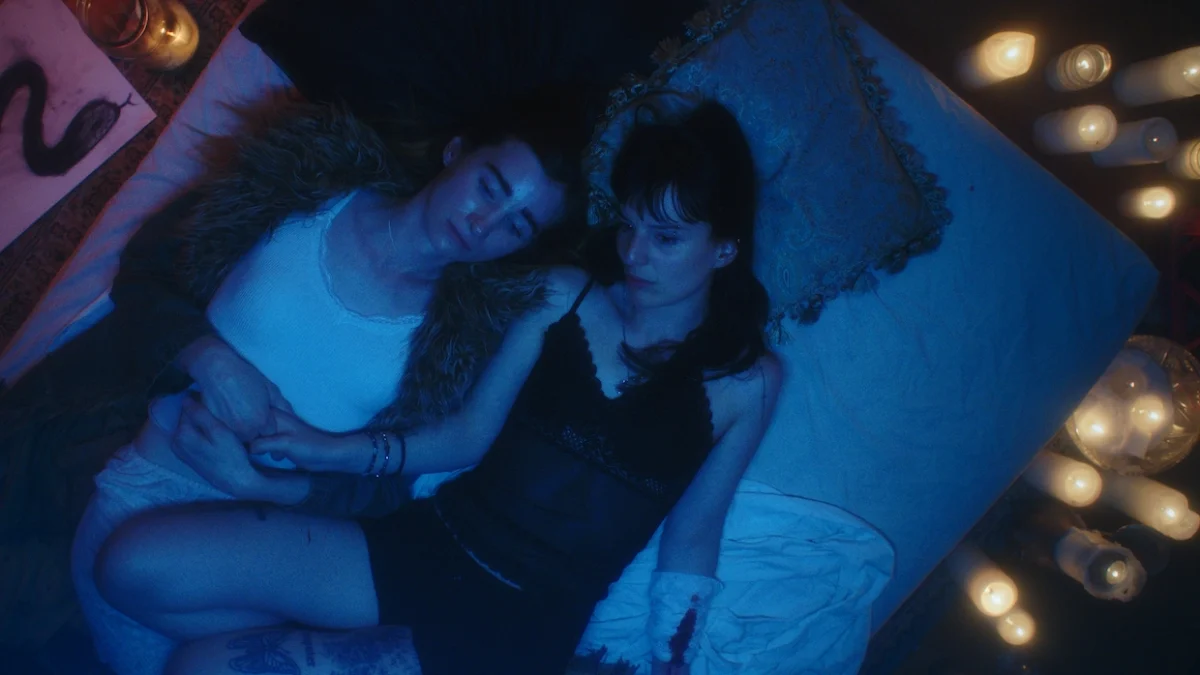
The Serpent’s Skin delves into the realm of supernatural romance, centering on the burgeoning relationship between two queer women, Anna (portrayed by Alexandra McVicker) and Jen (played by filmmaker Avalon Fast). Anna, a newcomer to town, finds herself drawn to the enigmatic goth tattoo artist, Jen. Their connection deepens as they discover a shared magical lineage, compelling them to confront a demonic entity that has possessed Danny (Jordan Dulieu), Anna’s recently "friend-zoned" alt-boy-next-door. This narrative, described by Mackay as a "sweet, sharply witty romp," offers a fresh perspective on classic genre tropes, infusing them with contemporary queer experiences and relationships. The film’s critical reception at various festivals underscores its appeal, highlighting its unique blend of horror, romance, and coming-of-age themes.
Alice Maio Mackay: A Prolific Young Auteur
At just twenty-one years old, Alice Maio Mackay has demonstrated an extraordinary commitment to filmmaking, evidenced by her prolific output. Her rapid ascent in the industry is not just about the quantity of her work but also its consistent quality and thematic depth. Her previous film, Carnage for Christmas, also received notable attention, setting the stage for The Serpent’s Skin‘s current success. Mackay’s ability to conceive, write, direct, and often act in her projects at such a young age positions her as a remarkable talent whose trajectory is keenly observed by critics and industry insiders alike.
Mackay’s journey into filmmaking is informed by a diverse artistic background. A self-professed "theater kid," she pursued music, specializing in the bassoon during music school, and was a competitive dancer from ages eight to fourteen, excelling in ballet, tap, and contemporary styles. This multidisciplinary foundation, particularly her deep engagement with theatricality and music, profoundly shapes her cinematic approach. She revealed that she initially aspired to be a novelist, often writing her stories in narrative format before converting them into screenplays with her frequent collaborator, Benjamin Pahl Robinson. This unique process suggests a strong emphasis on character development and world-building, traits evident in the rich narratives of her films.
The Collaborative Tapestry of Indie Queer Cinema
A hallmark of Mackay’s career is her enthusiastic collaboration with other creative forces within the queer indie genre scene. This collaborative spirit is vital in independent filmmaking, fostering a supportive network that allows unique voices to thrive outside conventional studio systems. For The Serpent’s Skin, Mackay teamed up with Avalon Fast, a Canadian lo-fi maverick who not only acts in the film but also brings her distinct artistic sensibilities. The film’s editing was handled by Vera Drew, known for her work on The People’s Joker, further illustrating the interconnectedness of this creative community. Mackay also acts in films directed by Louise Weard, such as Castration Movie, and has collaborated with Fucktoys auteur Annapurna Sriram, who, in turn, acts in Mackay’s upcoming seventh project. This web of artistic alliances not only enriches individual projects but also strengthens the collective output and visibility of queer filmmakers. This symbiotic relationship highlights a vibrant ecosystem where shared visions and mutual support drive artistic innovation and production.
Inspirations: From Pop Icons to Teen Witchcraft
Mackay’s creative wellspring is a fascinating amalgamation of diverse influences, spanning from iconic pop musicians to beloved 1990s and early 2000s teen witch media. Music plays a particularly central role in her creative process. A devoted fan of Madonna, evidenced by a prominent tattoo, Mackay also draws inspiration from artists like Kylie Minogue, describing her musical preferences as "classic gay music." She emphasizes integrating music into her writing, creating character playlists and using specific "temp music" during editing to shape the emotional landscape of her films.
For The Serpent’s Skin, Mackay cited Meat Loaf, particularly the "Bat Out of Hell" trilogy, as a significant inspiration. She described being drawn to the "operatic nature" of his work, where "love is, like, greater than anything." This influence speaks to the dramatic and often larger-than-life emotional stakes present in her supernatural romance. This theatricality, she notes, also connects to the world of Greg Araki, another pivotal influence for his distinct aesthetic and narrative style.

Beyond music, Mackay’s cinematic language is deeply rooted in the teen witch media of her youth. She discovered shows like Buffy the Vampire Slayer and Charmed through her local library, finding them to be crucial forms of escapism. These series, alongside other supernatural young adult narratives like Twilight, Beautiful Creatures, and The Mortal Instruments, shaped her understanding of genre storytelling. Her current work, she explains, feels like a "full circle" moment, allowing her to contribute to a genre that profoundly impacted her formative years.
Reimagining Genre Through a Queer Lens
Mackay’s approach to these nostalgic inspirations is not merely replication but a conscious reimagining. While acknowledging the cultural significance of shows like Buffy, she notes certain limitations, particularly concerning representation. Her goal is to take the "queerness of it but making it more text than subtext." This deliberate choice contrasts with earlier portrayals where queer themes might have been implicit or sidelined, offering a more direct and affirming representation for contemporary audiences. The love triangle in The Serpent’s Skin exemplifies this, with Anna and Jen’s relationship at the core, while Danny, the "dreamy alt-boy-next-door," occupies a more complex space. Mackay intentionally crafted Danny as a departure from the "bigoted male villains" of her earlier, more overtly political films. Instead, Danny embodies a nuanced form of "toxic masculinity" often found in ostensibly "progressive" individuals, reflecting a contemporary critique rather than a broad condemnation. This narrative choice adds layers of complexity to the film’s antagonist, moving beyond simple good-versus-evil dynamics.
The Allure of Y2K Nostalgia in Queer Film
The current resurgence of interest in Y2K and early aughts aesthetics and narratives, particularly in queer cinema, provides a significant cultural context for The Serpent’s Skin. Films like I Saw the TV Glow, which also explores the profound impact of 90s television on queer identities, share a similar inspirational bedrock. Mackay acknowledges this shared cultural touchstone, noting that while her film is not "necessarily in conversation" with others like I Saw the TV Glow, it is "nice having both being inspired by the same things, while still being two completely different films tonally." She posits that these shows hold a special "nostalgic" appeal for "queer people and people who didn’t really fit into the norm," offering a sense of belonging or imaginative escape.
Mackay’s relationship with nostalgia is nuanced. She recognizes its potential pitfalls, noting that "a lot of things that throw back to other things at the moment which isn’t always ideal." However, her aim is to harness the "feelings" she experienced watching those shows and channel them into creating new narratives through that lens, rather than simply offering a direct throwback. This approach allows her to draw on the emotional resonance of the past while crafting something distinctly contemporary and relevant.
Filming the Heart of the Story
Reflecting on the production of The Serpent’s Skin, Mackay expressed particular enjoyment in filming the intimate conversations between Anna and Jen, especially the climactic rooftop scene. These moments, she noted, felt inherently "theatrical" to her, echoing her background in performance arts. The rehearsal process for these scenes mirrored theatrical preparations, which then informed the shooting, creating a heightened sense of drama and emotional depth. This fusion of her diverse artistic experiences—from writing novels to performing on stage—culminates in a unique directorial style that imbues her films with both narrative richness and performative intensity.
The Broader Impact and Future Outlook
Alice Maio Mackay’s rapid rise and the critical success of The Serpent’s Skin signify more than just personal achievement; they highlight a powerful trend in independent filmmaking. Her work contributes significantly to the diversification of genre cinema, proving that queer stories can be both commercially viable and artistically compelling within popular frameworks like horror and romance. By making queer narratives "text" rather than "subtext," Mackay is at the forefront of a movement that champions explicit LGBTQ+ representation, offering authentic and empowering portrayals that resonate deeply with underserved audiences.
Her prolific output, collaborative spirit, and unique artistic vision position her as a trailblazer for a new generation of filmmakers who are unafraid to challenge conventions and redefine storytelling. With a seventh film already completed, Mackay’s trajectory promises a continued stream of innovative and impactful cinema, further enriching the landscape of queer indie film and solidifying her legacy as a significant voice in contemporary cinema. Her journey from a bassoon-playing theater kid with a novelist’s ambition to an internationally acclaimed filmmaker underscores the power of passion, perseverance, and a distinctive artistic voice in shaping the future of storytelling.