The patriotic biopic, when executed with genuine conviction and technical brilliance, has consistently proven to be one of the most resonant and commercially viable genres in contemporary Indian cinema. It possesses an unparalleled ability to unite audiences across diverse political and social affiliations, fostering a collective sense of national pride. Director Rajkumar Periasamy’s latest offering, "Amaran," leverages this powerful narrative potential, delivering a biographical drama that is both profoundly engaging and deeply inspiring, albeit with certain narrative structural deviations.
The film embarks on a compelling journey to chronicle the extraordinary life of Major Mukund Varadarajan, an Indian Army officer posthumously awarded the Ashok Chakra for his exceptional bravery and selflessness. While initially promising a unique perspective—that of a soldier’s life viewed through the eyes of his real-life spouse and widow—the narrative undergoes a significant shift. The early segments, characterized by an intimate portrayal of domestic life and budding romance, effectively utilize this framing device, creating a heartfelt and relatable foundation. However, as the story progresses into its second half, this perspective recedes, giving way to an extensive and detailed account of Major Varadarajan’s counter-insurgency operations in Jammu and Kashmir. This shift, while showcasing the exemplary filmmaking and kinetic energy of the action sequences, somewhat dilutes the initial narrative focus, contributing to a substantial runtime that approaches three hours.
The Narrative Core: A Soldier’s Sacrifice and Family’s Resolve
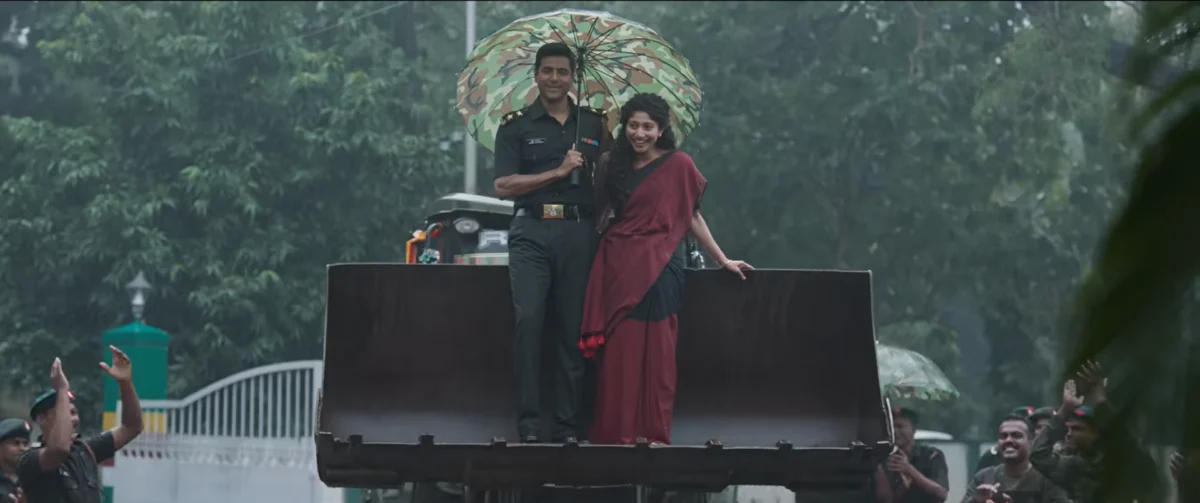
"Amaran" meticulously unfolds the life of Major Mukund Varadarajan, charting his transformation from a vibrant young man to a decorated officer. The film opens by establishing his personal life, particularly his relationship with Indu Rebecca Verghese, who would become his wife. These early scenes are infused with a charming lightness and emotional depth, largely attributed to Sai Pallavi’s nuanced portrayal of Indu. Her performance provides a crucial emotional anchor, grounding the narrative in human connection before the inevitable plunge into the demanding world of military operations. The depiction of their courtship, marked by endearing interactions and the overcoming of familial objections, establishes a strong emotional core, encouraging audiences to invest deeply in their bond. The playful dynamic, exemplified by Mukund affectionately calling Indu "Mammotty" due to her Malayali heritage, adds an authentic touch to their chemistry.
As the narrative progresses, it transitions to Major Mukund’s military career, particularly his deployment in the volatile terrains of Jammu and Kashmir. Here, the film meticulously details the rigorous and perilous nature of counter-insurgency operations. The shift in focus allows the audience to witness the strategic planning, the intense physical demands, and the psychological toll of frontline service. Sivakarthikeyan steps into the role of Major Mukund with a performance that balances unwavering bravado with profound vulnerability, embodying the strength and grace required of an officer who leads his team through life-threatening circumstances. His portrayal captures not only the external heroism but also the internal struggles and the immense responsibility borne by those who serve on the frontlines.
Biographical Depth: Major Mukund Varadarajan’s Legacy
Major Mukund Varadarajan was a revered officer in the Indian Army, serving with the 44th Battalion of the Rashtriya Rifles. Born in Chennai, Tamil Nadu, in 1983, his journey into the armed forces was marked by a deep sense of duty and patriotism. He was commissioned into the Rajput Regiment in 2004, embarking on a distinguished career that saw him rise through the ranks, demonstrating exceptional leadership and courage.
His ultimate act of valor occurred on April 25, 2014, during a search operation in the Shupiyan district of Jammu and Kashmir. Leading a team to track down militants, Major Varadarajan displayed extraordinary courage and tactical acumen. Despite coming under heavy fire, he led his men from the front, engaging the terrorists directly and successfully eliminating three heavily armed militants. During this fierce encounter, he sustained fatal injuries but continued to inspire his team until his last breath, ensuring the successful completion of the mission. For his conspicuous gallantry, unwavering leadership, and supreme sacrifice, Major Mukund Varadarajan was posthumously awarded the Ashok Chakra, India’s highest peacetime military decoration, on August 15, 2014. His story stands as a testament to the indomitable spirit of the Indian soldier and the profound sacrifices made in the line of duty.
The film "Amaran" draws extensively from his life, not just his military exploits but also his personal life, portraying him as a devoted family man who balanced the extreme demands of his profession with his responsibilities as a husband and father. The director’s decision to weave in rare, authentic footage of Major Mukund with his daughter, singing the inspiring Bharathiyar lyric "Achamillai Achamillai" (No Fear, No Fear), serves as a powerful emotional climax. This footage, discovered during the research phase, reportedly became the pivotal inspiration for Rajkumar Periasamy to undertake this cinematic endeavor, underscoring the profound human element behind the heroics.
Filmmaking Prowess and Artistic Choices
From a technical standpoint, "Amaran" exhibits remarkable craftsmanship. Director Rajkumar Periasamy demonstrates a commendable ability to navigate a diverse array of themes and tones. The film seamlessly transitions between the perilous high-stakes operations in Jammu and Kashmir, the tender blossoming of romance, and the enduring partnership between Mukund and Indu, while also exploring the intricate family dynamics within the Varadarajan household. The father’s spontaneous naming of Mukund after the divine figure of Krishna, contrasted with the mother’s constant anxieties about her son’s safety ("Did I take so much pain to give birth to you only to send you away to the Army?"), provides a poignant exploration of the interior life of a soldier and his family. This multi-faceted portrayal ensures that the audience’s journey with Major Mukund is not merely one of heroic deeds but also of deep emotional resonance.
The visual storytelling is consistently engaging, maintaining audience intrigue throughout the film’s extensive runtime. R. Kalaivanan’s editing is precise and efficient, ensuring a brisk pace that avoids unnecessary lingering or redundant detailing. The narrative unfolds with a rapid flow of new information and developments, preventing any sense of stagnation. Musical interludes, composed by GV Prakash, are judiciously placed and never overstay their welcome, complementing the narrative rather than interrupting it.
C.H. Sai’s cinematography is particularly noteworthy for its energetic camera movement, employing Steadicam and handheld shots to immerse the viewer directly into the action. A standout scene, lauded for its execution, introduces Mukund’s team in their base, depicting a frenetic hub of activity—soldiers communicating with families, offering prayers, engaging in physical training—all abruptly interrupted by a mock emergency drill. This sequence not only establishes the camaraderie and daily routines of the soldiers but also underscores the constant state of readiness and the ever-present threat they face. Such detailed visual narratives significantly contribute to the film’s immersive quality.
Stellar Performances: Sivakarthikeyan and Sai Pallavi
The strength of "Amaran" lies significantly in the compelling performances of its lead actors. Sivakarthikeyan, known primarily for his roles in lighthearted romantic comedies and commercial entertainers, undertakes a profound transformation in "Amaran." His portrayal of Major Mukund Varadarajan is a testament to his versatility and commitment. He embodies the duality of a soldier – the unwavering courage and leadership on the battlefield, juxtaposed with the tender vulnerability and profound love he holds for his family. This performance marks a significant departure and a critical turning point in his career, showcasing his capability to handle serious, emotionally demanding roles with gravitas and authenticity. Industry observers suggest this role could redefine his cinematic trajectory, solidifying his position as a formidable actor capable of diverse genres.
Sai Pallavi, as Indu Rebecca Verghese, Major Mukund’s wife, delivers a performance that is equally pivotal. Her contribution is instrumental in establishing the heartfelt and breezy tone of the film’s initial segments. More than just a supporting character, Indu is portrayed with quiet dignity and resolute strength, particularly in scenes where she confronts familial opposition to her marriage with a soldier. Pallavi’s nuanced acting imbues Indu with a distinct character, driving the emotional core of the narrative, especially in the first half. Her chemistry with Sivakarthikeyan is palpable, making the audience actively root for their relationship and understand the profound personal sacrifices inherent in a military spouse’s life. Her performance underscores the often-unseen strength and resilience of military families.
The Patriotic Biopic Landscape in Indian Cinema
"Amaran" arrives at a time when the patriotic biopic genre is experiencing a significant resurgence in Indian cinema. Films like "Uri: The Surgical Strike," "Shershaah," "Raazi," and "Bhuj: The Pride of India" have garnered both critical acclaim and commercial success, tapping into a strong undercurrent of nationalistic sentiment and admiration for the armed forces. These films often serve multiple purposes: they educate the public about unsung heroes, they inspire patriotism, and they offer a glimpse into the arduous lives of soldiers.
The consistent success of this genre can be attributed to several factors. Firstly, the inherent drama and heroism in real-life military stories resonate deeply with audiences. Secondly, these films often transcend linguistic and regional barriers, uniting viewers under a common banner of national pride. Thirdly, advancements in filmmaking technology allow for more realistic and immersive depictions of combat and military life, enhancing the audience experience. "Amaran" capitalizes on these trends, providing a narrative that is both historically grounded and emotionally charged, aligning with the public’s appetite for stories of valor and sacrifice. The film’s emphasis on Major Mukund’s personal life alongside his military exploits further enriches the genre, demonstrating that heroism is often rooted in profound human connections and values.
Director’s Vision and Inspiration
Rajkumar Periasamy’s vision for "Amaran" was clearly driven by a desire to honor Major Mukund Varadarajan’s memory with authenticity and respect. His extensive research, which included interactions with Major Mukund’s family and fellow soldiers, was crucial in crafting a narrative that felt both personal and epic. The director’s statement, albeit inferred from the film’s narrative choices, suggests a deep commitment to portraying the human cost of war and the profound impact of military service on individuals and their families.
The revelation that the idea for the film crystallized upon discovering rare footage of Major Mukund singing "Achamillai Achamillai" with his daughter highlights the deeply personal and emotional connection the director forged with his subject. This moment serves as a powerful narrative device in the film, linking the hero’s personal life with his unwavering courage, and offering a glimpse into the motivations that drive such individuals. It underscores Periasamy’s approach to humanize the hero, making his sacrifice even more impactful by showcasing the life he cherished and fought for.
Challenges and Narrative Nuances
While "Amaran" largely succeeds in its ambitious endeavor, it is not without its narrative complexities. The initial promise of telling a soldier’s story from his widow’s perspective, a powerful and unique framing device, is somewhat sidelined in the latter half. This shift, while necessary to detail the specifics of Major Mukund’s counter-insurgency operations, leads to a loss of narrative cohesion that can be jarring for some viewers. The extended runtime, a consequence of detailing both personal life and military operations, could also be perceived as daunting.
However, these narrative choices are ultimately balanced by the film’s strengths. The meticulous detail in depicting military operations, the compelling performances, and the overarching emotional core ensure that the audience remains invested. The director’s decision to prioritize a comprehensive account of Major Mukund’s heroism, even if it meant adjusting the initial narrative structure, speaks to a noble intention: to provide a thorough and respectful tribute to a national hero. The film avoids grand philosophical statements or unique insights into geopolitical conflicts, opting instead for a straightforward, heartfelt narrative that aims to inspire and move its audience through the sheer force of its subject’s courage and sacrifice.
Broader Impact and Critical Reception
"Amaran" is positioned to make a significant impact on its audience and the broader cinematic landscape. It offers a powerful, heartfelt viewing experience that successfully humanizes its subject, making viewers feel deeply connected to its characters and their struggles. The film’s objective is noble: to honor a national hero and inspire a sense of patriotism and appreciation for the armed forces. While it may not present groundbreaking ideas or novel cinematic techniques, its sincerity and effective storytelling are its greatest assets.
Early critical reception, based on its thematic resonance and technical execution, has largely been positive, highlighting the film’s ability to evoke strong emotional responses and its commitment to portraying military life with authenticity. The film’s success will likely be measured not just in box office numbers but also in its ability to foster a deeper understanding and appreciation for the sacrifices made by soldiers and their families. It stands as a powerful reminder of the courage under fire and the steadfast family values that often define those who serve on the frontlines.
Conclusion
In conclusion, "Amaran" is a commendable addition to the patriotic biopic genre, skillfully directed by Rajkumar Periasamy and anchored by powerful performances from Sivakarthikeyan and Sai Pallavi. It meticulously chronicles the life and valor of Major Mukund Varadarajan, offering a narrative that is both inspiring and deeply moving. While its narrative focus shifts and its runtime is extensive, these elements are largely overshadowed by its technical brilliance, emotional depth, and unwavering respect for its subject. The film succeeds in its primary objective: to pay a fitting tribute to a true hero, making audiences feel and root for its characters, and leaving them with a profound sense of inspiration and gratitude for the silent guardians of the nation. It serves as a poignant reminder that behind every act of heroism lies a deeply human story of love, sacrifice, and unwavering commitment.