The twenty-fourth season of American Idol reached a pivotal milestone on Monday, March 30, as the competition transitioned from its pre-recorded phases to the high-stakes environment of the Live Shows. This transition marks the point where the power shifts entirely into the hands of the viewing public, moving away from the internal deliberations of the judging panel. Host Ryan Seacrest opened the broadcast by narrowing the field from the Top 20 to the Top 14, setting the stage for a night themed around "Songs of Faith." This thematic choice provided a platform for the remaining contestants to showcase their vocal range and emotional depth through spiritually resonant repertoire, a tradition that has historically produced some of the most memorable moments in the franchise’s history.
The live episode followed a grueling round of performances in Hawaii, where the Top 20 artists sought to secure their place in the next phase of the competition. The results revealed during the Monday night broadcast were the culmination of nationwide voting following those tropical performances. The move to the live stage in Los Angeles signifies a shift in production scale, featuring a live band, complex lighting arrangements, and the immediate pressure of real-time television delivery.
The Top 14 Selection and the Road from Hawaii
The selection of the Top 14 was a moment of high tension, as six contestants saw their journey come to an end. Ryan Seacrest, a staple of the series since its inception, announced the names of the artists who secured enough viewer support to continue. The contestants advancing to the Top 14 are:
- Jordan McCullough
- Chris Tungseth
- Rae
- Daniel Stallworth
- Brooks
- Philmon Lee
- Braden Rumfelt
- Keyla Richardson
- Lucas Leon
- Jake Thistle
- Hannah Harper
- Kyndal Inskeep
- Julián Kalel
- Jesse Findling
The diversity of this group reflects the broad scouting efforts of the Season 24 production team. Notable among the group is Julián Kalel, whose return to the competition has been a point of interest for fans following his previous departure for mental health reasons. Similarly, Hannah Harper and Kyndal Inskeep have built significant momentum through the early rounds, establishing themselves as early frontrunners for the title.
Conversely, the evening was marked by the elimination of six hopefuls: Ruby Rae, Madison Moon, Makiyah, Abayomi, Kutter Bradley, and Genevieve Heyward. While these artists delivered strong performances during the Hawaii rounds, they were unable to capture the necessary voting share to break into the Top 14. This stage of the competition is often regarded as the most difficult, as the margin between staying and leaving is frequently decided by a fraction of the total vote.
Analyzing the "Songs of Faith" Theme
The choice of "Songs of Faith" for the first live show of the season is a strategic move by the production. Historically, American Idol has found great success with themes that allow for gospel, contemporary Christian, and soulful ballads. These genres often demand high technical proficiency and the ability to connect with an audience on an emotional level. For the Top 14, this theme served as a rigorous test of their "star power" and their ability to command the stage without the benefit of post-production editing.
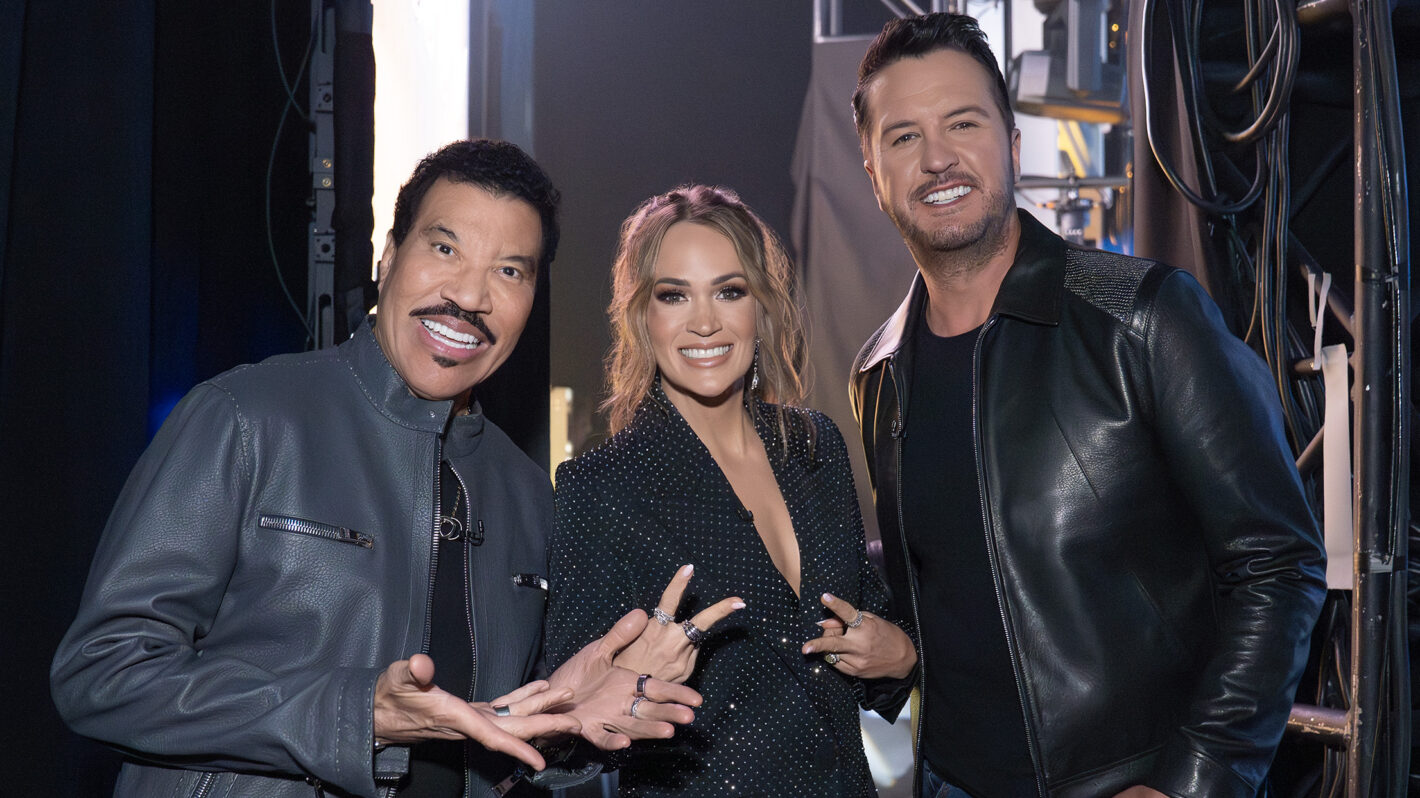
The judging panel—comprising industry legends Lionel Richie, Luke Bryan, and the newly minted judge Carrie Underwood—offered critical feedback throughout the night. Underwood’s presence on the panel is particularly significant this season; as a former winner who launched her career on the Idol stage, her insights during the Live Shows carry a unique weight. Her transition from contestant to global superstar to judge provides the current crop of hopefuls with a tangible blueprint for success.
Technical and Production Context
The shift to Live Shows involves a massive logistical undertaking by ABC and the production crew. Unlike the pre-recorded Hollywood Week or Hawaii rounds, the live broadcasts require a "coast-to-coast" voting window. This means that viewers across all time zones vote simultaneously during the broadcast, with the results often being tallied and announced within the same window or by the start of the following episode.
Data from previous seasons suggests that the first live show typically sees a spike in social media engagement. Platforms like X (formerly Twitter), Instagram, and TikTok become hubs for real-time commentary, which in turn influences voting behavior. For Season 24, the production has leaned heavily into digital integration, encouraging fans to use the American Idol app and the official website to cast their ballots.
The inclusion of a live audience also alters the performance dynamic. Contestants must learn to manage the "room" while simultaneously playing to the cameras for the millions of viewers at home. This dual-focus requirement is often what separates professional-grade talent from amateur singers.
Historical Significance and Industry Impact
Now in its twenty-fourth season (and its eighth on ABC since the network revival), American Idol remains a cornerstone of the reality television landscape. While the music industry has changed drastically since Kelly Clarkson was crowned the first winner in 2002, the show continues to serve as a vital pipeline for new talent.
The success of Season 24 is being measured not just in traditional Nielsen ratings, but in the "virality" of its contestants. Artists like Chris Tungseth and Kyndal Inskeep have already seen significant growth in their personal streaming numbers and social media followings. For these performers, the Top 14 is more than just a round in a contest; it is a national debut that can lead to recording contracts and touring opportunities regardless of whether they ultimately win the competition.
The return of Carrie Underwood to the franchise in a permanent judging role has also been credited with revitalizing interest in the show’s legacy. As one of the most successful alumni in the show’s history, her critiques are grounded in the specific pressures of the Idol format. Her feedback during the "Songs of Faith" night was particularly poignant, given her own background in gospel and country-spiritual music.
Implications for the Top 12
As the Monday night episode progressed, the pressure remained high. The Top 14 were not just performing for praise; they were performing for survival. By the end of the night, another two contestants were scheduled to be eliminated, narrowing the field to the Top 12. This rapid-fire elimination process is designed to keep the momentum of the season moving toward the grand finale.
The transition to the Top 12 is often seen as the start of the "true" competition. Once the field reaches a dozen, the audience has typically identified their favorites, and the competition becomes a battle of fan-base mobilization. The contestants who can successfully navigate the "Songs of Faith" night with both vocal precision and an authentic emotional narrative are the ones most likely to secure a spot in the final rounds.
Official Responses and Participant Reactions
While official statements from the network are typically reserved for end-of-season milestones, the internal sentiment from the judging panel has been one of optimism. Lionel Richie has frequently noted that the "talent floor" of Season 24 is remarkably high, suggesting that the public will have a difficult time choosing between the remaining artists. Luke Bryan echoed these sentiments, highlighting the "grit" required to make it through the Hawaii rounds to the live stage.
Host Ryan Seacrest, in his role as the bridge between the contestants and the audience, emphasized the importance of the live vote. "This is where it gets real," Seacrest noted during the broadcast. "There are no more second takes, and the judges no longer have the final say. It is entirely up to the fans."
For the contestants, the reactions were a mix of relief and renewed focus. Those who moved into the Top 14 expressed gratitude on their respective social media channels, often citing the "Songs of Faith" theme as a deeply personal way to start their live performance journey. The six eliminated artists, while disappointed, have historically used this platform as a springboard for independent careers, often returning for the season finale or finding success in regional markets.
Conclusion and Future Outlook
As American Idol Season 24 moves forward, the focus will remain on the Top 12 and their ability to adapt to weekly theme changes. The "Songs of Faith" night served as a powerful opening salvo for the live phase, reminding viewers of the show’s ability to blend high-quality entertainment with personal storytelling. With a judging panel that balances industry experience with the unique perspective of a former champion, the season is positioned to maintain its status as a premier destination for musical discovery.
The journey from the Top 14 to the eventual crowning of a winner will continue to unfold on Monday nights on ABC. As the competition intensifies, the technical demands on the singers will increase, testing their stamina and their ability to remain relevant in a fast-paced digital environment. For now, the remaining 12 artists must prepare for the next round of voting, knowing that every note could be the difference between stardom and elimination.