The Historical Backdrop: Shanghai in 1932
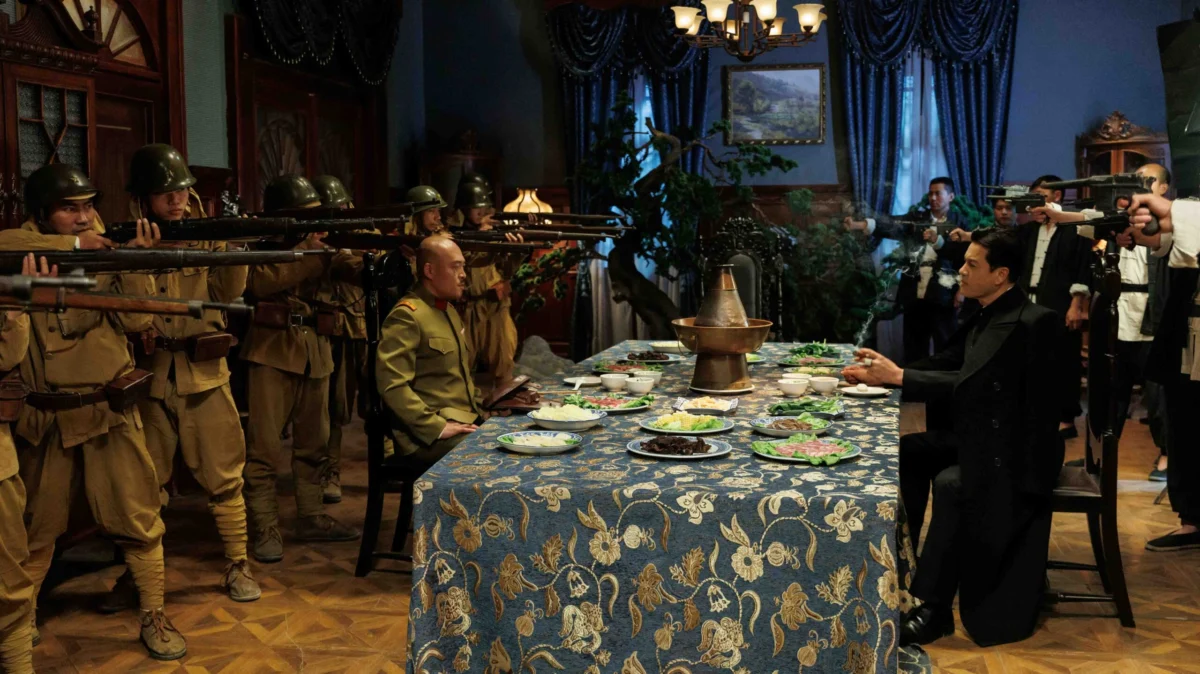
The year 1932 was a pivotal moment in modern Chinese history, particularly for the vibrant, yet vulnerable, metropolis of Shanghai. Often referred to as the "Paris of the East," Shanghai was a city of stark contrasts: a burgeoning international financial hub with glittering nightclubs and foreign concessions, juxtaposed against a backdrop of escalating Japanese aggression and internal political strife. Following the 1931 Mukden Incident and the subsequent invasion of Manchuria, Japan’s imperial ambitions were undeniable, casting a long shadow over China.
The First Shanghai Incident, which erupted in January 1932, saw intense fighting between Chinese and Japanese forces, highlighting Japan’s readiness to expand its control beyond Manchuria. While a ceasefire was eventually negotiated in May 1932, the city remained under immense pressure, with Japanese influence growing and Chinese sovereignty increasingly challenged. This period fostered a potent sense of nationalism and resistance among the Chinese populace, manifesting in various forms, from organized military units to underground civilian movements. The film taps directly into this fervent atmosphere, portraying a segment of society determined to fight back against perceived foreign oppressors and domestic collaborators. The narrative’s call for an end to the ongoing civil war between the Nationalist Kuomintang (KMT) and the Communist Party of China (CCP) to unite against the common Japanese enemy reflects a widely held sentiment among many Chinese at the time, underscoring the complexities of national identity and survival during an existential threat.
Unveiling the "Traitor Elimination Squad"
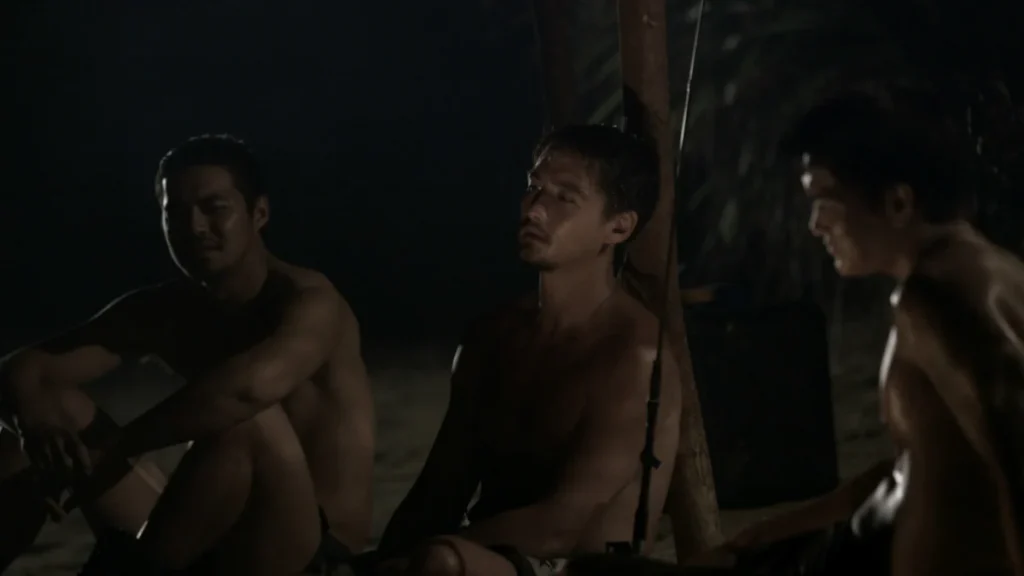
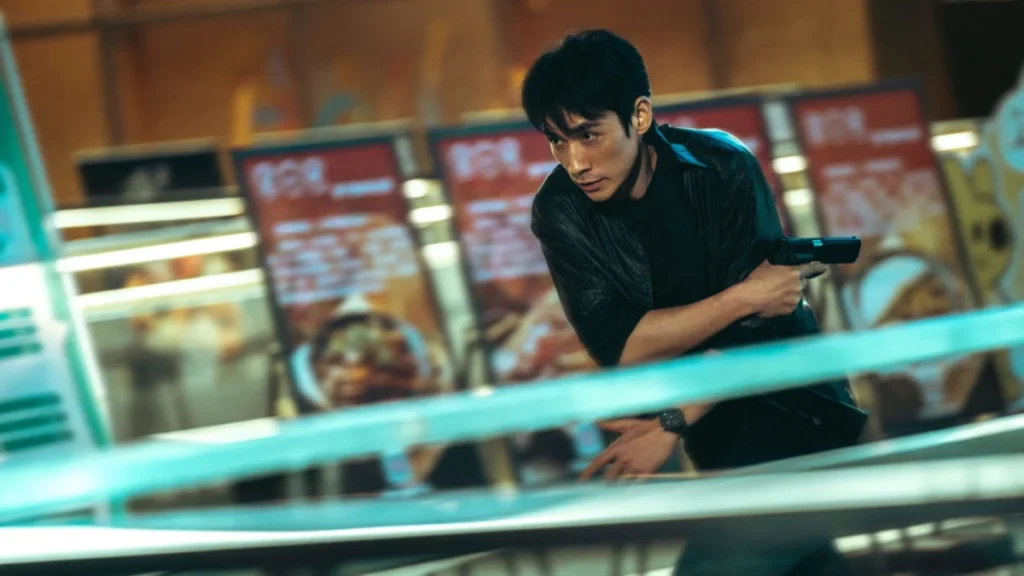
"Assassin: 1932" plunges audiences directly into the heart of this conflict with a spectacular ten-minute action sequence set in a Shanghai nightclub in 1932. This establishment, a hub for Japanese officers indulging in leisure and frequented by Chinese collaborators, becomes the initial stage for a dramatic display of resistance. The film introduces its core protagonist, Zhang Mubai, portrayed by Wang Ming, who leads a clandestine four-member group known as the "Traitor Elimination Squad." This unit is dedicated to disrupting Japanese operations and punishing those who aid them.
Among the squad members is Xiaoqiu, played by Cheng Qi, a highly skilled Chinese-Korean woman whose combat prowess is central to the team’s operations. The squad also includes a burglary specialist from northeastern China, a member of the Korean minority, portrayed by Elton Tang Haoyuan. His character’s initial ambiguous loyalties, stemming from a past as a collaborator, add a layer of complexity to the group’s dynamics, eventually seeing him play a significant role in their missions. The casting of actors like Tang Haoyuan and Wang Ming, known for their work in the streaming film sector, signals a strategic move to leverage established talent within the burgeoning digital distribution landscape.
During their audacious nightclub infiltration, the squad encounters Hu Baye, a formidable local gangster played by veteran Hong Kong actor Ray Lui. Lui, a highly recognizable figure with over 140 film credits, including the lead role in the acclaimed 1991 gangster classic "To Be Number One," brings considerable star power to the production. Hu Baye, while a criminal boss, harbors his own deep-seated resentment towards the Japanese occupation. Impressed by the "Traitor Elimination Squad’s" ruthless efficiency and unwavering resolve, particularly after they unleash a significant bloodbath among the Japanese present, Hu Baye sees an opportunity for alliance. He recognizes the need to unify various local factions, including historically documented entities like the "Axe Gang" (though active earlier, its mention provides a contextual nod to Shanghai’s criminal underworld), to mount a more substantial resistance.
The High-Stakes Assassination Plot
The alliance between the "Traitor Elimination Squad" and Hu Baye swiftly leads to a daring new mission. Through his extensive network of informants, Hu Baye learns of the impending arrival of a high-ranking Japanese officer, Kurokawa, the chief strategist of the Imperial Army. Kurokawa is en route to Shanghai to attend his daughter’s wedding, presenting a unique and critical opportunity to cripple Japanese military leadership.
The plan involves a clandestine operation aboard the ship transporting Kurokawa. Xiaoqiu and the unnamed thief, utilizing their Korean heritage, pose as a Korean couple invited to the wedding, providing them access to the vessel. As they observe the deplorable treatment of Chinese personnel on the ship, their resolve and anger intensify, fueling their determination to execute the mission. The stage is set for a high-tension attack on the officer, but as often happens in such intricate operations, unforeseen complications arise, challenging their carefully laid plans and delaying the anticipated intense showdown. This narrative structure effectively builds suspense, leaving audiences eager for the climactic confrontation that defines much of the action film genre.
Directorial Vision and Production Nuances
Director Zhou Jiuqin, a seasoned filmmaker with a significant portfolio in streaming productions, helms "Assassin: 1932." His direction demonstrates a clear homage to classic action cinema, particularly drawing inspiration from the works of Hong Kong auteur John Woo, evidenced by stylistic choices, including the iconic use of doves in certain sequences. The film’s primary strengths lie in its compelling narrative and the generally solid performances of its ensemble cast. The action sequences, while graphic and impactful in their depiction of violence, largely fulfill the expectations of the genre. Technically, and in terms of overall production design, the film maintains a respectable standard for a streaming release.
However, the production also reveals certain limitations, most notably in its action choreography. Despite the director’s ambition and the subject matter’s potential for grand spectacle, some fight sequences appear "cheap and sparse." This likely stems from budgetary constraints inherent in many direct-to-streaming productions, preventing the "opulent grandeur" that a John Woo-esque vision might demand. This discrepancy is regrettable, as a more robust budget could have elevated the visual impact of the film’s core appeal—its action. The narrative, rich with historical tension and dramatic potential, deserved a more lavish cinematic execution to fully realize its scope.
Critical Reception and Controversial Elements
While "Assassin: 1932" offers an engaging action-packed experience, it has not been without its controversies, particularly regarding its portrayal of female characters and its explicit nationalistic undertones. A significant point of criticism revolves around the character of Xiaoqiu, played by Cheng Qi. Despite her crucial role as a skilled resistance fighter, the film frequently depicts her in a "scantily clad" manner, filmed in a gratuitously "sexy" style for no apparent narrative reason. Her dialogue is notably sparse, often reducing her to a visually objectified figure rather than a fully developed character.
Furthermore, the romantic subplot between Xiaoqiu and the thief leads to several "uncomfortably sexualized situations" that detract from the film’s serious themes. Most egregiously, the strong implication of gang rape by Japanese soldiers, while serving to amplify the brutality of the occupiers, is presented in a manner that critics might deem exploitative and inappropriate. Such portrayals risk undermining the film’s message of heroism and resistance, instead reinforcing harmful stereotypes and gratuitously using sexual violence for shock value, rather than nuanced narrative development. This approach can be seen as a significant ethical misstep, potentially alienating parts of its audience and inviting condemnation from critics concerned with cinematic representation.
Beyond the portrayal of women, "Assassin: 1932" carries overt patriotic messages, which some viewers may find problematic due to their explicit anti-Japanese sentiment. The film’s depiction of Japanese soldiers as "vile sadists, murderers, and rapists" is stark and uncompromising, leaving little room for moral ambiguity. While such portrayals are historically rooted in the atrocities committed during the Second Sino-Japanese War, their unvarnished and often one-dimensional presentation in contemporary cinema can be perceived as inflammatory.
This explicit narrative comes at a time of "resurgence of strong tensions between the People’s Republic of China and Japan," making films like "Assassin: 1932" potent cultural artifacts. They serve not only as entertainment but also as reflections of, and potentially contributors to, national historical narratives. The film’s call for unity against a common enemy, symbolized by the demand to end the Chinese civil war, resonates deeply with historical memory and contemporary geopolitical dynamics. For audiences willing to overlook these contentious elements, the film provides a superficially successful action experience, but for others, these aspects may overshadow its entertainment value.
Broader Implications for Chinese Cinema and Streaming
"Assassin: 1932" exemplifies a growing trend within Chinese cinema, particularly in the realm of direct-to-streaming productions. The rise of platforms like iQiyi, Tencent Video, and Youku has created a robust ecosystem for films that might not secure traditional theatrical releases but find a broad audience online. These platforms frequently host historical action dramas, war films, and patriotic narratives, genres that resonate strongly with domestic Chinese audiences.
The economic model for these films often involves a more constrained budget and a faster production cycle compared to major theatrical blockbusters. This allows for a higher volume of content, but as seen with "Assassin: 1932," it can sometimes lead to compromises in visual effects or elaborate choreography. Nevertheless, the international reach of these Chinese streaming services means that films like "Assassin: 1932" are increasingly accessible to global audiences, offering a glimpse into Chinese historical perspectives and contemporary cultural sensibilities.
The film’s reception, both domestically and internationally, underscores the complex interplay between entertainment, history, and national identity. Its engagement with a sensitive historical period, coupled with its overt nationalistic framing, positions it within a broader discourse about how historical memory is constructed and consumed in the digital age. As geopolitical tensions continue to fluctuate, it is highly probable that similar films will continue to emerge, reflecting and shaping public sentiment regarding historical conflicts and national pride. Ultimately, "Assassin: 1932" stands as a significant example of a contemporary Chinese action film that, despite its narrative strengths and action-packed sequences, navigates a minefield of historical representation and ethical considerations in its quest to entertain and inform.