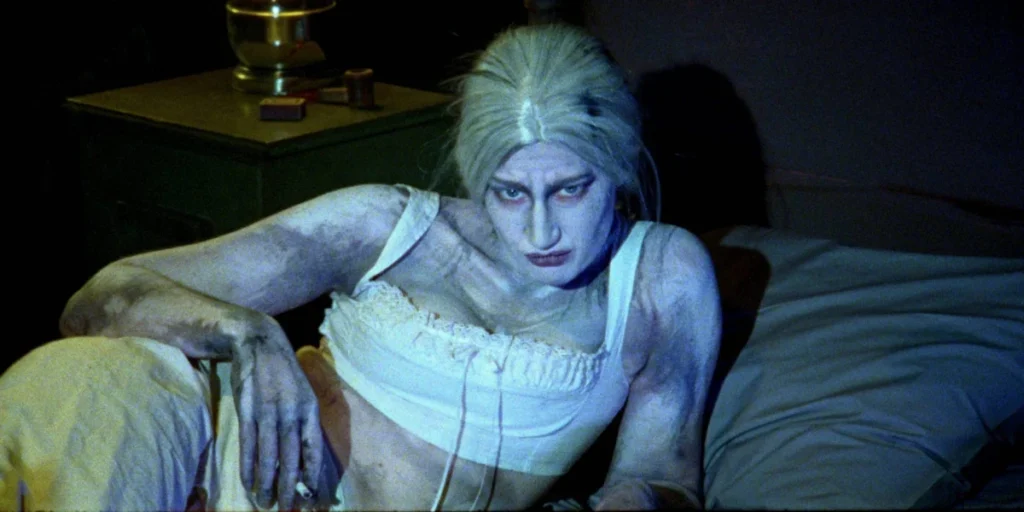
Black Zombie serves as a comprehensive and critical examination of one of the most pervasive archetypes in global pop culture, tracing the evolution of the zombie from its origins in the spiritual traditions of Haiti to its current status as a multi-billion-dollar cinematic trope. Directed by Maya Annik Bedward, the 90-minute documentary premiered at the SXSW Film & TV Festival, offering a rigorous interrogation of how the zombie was stripped of its historical and cultural significance through decades of Western media appropriation. The film posits that the modern depiction of the zombie—a mindless, flesh-eating corpse—is a far cry from the original Haitian concept, which was rooted in the traumas of slavery, colonial oppression, and spiritual resistance. By blending archival footage, interviews with historians and practitioners, and evocative recreations, Bedward’s work acts as a cultural corrective, aiming to reclaim the narrative of the zombie for the people of Haiti.
The Spiritual and Historical Foundations of the Zombie
To understand the thesis of Black Zombie, one must first look toward the sugar cane fields of colonial Haiti. The documentary explains that the original concept of the zombie, or "zonbi," emerged from the horrors of the transatlantic slave trade. In the context of 17th and 18th-century Saint-Domingue (modern-day Haiti), the zombie was not a monster to be feared because it might attack, but a fate to be feared because it represented the loss of personal agency. As one interview subject in the film notes, "Zombification is living under someone’s thumb."
For the enslaved population, the zombie was a spiritual manifestation of their reality: a body forced to labor without a soul, controlled by an external master. The film details how Haitian Vodou (often misspelled and misrepresented as "Voodoo") provided a framework for understanding this condition. In Vodou belief, a person consists of several spiritual components, and zombification involved the capture of the "ti bon anx" (the little good angel) by a "bokor" or sorcerer. This spiritual theft rendered the individual a shell of their former self, forced into eternal servitude even after death. Consequently, the zombie was a symbol of the ultimate nightmare for an enslaved person: the inability to find peace or return to Africa (Lanmò) in the afterlife.
The Weaponization of Culture During the US Occupation
A significant portion of Black Zombie is dedicated to the early 20th century, specifically the period of the United States occupation of Haiti from 1915 to 1934. During this time, the documentary notes, American marines and travelers returned with sensationalized accounts of Haitian life. These stories were often used to justify the occupation by portraying Haitians as "primitive" or "savage" people who practiced "dark arts."
The film identifies W.B. Seabrook’s 1929 book, The Magic Island, as a pivotal moment in the racialization of the zombie. Seabrook’s accounts of witnessing "living dead" workers in Haitian fields captivated the American imagination but lacked cultural nuance, instead leaning into exoticism and fear. This publication laid the groundwork for the first feature-length zombie film, 1932’s White Zombie, starring Bela Lugosi. Bedward’s documentary analyzes how White Zombie and its successors began the process of "othering" Haitian spirituality, transforming a metaphor for the tragedy of slavery into a source of cheap thrills for Western audiences.
The Romero Pivot and the Modern Shift
The documentary transitions into the mid-20th century to explore the most significant evolution of the genre: the release of George A. Romero’s Night of the Living Dead in 1968. While Romero is often credited with "inventing" the modern zombie, the film highlights a fascinating contradiction: Romero never actually used the word "zombie" in his 1968 masterpiece, instead referring to his creatures as "ghouls."
However, the public and critics quickly labeled them zombies, effectively severing the creature from its Haitian Vodou roots and re-rooting it in Western anxieties about contagion, consumerism, and societal collapse. Black Zombie features insights from Romero’s collaborators and film historians who discuss the political weight of casting Duane Jones, a Black man, as the lead protagonist in 1968. While Romero moved away from the supernatural elements of Vodou, the film argues that the racial subtext remained inescapable. The image of a Black man being hunted by a mob at the end of Night of the Living Dead echoed the real-world violence of the Civil Rights Movement, creating a new layer of meaning for the zombie figure that resonated with American domestic tensions rather than Haitian history.
Technical Execution and Creative Vision
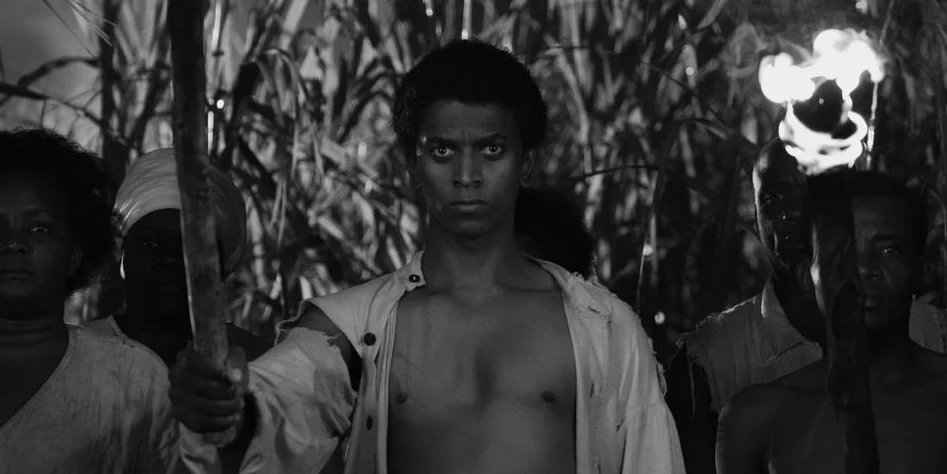
Maya Annik Bedward employs a sophisticated visual palette to bridge the gap between historical documentary and cinematic exploration. The film utilizes high-contrast, black-and-white cinematography, handled by Duraid Munajim and Ricardo Diaz, for its recreations of colonial Haiti. These sequences, depicting laborers in the sugar fields, are designed to evoke the atmosphere of early 20th-century horror films while grounding the imagery in the harsh reality of historical slavery.
The documentary’s structure is supported by a diverse array of voices. The cast includes:
- Yves-Grégory Francois and Anderson Mojica: Providing cultural and historical context.
- Erol Josué and Mambo Labelle Déese Botanica: Offering perspectives from within the Vodou community to demystify the religion.
- Tananarive Due and Zandashé Brown: Noted authors and filmmakers who specialize in Black horror, providing an analytical lens on the genre’s tropes.
- Slash and Tom Savini: Representing the Hollywood horror establishment, acknowledging the genre’s debt to these origins while discussing the evolution of special effects and fan culture.
Chronological Timeline of the Zombie Evolution
To provide a clear context of the subgenre’s development, the documentary and supporting historical data outline the following timeline:
- 1600s–1700s: The concept of the "zonbi" develops in Saint-Domingue as a reflection of the dehumanization of chattel slavery.
- 1804: Haiti gains independence; Vodou becomes a central pillar of national identity and resistance, though it remains stigmatized by colonial powers.
- 1915–1934: The US occupation of Haiti leads to a surge in "travelogues" that sensationalize Vodou.
- 1929: Publication of The Magic Island by W.B. Seabrook.
- 1932: Release of White Zombie, the first major motion picture to feature zombies, focusing on the "master and slave" dynamic.
- 1943: I Walked with a Zombie is released, further cementing the connection between the Caribbean and the supernatural in the public mind.
- 1968: George A. Romero’s Night of the Living Dead premieres, shifting the zombie from a Vodou-controlled servant to an infectious, flesh-eating ghoul.
- 2002: 28 Days Later introduces the "fast zombie," further distancing the archetype from its spiritual origins toward a biological/viral explanation.
- 2010–Present: The global success of The Walking Dead and The Last of Us turns the zombie into a symbol of post-apocalyptic survivalism.
- 2024: Premiere of Black Zombie at SXSW, marking a major effort to return the narrative to its Haitian roots.
Broader Impact and Cultural Implications
The implications of Black Zombie extend beyond film criticism; the documentary serves as a study in cultural erasure. By examining how a sacred and complex spiritual tradition was distilled into a monster for entertainment, Bedward challenges the audience to consider the cost of such appropriations. The film suggests that when a culture’s symbols are stolen and distorted, the people of that culture are often stripped of their dignity in the eyes of the world.
For Haiti, a nation that has faced continuous political and economic challenges often exacerbated by foreign intervention, the "zombie" label has been a double-edged sword. It has brought global attention to Haitian folklore but has also reinforced negative stereotypes that link Blackness with the "sinister" or the "undead." Black Zombie argues that reclaiming the zombie is an act of reclaiming Haitian humanity.
In the contemporary landscape, where "elevated horror" films like Get Out and Us have begun to use the genre to explore racial trauma, Black Zombie provides the necessary historical foundation for these modern stories. It asserts that the zombie remains a vital symbol because it speaks to the universal fear of losing one’s soul and agency—a fear that is particularly resonant for those whose ancestors were legally defined as property.
Conclusion
Black Zombie concludes by bringing the conversation back to present-day Haiti. It highlights the beauty and resilience of the Haitian people, emphasizing that Vodou is a living, breathing religion focused on healing and community, rather than the "death cult" portrayed by Hollywood. As the zombie continues to dominate screens through massive franchises like The Last of Us, Bedward’s documentary ensures that the true origins of the figure are no longer buried. The film serves as a vital historical record, reminding viewers that behind every monster is a human story, and behind every myth is a history of survival. By unearthing the "Black" in the zombie, the documentary restores a sense of dignity to a culture that has been misunderstood for over a century.