The Broadway industry witnessed a significant financial upswing last week, with total grosses climbing by 12 percent as the traditional spring rush began in earnest. This surge in revenue is attributed to a combination of high-profile new productions entering their preview periods and a dramatic spike in demand for established hits, most notably the musical Just In Time. As the theatrical calendar moves toward the critical April eligibility deadline, the influx of star-studded revivals and acclaimed transfers from London’s West End has re-energized the Midtown Manhattan theater district, drawing both domestic tourists and local enthusiasts back to the box office in record numbers.
The collective gross for the week was bolstered by the arrival of six major productions, each vying for a foothold in an increasingly crowded marketplace. With the Tony Awards eligibility cutoff of April 26 looming, producers are racing to secure theater space and critical attention. The 12 percent increase reflects not only a higher volume of performances but also a rising average ticket price, fueled by the limited-run nature of several high-stakes celebrity vehicles.
The Arrival of High-Profile Previews
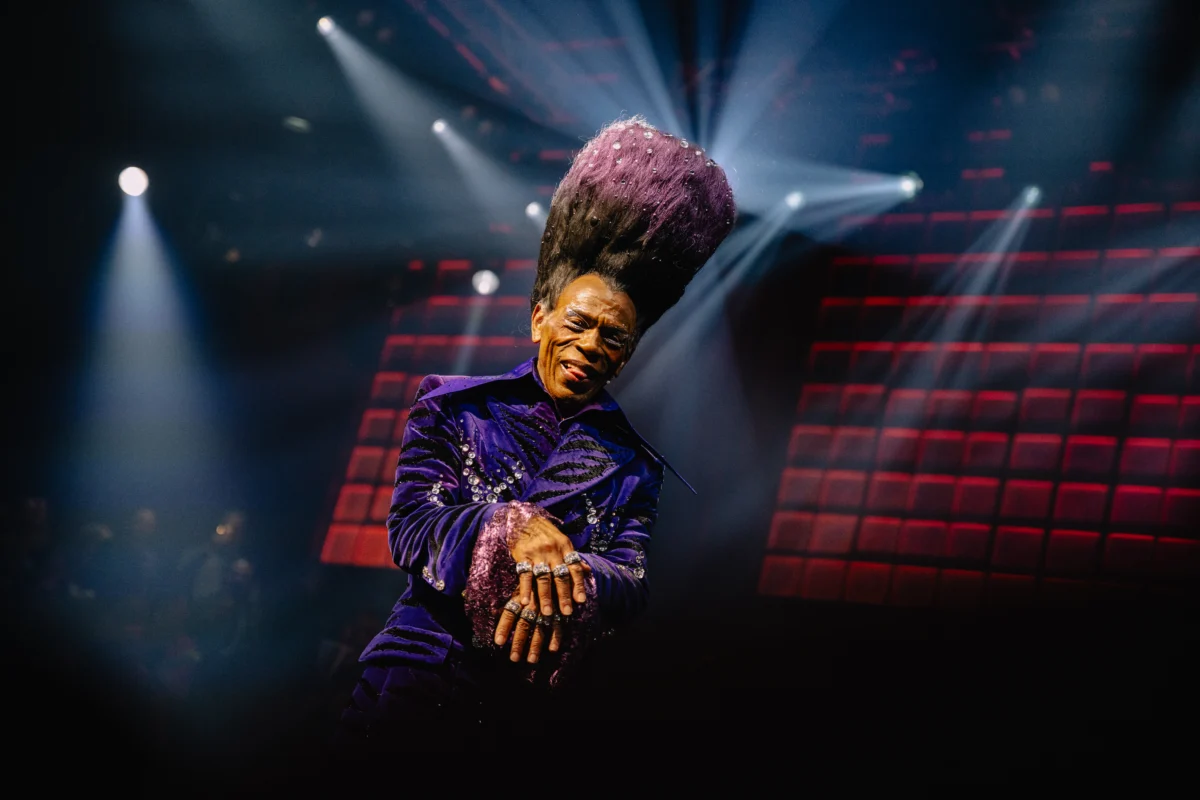
Among the most anticipated newcomers is Cats: The Jellicle Ball, which began its preview residency at the Broadhurst Theatre. The production represents a radical departure from the original Andrew Lloyd Webber staging, reimagining the feline-centric narrative within the context of contemporary ballroom culture. This creative pivot appears to have resonated with audiences immediately; the show played to 100 percent capacity across its first four preview performances. It brought in a robust $612,084, signaling strong momentum ahead of its scheduled opening on April 7. The production’s journey to the Broadhurst follows a highly successful and critically lauded run Off-Broadway last spring, proving that experimental takes on classic intellectual property can command significant commercial interest.
Simultaneously, the James Earl Jones Theatre welcomed The Fear of 13, a psychological drama starring Academy Award winner Adrien Brody and Tessa Thompson. The play, which arrives in New York following a celebrated run on London’s West End, explores the harrowing true story of Nick Yarris, who spent 22 years on death row. In just three preview performances, the production earned $474,131, maintaining a 98 percent capacity. The presence of high-caliber Hollywood talent has historically served as a reliable driver for Broadway attendance, and The Fear of 13 appears to be following that trend as it prepares for its April 15 opening.
At the Hayes Theater, owned by the nonprofit Second Stage, the revival of Becky Shaw saw a healthy start. Starring Patrick Ball of The Pitt and Alden Ehrenreich of Weapons, the play grossed $213,904 over five previews. Despite being a smaller-scale production compared to the massive musicals nearby, it achieved 97 percent capacity. Originally seen Off-Broadway in 2008, Gina Gionfriddo’s sharp-witted comedy is scheduled to officially open on April 6, offering a counterpoint to the season’s heavier dramas.
The West End Influence and Heavyweight Revivals
The influence of the London stage continues to be a dominant theme this season. Giant, starring the venerable John Lithgow, moved into the Music Box Theatre following a successful run in the United Kingdom where it secured the Olivier Award for Best New Play. The production, which delves into the complexities of legacy and art, brought in over $1 million across seven performances. This figure includes press comps, yet the show still maintained a 98 percent capacity. With its official opening set for March 23, Giant is positioned as a frontrunner for the upcoming awards season, leveraging Lithgow’s critical prestige to maintain steady box office figures.
Another cinematic-to-stage adaptation, Dog Day Afternoon, is currently generating significant buzz at the box office. Starring Jon Bernthal and Ebon Moss-Bachrach—both of whom have seen their profiles rise significantly following the success of the television series The Bear—the play earned $1.2 million across seven previews. Playing to a perfect 100 percent capacity, the production is scheduled to open on March 30. The combination of a gritty, well-known story and "it-factor" casting has made this one of the most difficult tickets to secure this month.
Not to be outdone, the revival of Arthur Miller’s Death of a Salesman at the Winter Garden Theatre has also crossed the million-dollar threshold. Starring Nathan Lane and Laurie Metcalf, the production brought in $1.05 million over seven previews with 96 percent capacity. As it heads toward an April 9 opening, the production relies on the immense theatrical pedigree of its leads to breathe new life into a staple of the American canon.
The Jonathan Groff Phenomenon and Record Grosses
While the new previews provided a substantial boost, the week’s most remarkable financial story belonged to Just In Time. The production broke its own all-time box office record for the second consecutive week, amassing a staggering $1.9 million across eight performances. The demand for the show has pushed attendance to over 100 percent capacity, utilizing standing-room-only tickets to accommodate the overflow.
The primary driver for this surge is the impending departure of star Jonathan Groff, whose final performance is scheduled for March 29. As fans scramble to see the Tony-nominated actor before his exit, the average ticket price has skyrocketed to $327.96, a significant jump from the previous week’s average of $294.42. This pricing strategy reflects the "event theater" status that Just In Time has achieved, ranking it as the fifth highest-grossing show on Broadway last week. Industry analysts suggest that the "Groff effect" demonstrates the immense economic power of a single performer’s star turn in a limited engagement.
Maintaining the Status Quo: The Industry Titans
Despite the influx of new shows and the temporary surge of Just In Time, the top of the leaderboard remains occupied by Broadway’s perennial "Big Four." These long-running hits continue to provide the bedrock of the industry’s financial stability.
- Harry Potter and the Cursed Child: Reclaimed the top spot with $2.6 million in weekly grosses. Its continued dominance is attributed to its high-tech spectacle and massive appeal to international tourists.
- Hamilton: Followed closely with $2.4 million, maintaining its status as a cultural phenomenon nearly a decade after its debut.
- The Lion King: Brought in $2 million, benefiting from the spring break travel season and family-oriented audiences.
- Wicked: Earned $1.9 million, rounding out the top tier and proving the enduring popularity of the Oz-themed prequel.
The consistency of these productions allows the industry to take risks on newer, more experimental works like Cats: The Jellicle Ball or the dark drama of The Fear of 13.
Timeline of Upcoming Broadway Openings
The next month is characterized by a dense schedule of official openings, each serving as a milestone for the shows currently in previews. The chronological order of these openings is as follows:
- March 23: Giant (Music Box Theatre)
- March 30: Dog Day Afternoon (Theater TBA)
- April 6: Becky Shaw (Hayes Theater)
- April 7: Cats: The Jellicle Ball (Broadhurst Theatre)
- April 9: Death of a Salesman (Winter Garden Theatre)
- April 15: The Fear of 13 (James Earl Jones Theatre)
Each of these dates represents the culmination of weeks of technical rehearsals and preview adjustments. For the actors and creative teams, these openings mark the transition from the experimental preview phase to the scrutinized "frozen" version of the show that will be reviewed by the New York Drama Critics’ Circle and Tony Award nominators.
Broader Implications and Industry Outlook
The 12 percent rise in grosses is a welcome sign of health for an industry that has faced a complex recovery period over the last few years. The diversification of the Broadway "portfolio"—ranging from reimagined classics and West End imports to star-driven limited engagements—suggests a robust strategy to capture various demographic segments.
However, the high average ticket prices seen in shows like Just In Time raise ongoing questions regarding accessibility. While the $327.96 average helps the industry reach record revenue goals, it also highlights the growing divide between commercial hits and the broader public’s ability to attend. Nonprofit houses like Second Stage, through productions like Becky Shaw, continue to play a vital role in providing a more accessible entry point for theatergoers, even as their grosses remain lower than the commercial behemoths.
Furthermore, the strict deadline of April 26 for 2026 Tony Awards eligibility (as dictated by the current season’s unusual scheduling) has created a "bottleneck" effect. This concentration of openings in March and April leads to a saturation of the media landscape, where shows must compete aggressively for column inches and social media engagement.
As the industry moves toward the summer, the focus will shift from the initial excitement of previews to the sustainability of these runs. The departure of stars like Jonathan Groff will test the resilience of productions that have leaned heavily on individual celebrity appeal. Nevertheless, the current data suggests that Broadway remains a vital economic engine for New York City, with the spring season providing the necessary momentum to carry the industry into the lucrative summer months. The mix of high-concept revivals and dramatic star vehicles has, for the moment, created a winning formula for theater owners and producers alike.