The Narrative Framework of Bunnylovr
The story centers on Rebecca, a protagonist whose life exemplifies the "hazy middle ground" often occupied by young adults in a gig-economy-driven society. Her existence is compartmentalized into three distinct spheres. By day, she occupies a menial office position that offers financial stability but lacks any semblance of personal fulfillment. In her private hours, she operates as a cam girl, an occupation that provides her with a sense of agency and a significantly higher income stream, albeit one mediated through a digital interface.
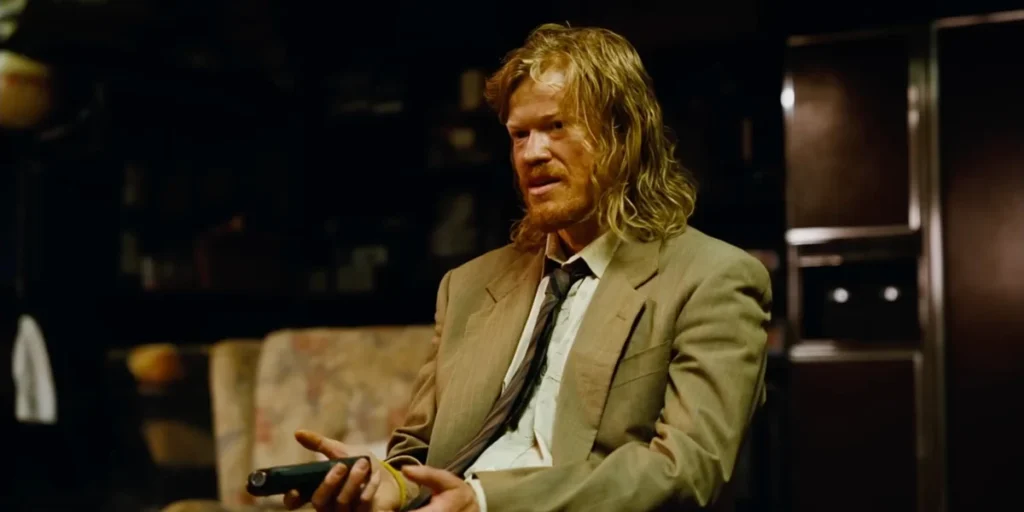
The third sphere involves her interpersonal relationships, which are characterized by varying degrees of detachment. Her social circle is anchored by her friend Bella, played by Rachel Sennott, and a cyclical relationship with an ex-boyfriend. However, the narrative’s primary tension arises from two specific male figures: her dying father, portrayed by Perry Yung, and a persistent online client named John, played by Austin Amelio. John’s behavior escalates from standard viewership to intrusive "super-fan" territory, sending gifts—including a live rabbit—and requesting private interactions that blur the professional boundaries of Rebecca’s digital work.
Production Background and Creative Vision
Katarina Zhu’s dual role as creator and star places Bunnylovr within the tradition of auteur-driven independent cinema. The film was developed with an emphasis on "naturalism," a stylistic choice intended to reflect the unvarnished reality of the modern experience. The project was acquired for distribution by Utopia, a company known for supporting subversive and artistically distinct independent films.
The film’s development coincides with a broader cinematic trend exploring the "creator economy." Unlike previous decades where sex work was often depicted through the lens of tragedy or criminality, Bunnylovr treats Rebecca’s camming as a pragmatic, if emotionally complex, career choice. The creative team aimed to capture the specific "melancholy" of Gen Z and Millennial demographics—a feeling of being hyper-connected through social media yet profoundly isolated in physical reality.
The Socio-Economic Context of Digital Sex Work
To understand the environment in which Bunnylovr is set, it is necessary to examine the real-world data regarding the digital adult industry. Since 2020, platforms like OnlyFans and various camming sites have seen exponential growth. According to industry reports, the global amateur and independent adult content market has shifted from the fringes to a multi-billion dollar sector.
In 2023, data indicated that the number of "creators" on these platforms had increased by over 40% year-over-year. For many young people, this work serves as a response to the "menial office job" fatigue depicted in the film. The financial data suggests that while a small percentage of creators earn substantial wealth, the majority use the platforms to supplement income in high-cost-of-living urban areas. Bunnylovr reflects this reality, positioning Rebecca’s camming not as a "secret life" of shame, but as a necessary and even empowering component of her financial survival.
Cast Analysis and Character Archetypes
The casting of Bunnylovr brings together a mix of established independent film stalwarts and rising talents.
- Katarina Zhu (Rebecca): Zhu’s performance is noted for its restraint. By portraying Rebecca as "aimlessly drifting," she captures the existential crisis of a generation that feels over-stimulated but under-valued.
- Rachel Sennott (Bella): Known for her high-energy roles in Shiva Baby and Bodies Bodies Bodies, Sennott delivers a more subdued performance here. Her presence provides a grounded counterpoint to Rebecca’s digital escapism.
- Austin Amelio (John): Amelio, recognized for his work in The Walking Dead franchise, portrays the "toxic client" with a nuanced balance of charm and menace. His character represents the "parasocial relationship" phenomenon, where digital consumers feel a sense of ownership over the creators they follow.
- Perry Yung (The Father): Yung’s role facilitates the film’s exploration of legacy and reconciliation. The strained father-daughter dynamic serves as the emotional anchor, contrasting the transactional nature of Rebecca’s online interactions with the permanent, often painful, bonds of family.
Technical Direction and Cinematographic Style
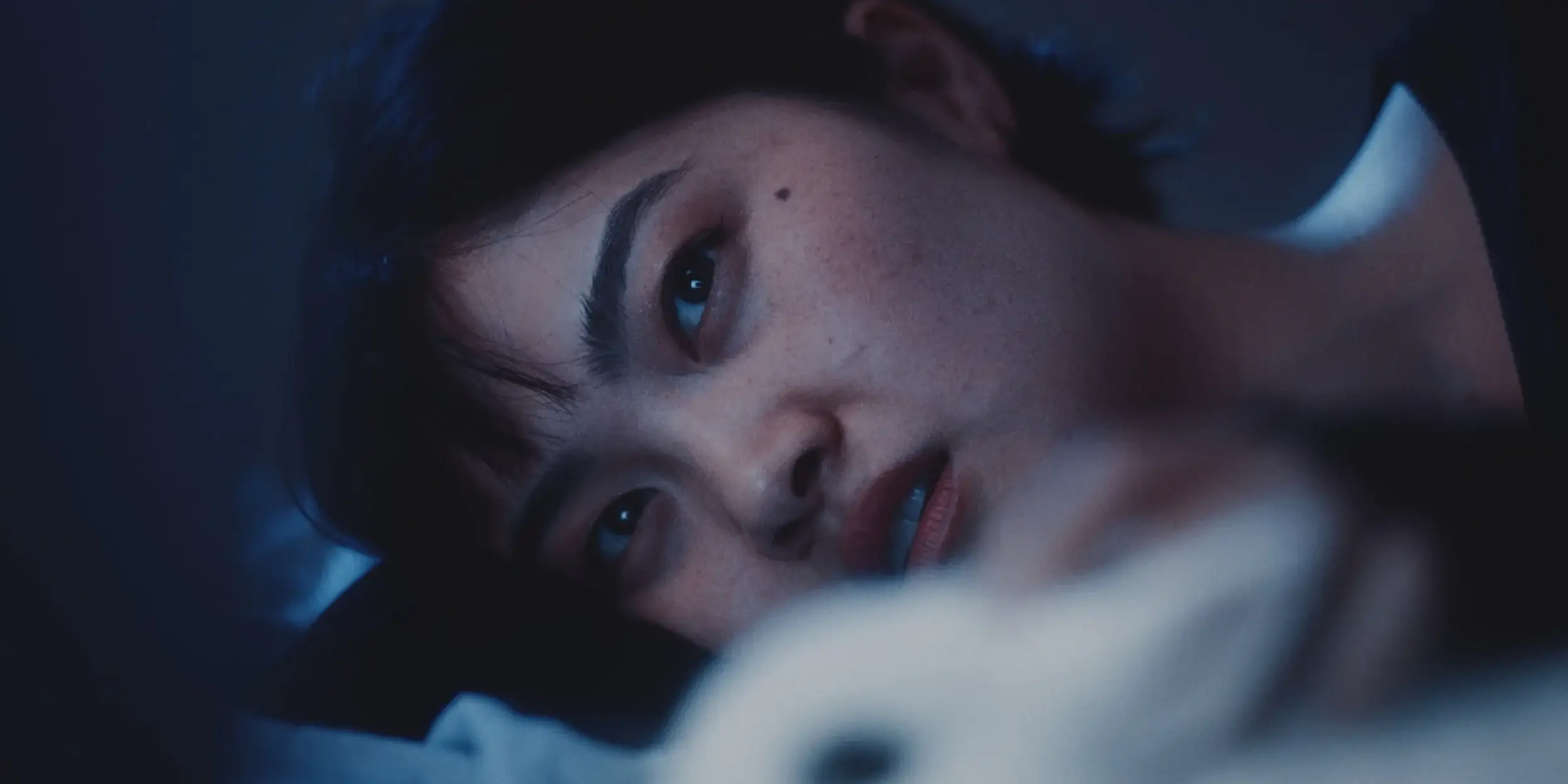
The film’s visual language is a critical component of its storytelling. The cinematography utilizes a "hazy" and "opaque" lens, a deliberate choice intended to mirror Rebecca’s clouded emotional state. The use of stark close-ups serves to heighten the sense of isolation, even when the screen is filled with chat messages from an audience.
With a running time of 86 minutes, the film avoids the bloat of traditional dramas, opting instead for a "listless" and "meandering" narrative structure. While some critics have noted that this lack of momentum can make the story feel "inconsistently engaging," proponents of the film argue that the pacing is an intentional reflection of the protagonist’s own lack of direction. This stylistic approach aligns with the "mumblecore" movement, where dialogue and atmosphere take precedence over traditional plot beats.
Chronology of Development and Release
The timeline of Bunnylovr highlights its journey from a niche independent project to a distributed feature:
- Scripting and Pre-production: Katarina Zhu developed the script with a focus on the "insidious undercurrents" of online relationships.
- Filming: The production utilized locations that emphasized the contrast between the cold, sterile office environment and the intimate, yet artificial, space of the camming room.
- Festival Circuit: The film was showcased at various independent film festivals, where it garnered attention for its realistic portrayal of digital labor.
- Acquisition: Utopia secured the distribution rights, recognizing the film’s appeal to younger audiences and its timely themes.
- Trailer Release: The official trailer was released, highlighting the tension between Rebecca’s real-world responsibilities and her digital persona.
- Full Release: The film was made available through select theatrical screenings and digital platforms, aiming to reach the "digitally native" demographic it depicts.
Official Responses and Industry Reception
While official statements from the production team emphasize the film’s "naturalism," the critical response has been categorized as a "mixed but intriguing portrait." Utopia’s marketing strategy for the film has focused on its "authenticity," a keyword often used to describe the performances of Zhu and Sennott.
In interviews, the cast has discussed the importance of depicting the "uniquely difficult time" faced by current generations. Austin Amelio has remarked on the challenge of playing a character who inhabits the "dangerous attraction to violent urges" found in some corners of the internet. Meanwhile, Rachel Sennott’s involvement has been praised as a "display of range," further solidifying her status as a leading figure in contemporary independent cinema.
Cultural Implications of the Digital "Melancholy"
Bunnylovr contributes to a growing body of work that examines the "existential crisis" of the 21st century. By focusing on a cam girl, the film addresses the commodification of the self. In an era where "meaningful connections" are increasingly difficult to find, the film posits that technology acts as both a bridge and a barrier.
The broader implications of the film lie in its refusal to offer easy resolutions. Rebecca’s struggle with her father’s mortality and her client’s toxicity are not solved by the film’s end; instead, they are presented as ongoing conditions of her life. This mirrors the reality for many individuals who exist in the "hazy middle ground" of modern adulthood.
Furthermore, the film highlights the shift in family dynamics. The "absentee father" trope is updated for an era where reconciliation is complicated by the daughter’s digital autonomy. The film suggests that while technology has fundamentally altered societal functions, the internal struggle for self-identity remains a persistent human constant.
Conclusion and Market Placement
As an 86-minute character study, Bunnylovr occupies a specific niche in the current film market. It avoids the sensationalism of mainstream thrillers in favor of a "grounded, realistic" approach. For audiences interested in the intersection of technology and human emotion, the film offers a textured, if occasionally fractured, exploration of what it means to be "seen" in the digital age.
The film stands as a testament to the evolving landscape of independent filmmaking, where creators like Katarina Zhu are able to explore complex, often taboo subjects with a high degree of creative control. While its "languid progression" may not appeal to all viewers, its attention to detail and naturalistic performances ensure its place in the conversation regarding the future of digital-age narratives. By grounding its story in the familiar struggles of work, family, and the search for connection, Bunnylovr provides a mirror to the anxieties of a generation navigating an increasingly opaque world.