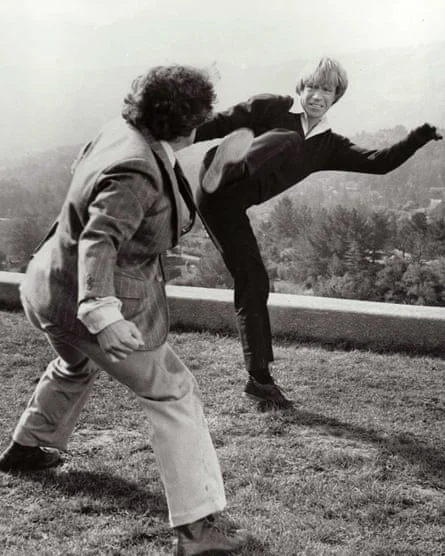
The legacy of Chuck Norris, a towering figure in action cinema and a distinguished martial arts champion, is indelibly etched into the annals of film history. His iconic presence, particularly in the realm of 1980s action, defined a generation of cinematic heroes. From his legendary confrontation with Bruce Lee in "The Way of the Dragon" to his commanding roles in a string of high-octane films, Norris cultivated a persona that resonated with audiences worldwide, embodying a unique blend of formidable physical prowess and unwavering moral conviction. This exploration delves into the multifaceted career of Chuck Norris, examining his formative years, his cinematic breakthroughs, and the enduring impact of his on-screen characters.
The Genesis of a Legend: From Martial Arts to the Silver Screen
Born Carlos Ray Norris on March 10, 1940, in Ryan, Oklahoma, his early life was marked by a modest upbringing and a burgeoning passion for martial arts. Norris enlisted in the United States Air Force in 1958, serving as an air policeman in South Korea. It was during this period that his dedication to martial arts truly solidified. He earned black belts in Tang Soo Do and Judo, and began developing his own discipline, Chun Kuk Do, which emphasized practical self-defense and a holistic approach to martial arts. His military service provided him with discipline and a global perspective, laying the groundwork for his future endeavors.
Upon returning to the United States, Norris established a chain of karate schools, quickly gaining recognition for his exceptional skills and teaching abilities. His transition to Hollywood was a natural progression, fueled by his growing fame in the martial arts community.

The Iconic Clash: "The Way of the Dragon" and the Rise of an Action Star
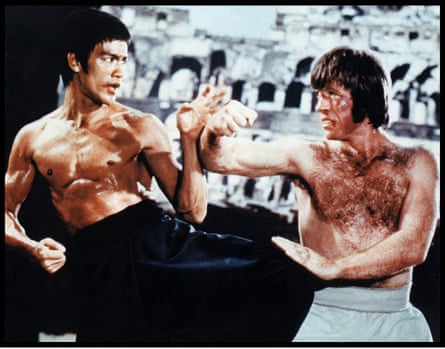
A pivotal moment in Chuck Norris’s career, and indeed in martial arts cinema, was his unforgettable performance as Colt in the 1972 film "The Way of the Dragon," directed by and starring Bruce Lee. This cinematic showdown, set against the backdrop of Rome’s Colosseum, pitted Norris’s imposing physique and powerful fighting style against Lee’s agile and philosophical approach. Norris, characterized as a larger, more rugged American fighter, presented a compelling foil to Lee’s "ascetic young master." The contrast in their on-screen archetypes—Lee the embodiment of Eastern philosophy and disciplined grace, Norris the formidable Western warrior—created a captivating spectacle that cemented both actors as international martial arts icons. This film not only showcased Norris’s martial arts expertise but also highlighted his screen presence, signaling his potential as a leading man.
The film’s success transcended cultural boundaries, and its fight choreography remains legendary. The visceral intensity and strategic brilliance of their duel demonstrated a new level of cinematic combat, influencing countless action films that followed. The film’s global release saw it perform exceptionally well, further bolstering Norris’s international appeal.
Defining the Occidental Action Hero: A Tradition of Strength and Resolve
Norris quickly carved out a niche as a quintessential action hero, embodying the tradition of the "occidental action hero" who seamlessly blended Eastern martial arts mastery with a rugged, Western sensibility. His physical presence—larger, bulkier, and exuding a raw, American energy—contrasted with the more sculpted physiques of some contemporaries. However, this distinctiveness became his trademark. He was adept with firearms, a skill that complemented his hand-to-hand combat abilities, creating a versatile and formidable on-screen persona.
His acting career saw him often cast in roles that mirrored his martial arts background. Films like "Good Guys Wear Black" (1978), where he portrayed Major John T. Booker, a special forces operative betrayed by Washington politicians, tapped into a narrative of righteous vengeance against corrupt systems. This role, revived for a cameo in "The Expendables 2," underscored the enduring appeal of his character archetypes.
Auteur Collaborations and Cinematic Milestones
The 1980s proved to be a golden era for Chuck Norris’s film career, particularly through his collaborations with director Steve Carver. In "An Eye for an Eye" (1981), Norris starred as San Francisco detective Sean Kane, a cop driven to avenge his partner’s death. The film featured explosive action sequences, including a memorable fight scene where Kane, after being stripped of his badge, infiltrates a Triad-run drug cartel, reducing the surrounding furniture to splinters with his martial arts prowess. The film’s supporting cast included notable actors Richard Roundtree as Kane’s exasperated police chief and Christopher Lee as a supportive newspaper editor, adding gravitas to the narrative. This film exemplified Norris’s ability to carry a high-stakes action thriller, blending gritty detective work with spectacular martial arts combat.
A significant milestone in his career was "Lone Wolf McQuade" (1983), directed by Steve Carver. In this film, Norris portrayed J.J. McQuade, a Texas Ranger who operates with the autonomy of a medieval samurai. Set against the vast Texan landscape, McQuade’s detached nature and reliance on his .44 Magnum revolver echoed the stoic anti-heroes of Western cinema, such as Clint Eastwood’s "man with no name." The film’s climax, featuring McQuade escaping a burial by revving his car’s supercharger and driving out of the earth, became an iconic image of car-centric action and Norris’s indomitable spirit, further endearing him to his fan base. This film’s blend of Western grit and modern action solidified Norris’s status as a unique action star.
The Cannon Group Era: Profitable Ventures and Franchise Building
Chuck Norris became a cornerstone of the Cannon Group, helmed by producers Menahem Golan and Yoram Globus, a period that yielded a string of commercially successful films. These productions, often released on VHS, became staples of Friday night entertainment. "The Delta Force" (1986) is a prime example, a robust action adventure inspired by a real-life plane hijacking. The film offered a fictionalized, triumphant resolution, and notably featured Lee Marvin in his final on-screen appearance as Norris’s commanding officer, Colonel Alexander. The collaboration between Norris and the veteran actor added a layer of seasoned professionalism to the film.
The "Missing in Action" trilogy (1984-1988) further cemented Norris’s status as a franchise lead. These films, akin to the "Rambo" series, focused on the plight of prisoners of war during the Vietnam War, emphasizing the heroic lone warrior’s triumph over military disaster. Norris, wielding his signature weaponry, became the symbol of defiance and resilience in these narratives. The films resonated with audiences grappling with the lingering impact of the Vietnam War, offering a cathartic, albeit fictionalized, sense of closure and victory.
"Invasion USA" and the Spectacle of Cold War Action
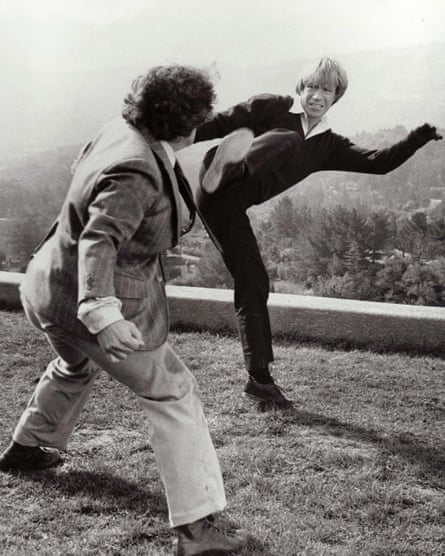
In "Invasion U.S.A." (1985), Norris confronted a full-scale invasion of Miami by Soviet-backed Cuban communists, a narrative that tapped directly into the Cold War anxieties of the era. The film culminated in a massive shootout within a shopping mall, a setting that mirrored the everyday lives of its audience, heightening the sense of immediate threat. This film, like many of Norris’s ventures, blended patriotism with explosive action, positioning him as the ultimate defender of American values against foreign adversaries. The film’s dramatic tension and large-scale action sequences contributed to its popularity and further solidified Norris’s image as an unwavering protector.
Beyond the Big Screen: Television Stardom and Meme Culture
While his cinematic career reached its zenith in the 1980s, Chuck Norris’s impact extended into television. His starring role in the series "Walker, Texas Ranger" (1993–2001) brought his brand of righteous justice to a weekly audience, further cementing his image as a moral crusader. The show’s success demonstrated the enduring appeal of his persona and his ability to adapt to different media formats.
In more recent years, Chuck Norris has experienced a resurgence in popular culture through internet memes. These humorous, often exaggerated statements about his superhuman abilities and invincibility have introduced his legend to a new generation, highlighting the almost mythical status he achieved through his career. These memes, while lighthearted, underscore the profound and lasting impression he has made on popular culture.
The Enduring Legacy of a Martial Arts Icon
Chuck Norris’s career is a testament to the power of a singular, compelling on-screen persona. His ability to blend martial arts mastery with a rugged, American sensibility created a unique brand of action cinema that resonated with audiences for decades. From his iconic confrontation with Bruce Lee to his leading roles in a series of high-impact films, Norris embodied strength, determination, and a clear moral compass. His influence on the action genre is undeniable, and his legacy continues to be celebrated, not only through his extensive filmography but also through his enduring presence in popular culture. The analysis of his filmography reveals a consistent thematic thread of justice, resilience, and the triumph of the individual against overwhelming odds, a narrative that continues to captivate and inspire. His impact extends beyond mere entertainment, touching upon cultural dialogues regarding heroism, patriotism, and the enduring appeal of a straightforward, unyielding protagonist.