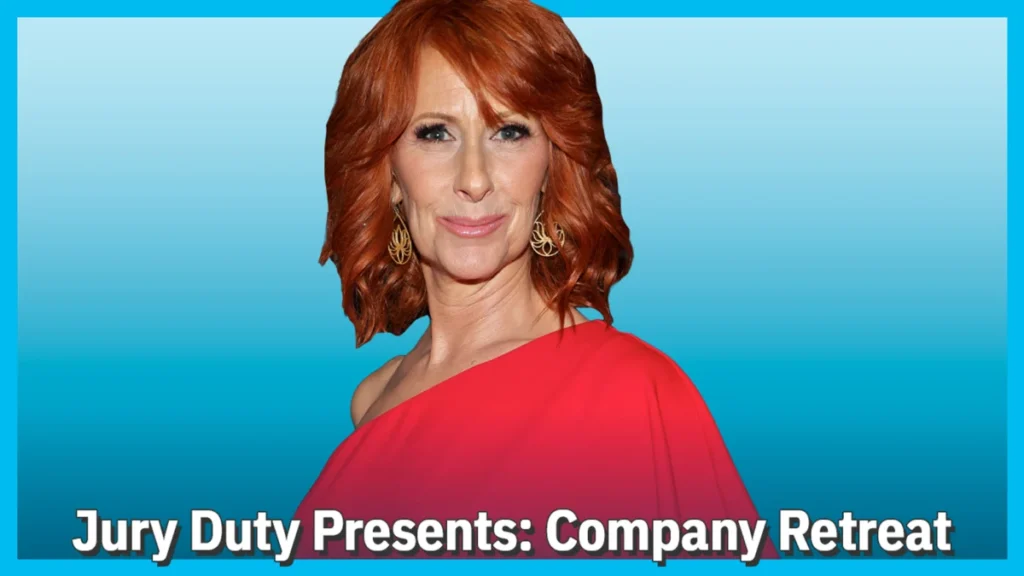
The HBO comedy series Rooster reached a narrative turning point in its fifth episode, titled Mr. Razzles, with the introduction of Elizabeth, a pivotal figure from the Ludlow University past and the personal history of the show’s protagonist. Portrayed by Emmy-nominated actress Connie Britton, Elizabeth’s arrival at the university for a high-profile dedication ceremony serves as the catalyst for a deep dive into the fractured dynamics of the Ludlow family. As the ex-wife of Greg (Steve Carell) and the mother of Katie (Charly Clive), Elizabeth represents the origin point of the family’s emotional complications, specifically regarding the themes of infidelity and the subjective nature of memory.
The episode marks a significant expansion of the show’s world, moving beyond the immediate academic setting to address the long-term consequences of a marriage’s collapse. For viewers following the series, Elizabeth has existed primarily as a phantom in Greg’s life—a source of lingering resentment and unresolved grief. Her physical presence on campus, necessitated by the dedication of a space named in her honor as a former student and benefactor, forces a confrontation that the narrative has been building toward since the pilot.
The Narrative Pivot: Mirroring Infidelity Across Generations
The core of the episode’s dramatic tension lies in the parallel between Elizabeth’s past and Katie’s present. It was established early in the season that Elizabeth’s marriage to Greg ended due to her infidelity, a betrayal that Greg has struggled to move past even years later. In a striking bit of narrative symmetry, Katie is currently navigating her own crisis following the infidelity of her husband, Archie (Phil Dunster). This mirroring allows the show to explore how children of divorce process their parents’ mistakes when they find themselves in similar circumstances.
Despite the pain Elizabeth caused Greg, Katie does not ostracize her mother. Instead, she seeks her counsel, recognizing that Elizabeth’s perspective as the "transgressor" in her own marriage might offer a unique form of wisdom. In a poignant scene highlighted by Britton, Elizabeth encourages her daughter to prioritize her own happiness and to be "more selfish." This advice is presented not as a justification for bad behavior, but as a revolutionary stance on female agency within a domestic structure. Britton’s portrayal suggests that Elizabeth’s decision to leave Greg was not born of malice, but of a desperate need to be seen as an individual rather than a projection of her husband’s ideals.
A Professional Reunion: Britton and Lawrence After Two Decades
Beyond the on-screen drama, the episode serves as a significant professional milestone for the creative team. The casting of Connie Britton reunites her with Rooster creator Bill Lawrence, marking their first collaboration since the late 1990s. Both Britton and Lawrence began their careers on the ABC sitcom Spin City, which was led by Michael J. Fox. For Britton, Spin City was her first major television role, and for Lawrence, it was his first time as a showrunner.
Britton’s involvement in Rooster was a last-minute arrangement, prompted by a direct outreach from Lawrence. The actress noted that the invitation felt like a full-circle moment, allowing both professionals to acknowledge how much they had grown since their formative years in the multi-camera sitcom era. Lawrence has since become one of the most prolific showrunners in Hollywood, with a resume that includes Scrubs, Ted Lasso, and Shrinking. Britton, meanwhile, has established herself as a leading dramatic and comedic force through roles in Friday Night Lights, Nashville, and The White Lotus.

The reunion also includes Alan Ruck, another Spin City veteran who is a regular cast member on Rooster. This concentration of talent from Lawrence’s early career highlights a recurring theme in his productions: the cultivation of a "family" atmosphere on set that allows for creative freedom and improvisational discovery. Britton noted that Lawrence’s sets are characterized by a lack of rigidity, which she credits for the high quality of the final product.
Character Analysis: The Subjectivity of the Ludlow Divorce
A central theme of Episode 5 is the discrepancy between how two people remember the same relationship. Greg continues to hold onto a sanitized, idealized version of his marriage to Elizabeth, symbolized by a specific photograph he keeps in his home. To Greg, the photo represents a time of happiness and stability; to Elizabeth, it represents a period where she felt invisible and misunderstood.
Britton’s interpretation of the character provides insight into why Elizabeth finds the photo triggering. She suggests that Greg was never truly able to see Elizabeth for who she was, preferring instead to view her as a character in his own life story. This disconnect is what ultimately led to the infidelity—a search for a reality where she could be seen clearly. The episode argues that while Elizabeth was the one who physically left the marriage, the emotional breakdown was a collaborative failure.
This nuance is a hallmark of the writing by executive producer Matt Tarses and the creative team. By refusing to paint Elizabeth as a simple villain, the show elevates itself from a standard sitcom into a more complex exploration of human relationships. The "trio" scenes featuring Carell, Britton, and Clive showcase a family that has reached a state of "functional dysfunction." They are able to interact with genuine affection and humor, yet the underlying scars of their shared history remain visible.
Chronology of the Ludlow Family Crisis
To understand the weight of Elizabeth’s arrival in Episode 5, it is helpful to look at the timeline of events as established throughout the first half of the season:
- The Original Fracture: Years prior to the start of the series, Elizabeth cheats on Greg while they are living at Ludlow, leading to a high-profile divorce within the university community.
- Greg’s Stagnation: Following the divorce, Greg remains at Ludlow, essentially frozen in time and unable to move on emotionally, while Elizabeth moves away and achieves independent success.
- Katie’s Marriage: Katie marries Archie, seemingly finding the stability her parents lacked, only to discover Archie’s infidelity shortly after moving back to Ludlow.
- The Dedication Ceremony: Elizabeth returns to campus in Episode 5 for a ceremony honoring her contributions to the university, forcing the family back into the same physical space.
- The Confrontation: The family navigates the dedication, leading to the pivotal advice session between Elizabeth and Katie and the awkward but revealing interactions between Elizabeth and Greg.
Production Context and Implications for Season 1
Rooster occupies a critical slot in HBO’s Sunday night programming, a space traditionally reserved for high-prestige dramedies. The series benefits from the star power of Steve Carell, whose return to television has been met with significant critical interest. The addition of Connie Britton, even in a recurring capacity, further solidifies the show’s pedigree.
The "Mr. Razzles" episode functions as a "proof of concept" for the show’s ability to balance broad comedy with genuine emotional stakes. The chemistry between Carell and Britton is immediate, grounded in decades of professional experience. Their scenes together are characterized by a "shorthand" that effectively conveys years of shared history without the need for extensive exposition.

Looking ahead, the producers have confirmed that Elizabeth’s presence will continue to be felt as the season progresses. While she may not be a permanent fixture at Ludlow, her vow to return more frequently suggests that the healing process for Greg and Katie is only just beginning. The introduction of her character has successfully shifted the narrative focus from Greg’s internal moping to a more active exploration of how the family can move forward.
Broader Impact and Thematic Significance
The portrayal of divorce in Rooster reflects a broader trend in modern television toward "conscious uncoupling" narratives. Rather than focusing on the immediate explosion of a marriage, shows like Rooster explore the long-tail effects—the way a divorce continues to evolve 10, 15, or 20 years after the papers are signed.
Elizabeth represents a modern archetype of the "difficult woman" who refuses to apologize for seeking a life that fulfills her. By framing her infidelity through the lens of a search for identity rather than a simple moral failing, the show invites the audience to consider the complexities of domestic unhappiness. Furthermore, the advice she gives Katie suggests a generational shift in how women view their roles within the family unit.
As Rooster moves into the second half of its debut season, the impact of Episode 5 will likely be measured by how Katie applies her mother’s "selfish" philosophy to her own marriage. Will she attempt to reconcile with Archie, or will she follow Elizabeth’s lead and strike out on her own? Regardless of the outcome, the arrival of Elizabeth has ensured that the stakes for the Ludlow family are higher than ever.
The series continues to air Sundays at 10/9c on HBO, with streaming available on Max. As the narrative threads of legacy, infidelity, and academic politics continue to intertwine, Rooster remains a sharp, insightful look at the messy reality of growing up—and moving on—at any age.