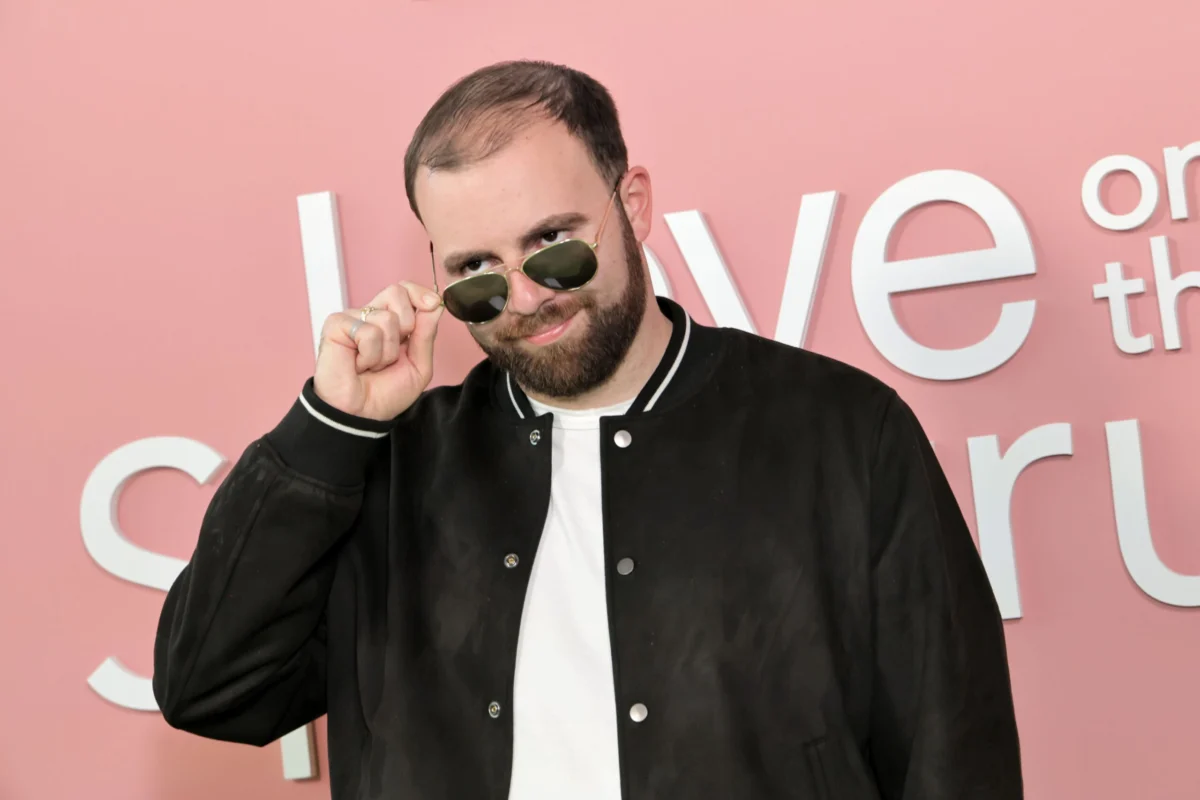
Connor Tomlinson, a central figure and breakout star of the Netflix docuseries Love on the Spectrum, has officially confirmed his departure from the main cast ahead of the show’s fifth season. The announcement, made during a comprehensive interview with the digital outlet Swooon, marks a significant transition for the series, which has relied on Tomlinson’s candid and often humorous journey toward finding companionship as a primary narrative arc for several years. While Tomlinson expressed a continued desire to find a long-term partner, he clarified that his pursuit of romance will no longer be conducted under the lens of reality television cameras, signaling a shift in his personal priorities and professional trajectory.
The decision comes in the wake of emotional developments chronicled in the show’s fourth season, which served as a catalyst for Tomlinson’s reevaluation of his role within the franchise. Fans of the series, which follows autistic individuals as they navigate the complexities of dating and relationships, have watched Tomlinson evolve from a hesitant newcomer into one of the most recognizable faces of neurodivergent representation in modern media. His exit raises questions about the future casting direction of the series and highlights the unique pressures faced by participants in "wholesome" reality programming.
The Chronological Evolution of a Fan Favorite
Tomlinson’s journey with Love on the Spectrum began during the show’s second U.S.-based season, where he was introduced as a resident of Atlanta, Georgia, living with his supportive family. At the outset, Tomlinson was depicted as a man with a deep passion for history and a sophisticated vocabulary, yet one who struggled with the sensory and social anxieties inherent in the dating world. His early dates, characterized by his "checklists" for a perfect partner and his visible nervousness, resonated deeply with audiences, leading to a surge in social media following and critical acclaim for his authenticity.
By Season 3, Tomlinson’s narrative reached a high point when he met Georgie Harris. Their connection was immediate and seemingly profound, providing the show with one of its most celebrated success stories. The couple’s relationship progressed off-camera, and for over a year, they were held up as a testament to the show’s mission of facilitating genuine human connection. However, Season 4 introduced a somber update for viewers. The latest installments revealed that Tomlinson and Harris had ended their relationship. This development was a significant plot point, illustrating the reality that even the most promising connections formed on the show face the same hurdles as any other romantic endeavor.
Following the breakup, Tomlinson’s appearances in the latter half of Season 4 focused on his resilience and his return to the dating pool. However, the emotional toll of public breakups and the repetitive nature of televised dating appear to have influenced his decision to step back. In his recent statements, Tomlinson indicated that while he remains open to love, the "main cast" commitment—which requires significant filming hours and the orchestration of dates by production—is no longer the right fit for his current life stage.
Analyzing the Impact of Love on the Spectrum
To understand the weight of Tomlinson’s departure, one must look at the broader success of the Love on the Spectrum franchise. Originally an Australian production created by Cian O’Clery for the ABC, the format was adapted for American audiences by Netflix in 2022. The series has become a critical darling, winning multiple Primetime Emmy Awards, including Outstanding Unstructured Reality Program.
The show’s success is reflected in its viewership data. According to Nielsen’s streaming charts, Love on the Spectrum frequently enters the Top 10 most-watched programs during its release weeks, often outperforming higher-budget scripted dramas. Its appeal lies in its subversion of traditional reality TV tropes; rather than focusing on manufactured conflict or "villain" edits, the show emphasizes empathy, patience, and the universal desire for belonging.
From a sociological perspective, the show has played a pivotal role in increasing the visibility of the autistic community. According to the Centers for Disease Control and Prevention (CDC), approximately 1 in 36 children in the United States is identified with autism spectrum disorder (ASD). As these individuals age into adulthood, the challenges of social integration and romantic fulfillment become prominent. Data from the National Institutes of Health (NIH) suggests that autistic adults often report higher levels of loneliness and lower rates of long-term partnership compared to the neurotypical population. By featuring stars like Tomlinson, the series provides a platform that challenges stereotypes and fosters a more inclusive understanding of neurodiversity.
The Relationship Dynamics: Connor and Georgie
The dissolution of the relationship between Connor Tomlinson and Georgie Harris remains a point of intense interest for the show’s dedicated fanbase. During their time together, the pair shared several milestones, including meeting each other’s families and attending public events. Their breakup, while amicable, underscored the difficulties of maintaining a relationship under the scrutiny of a global audience.
In his interview with Swooon, Tomlinson noted that the decision to split was mutual and based on a realization that they were better suited as friends. This level of maturity has been a hallmark of Tomlinson’s time on screen. However, the public nature of their romance meant that every update was analyzed by thousands of viewers. For many participants in reality dating shows, the transition from "cast member" to "real-life partner" is fraught with the pressure to perform for the audience, a factor that can strain even the strongest bonds.
Official Responses and Production Implications
While Netflix and the show’s production team have not issued a formal "farewell" statement, sources close to the production suggest that the parting is entirely amicable. The producers of Love on the Spectrum have historically maintained a flexible relationship with their cast, allowing individuals to return for multiple seasons or exit as their personal lives dictate.
The departure of a "tentpole" cast member like Tomlinson presents a creative challenge for Season 5. Tomlinson provided a consistent emotional anchor for the show. His family, particularly his mother Lise, became integral characters in their own right, offering a glimpse into the support systems that are vital for neurodivergent adults. The production will likely look to introduce new participants to fill the void, though the "returning cast" format has been a key driver of the show’s continuity and emotional investment.
Inferred reactions from the autism advocacy community suggest a mix of sadness and support. Advocates have long argued that reality TV participants should have the agency to leave the spotlight when it no longer serves their mental health or personal goals. Tomlinson’s move is seen by many as a healthy exercise of boundaries, prioritizing his genuine search for a partner over the demands of a television schedule.
Future Prospects and Career Trajectory
Despite his exit from the dating-centric narrative of Love on the Spectrum, Tomlinson’s time on camera is far from over. He has hinted at a "blossoming on-camera career" that moves beyond the confines of reality dating. This transition follows a trend of reality stars leveraging their initial fame to move into hosting, voice acting, or advocacy work.
Tomlinson’s articulate nature and ease in front of the camera make him a natural candidate for public speaking or media consulting. He has already begun building a brand on social media, where he engages with fans on topics ranging from history to his daily life as an autistic adult. By stepping away from the "dating" label, Tomlinson has the opportunity to redefine himself as a multi-faceted media personality rather than just a "searcher for love."
Broader Industry Trends: The Ethics of Neurodivergent Casting
Tomlinson’s departure also brings to light the evolving ethics of casting neurodivergent individuals in reality television. While Love on the Spectrum is widely praised for its respectful tone, the industry at large is still grappling with how to balance entertainment value with the genuine needs of its participants.
The "reality TV effect" can be particularly intense for individuals who process social cues differently. The demand for "authentic moments" can sometimes conflict with the need for routine and clear boundaries. Tomlinson’s decision to continue his romantic life in private serves as a reminder that for many, the ultimate goal of these shows—finding a partner—is a private milestone that does not always require a public audience.
As Love on the Spectrum prepares for its fifth season, the legacy of Connor Tomlinson remains a significant part of its history. He successfully humanized the complexities of the spectrum for millions of viewers, proving that the desire for connection is a universal human experience, regardless of neurotype. While he will no longer be a fixture of the series’ main roster, his impact on the landscape of inclusive television is likely to endure as he embarks on his next professional and personal chapters.