Nineteen years ago, on March 16, 2005, a film that would become a curious footnote in early 21st-century horror cinema was released: Dead Silence. While its anniversary may not register as a monumental occasion for many, for dedicated followers of the genre, particularly those who keenly observe the trajectory of burgeoning talent and the reception of ambitious, albeit flawed, projects, it presents an opportune moment for re-evaluation. The film, a collaboration between director James Wan and writer Leigh Whannell, who would later achieve global acclaim for their work on the Saw franchise and Insidious and The Conjuring series, was met with a tepid commercial and critical response. Yet, as time has a way of recontextualizing artistic endeavors, a retrospective examination of Dead Silence prompts a critical question: was its initial failure a definitive condemnation of its quality, or was it a case of a film that arrived before its audience was fully ready to embrace its particular brand of macabre storytelling?
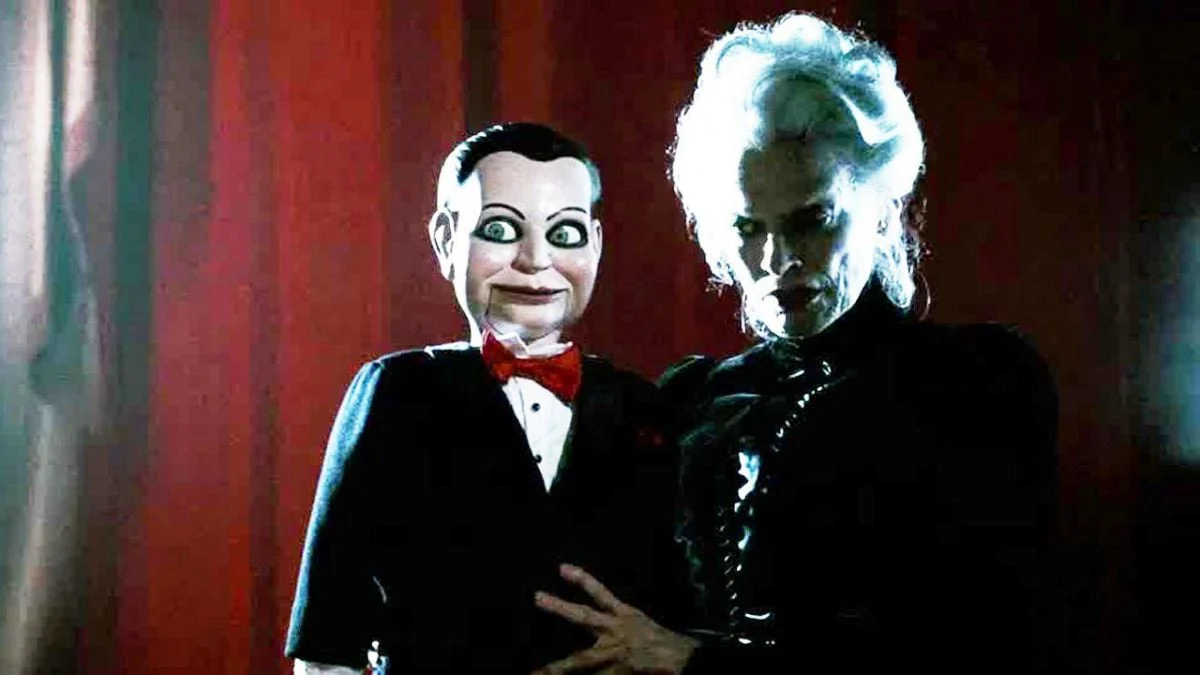
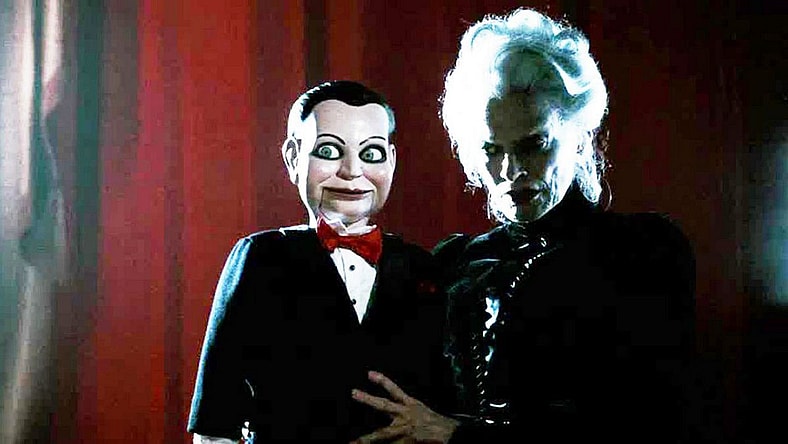
The landscape of horror cinema in the mid-2000s was distinct from today’s. The "torture porn" subgenre, heavily influenced by Saw, was reaching its zenith, prioritizing visceral gore and intricate traps. Amidst this trend, Dead Silence presented a different kind of terror, leaning into supernatural elements, eerie atmosphere, and the unsettling nature of ventriloquist dummies, a trope with a long and chilling history in horror. Films like Magic (1978) and The Dolls (1987) had explored similar themes, but Dead Silence aimed to inject a contemporary sensibility into the narrative. The film’s narrative centers on Jamie Ashen (Ryan Kwanten), a man whose seemingly idyllic life is shattered by the brutal murder of his wife, Lisa (Laura Regan). The circumstances surrounding Lisa’s death are inextricably linked to a mysterious ventriloquist dummy, a sinister artifact that arrives shortly before the tragedy. As Jamie becomes the prime suspect, pursued by Detective Jim Lipton (Donnie Wahlberg), he is compelled to return to his unsettling hometown of Raven’s Fair. There, he seeks to uncover the truth behind his wife’s demise, a quest that inevitably draws him into the dark legend of Mary Shaw, a purportedly malevolent ventriloquist whose legacy haunts the town.

The Genesis of a Flawed Gem
The production of Dead Silence occurred during a pivotal period for its creative team. James Wan and Leigh Whannell had already established a significant presence in the horror genre with the groundbreaking success of Saw in 2004. Dead Silence, released by Universal Pictures, was intended to showcase their versatility and explore a more traditional supernatural horror narrative. However, the film’s reception was starkly different from that of Saw. Critics were divided, with many deeming it derivative or underwhelming. Slant Magazine, for instance, characterized it as "a wannabe shock fest," while Fangoria warned potential viewers that they might be "let down." The film grossed a mere $14.1 million against its estimated $20 million budget, marking it as a commercial disappointment.
Unpacking the Strengths: A Precursor to Future Successes
Despite its initial reception, a closer inspection of Dead Silence reveals elements that foreshadow the successful stylistic and thematic explorations Wan and Whannell would later master. The film’s atmospheric construction, particularly its evocation of a decaying, haunted small town, bears a resemblance to the unsettling environments that would define films like Insidious and The Conjuring. The deliberate use of creepy puppets with exaggerated features, the fascination with antiquated aesthetics, and the construction of a palpable sense of dread are all present. These elements, when revisited, suggest a creative team experimenting with a toolkit that would later prove highly effective.
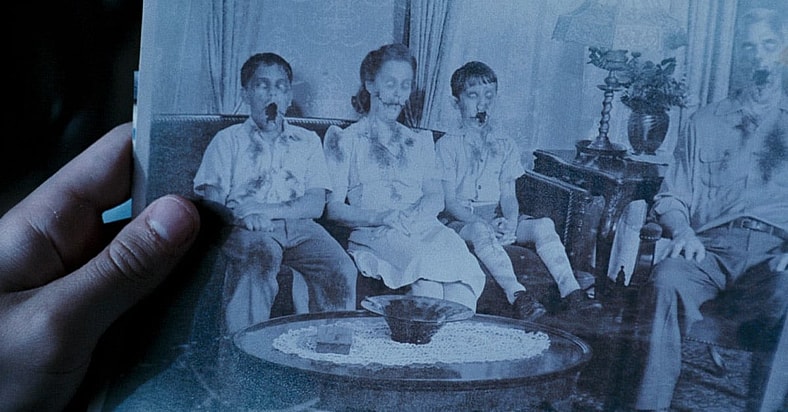
The film is replete with deliberate nods to classic horror cinema, particularly the gothic sensibilities of Hammer Film Productions. The name "Raven’s Fair" itself evokes a sense of foreboding and theatricality. The inclusion of the Guignol Theater, a reference to the historic Théâtre du Grand-Guignol in Paris, known for its gruesome and sensational performances, further underscores the film’s theatrical and grotesque aspirations. This is evident in sequences featuring unnervingly animated corpses and a graveyard perpetually shrouded in artificial fog, contributing to a stylized, almost operatic, horror. The recurring motif of photographs depicting Mary Shaw’s victims, their mouths agape as if silenced, serves as a chilling visual representation of the film’s central theme. Furthermore, a particularly memorable and disturbing flashback involving clam chowder adds a layer of dark, almost absurd, humor to the proceedings, a characteristic that would later become a hallmark of Wan’s directorial style.
The performances, often cited as a weakness upon release, can be reinterpreted as a conscious stylistic choice. The "wooden" delivery, particularly by Amber Valletta as Jamie’s stepmother Ella, becomes more impactful when considering the film’s narrative twist. Her portrayal, when understood in retrospect, adds a layer of eerie prescience. Beyond Valletta, Michael Fairman’s portrayal of Henry, a mortician with a deep connection to Mary Shaw’s past, delivers one of the film’s most unsettling moments. His childhood encounter with Shaw, culminating in the discovery of her lifeless body with a face fixed in a doll-like mask, is a striking and enduring image of horror, comparable to the claustrophobic terror found in films like Caveat.
Identifying the Weaknesses: Narrative Stumbles and Character Deficiencies
However, Dead Silence is not without its significant shortcomings, which contributed to its initial dismissal. A pervasive issue is the overreliance on exposition. The film frequently interrupts its build-up of suspense with lengthy explanations that, rather than deepening the mystery, tend to dilute it. The narrative rules, such as the admonition not to scream when encountering Mary Shaw, are repeated multiple times, bordering on redundancy. The protagonist, Jamie Ashen, also struggles to resonate with the audience. Introduced as a seemingly ordinary individual, his character lacks compelling depth or relatable motivations, making it difficult for viewers to invest emotionally in his plight. While his role as an "everyman" might be intended to facilitate audience identification, his passive reactions, such as his seemingly understated response to discovering his wife’s corpse, make him a less engaging anchor for the narrative. Compared to the more eccentric supporting characters, such as the compulsively shaving Detective Lipton or the enigmatically giggling Lisa, Jamie often fades into the background.
The film’s pivotal twist, while conceived with intent, is undermined by its execution. The rapid-fire flashbacks, a technique that proved effective in Saw for parceling out narrative information, feel jarring and somewhat comical in Dead Silence, detracting from the intended dramatic impact. This narrative approach, while aiming for intricacy, ultimately leads to a less cohesive and satisfying resolution.
The Verdict: A Divisive Legacy Worth Reconsidering
On its 19th anniversary, Dead Silence stands as a testament to the subjective nature of cinematic reception. While it may not achieve the status of a universally acclaimed masterpiece, its flaws do not entirely negate its merits. The film occupies a unique space, a "four-star two-star movie" that showcases the early creative impulses of James Wan and Leigh Whannell. The divisive reactions it garnered in 2007 are understandable, given its unconventional approach to horror and its narrative imperfections. However, for fans of the genre and those who appreciate the evolution of filmmaking talent, Dead Silence offers a valuable glimpse into the formative stages of two of modern horror’s most influential figures.
The film’s initial assessment may have been overly harsh, perhaps influenced by the prevailing trends of the era. While it may not be a perfect film, it is undeniably an entertaining one, rich with atmospheric dread and a distinct visual style. As Dead Silence approaches its 20th anniversary, it is perhaps time to acknowledge that this unsettling puppet tale, while perhaps buried prematurely, still has the capacity to speak, offering a chilling reminder of the creative sparks that would ignite some of the most successful horror franchises of the 21st century. Its legacy is not one of outright failure, but rather of a bold, if imperfect, experiment that deserves a more nuanced appreciation.