A new Japanese drama titled Dog on the Moon (Japanese: 月の犬) is slated for a theatrical release across Japan on April 24, 2026. The film, distributed by Shibuya Production, marks the latest directorial effort from Takeshi Yokoi, who also assumes the roles of writer and editor for the project. Yokoi’s continued engagement with character-driven narratives is a hallmark of his filmmaking, and this upcoming feature is anticipated to further explore the intricate psychological landscapes of its protagonists.
Thematic Core and Narrative Framework
At its narrative heart, Dog on the Moon intertwines the destinies of three distinct individuals, drawing them together through shared experiences of despair and the faint, yet persistent, glimmer of transformative change. The central figure is Higashijima, a former yakuza member whose life took a drastic turn following the tragic death of his beloved wife. Plagued by a profound sense of guilt and responsibility for a loss he believes he could have prevented, Higashijima abandons the criminal underworld, seeking an escape from his past. His journey leads him to an unfamiliar town, where he attempts to forge a quiet, detached existence. This self-imposed isolation begins to unravel, however, when he encounters Saori, a woman who perceives a familiar resonance within him, drawing him into her sphere of influence. Her presence acts as a subtle, yet potent, force challenging his resolve to remain sequestered.
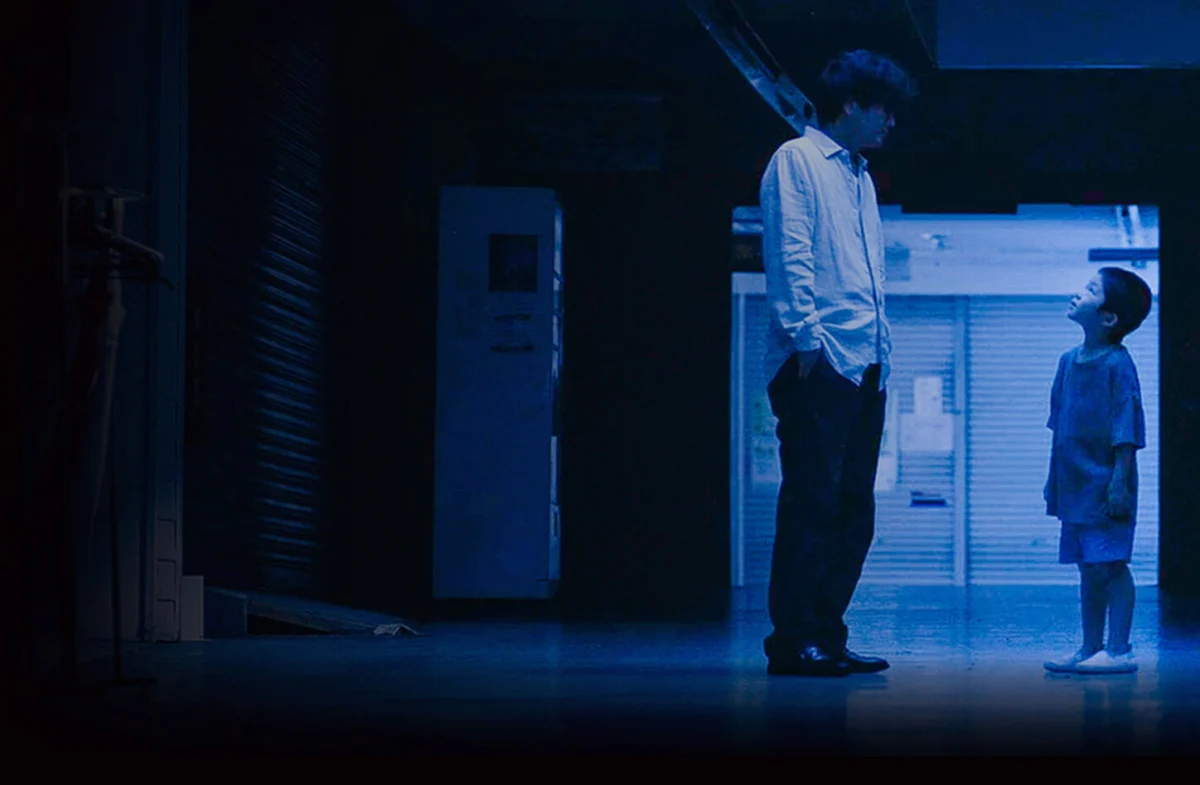
Simultaneously, Minami, a member of a different criminal organization, grapples with the pervasive monotony and existential emptiness of his daily life. Yearning for a disruption to his stagnant routine, he finds himself intrigued by Higashijima. This intrigue culminates in a pivotal decision: Minami entrusts Higashijima with the care of a mysterious young boy named Shogo. Shogo, who speaks cryptically of a "dog on the moon," serves as the catalyst that ignites a chain reaction, gradually altering the trajectories of all involved characters. This enigmatic phrase, "dog on the moon," is expected to be a central symbolic motif, potentially representing unattainable desires, a guiding light in darkness, or a shared delusion that binds these disparate lives. The narrative promises a deep dive into themes of redemption, the burden of guilt, the search for meaning, and the unexpected connections that can emerge from the depths of human despair.
A Visionary Director: Takeshi Yokoi’s Trajectory
Takeshi Yokoi’s involvement as director, writer, and editor underscores his comprehensive artistic vision for Dog on the Moon. Known for his meticulous approach to storytelling and his ability to elicit nuanced performances from his cast, Yokoi has consistently demonstrated an interest in the human condition, often focusing on individuals navigating personal crises or societal fringes. His previous works, while varied in genre, frequently share a common thread of psychological depth and an exploration of how past traumas shape present identities. While specific details of his earlier filmography are not provided in the initial announcement, industry observers familiar with Japanese independent and arthouse cinema would recognize Yokoi’s commitment to narrative integrity over commercial spectacle. His films often prioritize character development and thematic resonance, relying on intricate plotting and evocative visual storytelling to convey complex emotional states. This pattern suggests that Dog on the Moon will be less about external action and more about the internal struggles and evolving relationships between its protagonists. The decision for Yokoi to handle writing and editing further indicates a desire for complete creative control, ensuring that the film’s vision remains uncompromised from conception to final cut. This holistic approach is often lauded in critical circles for producing cohesive and singularly authored cinematic experiences.
Star-Studded Ensemble and Character Portrayals
The casting for Dog on the Moon features a compelling mix of veteran talent and respected actors, signaling the film’s artistic ambitions. Leading the cast as Higashijima is the esteemed actor Masato Hagiwara. Hagiwara is renowned in Japanese cinema and television for his profound ability to portray characters burdened by inner turmoil, often combining a hardened exterior with glimpses of profound vulnerability. His extensive career, spanning several decades, includes acclaimed performances in films such as "The Cuckoo’s Nest" (1994), "Tokyo Sonata" (2008), and "A Long Goodbye" (2017), where he has consistently demonstrated a capacity to convey complex emotional layers without resorting to overt melodrama. His portrayal of Higashijima, a former yakuza marked by grief yet capable of unexpected tenderness, is anticipated to be a powerful and multi-faceted performance, tapping into his established strengths in depicting characters undergoing profound internal conflict and seeking atonement.
Joining Hagiwara is Motoki Fukami as Minami. Fukami, known for his versatile performances in both film and television, often brings a restrained yet volatile presence to his roles. His previous work has showcased an ability to embody characters caught between resignation and an underlying yearning for change, making him a fitting choice for Minami, a man struggling with the emptiness of his routine and seeking disruption. His performances in dramas such as "Confessions" (2010) and "Rurouni Kenshin" series (2012-2021) have earned him critical praise for his intense portrayals.
Yuka Kurotani takes on the role of Saori, the character described as the connective force between Higashijima and Minami. Kurotani is celebrated for her nuanced portrayals of strong, independent women who often serve as catalysts for change in the lives of those around them. Her filmography includes a range of roles that highlight her ability to convey empathy and resilience, making her an ideal choice to embody Saori’s intuitive understanding and her capacity to draw Higashijima out of his self-imposed isolation. Her presence is expected to provide emotional depth and grounding to the film’s intricate character dynamics.
The supporting cast further strengthens the ensemble, featuring notable names such as Sora Shibuya, Kiyosuke Yabe, Eriko Nakamura, Suzu Hirose, Hideko Hara, and Susumu Terajima. Susumu Terajima, in particular, is a prolific actor with a storied career, often associated with yakuza films and known for his distinctive presence and ability to portray both menacing and subtly empathetic characters. His inclusion, alongside a blend of established and rising talents like Suzu Hirose (known for her performances in "Our Little Sister" and "The Third Murder"), suggests a carefully curated cast designed to bring a rich tapestry of performances to the screen.
Shibuya Production and Theatrical Distribution
The distribution of Dog on the Moon is being handled by Shibuya Production, a company known for its strategic involvement in the Japanese film industry. While specific details about Shibuya Production’s historical output were not provided in the original brief, their role as distributor for a film of this caliber, featuring a respected director and a strong ensemble cast, implies a significant presence within the Japanese theatrical landscape. Distributors like Shibuya Production play a crucial role in the lifecycle of a film, from securing exhibition slots in cinemas to developing comprehensive marketing campaigns that resonate with target audiences. Their choice to back Dog on the Moon suggests confidence in its artistic merit and commercial viability within the niche of character-driven dramas.
The release date of April 24, 2026, places Dog on the Moon within a potentially competitive spring film season in Japan. This period often sees a mix of domestic dramas, international releases, and family-oriented films. A late April release, positioned before the traditional Golden Week holidays in early May, can be strategic. It allows the film to build critical buzz and word-of-mouth momentum before the holiday rush, potentially extending its theatrical run. Successful marketing for a film like Dog on the Moon would likely emphasize its compelling narrative, the depth of its characters, and the powerful performances of its lead actors, targeting an adult audience appreciative of introspective and emotionally resonant cinema.
Context of the Japanese Film Industry
The Japanese film industry, a vibrant and historically rich sector, continues to evolve in the 21st century. While animated films and popular genre blockbusters often dominate the box office, there remains a robust market for independent and art-house dramas that explore complex social and psychological themes. Films like Dog on the Moon cater to a discerning audience that values storytelling, character development, and directorial vision.
In recent years, the Japanese film industry has navigated challenges posed by the rise of streaming services and shifting audience consumption habits. However, theatrical releases for high-quality domestic dramas continue to draw significant attention, particularly when backed by established talent and compelling narratives. The critical reception and box office performance of films with similar thematic depth, such as those by Hirokazu Kore-eda or Ryusuke Hamaguchi, demonstrate that there is a dedicated audience for thoughtful, character-centric cinema. These films often gain international recognition, further boosting their domestic profiles.
The production timeline for a film of this scale, from conception to a 2026 release, typically involves several years of development, pre-production, principal photography, post-production, and strategic marketing. Given the director’s multi-faceted role, it’s plausible that the project has been a labor of love for Yokoi, allowing ample time for script refinement and meticulous planning.
Anticipated Impact and Critical Reception
Dog on the Moon is poised to be a significant entry in the 2026 Japanese film calendar. Its intricate narrative, coupled with the talent of Takeshi Yokoi and a formidable cast led by Masato Hagiwara, suggests a film that will resonate with both critics and audiences who appreciate profound storytelling. The themes of guilt, redemption, and the search for connection are universal, offering potential for both domestic acclaim and international festival recognition.
Industry analysts will closely watch how the film’s nuanced character study and symbolic elements are received. A positive critical reception could further solidify Takeshi Yokoi’s reputation as a director with a unique voice and an unwavering commitment to artistic integrity. For the lead actors, Dog on the Moon provides an opportunity to deliver powerful, memorable performances that could garner awards consideration and further enhance their already distinguished careers.
Moreover, the enigmatic title and the core motif of the "dog on the moon" are likely to generate discussion and interpretation, adding layers of intellectual engagement for viewers. If successfully executed, the film could contribute to the ongoing legacy of Japanese cinema in producing deeply moving and thought-provoking dramas that transcend cultural boundaries. The film’s success will not only be measured in box office numbers but also in its ability to spark dialogue, evoke empathy, and leave a lasting impression on its audience, reaffirming the enduring power of character-driven narratives in the cinematic landscape.