The grimy, rain-slicked alleyways of Hole, a slum-realm perpetually scarred by the magical fallout from a sorcerer-dominated world, serve as the unsettling backdrop for the critically acclaimed anime series Dorohedoro. This series, adapted from Q Hayashida’s manga, presents a universe where the lines between grotesque and captivating are irrevocably blurred, forcing viewers to confront a world of visceral violence, dark humor, and surprisingly resilient characters. The recent announcement of its second season has reignited interest in this unique narrative, prompting a deeper examination of its intricate world-building and thematic complexity.
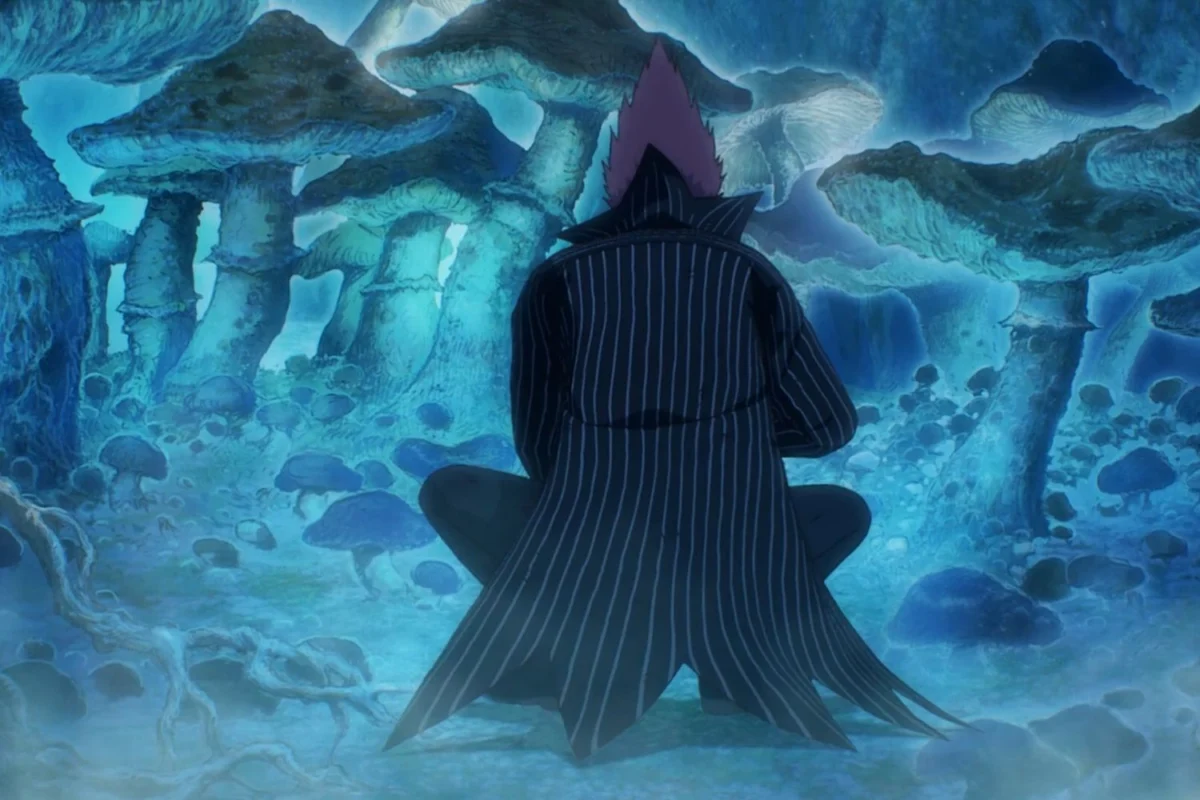
The narrative often begins with characters like Shin, a sorcerer whose unsettling heart-shaped mask belies his chilling abilities. Shin, a fan-favorite despite not being the central protagonist, embodies the series’ signature blend of menace and morbid fascination. His magic allows him to dismember individuals without killing them, a brutal yet effective method for interrogation. He operates alongside Noi, his imposing and cheerful partner, a healer who contrasts sharply with Shin’s grim profession. They are employed by En, a powerful sorcerer with the peculiar ability to transform anything into mushrooms. These individuals are part of an elite class of magic-users who, driven by boredom and a warped sense of curiosity, experiment on the downtrodden human inhabitants of Hole. This stark societal divide, where magic users hold absolute power and view humans as disposable, is a core element of Dorohedoro‘s grim reality. The existence of sorcerers is intrinsically linked to "devil tumors" that reside behind their eyes, a biological manifestation of their magical prowess and a constant reminder of their otherness.

Despite the inherent depravity and violence that permeate the series, Dorohedoro manages to elicit laughter and even a strange sense of affection for its characters. En’s darkly comedic pronouncements, such as describing candy-cane elf shoes as appropriate funeral attire or serving guests mushrooms that were once people, highlight the absurdity of his world. Shin’s pragmatic scolding of Noi for her choice of assassination tool, and Noi’s gleeful embrace of friendship even after a brutal confrontation with Nikaido, showcase a peculiar brand of camaraderie. These moments, woven into a tapestry of extreme violence and body horror, contribute to the show’s distinctive, almost surreal charm. The series is not afraid to be uncomfortable, yet it consistently finds ways to make the utterly despicable entertaining.
The imaginative scope of Dorohedoro is arguably its most compelling aspect. Few other anime series feature a protagonist like Caiman, a lizard-headed man whose primary method of investigation involves biting through the necks of sorcerers to extract information from the man living inside him. The depiction of magic itself is equally unconventional; it is portrayed as a toxic condensation that infects and warps the world of Hole, rendering literal radioactive fallout a comparatively mild affliction. The series is replete with bizarre wonders: a man with a turkey head crafts lifelike dolls from duck meat; En hosts macabre feasts where reanimated corpses hang from the ceiling; a sentient gyoza fairy is a recurring character; severed heads retain their consciousness, often for distinct and in-universe logical reasons; and a baseball field is decorated with sorcerers impaled on pikes, with a bottomless pit serving as a hazardous obstacle between bases. Each episode delivers an abundance of creative, disturbing, and utterly unique scenarios, a testament to the singular vision of mangaka Q Hayashida. Her distinctive, intricate art style and her profoundly unconventional imagination cultivated a significant cult following during the manga’s extensive run from 1999 to 2018.
MAPPA’s animated adaptation of Hayashida’s psychopathic saga, which premiered on Netflix in 2020, managed to capture the essence of the source material with both cinematic flair and dramatic fidelity. The series’ meticulous yet unconventional animation, which masterfully blends 2D and 3D elements, may have alienated some traditionalists. Furthermore, its release during the early stages of the COVID-19 pandemic meant that many viewers were perhaps less inclined to engage with its brand of dark humor and gore. However, the recent commencement of the second season has provided a renewed opportunity for audiences to delve into this "gross, nihilistic, overcomplicated delight of a nightmare story," as described by fans and critics alike.

The Wretched Labyrinth of Hole
The setting of Hole, far from being a mere backdrop, is a character in itself. While not directly comparable to the musical prowess of Courtney Love’s band, the anime undeniably embodies a grunge-esque aesthetic, evoking a sense of gritty authenticity that resonates with fans. The visual style and thematic elements lend themselves to interpretations that mirror the raw, unpolished energy of grunge music, making it fertile ground for fan creations like music videos.
Hole is depicted as a soiled, yet functional, metropolis. Despite the presence of bedraggled and mutated inhabitants, it possesses essential urban infrastructure, including public transportation, multiple hospitals, and a vibrant nightlife. Nikaido’s gyoza restaurant, the Hungry Bug, serves as a central hub for the main characters. The pervasive influence of sorcerers’ magic, treated as a toxic byproduct dumped onto Hole, severely compromises the quality of life. The environment is perpetually unclean, and the infrastructure is constantly on the verge of collapse. Bored sorcerers frequently open portals into Hole, engaging in debauchery or using its residents as unwilling test subjects for their dark magic.
Despite its grim reality, Hole is rendered with an astonishing level of detail and immersion. The visual representation of Caiman’s cramped apartment, complete with the lingering scent of stale beer cans and the tangible grime on pipes and windowsills, draws the viewer into its oppressive atmosphere. The toxic, magical fog that plagues its denizens seems to seep through the screen, making the setting feel palpably real. The backdrops are lushly detailed, creating an immersive experience that belies the city’s dire conditions.

The resilience of Hole’s population in the face of extreme adversity is one of the series’ most admirable qualities. Just as societies adapt to unprecedented global events like pandemics, the residents of Hole have become accustomed to their unique environmental horrors. Dismemberment is a daily possibility, yet life, in its own peculiar way, goes on. This tenacity, while born of necessity, offers a surprising source of inspiration. Similar to the lived-in realism of slums in films like District 9 or the immersive urban environments of Final Fantasy, the people of Hole evoke a sense of admiration. Even individuals who have suffered extreme magical alterations, such as a man whose head has been transformed into a cephalopod, continue to operate their businesses, like the barman who now drools into his patrons’ beers. The lack of basic morality among some of Hole’s residents is presented not as inherent wickedness, but as a survival mechanism in an impossible environment. Instead of succumbing to despair, they organize festivals to commemorate the nights the dead rise, finding joy and festivity in the macabre.
The Twisted Alchemy of Magic
The dichotomy between the sorcerer’s realm and Hole initially suggests a classic dystopia versus utopia narrative: imposing black towers against bright skies, ragged peasants against a fashionable elite, dirt against cleanliness. While elements of this contrast exist, the reality presented in Dorohedoro is far more nuanced. En, the formidable sorcerer, resides in a lavish mansion, and the air in the sorcerers’ realm is comparatively cleaner. Their use of magic facilitates travel, and their domain boasts elaborate architecture, gourmet dining, and grand social events.
However, the world of sorcerers is not always easily distinguishable from Hole in terms of its inherent decay. This ambiguity appears to be intentional. While sorcerers view humans as disposable, they often inhabit squalid living conditions themselves. The rain in Hole, a natural element, is unbearable to sorcerers, causing them physical illness. Beyond the plot-driven reasons for this aversion, the symbolism is potent: rain, a fundamental aspect of nature, actively repels these magically altered beings.

En’s mansion, despite its opulence, is overrun with fungus, and beneath the fungal growth, the interior is described as gaudy. Sorcerers, possessing the ability to acquire anything they desire, often choose to surround themselves with aesthetics that embrace ugliness and death. This affinity for wickedness aligns them with the capricious nature of mythical fae beings. Their society is structured around the ability to inflict disfiguring curses, leading to a fashion sense that includes skin masks and body horror adornments that would make even notorious figures like Ed Gein envious. This excess and indulgence are not limited to aesthetics; sorcerers engage in recreational drug use involving black magic and undergo surgeries to rectify magical dysfunctions. The entire system appears to be a competition of malevolence, punctuated by acts of extreme violence.
A particularly illustrative example of this twisted reality occurs when Caiman and Nikaido visit a restaurant in the sorcerer’s realm. The establishment proudly advertises its "fire-flushing toilet." Shortly after their meal, Caiman experiences illness and rushes to the restroom, only to find hellfire erupting from the toilet bowl, nearly scorching his scales. A nearby placard reveals the toilet’s function, boasting that guests can enjoy the sounds of "real screams from hell" for a minute after flushing. Caiman’s bewildered declaration, "Sorcerers are a bunch of weirdos," encapsulates the show’s central thesis. This sentiment can be extrapolated to suggest that the ruling class, regardless of their specific nature, often exhibits a penchant for extreme indulgence and cruelty, a point that Q Hayashida seems to relish exposing. The sorcerers may believe they have successfully offloaded their worst elements onto Hole, but the pervasive corruption and depravity are, in fact, intrinsic to their own nature.
Redemption, when it occurs in Dorohedoro, is often as unconventional as the world itself. The dynamic between Shin and Noi, contract killers and cleaners, exemplifies genuine care amidst their grim professions. Shin, who was raised in Hole by his human father before his magical abilities manifested, possesses a rebellious spirit. He wears his anatomical heart mask backward and revels in bloodshed. Noi, a cheerful and sometimes naive murderer, harbors a hidden intellectual depth. Their banter is as entertaining as their combat prowess. While not morally upright individuals, they represent a complex tapestry of characters where traditional notions of good and evil are frequently subverted.

The Playful Embrace of Violence
The pervasive violence in Dorohedoro is undeniable. Characters are routinely dismembered, skinned, and decapitated. Ebisu, a young sorceress, suffers the gruesome degloving of her face in the pilot episode, a recurring injury that becomes a dark running gag. Severed limbs fly through the air, mushrooms sprout from eye sockets, and hearts are punched through chests.
However, the gore in Dorohedoro is not merely gratuitous; it is creative and playful, echoing the spirit of films like The Evil Dead or Peter Jackson’s Braindead. This violence is indiscriminate, non-sexualized, and remarkably inventive, stemming from the collision of monstrous magic and brute force. It is visceral and often amusing, with body horror serving as a functional element of Q Hayashida’s storytelling. As viewers become more immersed in the series, the gore tends to lose its initial shock value, becoming an accepted part of the world’s fabric, with the repeated mistreatment of Ebisu being a notable exception where the humor often falters. From the outset, the series plunges viewers into its brutal reality, encouraging adaptation rather than repulsion. While Dorohedoro is far from a wholesome viewing experience, it offers a unique perspective on desensitization to violence, demonstrating that even extreme gore can be palatable when infused with humor.
The series’ capacity to extract humor from scenes of decadent violence is a delicate balancing act. This contrasts sharply with works like Berserk, which, while also indulging in extensive violence, maintains a relentlessly grim tone. Berserk is celebrated as a legendary grimdark fantasy, whereas Dorohedoro attempts something different, and largely succeeds. The world Hayashida has created is as ludicrous as it is gory, imbued with an almost Halloween-esque festivity. Dorohedoro confronts horror and allows its audience to laugh in its face. If grimdark narratives weigh on the soul, the effect of "grimlight" stories remains to be fully understood. Is it inherently wrong to approach exaggerated violence with humor? The absence of sexual violence and the tendency for characters to be resurrected (or for those who remain dead to be less sympathetic than the protagonists) contribute to the series’ unique tone. Caiman’s immediate goals—discovering his past, identifying the man within him, and finding the sorcerer who cursed him—are direct and uncomplicated, mirroring the pragmatic approach to survival in Hole. He confronts his problems head-on, devours gyoza, and lives day by day, embodying a fundamental human drive to persevere even in the most corrupted of circumstances.