DreamWorks Animation, in collaboration with Universal Pictures, is set to release its highly anticipated original feature film, Forgotten Island, on September 25, following the recent launch of its official trailer. The project, which has been described by its creators and cast as an "experience to remember," delves deep into Philippine mythology, offering a vibrant narrative steeped in cultural authenticity and universal themes of friendship and memory. The film, written and directed by Joel Crawford and Januel Mercado, boasts an impressive voice cast including Grammy and Oscar winner H.E.R., Filipino-American star Liza Soberano, Broadway icon Lea Salonga, Dave Franco, Jenny Slate, and Manny Jacinto, signaling a significant moment for diverse storytelling in mainstream animation.
The Unveiling: Trailer Launch and Emotional Resonance
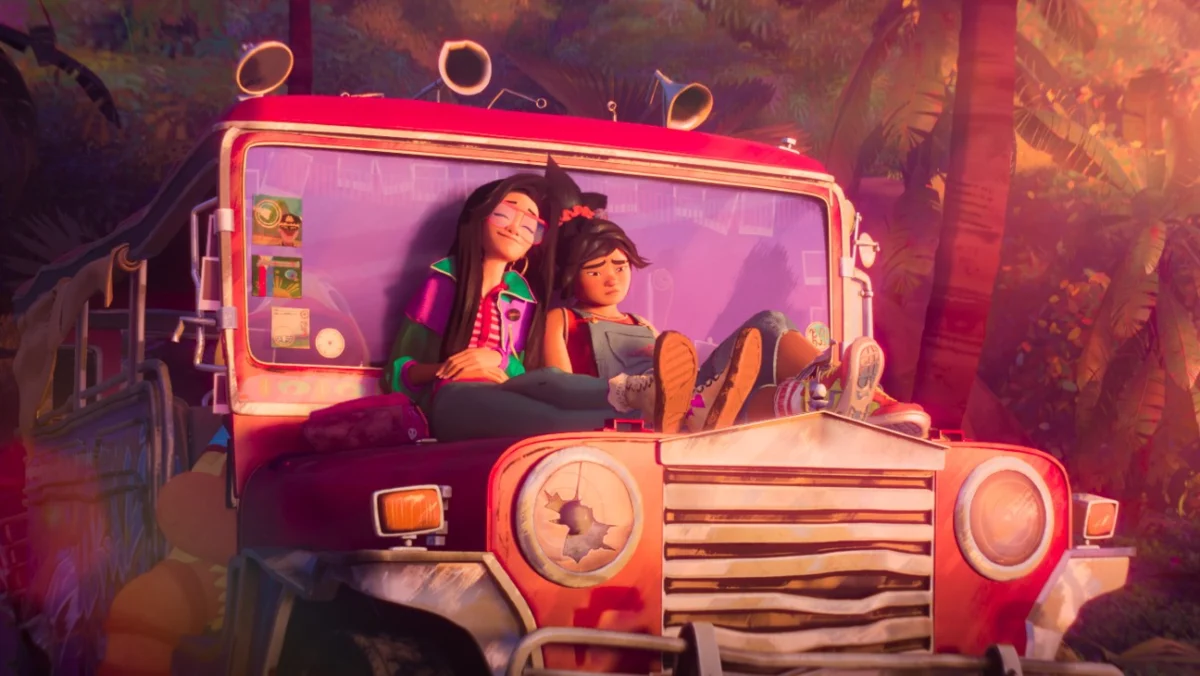
Universal Pictures formally released the captivating trailer for Forgotten Island on a Wednesday, generating immediate buzz and emotional reactions from both the creative team and anticipating audiences. The preview offered a glimpse into the magical world of Nakali, an island inspired by the rich tapestry of Philippine folklore, where two lifelong best friends, Jo (voiced by H.E.R.) and Raissa (voiced by Liza Soberano), find themselves stranded. Their only path home, as revealed in the trailer, hinges on a profound sacrifice: the potential loss of their most cherished shared memories. This poignant premise immediately resonated with themes of identity, heritage, and the enduring power of friendship.
During an exclusive event celebrating the trailer’s debut, the profound impact of the film’s cultural underpinnings became abundantly clear. H.E.R., whose real name is Gabriella Wilson, shared her deep personal connection to the project. "I was excited," the music sensation stated, reflecting on her involvement. "I get to share a piece of my childhood in this work and with the world. That’s super rewarding to me." For H.E.R., voicing a lead character in a film that invoked the very folklore creatures and stories her Filipino mother would recount during her upbringing was not merely a professional engagement but a deeply personal journey of cultural affirmation. This sentiment underscores a broader movement within the entertainment industry to embrace and authentically represent diverse cultural narratives, moving beyond superficial portrayals to genuine storytelling.
Liza Soberano echoed H.E.R.’s emotional response, particularly when discussing a key visual element in the trailer: a magical portal involving the sun, a symbol of immense cultural significance in the Philippines, prominently featured on its national flag and embedded in its historical narratives. "The first time I saw it, I cried," Soberano revealed, her voice tinged with pride. "I literally cried because I was just imagining all the children in the Philippines and what they would feel when they see it and just how proud they would feel to see something that beautiful representing our culture and our country on the big screen. It just felt like such a big moment." This powerful reaction highlights the often-underestimated impact of seeing one’s heritage authentically and beautifully depicted in global media, particularly for younger audiences who rarely encounter such representation. H.E.R. further affirmed this, stating, "The sun is a big symbol for us. To see it in a film — for kids, it just hits different. It’s definitely very emotional, and it’s very special."
Delving into Cultural Authenticity and Representation
Forgotten Island stands poised to be a landmark film in its commitment to showcasing Philippine culture and mythology. The decision to center the narrative on an island "rooted in Philippine mythology" is a deliberate and significant one. Philippine folklore is a vibrant and diverse tapestry of myths, legends, and superstitions, populated by a pantheon of deities, mythical creatures, and ancestral spirits that reflect the archipelago’s rich pre-colonial history and indigenous beliefs. From the benevolent diwatas (fairies or nature spirits) guarding forests and rivers to more fearsome entities like the aswang or manananggal, these stories are deeply embedded in the Filipino psyche and cultural identity. By drawing from this rich source material, Forgotten Island has the potential to introduce a global audience to a lesser-explored, yet incredibly fascinating, mythological landscape.
The emphasis on the sun as a pivotal symbol within the film further reinforces its cultural grounding. In Filipino culture, the sun is not merely an astronomical body; it is a powerful emblem of hope, new beginnings, freedom, and national pride. Its rays on the Philippine flag represent the country’s provinces, and its warmth symbolizes the spirit of the Filipino people. Its inclusion as a magical element in the film’s narrative suggests a deep respect for and integration of these cultural tenets, moving beyond mere aesthetic nods to weave them into the very fabric of the story’s magic system and emotional core. This careful integration promises a film that is not just "about" Filipino culture, but intrinsically Filipino in its essence, a distinction crucial for authentic representation. The film’s creative team has reportedly worked closely with cultural consultants to ensure accuracy and respect in its portrayal, reflecting a growing industry standard for culturally specific projects.
The significance of this representation extends beyond the Philippines to the global Filipino diaspora, a community of millions who often seek connections to their heritage through cultural touchstones. For Filipino children growing up outside their ancestral homeland, a film like Forgotten Island can serve as a vital link to their identity, fostering pride and understanding of their roots. This kind of media representation can also help combat stereotypes and broaden global perceptions of what constitutes "mainstream" animation.
The Creative Force: Friendship and Nostalgia as Storytelling Pillars
The narrative of Forgotten Island, centering on the unbreakable bond between Jo and Raissa, draws directly from the real-life friendship of its co-directors and writers, Joel Crawford and Januel Mercado. Their professional relationship blossomed while working together on DreamWorks’ critically acclaimed Kung Fu Panda 2, a project that itself showcased profound storytelling and artistic depth. Crawford articulated the genesis of the film’s core theme, stating, "I so quickly found a kindred spirit in my stupid humor, in my movie references — and, more than anything, a great friend who made me feel like I could be myself around him. When given the opportunity to tell a story of original story, I was like, ‘Friendship — it’s got to be about that.’" This personal connection to the theme imbues the film with an authentic emotional core, promising a relatable and heartfelt exploration of what it means to cherish and potentially lose, a profound connection.
Mercado further elaborated on another crucial creative decision: setting the movie in the 1990s. This choice was not arbitrary; it served as a means to tap into a formative and universally resonant period in the directors’ own lives. The 1990s, often remembered for its unique blend of burgeoning technology, distinct fashion, and cultural shifts, offers a rich backdrop for storytelling. While the specific decade holds personal meaning for Crawford and Mercado, they aimed for the theme of nostalgia to transcend specific generational experiences. "If you feel what we’re feeling, you’ll connect to that and remember what’s nostalgic for you, whether or not it is the ‘90s," Mercado explained. This approach broadens the film’s appeal, inviting audiences of all ages to reflect on their own formative years and the memories that shape them, thereby reinforcing the film’s central conflict around memory and loss. The aesthetic of the 1990s also allows for specific visual and auditory cues that can further enrich the film’s texture and appeal to audiences who grew up during that era.
A Stellar Ensemble: The Voice Cast Bringing Characters to Life
The voice cast assembled for Forgotten Island is a testament to DreamWorks’ commitment to both talent and authentic representation. Leading the ensemble are H.E.R. and Liza Soberano, whose personal connections to the film’s cultural themes have already been highlighted. H.E.R., a celebrated musician with multiple Grammy Awards and an Academy Award for Best Original Song, brings not only her distinctive vocal talent but also a profound understanding of storytelling through performance. Her transition into lead voice acting roles signals a growing trend of multi-talented artists expanding their creative horizons within Hollywood.
Liza Soberano, a prominent actress in the Philippines and increasingly recognized internationally, lends her voice and cultural perspective to Raissa. Her involvement is particularly significant for Filipino audiences, who have followed her career with immense pride. Her participation helps bridge the gap between Hollywood animation and the vibrant entertainment industry of Southeast Asia.
The cast is further bolstered by the legendary Lea Salonga, a global icon renowned for her groundbreaking roles as the singing voice of Princess Jasmine in Disney’s Aladdin and Mulan in Mulan, as well as her Tony Award-winning performance in Miss Saigon. Salonga’s inclusion is a powerful nod to her legacy as a trailblazer for Asian representation in Western entertainment, and her involvement lends an immediate sense of gravitas and cultural authenticity to the project. Her ability to convey deep emotion through voice acting will undoubtedly enrich the film’s narrative.
Rounding out the principal cast are familiar names such as Dave Franco, known for his roles in films like Now You See Me and The Disaster Artist; Jenny Slate, a versatile comedic actress and voice artist known for Zootopia and The Secret Life of Pets; and Manny Jacinto, recognized for his breakout role in The Good Place. Their collective experience and diverse talents promise a rich and engaging vocal performance that will bring the characters of Forgotten Island to life with humor, depth, and sincerity. This blend of established voice actors and acclaimed performers from various backgrounds creates a dynamic ensemble capable of delivering both comedic moments and profound emotional resonance.
DreamWorks Animation’s Evolving Legacy and Industry Impact
Forgotten Island represents a crucial step for DreamWorks Animation in its continued pursuit of original storytelling and cultural diversification. The studio, known for beloved franchises like Shrek, Kung Fu Panda, and How to Train Your Dragon, has a history of blending innovative animation with compelling narratives. Under the Universal Pictures umbrella, DreamWorks has been strategically balancing the development of new intellectual properties with the expansion of its established franchises. Forgotten Island falls firmly into the former category, showcasing the studio’s willingness to invest in unique, culturally specific stories that resonate on a global scale.
The film’s focus on Philippine mythology aligns with a broader industry trend towards inclusive and authentic storytelling in animation. Following the success of films like Disney-Pixar’s Coco (exploring Mexican culture) and Disney’s Raya and the Last Dragon (drawing inspiration from Southeast Asian cultures), there’s a clear demand for narratives that authentically represent diverse communities. Forgotten Island positions DreamWorks Animation as a key player in this movement, demonstrating a commitment to broadening the scope of animated storytelling beyond traditional Western narratives. This shift not only enriches the cinematic landscape but also opens new markets and fosters greater global understanding through shared stories.
The decision to develop an original story, rather than rely on pre-existing IP, speaks to DreamWorks’ confidence in the narrative’s inherent strength and universal appeal. Original animated features often face a steeper path to success compared to franchise installments, but they also offer the potential for groundbreaking storytelling and the creation of new, beloved worlds. The success of Forgotten Island could further embolden DreamWorks and other studios to invest in similar projects, paving the way for even greater diversity in animated content.
Anticipated Reception and Broader Implications
As Forgotten Island approaches its theatrical release on September 25, anticipation is building, particularly within the Filipino community worldwide. The film carries the potential for significant cultural impact, offering a powerful moment of representation that could inspire a new generation of storytellers and audiences. Its success, both critically and commercially, could serve as a powerful affirmation of the global appetite for diverse narratives and the economic viability of culturally specific content.
Analysts will be closely watching the film’s box office performance, especially in key international markets, including the Philippines and regions with large Filipino diaspora populations. A strong showing could encourage further investment in projects that highlight underrepresented cultures, fostering a more inclusive and representative future for animated cinema. Beyond financial metrics, the film’s true legacy may lie in its ability to spark conversations about cultural heritage, foster pride, and introduce global audiences to the rich and vibrant world of Philippine mythology.
The journey of Forgotten Island, from the shared friendship of its directors to the deeply personal connections of its cast, culminates in a cinematic offering that promises to be both entertaining and profoundly meaningful. By weaving together universal themes of friendship, memory, and nostalgia with the rich tapestry of Philippine folklore, DreamWorks Animation is poised to deliver a film that is not only visually stunning but also culturally significant, leaving an indelible mark on the landscape of animated storytelling.