The original soundtrack for the highly anticipated film Everyday We Are, a poignant high-school romance that has garnered significant attention as the final cinematic work of the late actress Kim Sae-ron, has been unveiled. Renowned K-pop artist Solar, a member of the globally acclaimed girl group Mamamoo, has lent her powerful vocals to the film’s theme song, titled "My Wish." This ballad, steeped in themes of yearning and the bittersweet ache of unrequited love, showcases Solar’s exceptional vocal prowess and emotional depth, further amplifying the anticipation surrounding the film’s release and its poignant connection to Kim Sae-ron’s legacy.
A Vocal Tribute to Unfulfilled Longing
"My Wish" is an evocative ballad that masterfully captures the emotional landscape of first love, a central theme in Everyday We Are. Solar’s rendition is characterized by its delicate yet commanding delivery, weaving a narrative of longing and the quiet sorrow of feelings left unexpressed. The song’s melody is designed to resonate with the tender complexities of youthful romance, mirroring the film’s exploration of protagonists navigating the delicate transition from adolescence to adulthood. The release of this soundtrack serves not only as a musical accompaniment to the film but also as a significant artistic contribution from one of K-pop’s most celebrated vocalists, adding another layer of emotional resonance to the cinematic experience.
Solar, a multifaceted artist, is widely recognized for her role as the leader and main vocalist of Mamamoo, a quartet that debuted in 2014 and quickly ascended to international stardom with their distinctive vocal-centric performances and a string of chart-topping hits, including "Mr. Ambiguous," "Um Oh Ah Yeh," and "HIP." Beyond her group activities, Solar has cultivated a successful solo career, venturing into music, television, and musical theater, demonstrating her versatility and broad artistic appeal. Her participation in the Everyday We Are soundtrack underscores her commitment to projects that resonate emotionally, further cementing her status as a prominent figure in both the music and entertainment industries. The song is now accessible on all major music streaming platforms, allowing a global audience to experience its heartfelt melody.
The Poignant Legacy of Kim Sae-ron’s Final Film
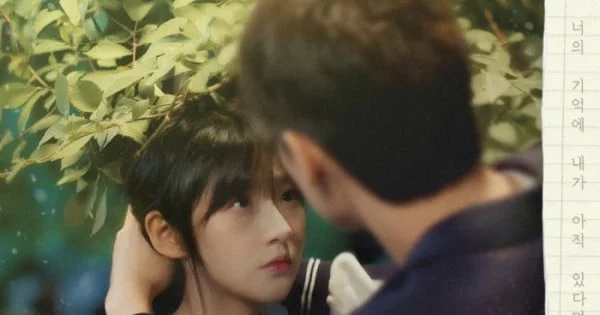
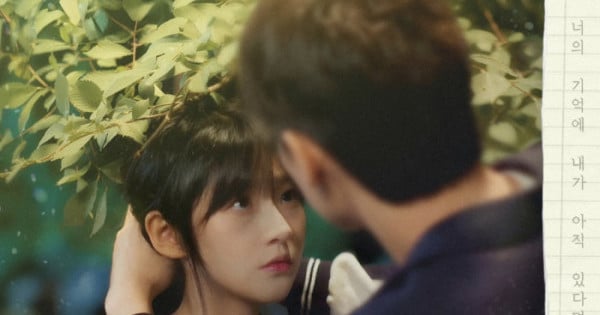
Everyday We Are holds a particularly somber significance as the final film of actress Kim Sae-ron, whose untimely passing has cast a long shadow over the project. The film is an adaptation of the popular webtoon of the same name, which captivated readers with its authentic portrayal of adolescent relationships and was serialized on Kakao Page, a prominent digital content platform in South Korea. The movie delves into the tender and emotionally nuanced experiences of first love, charting the intricate dynamics between childhood friends on the cusp of adulthood.
The narrative centers on Yeoul Han, brought to life by Kim Sae-ron, a character depicted as candid and emotionally grounded. She navigates the subtle stirrings of feelings she has yet to fully comprehend or acknowledge. Her introspective world is profoundly shaken when her childhood friend, Ho-soo Oh, portrayed by Chae-min Lee, confesses his affections just before their middle school graduation. Despite Yeoul’s initial rejection and their subsequent enrollment in separate high schools, a twist of fate orchestrates their reunion on the very first day of their new academic journey, revealing that they have unknowingly transferred to the same institution. This serendipitous encounter sets the stage for a rekindling of their connection and a deeper exploration of their evolving feelings.
A Delayed Release Amidst Personal Tragedy
The production of Everyday We Are commenced in 2021, with an initial release slated for later that year. However, the film’s trajectory was irrevocably altered by the tragic passing of Kim Sae-ron in February 2025, an event that was subsequently ruled as a suicide. At the age of 24, Kim Sae-ron’s death sent shockwaves through the entertainment industry, prompting a reassessment of the film’s release schedule. The project had been tentatively set for a February 2026 release, a date that was ultimately postponed. Following this delay, the film officially premiered in South Korea on March 4, 2026, almost exactly one year after the actress’s death. This release date was strategically chosen to allow for a period of reflection and to honor Kim Sae-ron’s final performance. Everyday We Are was released in advance of a planned seven-episode live-action series that is also based on the same webtoon, indicating a broader media strategy to capitalize on the source material’s popularity.
As of the current reporting, an English translation of the original webtoon is not yet available, limiting access for international fans who might wish to experience the story in its original literary form. This absence of an English version represents a missed opportunity for wider global engagement with the source material that inspired the film and the upcoming series.
Industry Reactions and Broader Implications
The release of Everyday We Are, particularly under these poignant circumstances, has elicited a range of reactions from the film industry and fans alike. The decision to proceed with the film’s release, after the tragic loss of its lead actress, is a testament to the dedication of the cast and crew, as well as the enduring power of Kim Sae-ron’s performance. Many have viewed the film as a final tribute to her talent and a means for audiences to connect with her legacy one last time.
The choice of Solar for the theme song is also significant. Her established reputation as a powerful vocalist and her popularity within the K-pop sphere undoubtedly contribute to the film’s promotional reach. The melancholic yet hopeful tone of "My Wish" is expected to resonate deeply with viewers, enhancing their emotional connection to the film’s narrative of young love and the complexities of human relationships.
The film’s narrative, adapted from a popular webtoon, taps into a growing trend of media adaptations that bridge the gap between digital content and traditional filmmaking. The success of such adaptations often hinges on their ability to capture the essence of the source material while offering a fresh cinematic perspective. Everyday We Are‘s focus on the universal themes of first love and the challenges of growing up positions it to connect with a broad audience, both domestically and potentially internationally, should the webtoon be translated.
The dual release strategy, with the film preceding a live-action series, suggests a coordinated effort to maximize the impact of the Everyday We Are intellectual property. This approach is increasingly common in the entertainment industry, where a multi-platform strategy can foster sustained audience engagement and build a comprehensive brand around a story. The success of this strategy will likely depend on the critical and commercial reception of both the film and the subsequent series.
Furthermore, the film’s release in the wake of Kim Sae-ron’s death raises important discussions about the ethical considerations of releasing projects featuring actors who have passed away. While such releases can serve as a means of honoring their memory and work, they also necessitate sensitivity and careful consideration for the impact on their legacy and the emotions of their fans. The decision to proceed with Everyday We Are‘s release reflects a balance between honoring artistic contribution and acknowledging profound personal loss. The film’s reception is therefore likely to be viewed not only through a cinematic lens but also as a cultural moment reflecting on artistry, memory, and the enduring impact of a performer’s work.
The presence of an original soundtrack performed by a prominent artist like Solar further amplifies the film’s emotional resonance. Music plays a crucial role in shaping audience perception and deepening their connection to a narrative. "My Wish" is poised to become an integral part of the Everyday We Are experience, offering a melodic embodiment of the film’s central themes of longing, love, and the bittersweet journey of youth. The song’s availability across major music platforms ensures that its emotional impact can be appreciated independently, further cementing its connection to the film and the memory of its lead actress. The enduring legacy of Kim Sae-ron, intertwined with the poignant narrative of Everyday We Are and the evocative soundtrack by Solar, creates a powerful confluence of art and emotion, inviting audiences to reflect on love, loss, and the indelible mark left by talent.