The 2024 reimagining of Faces of Death, directed by Daniel Goldhaber and written by Isa Mazzei, represents a significant thematic shift from its 1978 predecessor, moving away from the "Mondo" mockumentary style toward a narrative-driven psychological thriller. Produced by Legendary Entertainment, the film stars Barbie Ferreira and Dacre Montgomery in a story that explores the psychological toll of digital content moderation and the enduring legacy of shock media in the internet age. While the original 1978 film gained infamy as a compilation of purported real-life death scenes, Goldhaber’s version serves as a meta-commentary on the desensitization of modern audiences and the blurred lines between authentic violence and digital fabrication.
Historical Context: The Legacy of the 1978 Original
To understand the 2024 iteration, it is necessary to examine the cultural impact of the original Faces of Death. Released in 1978 and directed by John Alan Schwartz under the pseudonym Conan LeCilaire, the film was marketed as a documentary exploring various "faces" of mortality. It featured a fictional pathologist, Dr. Francis B. Gröss, who guided viewers through a series of gruesome sequences.
Despite its reputation as a "snuff" collection, subsequent analysis revealed that approximately 60% of the film was staged using practical effects and makeup. However, the inclusion of genuine footage—such as napalm bombings in Vietnam and slaughterhouse operations—lent the film a veneer of authenticity that led to it being banned in several countries and labeled a "video nasty" in the United Kingdom during the 1980s.
Statistically, the original film was a massive commercial success relative to its budget. Produced for an estimated $450,000, it reportedly grossed over $35 million worldwide, driven largely by word-of-mouth notoriety and the burgeoning home video market. Its legacy persists in the digital era, where it is often cited as a precursor to the "shock site" culture of the early 2000s.
Narrative Overview and Character Dynamics
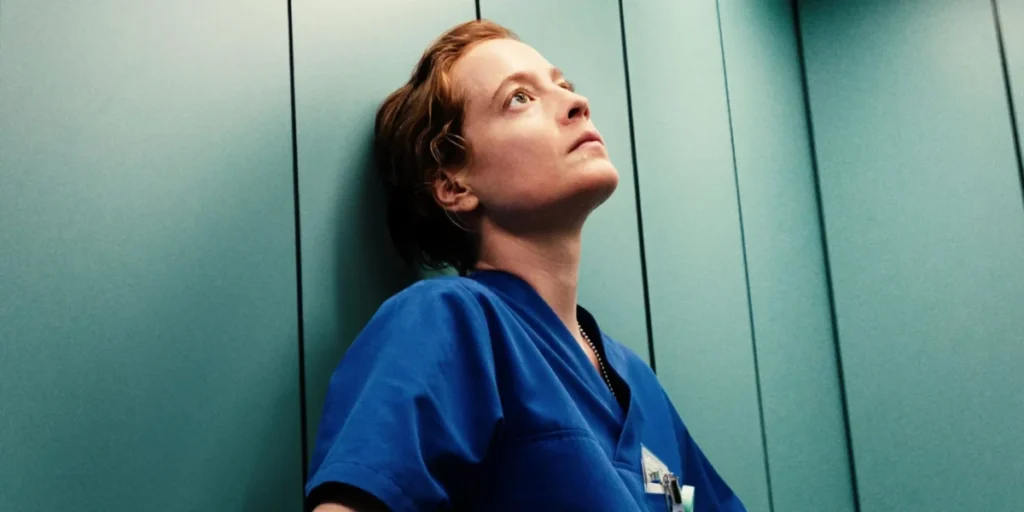
The 2024 film centers on Margot, portrayed by Barbie Ferreira, a young woman employed as a content moderator for a fictional social media platform named "Kino." The platform, designed to mimic the rapid-fire consumption of apps like TikTok or Instagram, requires moderators to filter through thousands of hours of potentially violating content. Margot’s primary responsibility is to distinguish between staged entertainment and actual violations of the platform’s terms of service, which include graphic violence and self-harm.
The narrative tension escalates when Margot encounters a series of highly produced videos that appear to recreate specific death scenes from the original 1978 Faces of Death. As she delves deeper into the origins of these uploads, she becomes convinced that the deaths are not staged but are actual murders being committed for an online audience.
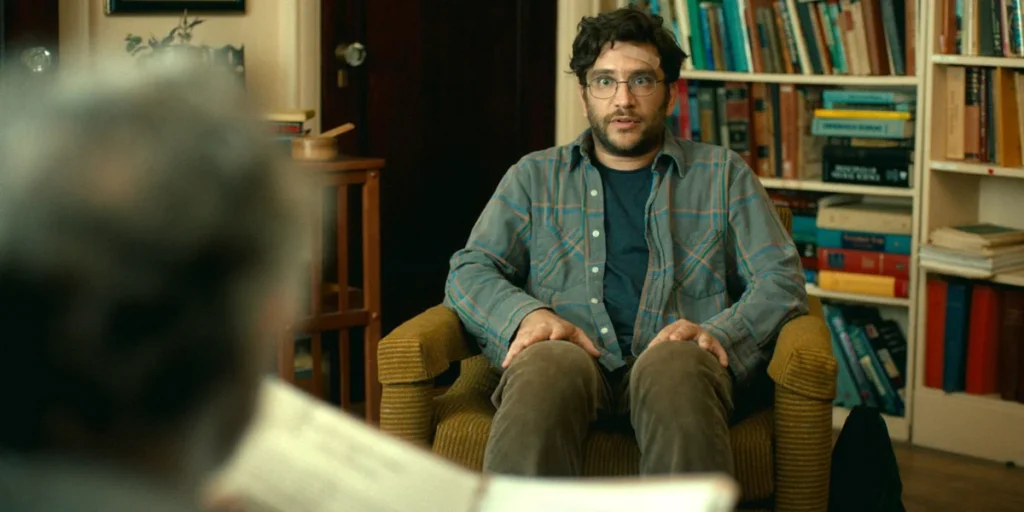
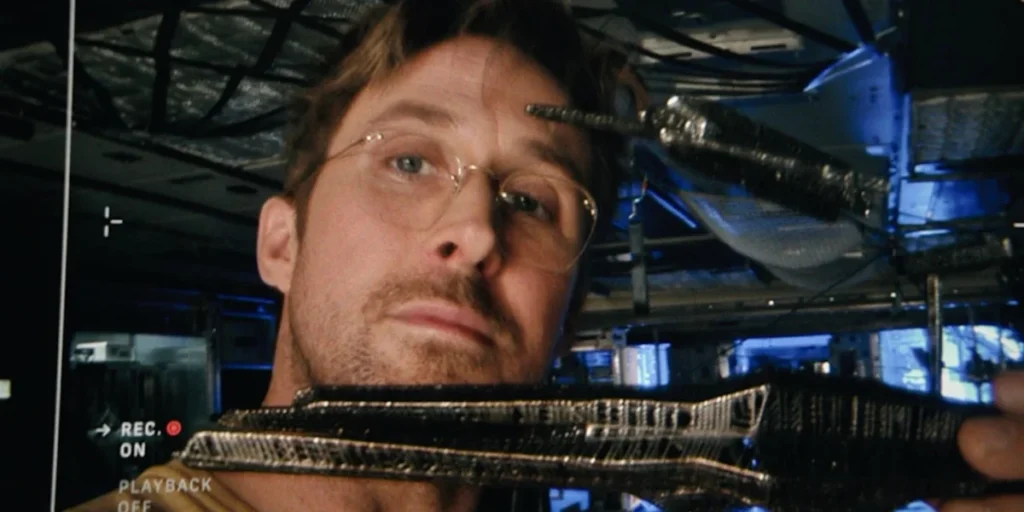
Opposing Margot is Arthur, played by Dacre Montgomery, the antagonist responsible for the videos. In a departure from traditional slasher tropes, the film identifies Arthur early in the runtime, focusing on his process of stalking victims and constructing elaborate "kill rigs." This structural choice shifts the film’s focus from a "whodunit" mystery to a procedural exploration of a killer’s motivations and a moderator’s deteriorating mental state.
Chronology of Production and Development
The development of the Faces of Death remake followed a multi-year trajectory as the producers sought to modernize the concept for a post-VHS audience:
- October 2021: Legendary Entertainment announced they had acquired the rights to the franchise with the intent of rebooting it for a modern audience. Daniel Goldhaber and Isa Mazzei, the creative duo behind the 2018 tech-thriller Cam, were attached to direct and write.
- March 2023: Barbie Ferreira and Dacre Montgomery were announced as the leads, signaling a move toward high-profile casting.
- April–May 2023: Principal photography took place in New Orleans, Louisiana. The production focused on creating a "slick, cinematic" aesthetic that contrasted with the grainy, handheld look of the original.
- 2024: The film entered the festival circuit and distribution discussions, positioned as a psychological thriller rather than a direct remake of the 1978 documentary format.
Supporting Data: The Reality of Content Moderation
The film’s focus on content moderation is grounded in contemporary labor issues. According to reports from the Oxford Internet Institute, digital content moderators are often exposed to thousands of pieces of traumatic content daily, including graphic violence, child exploitation, and hate speech.
Industry data suggests that:
- Moderators for major social media firms may review up to 1,000 items per shift.
- Studies have indicated high rates of Post-Traumatic Stress Disorder (PTSD) and secondary trauma among workers in this sector.
- The "arbitrary" nature of moderation—a theme explored in the film—is reflected in real-world criticisms of platforms that struggle to balance free speech with user safety, often leading to inconsistent enforcement of community guidelines.
In the film, Margot’s struggle with "Kino’s" corporate bureaucracy highlights these real-world tensions. Her manager, played by Jermaine Fowler, represents the corporate interest in maintaining engagement and avoiding liability, even at the cost of the moderator’s psychological well-being.
Technical Analysis of the Film’s Execution
Director Daniel Goldhaber utilizes a visual style that emphasizes the claustrophobia of digital screens. Much of the film’s tension is derived from Margot’s workstation—a multi-monitor setup that floods her vision with a constant stream of information. This aesthetic choice reflects Goldhaber’s previous work on Cam, which similarly explored the intersection of human identity and digital platforms.
However, critical analysis of the film suggests a disconnect between its intellectual ambitions and its effectiveness as a horror movie. While the 1978 original relied on the "gross-out" factor and the uncertainty of realism, the 2024 version opts for a more polished approach. The "kill rigs" designed by the antagonist Arthur are reminiscent of the Saw franchise, yet the film has been noted for its relatively restrained depiction of gore compared to its namesake.
The performance of Dacre Montgomery has been highlighted as a standout element. Montgomery portrays Arthur with a "cartoonish wickedness" that leans into the camp elements of the horror genre, providing a tonal counterweight to Ferreira’s grounded and stressed portrayal of Margot.
Broader Implications and Societal Impact
Faces of Death (2024) arrives at a time when the "truth" of digital media is increasingly scrutinized. The film raises several pertinent questions regarding the current state of the internet:
The Numbing Effect of Hyper-Violence
The film posits that the accessibility of real-world horror—from war footage to accidental deaths captured on smartphones—has raised the threshold for what it takes to "shock" a modern audience. In the 1970s, a grainy film of a slaughterhouse was enough to cause theater walkouts; today, such imagery is often a click away, leading to a perceived normalization of violence.
The Role of Artificial Intelligence and Deepfakes
A significant theme in the film is the skepticism directed toward digital evidence. As AI-generated content and deepfakes become more sophisticated, the ability to dismiss real atrocities as "fake" becomes a psychological defense mechanism for society. The film explores how this skepticism can be weaponized by bad actors to hide crimes in plain sight.
Corporate Responsibility in the Digital Age
Through the fictional company "Kino," the film critiques the lack of oversight in the tech industry. It suggests that the systems designed to protect users are often underfunded, poorly managed, and more concerned with algorithmic growth than human safety. This mirrors ongoing legislative debates in the United States and Europe regarding the liability of social media companies for the content hosted on their platforms.
Conclusion
The 2024 iteration of Faces of Death serves as a bridge between the visceral, low-budget shock of the 1970s and the complex, algorithm-driven anxieties of the 2020s. By centering the narrative on a content moderator, Goldhaber and Mazzei successfully update the franchise’s core premise—the human fascination with death—for an era where the act of viewing has become a form of labor.
While the film may lack the raw, transgressive power that made the 1978 original a cultural phenomenon, it offers a sophisticated analysis of how the internet has reshaped our relationship with mortality. It stands as a document of the current digital landscape, where the "faces of death" are no longer found in clandestine theater screenings, but are instead integrated into the daily scrolling habits of a globalized society. Through its exploration of trauma, corporate negligence, and the erosion of truth, the film underscores the reality that in the modern world, the most frightening thing is not the violence itself, but the indifference with which it is consumed.