The cinematic landscape of horror is perpetually seeking to shock and provoke, and the recent reimagining of the notorious cult classic, Faces of Death, by filmmakers Daniel Goldhaber and co-writer Isa Mazzei, achieves this with a visceral, unsettling force. This new iteration eschews the found-footage shock tactics of its predecessor, instead opting for a sophisticated, yet deeply disturbing, dive into the psychological underpinnings of modern voyeurism and our collective desensitization to violence. Drawing clear thematic parallels to late 1990s graphic crime thrillers such as 8MM, Se7en, and American Psycho, the film positions itself not merely as a horror reboot, but as a potent social commentary wrapped in a chilling narrative.
Goldhaber and Mazzei, the creative duo behind the critically acclaimed thriller Cam, have demonstrated a keen understanding of how technology and human psychology intersect, often in disturbing ways. In Faces of Death, they leverage this expertise to craft a film that feels both gratuitously grim and disturbingly prescient. The film’s success lies in its ability to tap into the pervasive, often unconscious, consumption of violence that has become a hallmark of the digital age.
The Perilous Allure of Digital Violence
The film’s exploration of gruesome content is not merely for shock value; it reflects a palpable reality. The "mundane realism" of much of the nastiness depicted is precisely what makes it so perverse and effective. In an era where news cycles are saturated with footage of real-world atrocities, and algorithms often push the most sensational and violent content to the forefront, the line between genuine horror and manufactured spectacle blurs. This constant exposure, often beyond our direct control, has led to a collective desensitization. As the original article notes, "real death and suffering have become so ubiquitous in media that it can be hard to flinch at the sight or report of it anymore." This psychological phenomenon, amplified by the ease with which disturbing content can be accessed and shared online, forms the thematic core of Goldhaber and Mazzei’s Faces of Death.
The film’s narrative pivots on a modern, urgent access point for its unsettling themes: content moderation. The protagonist, Margot, portrayed by Barbie Ferreira, works as a content moderator for a platform analogous to Meta. Her daily task involves sifting through an overwhelming stream of user-generated, flagged content—a veritable "endless cesspool"—to determine its suitability for public consumption. This is not a fictional construct; content moderation is a demanding and psychologically taxing profession that has garnered significant attention in recent years due to reports of extreme burnout, severe psychological trauma among workers, and unrealistic performance expectations. The sheer volume and graphic nature of the content these individuals are exposed to can inflict lasting psychological harm, a reality the film unflinchingly brings to the forefront. This choice of profession for Margot serves as the film’s pivotal new entry point into the genre’s exploration of violence, effectively positioning her as a modern "final girl" confronting an unimaginable digital darkness.
A Complex Protagonist in a Toxic Digital Environment
Barbie Ferreira’s portrayal of Margot is central to the film’s success. Her character is deliberately messy, emotionally dysregulated, and demonstrably self-destructive, presenting a nuanced and often challenging protagonist. The filmmakers skillfully navigate the fine line between intentional character portrayal and what could be perceived as mere blundering menace. However, as Margot’s backstory and emotional context are gradually unveiled, her "bull-in-a-china-shop" behavior is revealed to be deeply earned, a consequence of her harrowing work.
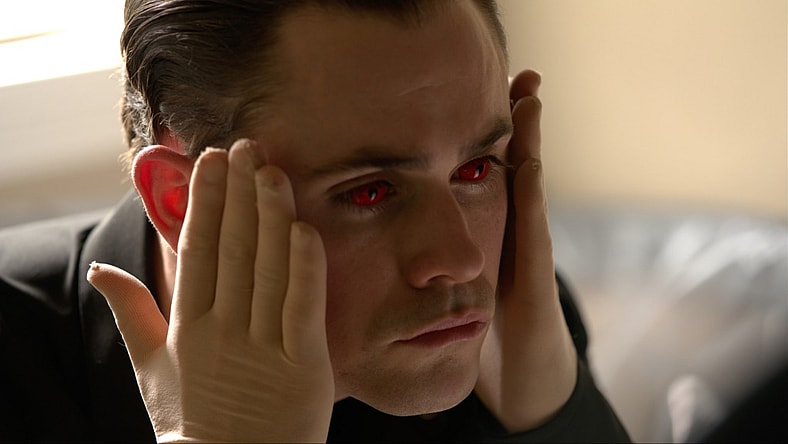
Ferreira delivers a standout performance, one that rivals the impact of Anya Taylor-Joy in The Queen’s Gambit or Florence Pugh in Midsommar for its raw emotional intensity. While some have drawn comparisons to Longlegs and its perceived homage to The Silence of the Lambs, Ferreira’s depiction of Margot as a clumsy, almost reckless, yet determined individual feels like a more authentic and contemporary interpretation of a protagonist navigating extreme psychological distress. Her audacity, born from a place of having "nothing to lose," resonates powerfully as she confronts the horrors she witnesses daily, both online and in her increasingly precarious reality.
The Terrifying Visage of the Modern Monster
Complementing Ferreira’s compelling performance is Dacre Montgomery’s chilling turn as the antagonist, Arthur. Montgomery’s portrayal is a masterclass in genre performance, characterized by bold risks and a fearless commitment to the role that pays off handsomely. Arthur is envisioned as a serial killer with a disturbing penchant for crafting what can only be described as DIY, social-first cinema—a modern predator who uses the very tools of digital dissemination to amplify his atrocities.
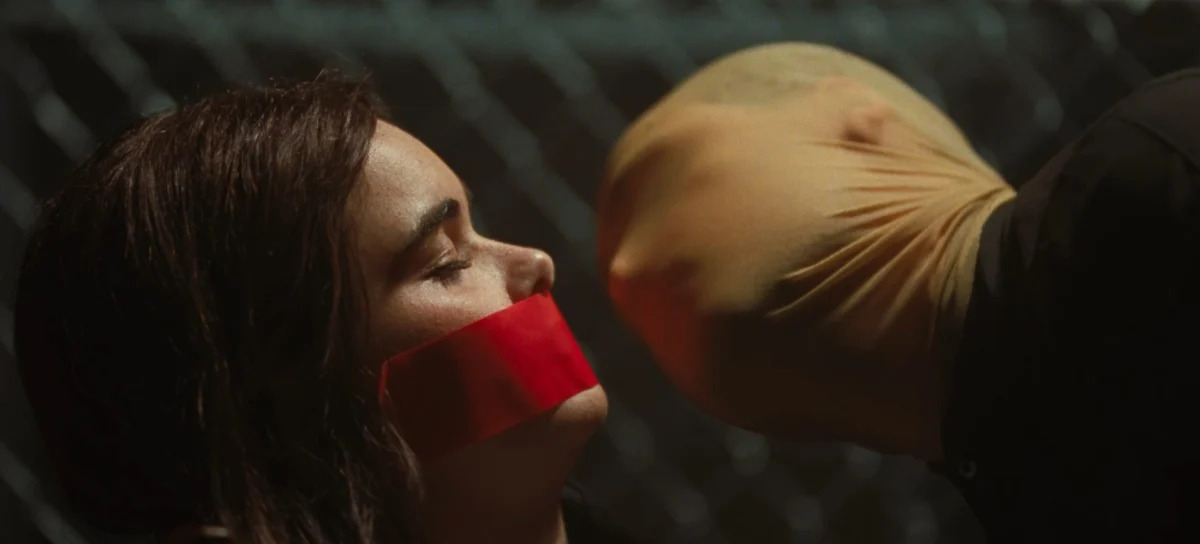
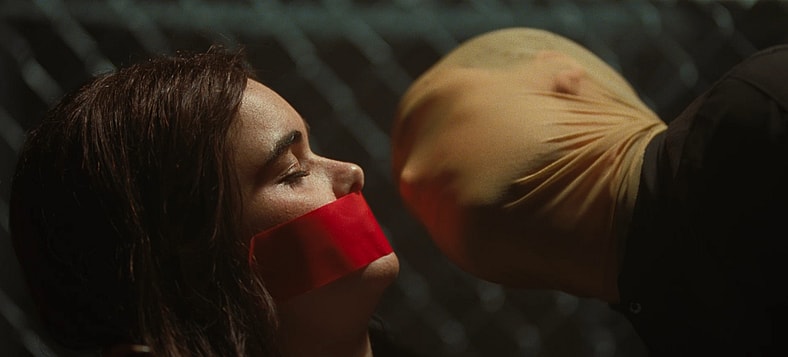
Arthur stalks, abducts, cages, and brutalizes his victims with a terrifying precision, but his true horror lies in his artistic vision of violence. While his on-page objectives might appear somewhat familiar or even shaky, it is Montgomery’s electrifying performance that elevates the character to a truly memorable and frightening level. He imbues Arthur with a palpable passion and an almost joyful embrace of his grotesque creative endeavors. This is a villain who revels in the artistry of his depravity, making him all the more terrifying.
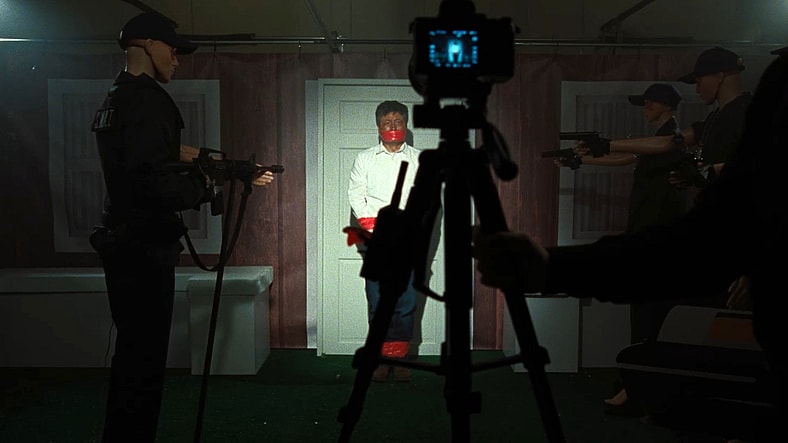
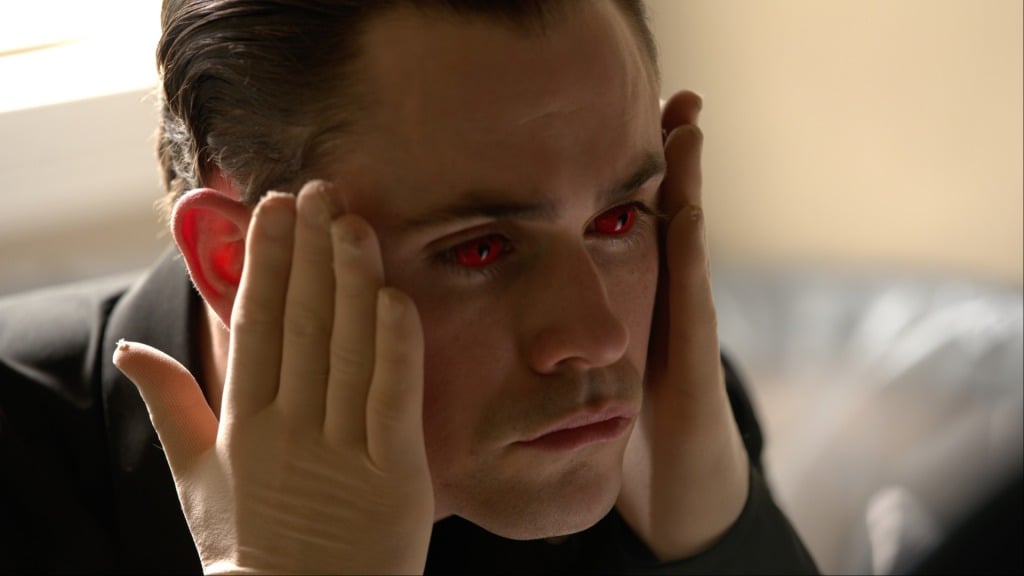
Significantly, Arthur is largely maskless for much of his screen time. This deliberate choice amplifies his scariness, forcing the audience to confront the human face of his monstrous actions. While Montgomery has previously demonstrated his genre prowess in the blockbuster Stranger Things and the atmospheric horror Went Up the Hill, it is in Faces of Death that he truly unleashes his uninhibited, freaky potential. His performance is so impactful and nuanced that it can be legitimately described as Oscar-caliber, showcasing a depth of characterization rarely seen in contemporary horror antagonists.
A Franchise Reborn for a Desensitized World
The original Faces of Death franchise, which emerged in the late 1970s, capitalized on a nascent public fascination with graphic imagery and the taboo of mortality. It tapped into a primal morbid curiosity, presenting itself as a voyeuristic journey into the ultimate unknown. However, the world has changed dramatically since those early iterations. The digital age has democratized access to graphic content, transforming our relationship with violence and death. What was once shocking and taboo is now often mundane, commodified, and consumed with a disturbing ease.
Goldhaber and Mazzei’s reimagining of Faces of Death is not merely an update; it is a profound recontextualization for the 21st century. The film is intentionally "ugly, mean, and difficult to watch," mirroring the uncomfortable truths it seeks to expose. By centering its narrative on the psychological toll of witnessing and moderating digital violence, the film highlights the inherent dangers of our current media consumption habits. It argues that in an era where real-world atrocities are endlessly circulated and consumed, the "bottom-shelf horror franchise" has been reborn as something far more dangerous and urgent.
The implications of this updated Faces of Death extend beyond the realm of entertainment. It serves as a stark reminder of the ethical considerations surrounding digital content, the psychological impact of constant exposure to violence, and the often-invisible labor of those who curate our online experiences. The film’s success in being both disturbing and thought-provoking positions it as a significant entry in the contemporary horror genre, one that grapples with the most unsettling aspects of our modern existence.
In conclusion, Faces of Death (2026) is a bold and vital cinematic work that leverages the legacy of a controversial franchise to dissect the complex and often disturbing relationship between humanity, technology, and the consumption of violence. Through compelling performances, a relevant narrative, and a unflinching exploration of societal desensitization, Daniel Goldhaber and Isa Mazzei have crafted a film that is as intellectually stimulating as it is viscerally horrifying. It is a chilling testament to how far we have come, and how little we may have truly learned, in our insatiable appetite for the spectacle of suffering.